Choosing the right bed for your toddler is more important than you might think. It’s not just about comfort—your toddler’s safety, growth, and sleep quality all depend on this decision.
You want a bed that fits their needs now and grows with them, without causing stress for you or your little one. If you’re feeling overwhelmed by all the options, don’t worry. This guide will help you find the perfect bed that keeps your toddler happy and safe, so you can both get the restful nights you deserve.
Keep reading to discover exactly what kind of bed to get your toddler.

Credit: www.ergopouch.com
Choosing The Right Bed Size
Choosing the right bed size for your toddler is very important. It affects their sleep quality and safety. The bed should fit the room well and give enough space for your child to move.
Think about how long the bed will last as your child grows. The right size helps avoid buying new beds often. It also makes bedtime more comfortable and fun.
Crib Vs Toddler Bed
Cribs are small and safe for babies and young toddlers. They have high sides to stop your child from falling out. Toddler beds are lower and easier to get in and out of.
Toddler beds use the same mattress as cribs, but they have guardrails. This helps your child stay safe and feel more independent. Choose a toddler bed when your child is ready to move from the crib.
Twin Bed Considerations
Twin beds are bigger than toddler beds. They offer more space to grow and sleep comfortably. These beds can last many years, even into school age.
Think about room size before choosing a twin bed. Twin beds need more space. You might need to rearrange furniture to fit the bed well.
Space For Growth
Kids grow fast. Choose a bed that can last a few years. A bigger bed gives more space to stretch and move during sleep.
Also, a bed with room to grow means fewer changes. It saves money and effort. Your child will sleep better with a bed that fits well.
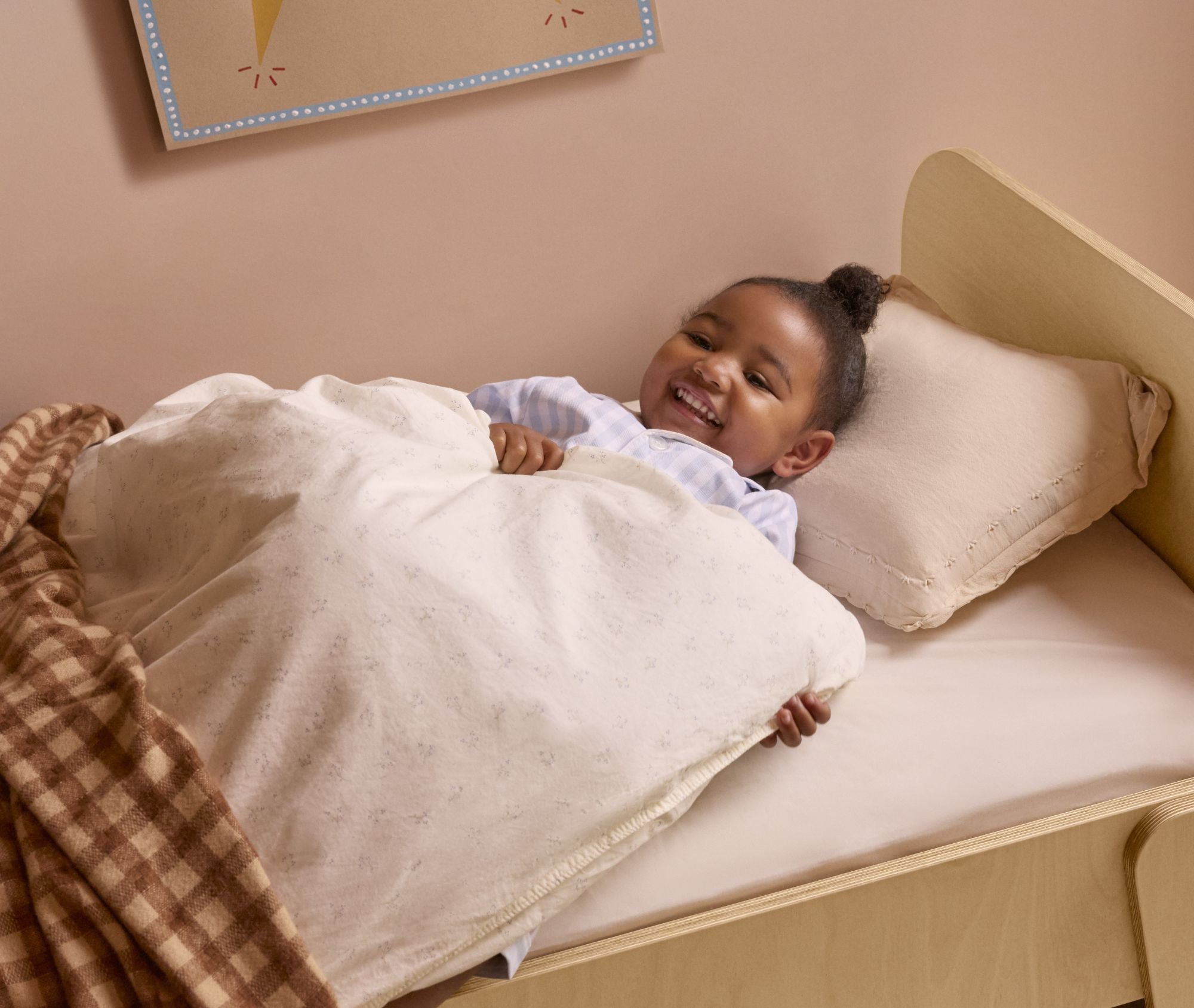
Credit: piccalio.com
Safety Features To Look For
Choosing the right bed for your toddler means focusing on safety first. A safe bed helps your child sleep soundly and prevents accidents. Certain features make a bed safer and more comfortable for little ones.
Sturdy Frame And Materials
The bed frame must be strong and steady. A sturdy frame keeps the bed from wobbling or breaking. Choose materials like solid wood or metal. These last longer and hold weight well. Avoid cheap plastic parts that might snap or bend.
Guardrails And Bed Height
Guardrails stop toddlers from falling out of bed. They should be high enough to provide protection but not block your child’s view. The bed height must be low to the ground. This makes it easier for toddlers to get in and out safely.
Non-toxic Finishes
Kids touch and chew furniture often. Non-toxic finishes keep harmful chemicals away. Look for beds with water-based paints or natural oils. These are safe and better for your child’s health. Avoid beds with strong chemical smells or glossy coatings.
Types Of Toddler Beds
Choosing the right bed for a toddler is important for their comfort and safety. There are several types of toddler beds. Each type has unique features that suit different needs. Understanding these types helps parents make a smart choice for their child’s sleep space.
Convertible Cribs
Convertible cribs change as your child grows. They start as a crib and turn into a toddler bed. This saves money and space. Many models also convert into twin beds. They offer long-term use and comfort. Parents like them for their flexibility and durability.
Low-to-the-ground Beds
Low-to-the-ground beds are perfect for toddlers who are just learning to climb in and out of bed. They sit close to the floor, reducing the risk of injury from falls. These beds make it easy for toddlers to get on and off by themselves. They often have guardrails for added safety.
Themed And Character Beds
Themed and character beds bring fun to bedtime. They come in designs like cars, animals, or princess castles. These beds can make sleep time exciting for toddlers. They encourage children to enjoy their own space. Parents find them great for inspiring imagination and creativity.

Credit: www.walmart.com
Mattress Selection Tips
Transitioning your toddler from a crib to a bed marks an important step. It can feel challenging but also exciting. This change helps your child grow more independent and comfortable with sleep routines.
Planning the transition carefully reduces stress for both you and your toddler. Knowing when and how to make the switch can lead to better sleep and a happier child.
Signs Your Toddler Is Ready
Watch for clues that show your toddler is ready to move. Climbing out of the crib is a key sign. This behavior can be dangerous and means your child needs a safer option.
Showing interest in a “big kid” bed or asking to sleep outside the crib also shows readiness. Your toddler may express a desire for more freedom at bedtime.
Making The Switch Smooth
Start by choosing a bed that feels safe and cozy. Use familiar bedding to create comfort. Keep the room calm and quiet during bedtime.
Stick to a consistent bedtime routine. This helps your toddler understand what to expect. Praise your child for sleeping in the new bed to encourage positive feelings.
Involving Your Child
Let your toddler help pick the new bed or bedding. This involvement makes the change more exciting. It gives your child a sense of control.
Talk about the new bed in a positive way. Read books about moving to a big bed. Celebrate small successes to build confidence.
Transitioning Your Toddler
Choosing the right bed for a toddler is just the first step. Safety measures make the room a secure place for your child. Small changes can prevent many accidents. Creating a safe sleep space helps your toddler rest well and stay protected.
Room Setup And Hazards
Arrange the room to keep hazards away from the bed. Remove sharp objects and toys with small parts. Cover electrical outlets and hide cords out of reach. Ensure windows are locked and cannot be opened by children. Keep heavy items off shelves above the bed. Use soft flooring to cushion any falls.
Use Of Bed Rails
Bed rails stop toddlers from falling out at night. Choose rails that fit the bed securely and have no gaps. Check the rails often to make sure they stay tight. Avoid rails with hard edges or sharp corners. Remove the rails only when your child can safely sleep without them.
Monitor And Night Lights
Use a baby monitor to watch your toddler from another room. This helps you respond quickly if your child wakes or needs help. Night lights provide a soft glow to ease fear of the dark. Pick lights with dim settings and no bright flashes. Place lights where they do not shine directly into the child’s eyes.
Additional Safety Measures
Choosing the right bed for your toddler requires thinking about budget and durability. You want a bed that lasts and fits your budget. Toddlers grow fast, so the bed should hold up well. Spending wisely saves money in the long run. Let’s explore how cost and quality, long-term use, and resale options matter.
Cost Vs Quality
Cheap beds may look good but often break easily. Quality beds cost more but last longer. A strong bed keeps your toddler safe. Look for beds made from solid wood or sturdy metal. These materials hold up better than plastic. Spending a bit more now can avoid repairs or replacements later.
Long-term Use
Think about how long the bed will last. A durable bed can work beyond toddler years. Some beds convert into bigger sizes as your child grows. This saves money and space. Choose beds with strong joints and good craftsmanship. They resist wear from jumping and playing. A bed that grows with your child offers more value.
Resale And Hand-me-down Options
Durable beds keep value for resale or hand-me-downs. You might sell the bed when your child outgrows it. Or pass it to younger siblings or family. Beds that stay in good shape attract buyers or last longer with others. Check the condition before buying to ensure it can be reused easily. This helps stretch your budget further.
Frequently Asked Questions
What Type Of Bed Is Best For Toddlers?
A toddler bed with guardrails is best for safety and comfort. It’s smaller than a twin bed, easing the transition from a crib. Choose a sturdy frame with non-toxic materials for durability and health.
When Should I Switch My Toddler To A Bed?
Switch your toddler between 18 months and 3 years. Look for signs like climbing out of the crib or needing more space. Ensure the new bed is safe and child-friendly to avoid falls and injuries.
Are Toddler Beds Safe For Active Kids?
Yes, toddler beds with guardrails and low height are safe for active kids. They minimize fall risks and provide easy access. Always check for sturdy construction and non-toxic finishes to keep your child secure.
How Big Is A Standard Toddler Bed?
A standard toddler bed measures about 28 inches by 52 inches. This size fits most toddler mattresses and fits well in small rooms. It’s designed to comfortably hold toddlers up to 50 pounds.
Conclusion
Choosing the right bed helps your toddler sleep safely and comfortably. Think about size, safety, and your child’s needs. A bed that grows with your toddler saves money and space. Soft materials and sturdy frames make bedtime cozy and secure.
Always check for non-toxic finishes and smooth edges. A good bed supports healthy sleep and happy mornings. Take your time deciding—it makes a big difference every night. Happy sleeping!