Choosing the right bed for your little one can feel overwhelming. You want a bed that fits your child’s needs, saves space, and grows with them.
But how big is a toddler bed compared to a twin bed? Understanding the size difference can help you make the best choice for your home and your child’s comfort. Keep reading, and you’ll discover the key differences that will make your decision easier and more confident.
Toddler Bed Dimensions
Toddler beds are a perfect step between a crib and a larger bed. Their size fits young children who have outgrown cribs but are not ready for a full-sized bed. Understanding toddler bed dimensions helps parents choose the right bed for their child’s room and comfort.
Standard Size Range
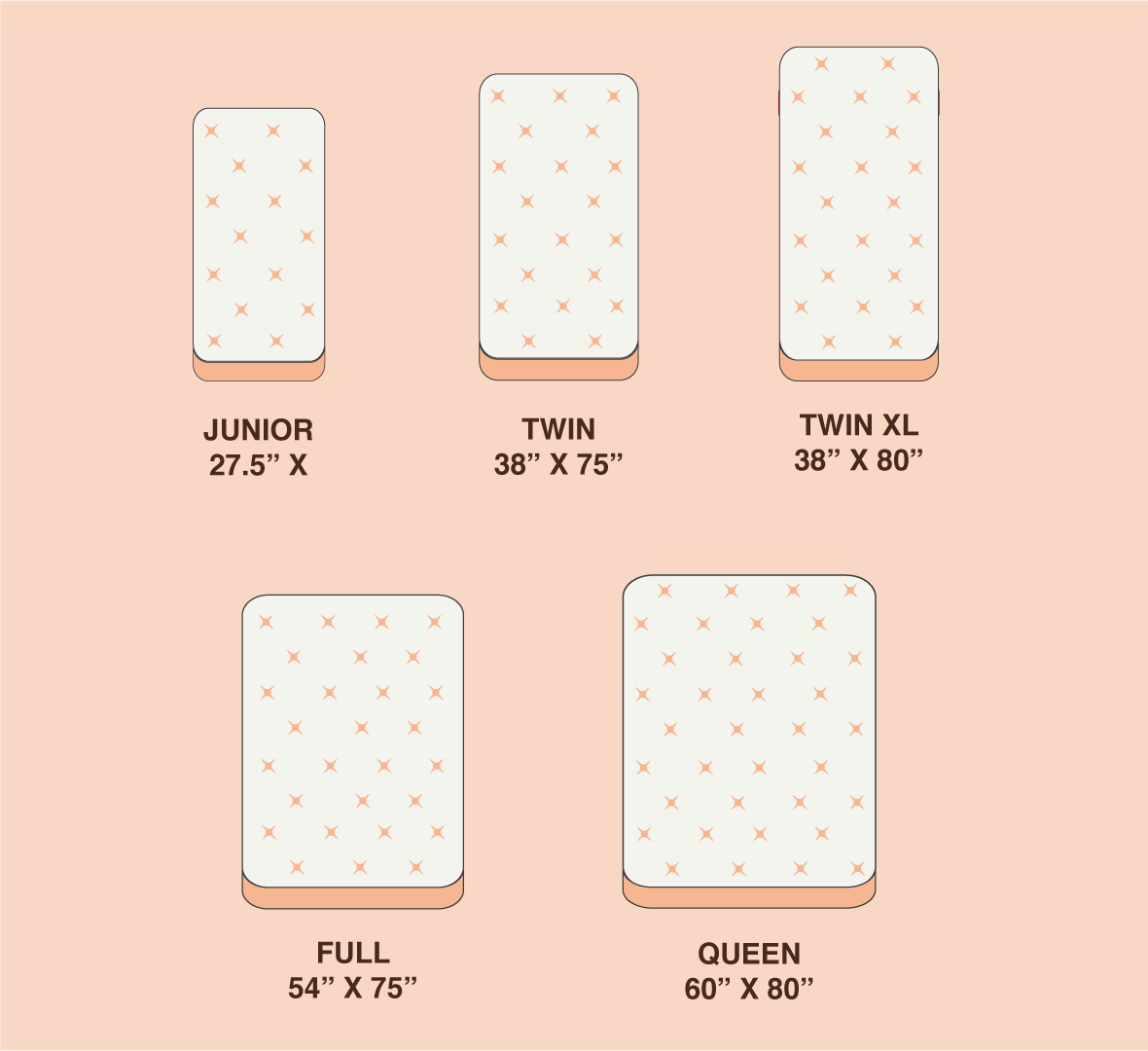
Toddler beds usually measure about 27 to 30 inches wide. The length is often around 52 to 55 inches. These sizes match the dimensions of a standard crib mattress. This keeps the mattress secure and familiar for toddlers. Toddler beds are smaller than twin beds, which measure about 38 inches wide and 75 inches long. This size difference saves space in smaller rooms.
Common Shapes And Designs
Most toddler beds have a rectangular shape similar to a crib or twin bed. Some designs feature guardrails on the sides to prevent falls. Others include low profiles, making it easy for toddlers to get in and out. Popular styles vary from simple frames to themed beds shaped like cars or animals. These designs add fun to bedtime and encourage independence.
Twin Bed Dimensions
Twin beds are a common choice for children’s rooms and guest spaces. They offer more room than toddler beds and fit well in many bedrooms. Knowing the size helps you decide the right bed for your needs.
Standard Size Range
A standard twin bed usually measures 38 inches wide and 75 inches long. This size fits most children and teens comfortably. It is also a good option for smaller rooms. The twin bed provides enough space to sleep without taking too much room.
Variations Like Twin Xl
Twin XL beds keep the same width of 38 inches but are longer. They measure about 80 inches in length. This extra length suits taller kids or teens. Twin XL beds work well in rooms where length matters more than width. They also fit many college dorm rooms.
Comparing Length And Width
Comparing the size of toddler beds and twin beds helps parents choose the right option. Size matters for comfort and space in the room. Length and width are the main factors to check. Let’s explore how these two bed types differ in size.
Length Differences
Toddler beds are shorter than twin beds. They usually measure about 50 inches long. Twin beds are longer, around 75 inches in length. This extra length suits older kids and adults. The shorter length of toddler beds fits younger children well. It also saves space in smaller rooms.
Width Differences
The width of toddler beds is narrower than twin beds. Toddler beds are about 27 inches wide. Twin beds offer more sleeping space, usually 39 inches wide. The extra width in twin beds allows more room to move. Toddler beds keep children snug and secure. This size difference affects comfort and room layout.

Credit: sunsgoods.com
Height And Safety Features
Height and safety are two key points to check before choosing a toddler bed or a twin bed. Kids need a bed that fits their size and keeps them safe while sleeping. The height of the bed can affect how easy it is for a child to get in and out. Safety features like guardrails help stop falls during the night.
Both bed types have different heights and safety options. Knowing these can help parents pick the best bed for their child’s needs.
Bed Height Comparison
Toddler beds are lower to the ground than twin beds. This low height helps kids climb in and out without help. It also lowers the risk of injury if the child falls out.
Twin beds sit higher, closer to adult bed height. They may need a step stool for younger kids to reach the top. The higher position can be harder for toddlers to use alone.
Guardrails And Safety
Toddler beds usually come with built-in guardrails on both sides. These rails block a child from rolling off while sleeping. Guardrails are often soft and child-friendly.
Twin beds do not always include guardrails. Parents may add separate rails for safety. Without guardrails, the risk of falling increases, especially for younger children.
Suitability By Age And Size
Choosing the right bed for your child depends on their age and size. Toddler beds and twin beds differ in these aspects. Understanding their suitability helps you pick the best option for your growing child.
Age Recommendations
Toddler beds fit children about 1.5 to 5 years old. They are ideal after a crib but before a big bed. Twin beds suit kids 5 years and older. They work well for older toddlers and school-age children. Age is a good guide to decide between the two.
Weight And Size Limits
Toddler beds usually support up to 50 pounds. They have low rails to keep small kids safe. Twin beds hold heavier weights, typically over 150 pounds. They offer more space for taller and bigger children. Choose a bed that fits your child’s current size and weight.
Room Space Considerations
Choosing between a toddler bed and a twin bed affects the room size. Space matters a lot in small bedrooms. It changes how much room is left for other things. Think about the bed’s size and how it fits in your child’s room. This helps keep the room comfy and easy to move around in.
Footprint In Small Rooms
Toddler beds have a smaller footprint than twin beds. They usually measure about 27 by 52 inches. Twin beds are larger, around 38 by 75 inches. In a small room, a toddler bed takes up less floor space. This leaves more open area for play and movement. A twin bed may crowd the room, making it feel tight.
Space For Additional Furniture
Choosing the right bed size frees space for other furniture. A toddler bed allows room for a small dresser or toy box. It also leaves space for a chair or bookshelf. With a twin bed, space can be tight. This limits what else you can fit in the room. Plan carefully to keep the room organized and functional.
Transitioning From Toddler To Twin
Transitioning from a toddler bed to a twin bed marks an important step for children. It means growing up and gaining more space to sleep comfortably. Parents often wonder about the right timing and the benefits of each bed size. Understanding these points helps make the change smooth and stress-free.
When To Upgrade
Most children outgrow toddler beds between ages 2 and 5. Signs to upgrade include climbing out of the bed or needing more room. A twin bed offers extra space for growing bodies. It also suits kids who enjoy stretching out during sleep. Safety and comfort guide the decision to switch beds.
Benefits Of Each Bed Type
Toddler beds are smaller and cozy, designed to fit young children. They often have rails to prevent falls. These beds help kids feel safe and secure. Twin beds are larger, usually 38 inches wide and 75 inches long. They give children room to move and grow. Twin beds also last longer, serving kids into their teens. Both beds support healthy sleep but meet different needs at different ages.
Cost Differences
Cost plays a big role when choosing between a toddler bed and a twin bed. Prices vary widely based on size, design, and materials. Understanding these differences helps families find the best option for their budget. Toddler beds tend to be cheaper, but twin beds offer more room and longer use. Let’s explore the price ranges of each bed type.
Price Range For Toddler Beds
Toddler beds usually cost less than twin beds. Basic models start around $50. Mid-range toddler beds range from $100 to $200. High-end beds with special features can cost $250 or more. Most toddler beds are smaller and use less material. This size difference helps keep prices low. They are a budget-friendly choice for young children.
Price Range For Twin Beds
Twin beds have a wider price range than toddler beds. Simple metal frames start near $100. Basic wooden twin beds can cost between $150 and $300. More stylish or sturdy models often range from $300 to $600. Premium twin beds with storage or unique designs may go above $600. Larger size and longer use add to the cost. Twin beds offer more value over time despite higher upfront prices.
Mattress Compatibility
Mattress compatibility plays a key role in choosing between a toddler bed and a twin bed. The mattress must fit perfectly to keep your child comfortable and safe. Toddler beds and twin beds use different mattress sizes. Each mattress type suits specific bed frames. Understanding these differences helps you pick the right mattress.
Types Of Mattresses For Toddler Beds
Toddler beds usually fit a mattress size of 28 by 52 inches. This size is smaller than a crib mattress but close in dimensions. Foam mattresses are popular for toddler beds. They are light and easy to move. Innerspring mattresses offer firm support and last longer. Organic mattresses use natural materials, good for sensitive skin. Always check the mattress thickness; 4 to 6 inches is ideal for toddler beds.
Types Of Mattresses For Twin Beds
Twin beds require a mattress size of 38 by 75 inches. This size provides more sleeping space for growing children. Memory foam mattresses are common for twin beds. They conform to the body for comfort. Innerspring mattresses remain a classic choice for support. Hybrid mattresses combine foam and spring layers for balance. Twin mattresses usually have a thickness between 6 and 12 inches.

Credit: aurabio.com
Credit: casakids.com
Frequently Asked Questions
What Are The Dimensions Of A Toddler Bed?
A toddler bed typically measures 28 inches wide and 52 inches long. It is smaller than a twin bed, designed for young children transitioning from a crib.
How Big Is A Twin Bed Compared To A Toddler Bed?
A twin bed measures 38 inches wide and 75 inches long. It is significantly larger than a toddler bed, offering more sleeping space for older kids and teens.
When Should I Switch From Toddler Bed To Twin?
Most children switch to a twin bed between ages 4 and 7. The twin bed offers more room for growth and comfort as your child gets bigger.
Are Twin Beds More Cost-effective Than Toddler Beds?
Twin beds can be more cost-effective over time. They serve children from toddler age through teen years, reducing the need for multiple bed purchases.
Conclusion
Toddler beds are smaller and fit well in tight spaces. Twin beds offer more room for growing kids. Choosing depends on your child’s size and bedroom space. Toddler beds suit younger children transitioning from cribs. Twin beds last longer and work for older kids.
Both beds have their benefits for comfort and safety. Think about your child’s needs and room size. This helps you pick the best bed for today and tomorrow. Simple choices make bedtime easier for everyone.