Making the switch from a crib to a toddler bed is a big step for both you and your little one. You might be wondering when the right time is or how to make the change smooth and stress-free.
This transition can feel overwhelming, but with the right tips, you can help your child feel safe and excited about their new bed. Keep reading to discover simple, effective ways to make this important change easier for your family—and ensure your child sleeps soundly every night.
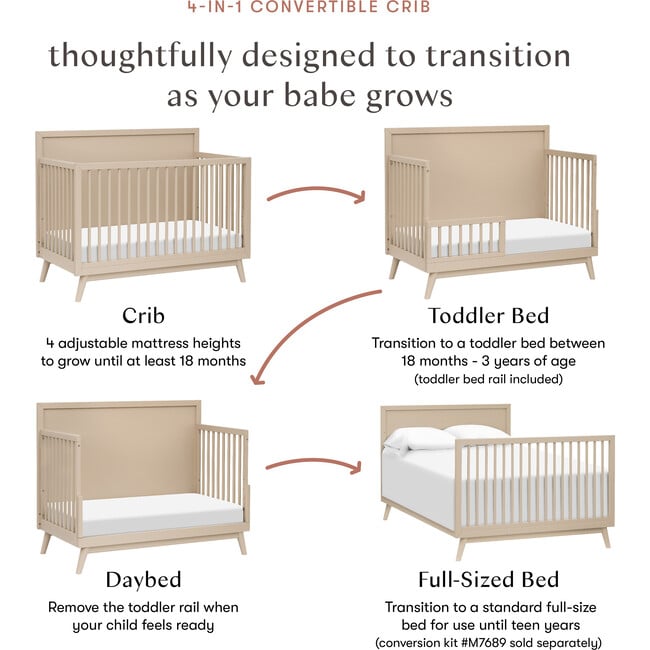
Credit: www.maisonette.com
Signs Your Child Is Ready
Knowing when your child is ready to move from a crib to a toddler bed helps make the change smooth. Watch for clear signs that show your child can handle the new bed safely and comfortably. These signs fall into three main groups: physical, behavioral, and safety-related. Spotting them helps you decide the right time for the transition.
Physical Indicators
Your child may be ready if they can climb out of the crib. This shows they have the strength and balance needed for a toddler bed. Growing taller and outgrowing the crib mattress is another sign. When legs start to hang over the edge, it means the crib is too small. These clues point to the need for a bigger, safer sleeping space.
Behavioral Clues
Look for changes in how your child sleeps or moves at night. If your child tries to climb out or resists going into the crib, it may show they want more freedom. A desire to sleep with a favorite blanket or toy also signals readiness. These behaviors suggest your child is ready for a bed that feels more grown-up.
Safety Concerns
Safety is the top priority when changing beds. If your child climbs out of the crib often, they risk falling and hurting themselves. A toddler bed with guardrails helps prevent falls. Also, check the room for hazards like sharp corners or loose cords. Making the room safe supports a smooth and secure transition.

Credit: fotoenigma.com
Choosing The Right Toddler Bed
Choosing the right toddler bed is an important step for your child’s comfort and safety. The bed should be cozy and secure. It helps your child adjust to sleeping in a new space. This choice also supports their growing independence. Understanding different bed types, mattress needs, and safety features makes the decision easier.
Types Of Toddler Beds
Toddler beds come in many styles. Some have low frames close to the floor. Others look like small twin beds with rails. Convertible beds change from cribs to toddler beds. They offer longer use. Pick a bed that fits your room size and style. Choose one your child will enjoy.
Mattress Considerations
The mattress must fit the bed perfectly. It should be firm and flat. Soft mattresses can cause discomfort or risk. Check mattress size before buying the bed. Washable mattress covers help keep things clean. Breathable materials improve sleep quality. A good mattress supports healthy rest.
Safety Features
Safety is key for toddler beds. Side rails prevent your child from falling out. Rounded corners reduce injury risks. Avoid beds with sharp edges or loose parts. Check that paint and materials are non-toxic. Stability matters—make sure the bed does not wobble. A safe bed protects your child all night.
Preparing The New Bed Space
Preparing the new bed space is an important step in helping your toddler feel safe and comfortable. The right setup can make the transition smooth and exciting. It also helps your child get used to the new bed quickly. Creating a welcoming space encourages good sleep habits and a positive attitude toward bedtime.
Room Setup Tips
Keep the room tidy and free of clutter. Place the toddler bed where your child can see the door. This gives a sense of security. Use soft lighting like a nightlight. It helps reduce fear of the dark. Remove any sharp or dangerous objects nearby. Make sure the floor is clean and safe for little feet.
Familiar Bedding
Use your child’s favorite blankets and pillows. Familiar smells and textures comfort them. Choose bedding with soft materials to avoid irritation. Keep the same colors or patterns from the crib bedding. This creates a sense of continuity. Change bedding gradually if needed to help them adjust.
Creating A Cozy Environment
Add stuffed animals or soft toys your child loves. These provide company and comfort. Keep the room at a comfortable temperature. Not too hot or too cold. Play gentle music or white noise to soothe your toddler. A cozy environment supports calm and restful sleep.
Making The Transition Smooth
Changing from a crib to a toddler bed is a big step for your child. This change can feel strange or scary for them. A smooth transition helps your child feel safe and comfortable. It also makes bedtime easier for you. A calm, steady approach works best. Small steps and kind words help your child adjust well.
Try to keep the bedtime process steady and clear. This helps your child know what to expect. Let’s explore some ways to make this change easier.
Establishing A Bedtime Routine
Create a simple, calm routine before bed. Read a story, sing a song, or cuddle. Do the same activities in the same order each night. This routine tells your child it is time to sleep. It helps their body and mind get ready. A steady routine gives comfort and security during this change.
Introducing The Bed Gradually
Let your child spend time in the toddler bed during the day. Play or rest there for short periods. This makes the bed familiar and not scary. Use the bed for naps before night sleep. Give your child time to get used to the new space slowly.
Using Positive Reinforcement
Praise your child for trying the new bed. Use kind words and hugs to show you are proud. Small rewards like stickers or extra storytime work well. Positive feedback encourages your child to feel good about the change. It helps build their confidence and happiness at bedtime.
Handling Nighttime Challenges
Transitioning your child from a crib to a toddler bed brings new challenges at night. Your little one faces a big change. The bedtime routine may feel different for both of you. Night wakings might increase. Safety becomes very important. Handling these challenges with care helps your child feel safe and secure.
Dealing With Bedtime Resistance
Many toddlers resist bedtime in a new bed. They may want to stay up or get out of bed. Stay calm and consistent. Use a gentle but firm tone. Offer comfort, like a favorite blanket or toy. Create a quiet, cozy space. Keep bedtime routines the same as before. This helps your child feel safe and ready to sleep.
Managing Night Wakings
Your toddler may wake more often at night. They might feel unsure in the new bed. Respond with calm and patience. Avoid turning on bright lights. Speak softly and reassure your child. Guide them back to bed without long talks. Over time, night wakings usually decrease. Consistency is key to help your child sleep well.
Keeping Safety In Mind
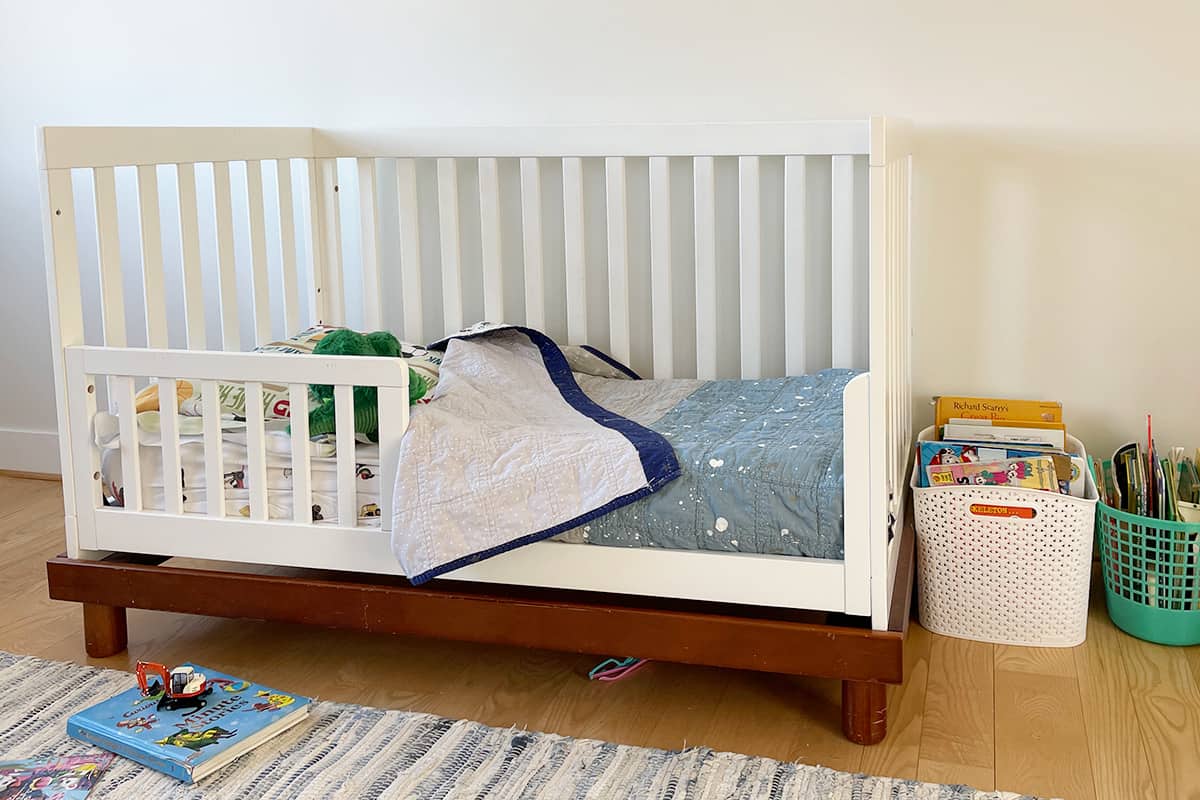
Safety is very important with a toddler bed. Use guardrails to prevent falls. Make sure the bed is low to the floor. Remove any toys or objects that could cause harm. Check the room for hazards like cords or sharp edges. Keep the door open or use a baby monitor. These steps help your child sleep safely and parents rest easier.
Credit: www.tjbystre.cz
Encouraging Independence
Encouraging independence is key during the transition from crib to toddler bed. It helps children feel confident and safe in their new sleeping space. Giving them some control builds trust and reduces fear.
Allowing Choice And Control
Let your child pick their new bed sheets or a favorite blanket. Small choices make them feel involved. Allowing choice shows respect for their feelings. It helps them take ownership of bedtime.
Supporting Self-soothing
Teach your child ways to calm down alone. A favorite toy or soft music can help. Self-soothing skills reduce crying and fussiness. It also helps them fall asleep without your help.
Celebrating Milestones
Praise your child for sleeping in their toddler bed. Celebrate small wins like staying in bed all night. Positive feedback encourages good sleeping habits. It builds their confidence for future challenges.
Frequently Asked Questions
When Is The Best Time To Switch To A Toddler Bed?
The ideal time to transition is between 18 months and 3 years. Look for signs like climbing out of the crib or showing interest in a bigger bed.
How To Make Toddler Bed Safe For My Child?
Use bed rails to prevent falls. Remove sharp objects and place the bed away from windows or cords to ensure safety.
What Comfort Items Help Toddlers Adjust To New Beds?
Familiar items like favorite blankets or stuffed animals provide comfort. Keeping bedtime routines consistent also helps toddlers feel secure.
How Long Does It Take To Adjust To A Toddler Bed?
Most toddlers adjust within a few days to two weeks. Patience and consistent bedtime routines speed up the transition process.
Conclusion
Transitioning your child from a crib to a toddler bed takes time and patience. Keep the routine calm and consistent every night. Let your child explore the new bed at their own pace. Praise small steps and stay positive through setbacks.
Safety matters—use guardrails and remove hazards nearby. This change helps your child grow and gain independence. Stay calm and enjoy this new stage together. Little steps lead to big progress. Your child will soon feel safe and happy in their new bed.