Making bunk bed bedding might seem tricky at first, but it doesn’t have to be. You want your kids or guests to feel cozy and comfortable, but finding the right fit and style can be confusing.
What if you could create bedding that perfectly suits your bunk beds, keeps everything neat, and looks great too? In this guide, you’ll discover simple, practical steps to make bunk bed bedding that fits just right and adds a touch of charm to your space.
Keep reading, and you’ll learn how to transform those tight beds into a cozy retreat everyone will love.
Choosing The Right Materials
Choosing the right materials for bunk bed bedding is important. It affects comfort, style, and how long the bedding lasts. The right fabric helps your child sleep well and feel cozy.
This section explains how to pick the best fabrics, colors, and patterns. It also covers durability and easy care tips. These points make bunk bed bedding both nice and practical.
Selecting Comfortable Fabrics
Choose soft fabrics that feel gentle on the skin. Cotton is a good choice because it is breathable and natural. It keeps your child cool in summer and warm in winter. Avoid rough or stiff materials that may cause itching. Look for fabrics labeled as hypoallergenic for sensitive skin.
Picking Suitable Colors And Patterns
Pick colors that match the room’s style and your child’s taste. Light colors can make small rooms feel bigger. Dark colors hide stains better. Patterns add fun and personality. Stripes, stars, or animals often work well for kids. Keep the design simple to avoid visual clutter.
Considering Durability And Maintenance
Bunk bed bedding needs to be strong and easy to clean. Choose materials that can handle frequent washing. Polyester blends are durable and dry quickly. Check washing instructions before buying. Bedding that resists wrinkles and fading lasts longer. This saves time and money over time.
Measuring Your Bunk Bed
Measuring your bunk bed is the first step to making perfect bedding. Precise measurements ensure the sheets and covers fit well. Ill-fitting bedding can be uncomfortable and unsafe. Take your time to measure carefully for the best results.
Measuring Mattress Dimensions
Start by measuring the length and width of the mattress. Use a tape measure for accuracy. Write down the exact numbers. Check the mattress thickness as well. This helps in choosing the right fitted sheet depth.
Measure both mattresses if the bunk bed has two different sizes. Double check the numbers to avoid mistakes. Accurate mattress dimensions are key for comfortable bedding.
Accounting For Bed Frame Size
The bed frame can add extra width and length. Measure from the outer edges of the frame. Note any guardrails or sideboards that might affect the bedding fit. These parts can make bedding tighter or looser.
Include space for any ladder or storage under the bunk bed. This ensures the bedding fits smoothly without bunching. Measuring the frame helps create a neat and safe sleeping area.
Cutting Fabric Pieces
Cutting fabric pieces is the first step to making bunk bed bedding. Proper cutting ensures the fabric fits the bed perfectly. It also helps avoid waste and saves time during sewing. Measure twice and cut once to get accurate pieces.
Preparing Fabric For Sheets
Start by washing and ironing the fabric. This removes any shrinkage and wrinkles. Lay the fabric flat on a clean surface. Measure the mattress length and width. Add extra inches for seam allowance and hems. Mark the measurements with a fabric pencil. Use sharp scissors to cut the fabric carefully.
Cutting Pillowcase Fabric
Choose soft fabric for pillowcases. Measure the pillow size, adding space for seams and folds. Fold the fabric in half to cut two layers at once. Mark the dimensions clearly. Cut along the lines with scissors. Keep edges straight for neat sewing.
Cutting Comforter Or Blanket Material
Select thicker fabric for the comforter or blanket. Measure the bunk bed area to cover. Add extra inches for sewing seams and fluff. Use a ruler to draw straight lines on the fabric. Cut slowly to avoid jagged edges. Double-check measurements before cutting.
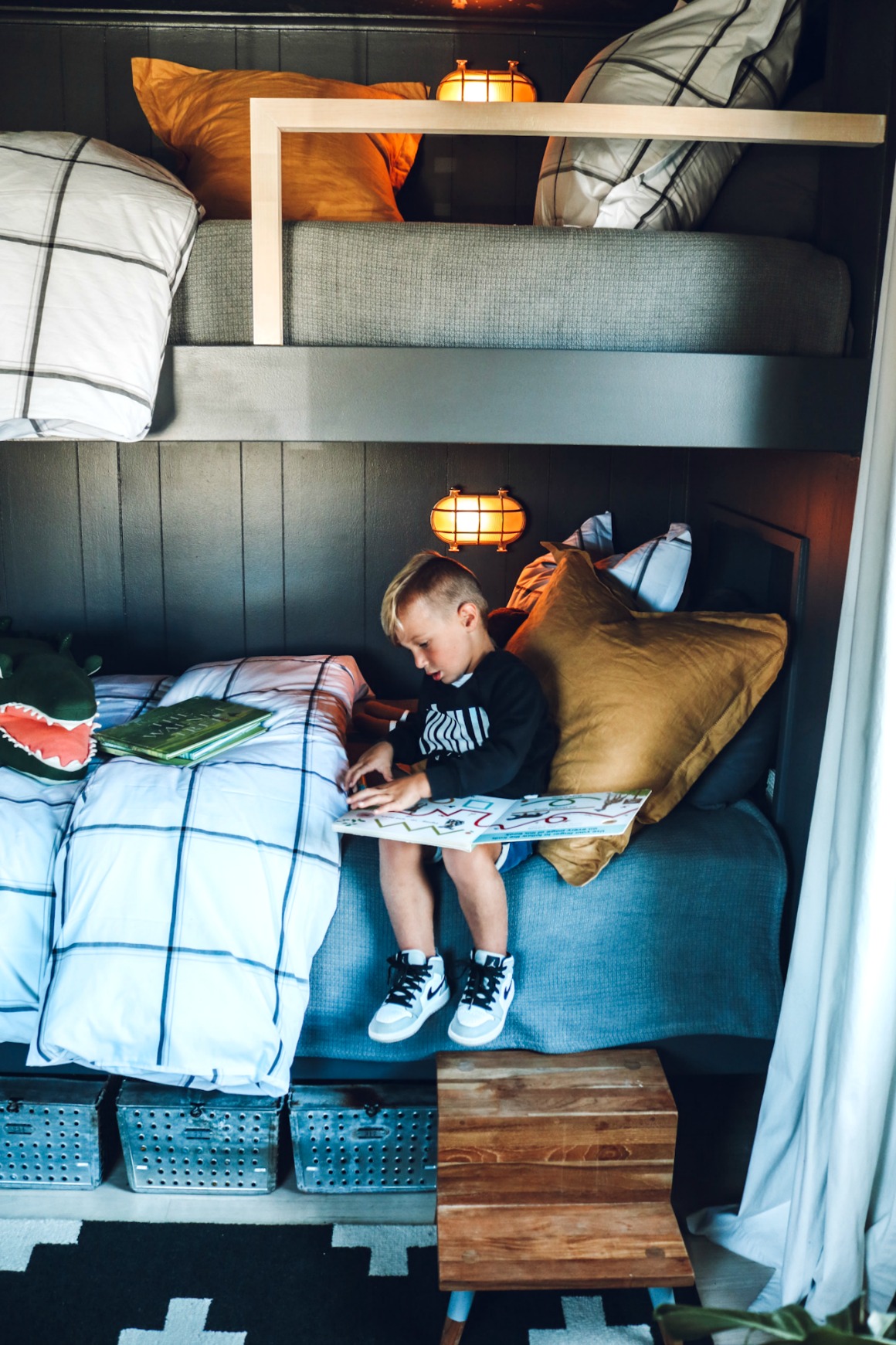
Credit: nestingwithgrace.com
Sewing The Bedding
Sewing the bedding for a bunk bed is a fun and creative project. It helps make the bed look neat and cozy. You can choose fabrics that match the room’s style and your child’s taste. Sewing your own bedding also ensures a perfect fit for the unique size of the bunk bed mattress.
With simple steps and basic sewing skills, you can create sheets, pillowcases, and comforter covers. This section guides you through each step, making the process easy and enjoyable.
Stitching Sheets Together
Start by measuring the mattress size carefully. Cut fabric pieces for the top, bottom, and sides. Use cotton or soft fabric for comfort. Pin the edges together before sewing. Sew the pieces with a straight stitch, keeping a 1/2 inch seam allowance. Leave one side open to fit the mattress. Finish the edges with a zigzag stitch to stop fraying. Test the fitted sheet on the mattress to ensure a snug fit.
Making Pillowcases
Choose fabric that matches the sheets. Cut two rectangles, larger than the pillow size. Place the right sides of the fabric together. Sew around three sides, leaving one short side open. Turn the pillowcase inside out to hide seams. Fold the open edge inside and sew a neat hem. This creates a clean finish and keeps the pillow inside.
Creating A Custom Comforter Cover
Measure the comforter length, width, and thickness. Cut two pieces of fabric to these measurements, adding extra for seams. Pin the fabric pieces with right sides facing. Sew three sides with a straight stitch. Add buttons or a zipper on the open side for closure. Turn the cover inside out for a smooth look. Insert the comforter and close the cover securely.
Adding Finishing Touches
Adding finishing touches to bunk bed bedding makes a big difference. These small details improve comfort and style. They help the bedding fit better and look neat. Let’s explore some simple ways to complete your bunk bed bedding.
Adding Elastic To Fitted Sheets
Elastic keeps fitted sheets snug on the mattress. Sew elastic bands around the sheet edges. Stretch the elastic as you sew for a tight fit. This prevents the sheet from slipping off. Elastic makes the bed look tidy and stays in place during sleep.
Inserting Zippers Or Buttons
Zippers and buttons help keep duvet covers and pillowcases closed. Sew a zipper along the open edge for easy removal and washing. Buttons add a decorative touch and secure the fabric. Choose zippers or buttons that match the bedding color. They make changing covers quick and hassle-free.
Decorative Elements And Embellishments
Decorate bedding with ribbons, patches, or fabric paint. These add personality and charm to the bed. Attach small, soft decorations to avoid discomfort. Use simple shapes or patterns for a clean look. Embellishments make the bunk bed inviting and unique.
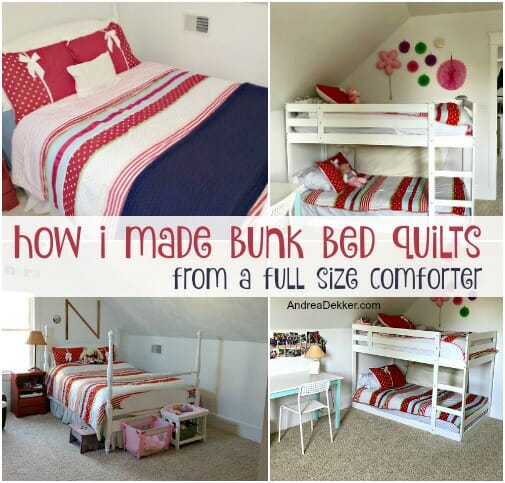
Credit: andreadekker.com
Caring For Bunk Bed Bedding
Caring for bunk bed bedding keeps it fresh and comfortable. Clean bedding helps prevent dust and allergens. It also extends the life of your sheets and covers. Proper care saves money and effort over time.
Washing And Drying Tips
Wash bedding regularly to maintain cleanliness. Use cold or warm water to avoid shrinking. Choose a gentle cycle for delicate fabrics. Avoid harsh detergents that can damage fibers. Dry bedding on a low heat setting. Remove sheets promptly to reduce wrinkles. Air drying is gentle and helps preserve fabric quality.
Storing Bedding Properly
Store bedding in a cool, dry place. Fold sheets neatly to save space. Use breathable bags or containers to prevent moisture buildup. Avoid plastic bags that trap humidity. Change stored bedding every few months to keep it fresh. Proper storage prevents mold and bad odors.

Credit: beddys.com
Frequently Asked Questions
How Do I Choose The Right Bedding Size For Bunk Beds?
Measure your bunk bed mattress before buying bedding. Standard twin size fits most bunk beds. Ensure sheets and comforters match mattress dimensions for a perfect fit and comfort.
What Materials Are Best For Bunk Bed Bedding?
Choose breathable, durable fabrics like cotton or microfiber. These materials provide comfort and are easy to clean. Avoid heavy or rough fabrics to keep the bedding cozy and child-friendly.
How Can I Keep Bunk Bed Bedding Neat And Tidy?
Use fitted sheets and secure blankets with clips if needed. Regularly wash and change bedding to maintain freshness. Organize pillows and blankets neatly to prevent clutter and ensure a tidy look.
Are There Specific Bedding Styles For Kids’ Bunk Beds?
Yes, colorful and themed bedding sets work well for kids. Choose fun patterns or favorite characters to make the bunk bed inviting. Soft, easy-care fabrics are practical for children’s use.
Conclusion
Making bunk bed bedding is simple and fun. Choose soft, durable sheets that fit well. Add cozy blankets and pillows for comfort. Keep everything neat and tidy every day. This helps your bunk bed look inviting and clean. With these easy steps, your bed feels like a cozy retreat.
Enjoy a good night’s sleep in your perfect bunk bed.