Are you wondering how shallow a bookshelf can be without losing its usefulness? Choosing the right depth for your bookshelf might seem simple, but it can make a big difference in how your space looks and feels.
Whether you have a small room or want to create a sleek, modern design, knowing the perfect shelf depth helps you store your books and display items neatly. You’ll discover practical tips and surprising facts that will help you pick the ideal bookshelf depth for your needs.
Keep reading to find out how to make the most of every inch in your home!

Credit: www.amazon.com
Ideal Bookshelf Depths
Choosing the right depth for your bookshelf is important for both function and style. The depth affects how many books you can fit and how your shelf looks in a room. Too shallow, and books might stick out or not fit well. Too deep, and the shelf can look bulky or waste space.
Ideal bookshelf depths balance storage needs with room size. Different types of books and items need different shelf depths. This guide explains common depths and how to adjust them for your books.
Standard Shelf Depths
Most bookshelves have a depth between 10 and 12 inches. This size fits most books well. Novels, paperbacks, and textbooks usually fit comfortably. Shelves this deep also hold decorative items or small plants.
Standard depths work well in living rooms and offices. They give enough space without taking too much room. This depth is a good choice for general use.
Minimum Functional Depths
Shelves can be as shallow as 6 to 8 inches. These depths suit small spaces or narrow walls. They work best for paperbacks or thin books. Thick books may stick out or not fit fully.
Shallow shelves limit storage but save space. Use them for light items or small book collections. They keep rooms open and less crowded.
Adjusting Depth For Book Sizes
Adjust shelf depth based on the books you own. Large coffee table books need deeper shelves, 14 to 16 inches. Tall books also need deeper shelves to stand upright.
For small or thin books, shallower shelves save space. Custom shelves can match your collection perfectly. This avoids wasted space and keeps books neat.
Space-saving Shelf Designs
Space-saving shelf designs are perfect for small rooms or tight spots. They help keep your space neat without crowding it. Choosing the right shallow bookshelf can make a big difference in your room’s look and feel.
These designs use smart ideas to store books and items without using much space. They fit in places where regular shelves might not work. Let’s explore some popular space-saving shelf options.
Floating Shelves
Floating shelves attach directly to the wall without brackets. They look clean and modern. These shelves can be very shallow, starting at just 6 inches deep. Perfect for small books, plants, or decor.
They save floor space and make the room feel bigger. You can place them at any height. Floating shelves keep items visible and easy to reach.
Corner Shelves
Corner shelves use wall corners, which often go unused. They can be shallow but still hold many items. Their shape fits snugly into corners, saving wall space.
These shelves add storage without blocking walkways. Ideal for books, small plants, or pictures. Corner shelves make good use of tight spaces.
Recessed Shelving
Recessed shelving is built into the wall itself. This design saves space by not sticking out. Shelves can be very shallow but still strong.
They blend into the wall for a clean look. Recessed shelves are perfect for narrow hallways or small rooms. They keep your items organized without crowding the space.
Materials And Construction
Choosing the right materials and construction methods is key for shallow bookshelves. The materials affect strength, weight, and style. Construction impacts how well the shelf holds books and lasts over time. Knowing these details helps you pick a shelf that fits your space and needs.
Slim Profile Materials
Thin materials like plywood and MDF work well for shallow shelves. They keep the shelf light and sleek. Solid wood can also be thin but stays strong. Metal frames add a modern look and support slim designs. Using materials that do not add bulk keeps the shelf narrow yet sturdy.
Weight Considerations
Light materials make the shelf easier to move and mount. Heavy items need stronger shelves and wall supports. Thin shelves must balance weight and strength carefully. Choosing lighter woods or metal reduces the risk of sagging. Proper weight limits protect your books and the shelf.
Durability In Shallow Designs
Durability depends on material quality and how the shelf is built. Strong joints and good fasteners improve stability. Layers of plywood resist bending better than single boards. Coatings protect against scratches and moisture damage. Shallow shelves need solid construction to last long and hold books safely.
Maximizing Storage Efficiency
Maximizing storage efficiency is key when choosing a shallow bookshelf. It helps fit more books and items in less space. Smart organization makes your shelf both useful and neat.
Small shelves can hold a lot if arranged well. Use simple ideas to keep everything visible and easy to access.
Vertical Arrangement
Place books upright to save space and keep them tidy. Vertical stacks fit more items on each shelf. This method also prevents books from bending or warping.
Use the full height of the shelf by stacking books vertically. This keeps titles easy to read and reach. Thin, shallow shelves work well with this style.
Using Bookends And Dividers
Bookends keep books standing straight in shallow shelves. They stop books from falling over and make the shelf look neat. Dividers can separate categories for easy sorting.
Choose slim bookends to fit small spaces without wasting room. Dividers can be simple or decorative, adding style and function. Both help organize books and other items clearly.
Incorporating Adjustable Shelves
Adjustable shelves let you change space between levels. You can fit taller or shorter books easily. This flexibility improves storage in shallow bookshelves.
Move shelves up or down to match your needs. This way, no space goes to waste. Adjustable shelves work well for mixed-size collections.
Customizing For Different Spaces
Customizing bookshelf depth helps fit different spaces perfectly. Not all rooms have the same size or shape. Choosing the right depth keeps your space open and organized. Shallow bookshelves save room and still hold many items. Adjusting shelf size means more comfort and better use of space.
Narrow Hallways
Narrow hallways need slim bookshelves. A shallow shelf of 6 to 8 inches fits well. It does not block walking space. You can store small books or decorative items here. This keeps the hallway neat and stylish.
Small Apartments
Small apartments need smart furniture choices. Shallow bookshelves of 8 to 10 inches work best. They hold books and essentials without crowding the room. Use vertical space by stacking shelves high. This saves floor area and keeps things tidy.
Office And Study Areas
Offices need shelves that hold files and books. Shelves 10 to 12 inches deep fit most items. They keep work materials close and easy to reach. Shallow shelves also give more desk space. This helps maintain a clean, productive workspace.

Credit: www.homebaa.com
Styling Shallow Bookshelves
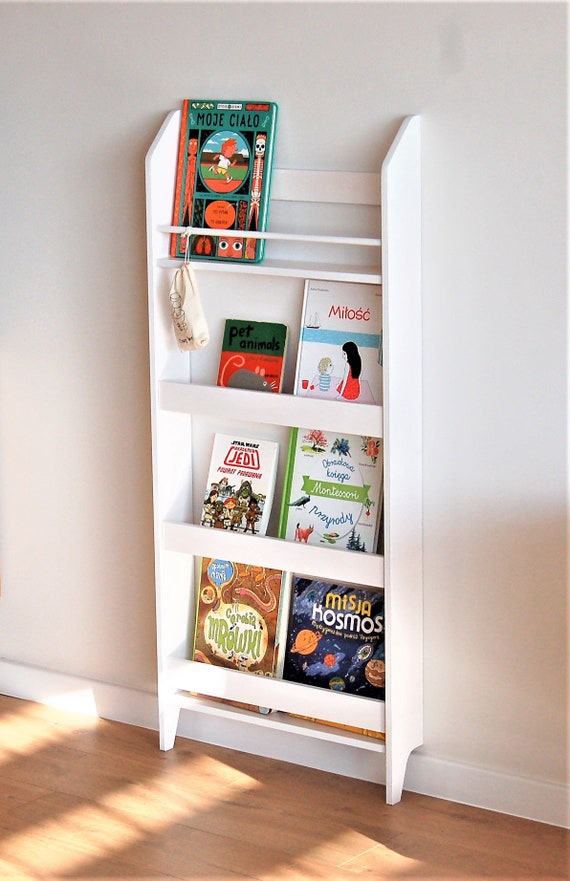
Styling shallow bookshelves can be a fun way to enhance your space. They offer a unique challenge due to limited depth. This encourages creativity in arranging items.
Shallow shelves often suit small rooms or narrow walls. They keep the space open while showing off your style. Let’s explore ways to make shallow bookshelves look great.
Decorative Displays
Use shallow shelves to display small art pieces or plants. Choose items that do not stick out too far. Flat picture frames or small sculptures work well. Arrange items with some space to avoid clutter. This makes your shelf look neat and attractive.
Combining Books With Accessories
Mix books with decorative objects to add interest. Place books upright or stack them horizontally. Add small vases, candles, or figurines beside books. Keep accessories light and simple to fit shallow space. This balance creates a stylish and practical shelf.
Color And Finish Choices
Select colors that brighten your room. Light colors make shallow shelves feel less heavy. Wood finishes add warmth and texture. Paint shelves white or soft pastels for a fresh look. Choose finishes that match your room’s style and mood.
Credit: www.etsy.com
Frequently Asked Questions
How Shallow Can A Bookshelf Be For Standard Books?
A bookshelf can be as shallow as 6 to 8 inches to hold standard books. This depth fits most paperbacks and smaller hardcovers comfortably.
Will A Shallow Bookshelf Support Larger Books?
Shallow bookshelves may struggle with large or oversized books. For bigger books, 10 to 12 inches depth is recommended for proper support.
Can Shallow Bookshelves Save Space Effectively?
Yes, shallow bookshelves save space by fitting into narrow areas. They are ideal for small rooms or tight spaces without sacrificing storage.
What Materials Are Best For Shallow Bookshelves?
Strong materials like solid wood or metal work best. They provide stability and durability despite the reduced depth of the shelves.
Conclusion
Choosing the right bookshelf depth depends on your space and needs. Shallow shelves save room and fit small spaces well. They work best for thin books and small items. Deep shelves hold larger books but take more space. Measure your items before deciding shelf depth.
A well-chosen bookshelf keeps your space neat and tidy. Think about what you want to store first. This helps you pick the perfect size easily. Simple and smart choices make your room look better.