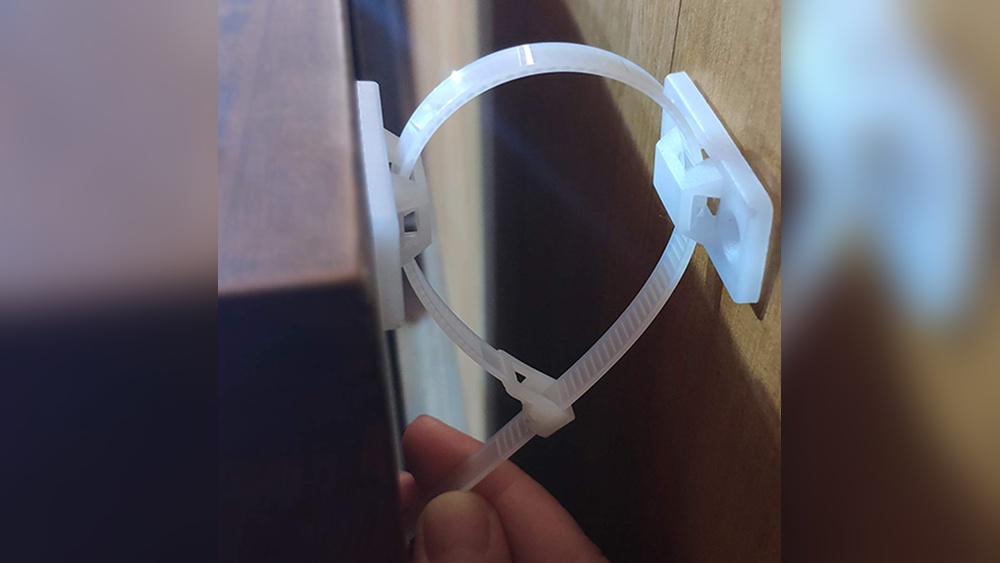
Have you ever worried about your bookshelf tipping over and causing damage or injury? Securing your bookshelf to the wall is a simple step that can protect your home and loved ones.
In this guide, you’ll learn exactly how to anchor a bookshelf safely and effectively. Whether you’re dealing with a tall, heavy unit or just want extra peace of mind, these easy-to-follow tips will help you keep your space secure. Keep reading to discover the tools and techniques that make anchoring your bookshelf a quick and stress-free task.
Credit: www.youtube.com
Tools And Materials Needed
Anchoring a bookshelf to a wall keeps it steady and safe. It stops the shelf from tipping over. To do this job well, you need the right tools and materials. Having these ready makes the process smooth and quick. Below are the main tools and materials you will need.
Essential Tools
A power drill helps make holes in the wall easily. Use a screwdriver to tighten screws securely. A stud finder locates strong spots behind the wall. A level keeps the bookshelf straight and balanced. A measuring tape ensures correct placement and spacing. A pencil marks the exact spots for drilling.
Types Of Anchors
Wall anchors come in different kinds. Plastic expansion anchors hold light loads on drywall. Metal toggle bolts offer strong support for heavy shelves. Molly bolts expand inside the wall for a firm grip. Choose anchors based on the wall type and shelf weight. Proper anchors keep the shelf from falling.
Safety Gear
Wear safety goggles to protect your eyes from dust. Gloves keep your hands safe from sharp edges. Ear protection lowers loud drill noise. A dust mask stops you from breathing in dust. Safety gear helps prevent injuries during the job.
Choosing The Right Wall
Choosing the right wall is key to safely anchoring a bookshelf. Not all walls hold the same weight. Some walls have strong support inside. Others are weaker and need special care. Knowing your wall type helps avoid damage and keeps your bookshelf steady.
Stud Walls Vs. Drywall
Stud walls have wooden or metal beams inside. These beams, called studs, give strong support. Drywall alone is thin and fragile. It cannot hold heavy shelves well. Always try to anchor into studs, not just drywall. This makes the bookshelf stable and safe.
Locating Wall Studs
Studs are usually 16 or 24 inches apart. Use a stud finder tool to find them easily. Tap the wall and listen for a solid sound. Look for electrical outlets or switches. They often attach to studs. Mark the stud spots before drilling holes.
Avoiding Hazards
Check for wires and pipes inside the wall. Drilling into them can cause serious damage. Use a wire detector to find electrical cables. Avoid plumbing pipes by checking wall blueprints or using a pipe detector. Safety first. Protect your home and yourself.
Preparing The Bookshelf
Preparing the bookshelf is a key step before anchoring it to the wall. This helps make the process smooth and safe. Taking time here reduces mistakes and ensures the shelf stays secure.
Emptying And Cleaning
Remove all items from the bookshelf. Books, decorations, and any loose objects must be cleared out. Wipe down the shelves with a damp cloth to remove dust and dirt. A clean surface helps when marking and attaching anchors.
Marking Anchor Points
Identify where the bookshelf will touch the wall. Use a pencil to mark spots on the bookshelf frame that align with wall studs. These points are where you will place the anchors. Mark clearly to avoid mistakes during installation.
Measuring For Accuracy
Measure the distance between your anchor marks carefully. Use a tape measure to check the height and width of the marks. Confirm the marks match the wall studs’ positions. Accurate measurements ensure the bookshelf will be stable and level.
Installing Wall Anchors
Installing wall anchors is a key step for safely securing your bookshelf. Anchors hold screws tightly in drywall or plaster. They help your shelf stay firm and avoid falling. This step is important for heavy or tall bookshelves. Follow these simple instructions to install wall anchors correctly.
Drilling Pilot Holes
Start by marking the spots where you will place anchors. Use a pencil for accuracy. Choose a drill bit that matches the anchor size. Drill small pilot holes gently into the wall. Make sure the holes are straight and not too deep. This makes inserting anchors easier and prevents wall damage.
Inserting Anchors
Push the anchor into the pilot hole. Tap lightly with a hammer if needed. The anchor should fit snugly and sit flush with the wall. Use plastic anchors for light loads and metal anchors for heavier shelves. Check that each anchor is secure before moving on.
Securing With Screws
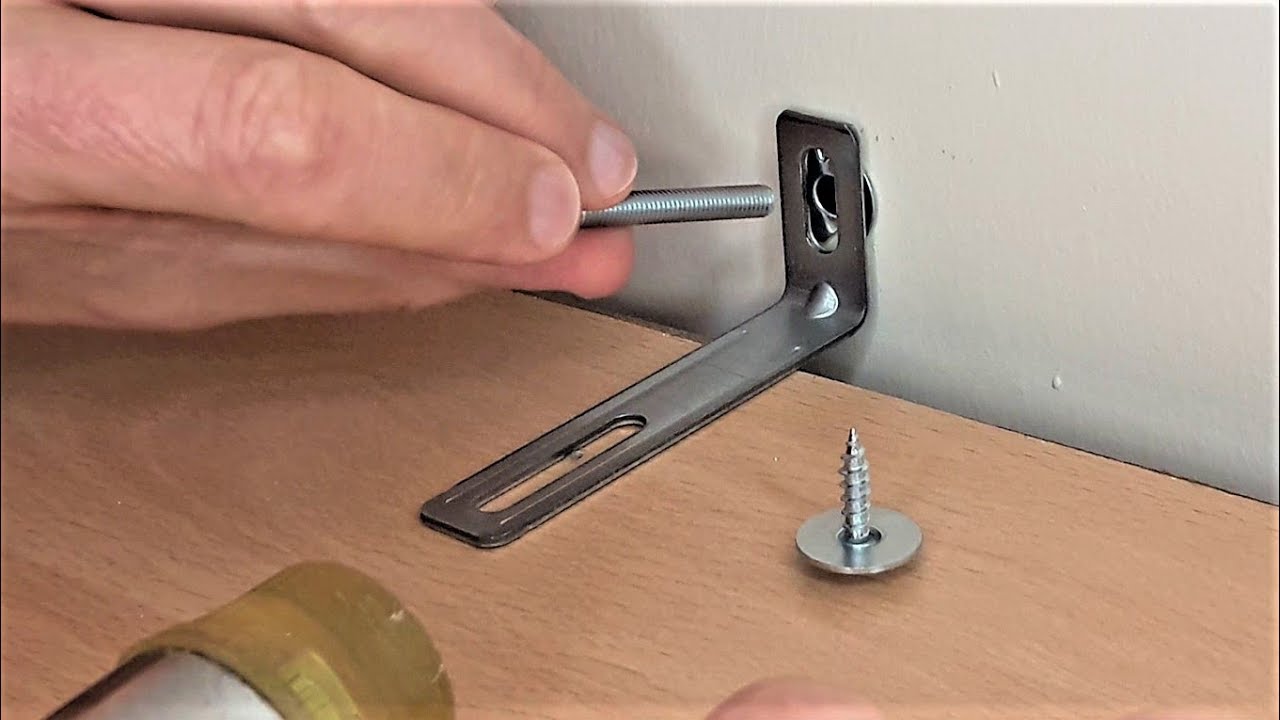
Place the bookshelf bracket or shelf against the wall. Align screw holes with the anchors. Insert screws through the bracket into the anchors. Tighten screws using a screwdriver or drill. Do not overtighten to avoid stripping the anchors. Your bookshelf will now be firmly attached and stable.
Attaching The Bookshelf
Attaching the bookshelf to the wall is the key step to keep it safe. This step stops the shelf from tipping over and protects your items. Follow each part carefully to ensure a strong hold.
Aligning With Wall Anchors
Place the bookshelf near the wall. Match the holes on the bookshelf bracket to the wall anchors. Make small marks on the wall to check alignment. Adjust the bookshelf until holes and anchors line up perfectly.
Fastening Brackets
Use screws to connect the brackets to the wall anchors. Tighten each screw firmly but avoid over-tightening. Over-tightening can damage the wall or the bracket. Make sure the brackets sit flat against the wall for best support.
Double-checking Stability
Give the bookshelf a gentle shake after attaching. Check if it moves or feels loose. Tighten screws again if needed. Confirm the bookshelf stands steady and safe before placing items on it.

Credit: www.reddit.com
Additional Safety Tips
Anchoring a bookshelf to a wall is a smart safety step. It stops the shelf from tipping over and causing harm. Beyond just attaching it, some extra safety tips help keep your space secure. These tips focus on how to balance weight, check the shelf often, and protect children.
Weight Distribution
Place heavy items on the lower shelves. This lowers the shelf’s center of gravity. Spread the weight evenly across the shelves. Avoid putting too many heavy items on one side. Balanced weight keeps the shelf steady and safe.
Regular Inspections
Check the anchors and screws every few months. Look for loose or damaged parts. Tighten any loose screws right away. Replace worn anchors to keep the shelf secure. Regular checks prevent accidents before they happen.
Childproofing Measures
Use wall anchors that support strong hold. Add corner guards to prevent injuries. Keep tempting items out of children’s reach. Teach kids not to climb the bookshelf. These steps reduce risks in homes with children.

Credit: space-plug.com
Frequently Asked Questions
How Do You Anchor A Bookshelf To Drywall Safely?
Use wall anchors or toggle bolts to secure the bookshelf. Locate studs with a stud finder for extra support. Attach brackets to both the bookshelf and wall. This prevents tipping and ensures stability, especially in homes with children or pets.
What Tools Are Needed To Anchor A Bookshelf?
You’ll need a stud finder, drill, screws, wall anchors, a screwdriver, and brackets. These tools help locate studs and securely fasten the bookshelf to the wall. Proper tools ensure a safe and durable installation.
Can You Anchor A Bookshelf Without Studs?
Yes, use heavy-duty wall anchors or toggle bolts if no studs are available. These anchors distribute weight evenly and prevent damage. However, anchoring into studs is always more secure and recommended for heavy shelves.
Why Is Anchoring A Bookshelf Important?
Anchoring prevents the bookshelf from tipping over and causing injuries or damage. It adds safety, especially in homes with children or during earthquakes. Proper anchoring also protects your books and belongings from falling.
Conclusion
Anchoring a bookshelf to a wall keeps it steady and safe. It stops the shelf from tipping over and protects your belongings. Using the right tools and steps makes the task simple. Take your time to measure and secure anchors firmly.
A well-anchored bookshelf adds both style and safety to your room. Now, you can enjoy your space without worry.