When you’re choosing a vanity cabinet, one detail can make a big difference in how it looks and functions: the overhang. But what exactly is the standard overhang on a vanity cabinet, and why should you care?
Understanding this simple measurement can help you avoid common mistakes, ensure a perfect fit in your bathroom, and even boost your space’s style and comfort. Keep reading, and you’ll discover everything you need to know to get your vanity just right.
Vanity Cabinet Basics
Vanity cabinets are essential in bathroom design. They provide storage and support for sinks. Understanding the basics helps you choose the right cabinet. This includes knowing sizes, materials, and styles. These factors affect both function and look.
Common Vanity Sizes
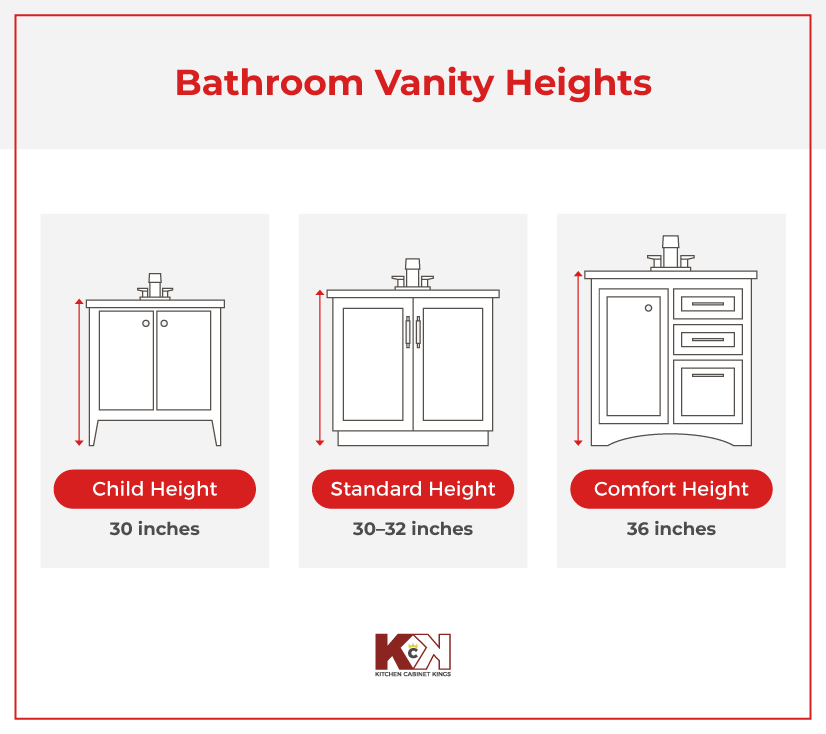
Vanity cabinets come in many sizes. The most popular widths are 24, 30, 36, 48, and 60 inches. Depths usually range from 18 to 21 inches. Heights can vary, but 32 to 36 inches is common. Choose a size that fits your space well. Consider how much storage you need.
Materials And Styles
Vanity cabinets use various materials. Wood is the most common, offering warmth and durability. MDF and plywood are budget-friendly options. Styles range from traditional to modern. Some have sleek, clean lines. Others feature ornate details. Pick a style that matches your bathroom decor.
Credit: kitchencabinetkings.com
What Is Overhang On Vanity Cabinets
The overhang on a vanity cabinet is a small but important detail in bathroom design. It refers to how much the countertop extends beyond the cabinet below. This feature affects both the look and function of the vanity. Understanding the standard overhang helps in choosing the right size for your bathroom space.
Definition Of Overhang
Overhang is the part of the countertop that sticks out past the cabinet edges. It is usually measured in inches. The standard overhang is typically between 1 and 1.5 inches. This means the countertop extends slightly beyond the cabinet frame on all sides. The overhang creates a finished look for the vanity.
Purpose And Benefits
The overhang protects the cabinet from water damage. It prevents water from dripping directly on the cabinet doors and sides. This helps the vanity last longer. The overhang also allows space for your hands and wrists while using the sink. It makes cleaning easier by keeping water off the cabinet surfaces. Visually, the overhang adds depth and style to the vanity design.
Standard Overhang Measurements
The standard overhang on a vanity cabinet is an important detail. It affects both the look and the function of the cabinet. Overhang measurements vary but usually follow certain norms. These measurements help the countertop fit well and provide comfort in use.
Understanding these measurements helps when planning or buying a vanity. It ensures the countertop does not stick out too far or sit too close to the cabinet edges. The right overhang adds style and protects the cabinet from water damage.
Typical Depth Overhangs
The depth overhang is the front-to-back measurement of the countertop beyond the cabinet edge. Most standard depth overhangs range from 1 to 1.5 inches. This small extension allows water to drip off without wetting the cabinet face. It also gives a smooth edge to rest your hands or arms.
Some designs use a deeper overhang, up to 2 inches, for a more modern look. But this can make the countertop feel bulky. A shallow overhang keeps the vanity neat and easy to clean.
Width Overhang Norms
The width overhang refers to how much the countertop extends past the cabinet sides. Usually, this overhang is about 0.5 to 1 inch on each side. It helps cover the cabinet edges and hides any gaps between the cabinet and wall.
In corner vanities or larger cabinets, the width overhang might be slightly larger. This helps balance the look and protects the cabinet edges from damage. Keeping the width overhang modest keeps the vanity proportional and functional.
Factors Affecting Overhang Size
The size of the overhang on a vanity cabinet is not fixed. Several factors influence how much the countertop should extend beyond the cabinet. These factors help balance style, function, and safety.
Understanding these elements can help you pick the right overhang size for your bathroom vanity.
Countertop Material
Different materials have different strengths and weights. Stone countertops like granite need a smaller overhang to avoid cracking. Laminate can safely extend further because it is lighter. Wood may allow for creative overhangs but needs proper support.
Bathroom Layout
The space available around the vanity affects overhang size. Small bathrooms benefit from smaller overhangs to save space. Larger rooms can handle bigger overhangs that create a stylish look. Consider door swings and walkways too.
User Comfort
The overhang impacts how comfortable you feel at the vanity. A small overhang might not offer enough legroom. A large overhang can get in the way or cause bumps. Aim for an overhang that fits your daily use comfortably.
Customizing Vanity Overhang
Customizing the overhang on a vanity cabinet lets you create a look that fits your space perfectly. The overhang is the part of the countertop that extends beyond the cabinet edges. Changing its size can affect the room’s style and how you use the vanity. Small tweaks can make a big difference in both form and function.
Adjusting For Style
The overhang size changes the vanity’s overall look. A larger overhang adds a modern and sleek feel. It creates a floating effect that looks clean and stylish.
A smaller overhang fits traditional or classic designs. It keeps the lines simple and neat. Choose the size that matches your bathroom’s theme and your personal taste.
Functional Considerations
Think about how you use the vanity daily. A bigger overhang offers more countertop space for toiletries or decorations. It can also provide extra knee room if you sit at the vanity.
Too much overhang may make the countertop less stable. Ensure proper support under the countertop to avoid damage. Balance style and function for a practical vanity space.
:max_bytes(150000):strip_icc()/how-bathroom-vanity-tops-work-1821317-f7107f5d02904f6eaa96c51c62b03dfc.jpg)
Credit: www.thespruce.com
Installation Tips For Overhang
Installing the overhang on a vanity cabinet needs careful attention. The right overhang size affects both look and function. A well-installed overhang gives your vanity a neat finish and easy use. Follow these tips to get the best results.
Measuring Accurately
Start with precise measurements of your vanity top and cabinet. Use a tape measure and mark edges clearly. Measure twice to avoid mistakes. The standard overhang is usually 1 to 1.5 inches on the front and sides. Check if any plumbing or fixtures affect the overhang space. Keep notes of all measurements for easy reference during installation.
Ensuring Stability
Support is key to a secure overhang. Use strong brackets or supports under the vanity top. Attach supports firmly to the cabinet frame. Avoid heavy pressure on unsupported areas to prevent damage. Check that the vanity top sits level and does not wobble. Stability helps maintain the overhang shape and prevents long-term wear.
Common Mistakes To Avoid
Understanding the standard overhang on a vanity cabinet is important. Many people make simple mistakes that affect the look and function of their bathroom. Avoiding these common errors helps create a neat and practical space. Here are some frequent problems to watch out for.
Too Much Overhang
Too much overhang can cause problems. It makes the countertop look bulky and unbalanced. Large overhangs may catch on clothes or bump into walls. This reduces walking space and can be unsafe. Keeping the overhang within standard limits ensures a clean, safe bathroom design.
Ignoring Space Constraints
Ignoring the available space is a common mistake. Bathrooms often have limited room, so the vanity must fit well. Oversized overhangs take up extra space that is needed for movement. Measure carefully before choosing the overhang size. This prevents cramped areas and improves comfort.
Trends In Vanity Overhang Design
Vanity overhang design plays a key role in bathroom style and function. It affects how the cabinet looks and how easy it is to clean. Trends in vanity overhang design show a mix of styles to fit different tastes. Some focus on sleek, simple lines. Others keep classic, detailed looks. Understanding these trends helps choose the right vanity for any bathroom.
Modern Minimalist Styles
Modern minimalist vanities often have a slim overhang or none at all. The focus is on clean, straight edges and smooth surfaces. Overhangs are small to keep the look simple and neat. This style suits small bathrooms well. It makes the space feel open and airy. Materials like quartz or solid surface tops are common. These tops extend just a little over the cabinet for easy cleaning.
Traditional Designs
Traditional vanity designs usually feature larger overhangs. The edges might be rounded or have decorative molding. This adds a classic, elegant touch to the bathroom. Overhangs in traditional styles help protect the cabinet from water damage. They also create a sense of depth and richness. Wood cabinets with stained finishes often pair well with these overhangs. The design brings warmth and charm to the space.

Credit: g2homeservices.com
Frequently Asked Questions
What Is The Standard Overhang On A Vanity Cabinet?
The standard overhang on a vanity cabinet is usually 1 to 1. 5 inches. This allows proper countertop coverage and easy access to drawers and doors. It balances aesthetics with functionality in most bathroom designs.
Why Is Vanity Cabinet Overhang Important?
Vanity cabinet overhang protects cabinet edges from water damage. It also provides extra countertop space and improves overall bathroom usability. Proper overhang ensures a neat, finished look and prevents countertop spills onto the floor.
How To Measure Vanity Cabinet Overhang?
Measure the countertop edge extending beyond the cabinet face. The overhang is the distance from the cabinet front to the countertop edge. Typical measurements range between 1 and 1. 5 inches for standard vanities.
Can Vanity Overhang Affect Bathroom Design?
Yes, vanity overhang impacts both style and function. A larger overhang offers more countertop space but may look bulky. A smaller overhang creates a sleeker appearance but limits surface area.
Conclusion
The standard overhang on a vanity cabinet usually ranges from 1 to 1. 5 inches. This small extension helps protect the cabinet and adds style. Choosing the right overhang improves both function and look. It fits well in most bathroom spaces without crowding.
Remember, a proper overhang makes your vanity cabinet more practical. Keep this simple detail in mind when planning your bathroom design. It makes a big difference in daily use and appearance.

