Looking to make the most of your space? Building a desk under your bunk bed is a smart way to create a cozy, productive corner without taking up extra room.
Whether you need a study spot, a gaming station, or a home office, this setup can transform your room instantly. In this guide, you’ll discover simple steps and clever tips to build a sturdy, stylish desk right under your bunk bed.
Ready to unlock hidden space and boost your productivity? Keep reading to find out how!
Choosing The Right Bunk Bed
Choosing the right bunk bed is key to creating a functional desk space underneath. The right choice makes the best use of your room’s space. It also ensures comfort and safety for daily use. This section guides you through important points before buying a bunk bed for your desk project.
Space Measurement Tips
Start by measuring the room where you plan to place the bunk bed. Measure the width, length, and height carefully. Check the ceiling height to ensure enough space above the top bunk. Also, measure the area under the bunk for the desk space. Leave extra room for chair movement and storage. Use a tape measure and write down all numbers. Accurate measurements prevent buying a bed that doesn’t fit well.
Selecting A Compatible Bunk Bed Design
Choose a bunk bed design with enough clearance under the top bunk. Look for models made for loft or high beds, as they offer more desk space below. Avoid beds with built-in drawers or stairs that block desk placement. Simple frame designs work best. Metal or wooden frames can both suit, but check stability first. Pick beds with safety rails and strong support beams. This keeps the bed safe while allowing room for your work area.
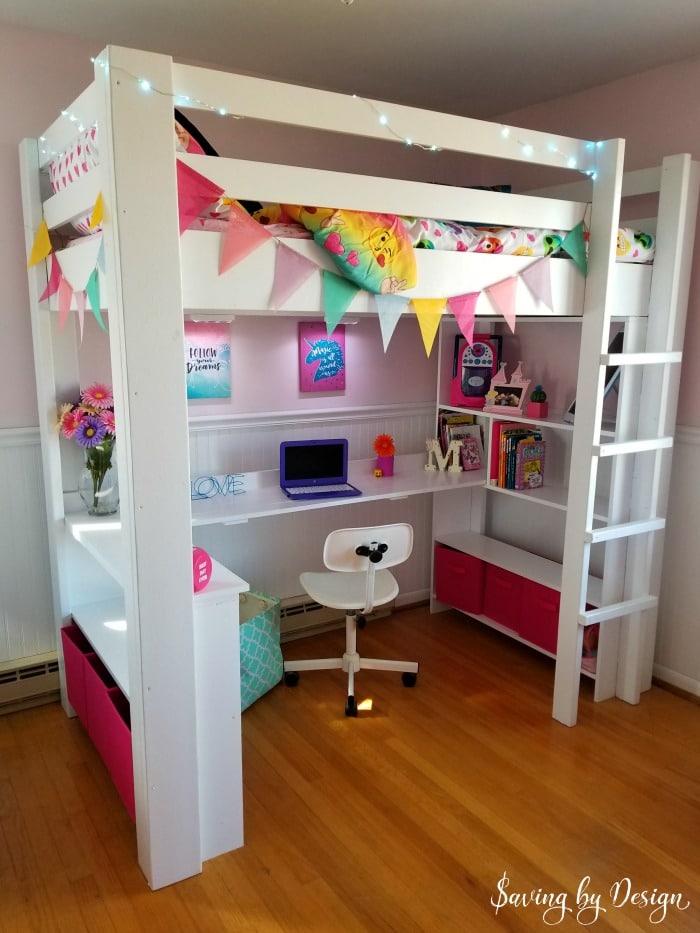
Credit: savingbydesign.com
Planning Your Desk Design
Planning your desk design under a bunk bed is the first step to a perfect workspace. This space needs to be practical and comfortable. Careful planning helps you use the area well. Think about what you need and how you will use the desk. A good plan saves time and effort later.
Determining Desk Dimensions
Start by measuring the space under the bunk bed. Note the height, width, and depth available. Leave some room for movement and comfort. The desk should fit well without feeling cramped. Consider the height needed for a chair and leg space. Measure your chair to match the desk height. A desk too high or low will cause discomfort.
Selecting Desk Features
Decide what features you want on your desk. Do you need drawers for storage? Maybe shelves for books or supplies? Think about cable management if you will use a computer. A smooth surface helps with writing and crafts. Choose materials that are easy to clean and sturdy. Features should match your daily tasks and style. Keep it simple but useful.
Gathering Materials And Tools
Building a desk under a bunk bed starts with gathering the right materials and tools. This step saves time and avoids frustration during the project. Having everything ready helps the work go smoothly and safely.
Focus on getting tools that fit your skills and materials that match your design. Quality tools and materials make the desk sturdy and long-lasting.
Essential Tools Checklist
- Measuring tape for accurate dimensions
- Power drill for quick screw driving
- Screwdriver set for different screw types
- Handsaw or circular saw for cutting wood
- Level to ensure even surfaces
- Clamps to hold pieces in place
- Sandpaper for smooth edges
- Pencil for marking measurements
- Safety goggles to protect eyes
- Work gloves for hand safety
Recommended Materials
- Wood boards, such as plywood or pine
- Wood screws suitable for furniture
- Wood glue for extra strength
- Paint or wood stain for finishing
- Brackets or metal supports
- Desk legs or sturdy wood pieces
- Drawer slides if adding drawers
- Protective finish like varnish
Building The Desk Frame
Building the desk frame is the first big step in creating a desk under your bunk bed. This frame holds everything together. It must be strong and fit well under the bed. A good frame gives your desk a solid base to work on. This part needs focus and care.
Use simple materials like wood or metal for the frame. Measure the space under your bunk bed carefully. The frame must fit the area perfectly. A well-built frame makes the desk stable and safe for daily use.
Constructing The Support Structure
Start by cutting the wood or metal to the right size. Make four legs that match the height under the bed. Connect them with side beams to make a rectangle shape. Use screws or bolts for a tight fit. Add a middle beam for extra support if the desk is wide.
Check all corners to make sure they are square. Use a level tool to keep the frame even. This step is key to avoid a shaky desk later. The support structure must hold the desk surface firmly.
Ensuring Stability And Safety
Stability is important for your desk frame. Add cross braces on the sides or back to stop wobbling. Tighten all screws and bolts fully. Use wood glue on joints for extra strength. Sand the edges smooth to avoid splinters or cuts.
Test the frame by pressing down on it gently. It should not move or creak. Make sure no parts stick out that can cause injury. A safe frame keeps your desk steady and protects you while working.
Installing The Desk Surface
Installing the desk surface under a bunk bed is an important step. It creates a sturdy, usable workspace. A good desk surface fits well and lasts long. This part guides you through choosing and attaching the desk top.
Choosing The Right Surface Material
Select a material that feels smooth and strong. Wood, plywood, or MDF boards work well. Wood offers a natural look and good strength. Plywood is lighter but still durable. MDF provides a smooth finish, perfect for painting.
Thickness matters. Aim for at least ¾ inch to avoid bending. The surface should fit the space exactly. Measure the area before buying the material. Choose a finish that resists scratches and stains. This keeps your desk looking good for years.
Attaching The Desk Top Securely
Secure attachment prevents wobbling and accidents. Use strong brackets or wooden cleats under the desk. Attach these supports firmly to the bunk bed frame. Place the desk top on the supports carefully.
Drill pilot holes before screwing to avoid wood splitting. Use screws suitable for the material and length. Check the desk top for levelness and adjust if needed. A stable surface makes working or studying easier and safer.

Credit: www.youtube.com
Adding Storage And Accessories
Adding storage and accessories under a bunk bed turns a simple desk into a practical workspace. Smart storage keeps the area tidy and saves space. Accessories improve comfort and make work easier.
Plan storage that fits your needs. Think about shelves for books and drawers for supplies. Lighting and power outlets are important too. They help you see clearly and keep devices charged.
Incorporating Shelves And Drawers
Shelves hold books, notebooks, and decorations. Use floating shelves to save floor space. Choose sturdy materials for long-lasting use.
Drawers keep pens, paper, and small tools organized. Install sliding drawers under the desk for easy access. Label each drawer to find items fast.
Combine open shelves and closed drawers for flexible storage. This mix keeps the desk neat and clutter-free.
Installing Lighting And Power Outlets
Good lighting reduces eye strain. Attach LED strip lights under the bunk bed frame. They give soft, even light across the desk.
Consider a desk lamp with adjustable brightness. It helps during late-night study sessions.
Power outlets close to the desk keep devices charged. Install a power strip with USB ports. This setup handles laptops, phones, and tablets easily.
Plan wiring carefully to avoid tangled cords. Use clips or channels to keep cables neat.
Finishing Touches
Finishing touches make your desk under the bunk bed look complete. They improve the desk’s feel and protect the wood. Small details can create a neat and cozy workspace.
Sanding And Painting
Start by sanding all surfaces smoothly. Sanding removes rough spots and splinters. Use fine-grit sandpaper for a soft finish. Wipe away dust with a dry cloth.
Choose paint or stain that fits your room’s style. Apply paint evenly in thin coats. Let each coat dry before the next. Paint protects the wood and adds color. A fresh look makes your desk inviting.
Organizing Desk Space
Keep your desk tidy with smart storage solutions. Use small containers for pens and tools. Add shelves or hooks for books and bags. A clean desk helps focus and work better.
Place items you use often within easy reach. Store less-used things in drawers or boxes. Organizing saves time and keeps clutter away. Your desk becomes a calm and useful space.
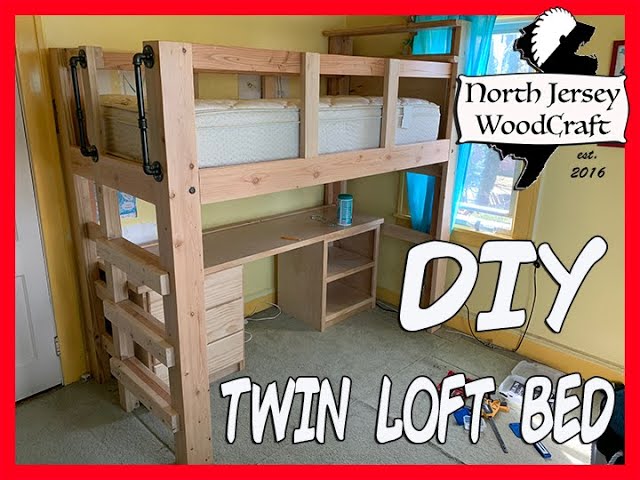
Credit: www.youtube.com
Maintenance Tips
Keeping your desk under a bunk bed in good shape takes simple care steps. Regular maintenance helps the desk last longer. It keeps the space safe and neat. Follow easy tips to maintain your desk well.
Regular Cleaning
Dust and dirt can build up fast on your desk. Use a soft cloth to wipe the surface often. Clean spills quickly to avoid stains. Avoid harsh cleaners that might damage the finish. A clean desk looks nice and works better.
Checking For Wear And Tear
Look at the desk parts regularly. Check screws, bolts, and joints for tightness. Loose parts can make the desk unsafe. Notice any cracks or splits in the wood. Fix small problems before they get bigger. This keeps your desk strong and steady.
Frequently Asked Questions
How Do I Measure Space For A Desk Under A Bunk Bed?
Measure the height from the floor to the bottom bunk. Also, check the width and depth available. This ensures your desk fits comfortably without crowding the space.
What Materials Are Best For Building A Bunk Bed Desk?
Choose sturdy materials like solid wood or metal. These provide durability and stability. Avoid lightweight materials that may not support weight well.
How Can I Maximize Storage Under A Bunk Bed Desk?
Incorporate shelves, drawers, or wall-mounted organizers. Use vertical space efficiently to keep the area tidy. This boosts functionality without sacrificing room.
What Tools Do I Need To Build A Desk Under A Bunk Bed?
Basic tools include a drill, saw, measuring tape, screws, and a level. These help you cut, assemble, and secure the desk properly.
Conclusion
Building a desk under a bunk bed saves space and adds function. Start with clear measurements and plan your design carefully. Use sturdy materials to ensure safety and durability. Take your time to assemble each part step by step. The final setup offers a cozy, practical work area.
Enjoy the extra room and comfort this project provides. Small changes can make a big difference in your space. Keep experimenting to fit your needs perfectly.