Are you wondering when your little one is ready to sleep in a big bed? Moving your toddler from a crib to a bigger bed is a big step, and it can feel confusing.
You want to make sure your child is safe, comfortable, and ready for this change. This guide will help you understand the right age to make the switch and how to make the transition smooth for both you and your toddler.
Keep reading to find out what signs to look for and how to prepare your child for a good night’s sleep in their new big bed.
Ideal Age For Big Bed Transition
Choosing the right time to move your toddler to a big bed is important. It helps your child feel safe and comfortable. The ideal age for this change varies for each child. Parents should watch for signs that their toddler is ready. This makes the transition smoother and less stressful for both.
Signs Your Toddler Is Ready
Your toddler climbs out of the crib often. They seem cramped or uncomfortable in the crib. Your child shows interest in the big bed. They can follow simple instructions. Nights without accidents become more common. These signs suggest your toddler may be ready to switch.
Common Age Ranges
Most toddlers move to a big bed between 18 months and 3 years. Some children stay in a crib longer. Others want to move earlier. Every child grows and learns at their own pace. Watching your toddler’s behavior helps decide the best time.
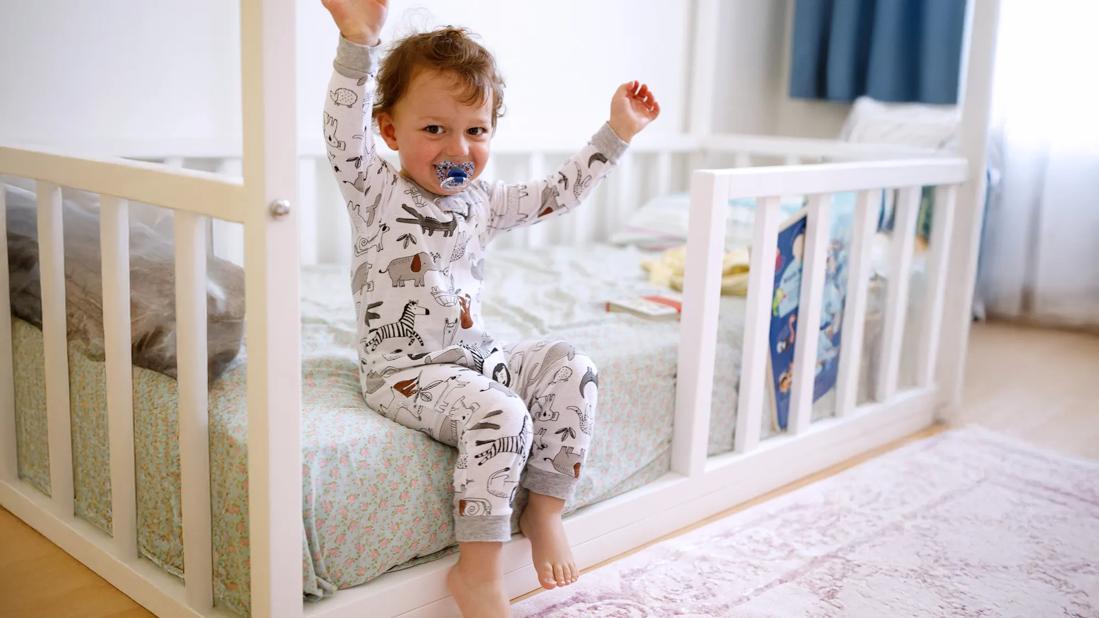
Credit: health.clevelandclinic.org
Benefits Of Moving To A Big Bed
Switching a toddler to a big bed brings many benefits for both child and parent. It marks a big step toward growing up. This change offers new comfort and safety. It helps build confidence and encourages healthy sleep habits.
Choosing the right time to make this move can improve your toddler’s sleep quality. The bigger bed gives more space to move freely. It supports your child’s natural development and independence.
Encouraging Independence
A big bed lets toddlers get in and out by themselves. It gives them control over their bedtime routine. This freedom helps children feel proud and confident. They learn to manage their own space and time. These skills are important for their growth.
Improved Sleep Quality
Big beds offer more room to stretch and move comfortably. Toddlers can find their best sleeping position. This leads to fewer wake-ups during the night. A comfortable bed helps children stay asleep longer. Better sleep means better mood and energy for the day.
Preparing The Toddler For The Change
Preparing a toddler for the big bed is an important step. It helps the child feel safe and excited about the change. Toddlers need time to get used to new things. Taking small steps makes the transition easier and less scary.
Introducing The Big Bed Gradually
Start by letting your toddler explore the big bed during the day. Let them sit, play, or lie down on it. This helps the bed feel familiar and fun. Try reading bedtime stories while sitting together on the big bed. Slowly, move their naps from the crib to the big bed. This slow change helps the toddler adjust without stress.
Creating A Comfortable Sleep Environment
Make the big bed cozy and inviting. Use soft sheets and favorite blankets. Add a few stuffed animals for comfort. Keep the room quiet and dim during bedtime. A nightlight can help if your toddler feels scared of the dark. A calm room helps the toddler relax and sleep better in the new bed.

Credit: www.amazon.com
Managing Toddler Sleep Challenges
Managing toddler sleep challenges can be tough for many parents. Toddlers often face new fears and habits as they move to a big bed. Understanding these challenges helps create a calm bedtime routine. Small changes can lead to better sleep for your child and you.
Handling Nighttime Wandering
Toddlers may get out of bed at night. They might explore or look for parents. Create clear boundaries to keep them safe. Use a baby gate or a door alarm. Tell your child that nighttime is for sleeping only. Consistent bedtime rules help reduce wandering. Praise your toddler when they stay in bed all night.
Dealing With Fears And Anxieties
New fears often appear at bedtime. Darkness and separation can cause anxiety. Use a nightlight to make the room less scary. Comfort your child with a favorite toy or blanket. Talk calmly about their worries before sleep. Reassure your toddler they are safe in their big bed. Gentle routines ease anxiety and build confidence.
Expert Tips For A Smooth Transition
Moving your toddler to a big bed can be exciting yet challenging. A smooth transition helps your child feel safe and comfortable. Experts suggest simple steps to make this change easier for both parents and toddlers. Creating a calm and predictable environment plays a key role.
Establishing A Consistent Bedtime Routine
Start by setting a bedtime routine that stays the same every night. This routine tells your toddler it is time to sleep. Include quiet activities like reading a book or gentle songs. Avoid screens or loud noises before bed. A calm routine helps your toddler relax and feel ready for sleep.
Keep bedtime at the same hour. Regular sleep times build good habits and improve sleep quality. Your toddler will learn to expect bedtime and feel more secure in the new bed.
Positive Reinforcement Techniques
Use praise to encourage your toddler during this change. Celebrate small wins like staying in bed all night. This builds confidence and makes your child want to repeat good behavior.
Reward systems, such as stickers or extra storytime, can motivate toddlers. Stay patient and consistent with praise. Avoid punishment, as it may cause fear or confusion.
Safety Considerations
Safety is the top priority when toddlers move to a big bed. Parents must make sure the sleep space is secure and comfortable. Toddlers explore and move a lot during sleep. This makes safety measures very important.
Choosing The Right Bed Size And Design
Pick a bed that fits your toddler’s size and room. A bed too big can feel scary and unsafe. Choose one with low height to prevent serious falls. Beds with built-in rails protect from rolling off. Avoid beds with sharp edges or loose parts. Simple designs often offer better safety for toddlers.
Securing The Sleep Area
Keep the sleep area free from hard objects or toys. Use guardrails or bed bumpers on both sides. Place the bed away from windows or cords. Ensure the mattress fits the bed frame snugly. Check regularly for any loose screws or parts. A safe sleep space helps toddlers rest without risks.

Credit: raisingchildren.net.au
Frequently Asked Questions
At What Age Should Toddlers Move To A Big Bed?
Toddlers typically transition to a big bed between 18 months and 3 years. This depends on their physical growth and readiness. Safety and comfort are key factors in deciding the right time to switch.
How To Know If A Toddler Is Ready For A Big Bed?
Signs include climbing out of the crib, showing interest in a big bed, and improved motor skills. Safety awareness and consistent sleep patterns also indicate readiness for the change.
What Are The Benefits Of A Big Bed For Toddlers?
Big beds offer toddlers more freedom and comfort. They promote independence and better sleep quality. It also helps in developing good sleep habits and reduces the risk of injury from climbing out.
How To Make Toddler’s Transition To A Big Bed Smooth?
Create a bedtime routine, use safety rails, and involve the toddler in bed selection. Gradual adjustment and positive reinforcement help ease the transition, making the toddler feel secure and comfortable.
Conclusion
Toddlers usually move to a big bed between ages 2 and 3. Every child is different, so watch for signs of readiness. Safety matters—use guardrails and a low bed if possible. Keep routines calm to help your child feel secure.
Patience helps during this big change in their life. A comfy, safe bed supports better sleep for toddlers. This step helps your child grow and gain independence. Stay calm, consistent, and supportive for smooth transitions.