Is your little one ready to move from their crib to a toddler bed? This big change can feel both exciting and a bit scary—for you and your child.
You might wonder when the right time is, how to make the switch smooth, and how to keep your toddler safe and happy during bedtime. In this guide, you’ll discover simple, practical steps to help your toddler feel comfortable and confident in their new bed.
Keep reading to learn how to make this transition easier for everyone and turn bedtime into a peaceful, stress-free routine.
Signs Your Toddler Is Ready
Knowing when your toddler is ready to switch to a toddler bed can make the transition smooth. Each child shows different signs. Parents should watch for key signals that show readiness. These signs help avoid stress and bedtime battles.
Physical Growth Indicators
Your toddler may outgrow their crib in size. Legs might stick out or feel cramped. They may start climbing out of the crib. This climbing is a safety risk. It often means the crib no longer suits their needs.
Behavioral Clues
Look for signs of independence at bedtime. Your toddler may resist naps or bedtime in the crib. They might want to get out and walk around. Staying still in the crib becomes harder. These actions show they are ready for change.
Interest In Big Kid Bed
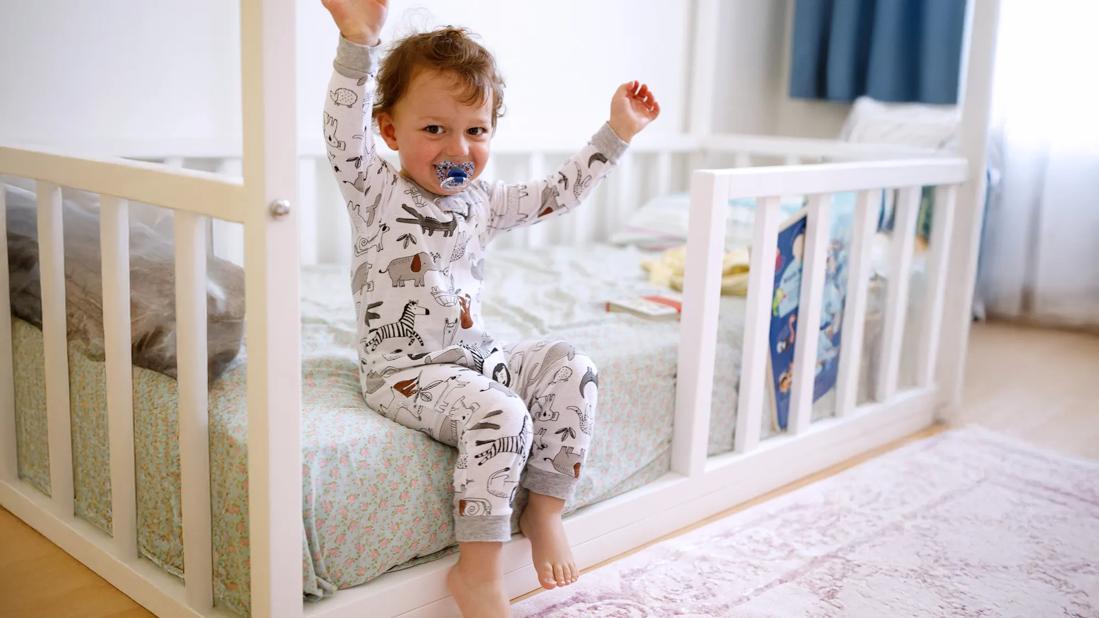
Your toddler might show curiosity about a big kid bed. They may ask questions or want to climb into an adult bed. Expressing interest is a good sign. It means they want to try a new sleeping space.
Credit: health.clevelandclinic.org
Choosing The Right Toddler Bed
Choosing the right toddler bed is an important step in your child’s growth. It helps them feel safe and comfortable during bedtime. Picking a bed that fits your child’s needs makes the transition smooth. Consider the size, safety, and design to match your toddler’s habits and room space.
Types Of Toddler Beds
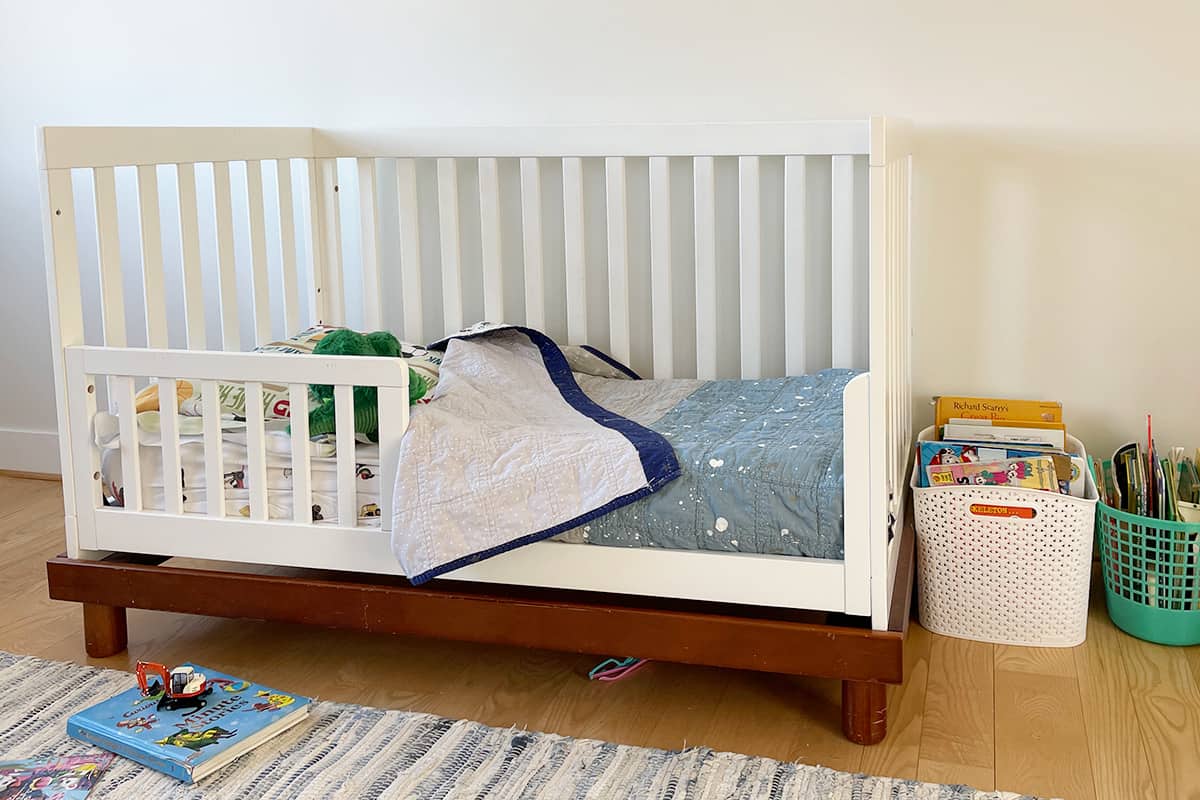
Toddler beds come in many styles. The most common is the low-to-the-ground bed. It makes climbing in and out easy for little ones. Some beds have rails on the sides to stop falls. Convertible beds change from crib to bed, saving money. Others look like small cars or animals, making bedtime fun.
Safety Features To Look For
Safety is the top priority for any toddler bed. Check for sturdy rails that keep your child from rolling out. Avoid beds with sharp edges or small parts that can be swallowed. The bed should be low to the floor to reduce injury risk. Also, choose non-toxic paint and materials to keep air clean and safe.
Comfort And Design
Comfort helps your toddler sleep well through the night. Choose a bed with a firm, supportive mattress that fits perfectly. Soft bedding adds warmth and coziness. Pick colors and designs your child will enjoy. A familiar or fun design can make bedtime more inviting and less scary.
Preparing The Bedroom
Preparing the bedroom is an important step when moving your toddler to a toddler bed. The room should feel safe and welcoming. A calm space helps your child relax and sleep better. Taking time to set up the bedroom can make the transition smoother.
Creating A Cozy Sleep Space
Choose soft bedding that your toddler likes. Use gentle colors to make the room calm. Add a small nightlight to ease any fears of darkness. Make sure the mattress is comfortable and fits the bed well. A cozy space invites your toddler to enjoy bedtime.
Removing Hazards
Check the room for any sharp or small objects. Secure furniture to the wall to prevent tipping. Cover electrical outlets and hide cords. Remove heavy items that could fall. A safe room protects your toddler and gives peace of mind.
Setting Up Familiar Items
Place your toddler’s favorite blanket or toy on the bed. Keep a familiar pillow or bedtime book nearby. These items provide comfort and help your child feel secure. Familiar things make the new bed less strange and more inviting.
Establishing A Bedtime Routine
Establishing a bedtime routine helps toddlers feel safe and ready for sleep. It creates a sense of order and calm before bed. This routine makes moving to a toddler bed easier for your child.
Consistent Sleep Schedule
Set a regular bedtime and wake-up time every day. Consistency helps your toddler’s body know when to sleep. Avoid big changes on weekends or holidays. A steady schedule supports better sleep habits and smoother transitions.
Calming Pre-sleep Activities
Choose quiet activities before bed, like reading or gentle cuddles. Avoid screens, loud noises, or active play. These calm moments help your child relax and prepare for sleep. Keep the routine short and simple to avoid overstimulation.
Using Positive Reinforcement
Praise your toddler for staying in bed and following the routine. Use kind words and small rewards to encourage good behavior. Positive feedback builds confidence and makes bedtime more pleasant. Celebrate small successes to motivate your child every night.
Introducing The Toddler Bed
Moving your child from a crib to a toddler bed is a big step. It marks growing independence and new bedtime routines. The toddler bed is lower to the ground, making it safer and easier for your child to get in and out. It helps them feel more grown-up and comfortable in their own space.
Start by showing the new bed as a fun and exciting place. Let your toddler explore it during the day. This helps reduce fear and builds positive feelings about bedtime. Use soft bedding and favorite toys to make the bed inviting. The goal is to create a calm and happy sleep environment.
First Night Tips
Prepare your toddler by sticking to the usual bedtime routine. Keep it calm and consistent. Stay close the first night to offer comfort and reassurance. Use a nightlight to help with any fears of the dark. Praise your child for staying in the bed. Small rewards can encourage good behavior.
Managing Resistance
Some toddlers may resist leaving the crib. Be patient and gentle but firm. Avoid turning bedtime into a battle. Offer choices like picking a blanket or a bedtime story. Consistency helps your child understand the new rules. Praise efforts and stay calm during setbacks.
Encouraging Independence
Let your toddler take part in bedtime tasks. Encourage them to get into bed by themselves. Teach them to ask for help if needed. Celebrate small wins to build confidence. This independence supports better sleep habits and a smooth transition.
Handling Night Wakings
Night wakings are common when toddlers move to a toddler bed. They may feel unsure or scared without the crib’s familiar sides. Handling these wakings with care helps your child feel safe. It also teaches them to settle back to sleep on their own. Staying calm and consistent makes the transition easier for everyone.
Comfort Without Reinforcing Bad Habits
Offer comfort with a soft voice and gentle touch. Avoid picking up your toddler every time they wake. This can teach them to expect being held to fall asleep. Instead, try patting their back or rubbing their tummy. Use a favorite blanket or stuffed toy to help them feel secure. Keep interactions calm and brief to avoid waking them fully.
Gentle Nighttime Responses
Respond quickly but quietly to your toddler’s calls. Use the same soothing words each time. Avoid turning on bright lights or playing games. This helps your toddler understand it is still bedtime. Slowly reduce your presence each night as they grow more confident. Stay patient; this process can take some time.
When To Seek Help
If night wakings last more than a few weeks, talk to a pediatrician. Frequent waking with crying or fear may signal other issues. Sleep problems can affect your toddler’s mood and health. A doctor can check for medical causes or suggest sleep strategies. Early help can make sleep easier for your whole family.
Maintaining Progress
Maintaining progress after moving your toddler to a toddler bed is important. Consistency helps your child feel safe and comfortable. It also supports better sleep habits over time. Stay patient and watch how your toddler adjusts. Small steps can lead to big success.
Celebrating Milestones
Recognize each small win your toddler makes. Praise helps build confidence and motivation. Celebrate staying in bed all night or following bedtime rules. Use simple rewards like extra storytime or a favorite snack. Positive attention encourages your toddler to keep going.
Adjusting Routine As Needed
Notice any changes in your toddler’s behavior or sleep. Adjust bedtime or nap times if your child seems tired or restless. Keep routines calm and predictable. Be flexible but firm to support healthy sleep habits. Sometimes small changes make a big difference.
Preparing For Future Transitions
Think ahead about the next steps in your toddler’s growth. Talk about new routines or changes gently and clearly. Introduce ideas like sleeping alone or moving rooms slowly. Preparing early makes future changes less stressful. Your toddler learns to adapt and feel secure.
Credit: www.yummytoddlerfood.com

Credit: www.whattoexpect.com
Frequently Asked Questions
When Is The Best Age To Switch To A Toddler Bed?
Most children transition between 18 months and 3 years. Watch for signs like climbing out of the crib or wanting independence. Ensure your toddler is physically and emotionally ready for the change to make the transition smooth and safe.
How To Make Toddler Bed Safe And Comfortable?
Use guardrails to prevent falls and choose a mattress that fits snugly. Remove sharp objects and keep the room clutter-free. Adding familiar blankets and toys helps your toddler feel secure and comfortable in the new bed.
How To Ease Toddler’s Fear Of New Bed?
Introduce the bed gradually by spending playtime near it. Use nightlights and bedtime routines to provide comfort. Praise your toddler for staying in bed to build confidence and reduce anxiety during the transition.
What Bedtime Routine Helps Toddlers Adjust To Toddler Bed?
Establish consistent routines like reading a story, brushing teeth, and cuddling. Keep bedtime and wake-up times regular. Predictable routines create a sense of security, helping toddlers adapt quickly to their new sleeping environment.
Conclusion
Transitioning your toddler to a big bed takes patience and care. Keep routines steady to help your child feel safe. Let your toddler explore the new bed at their own pace. Praise small successes to build their confidence. Expect some nights to be tricky, but stay calm.
This change helps your toddler grow and gain independence. Enjoy watching your little one take this big step. Every child adapts differently, so be patient and kind. Your support makes this transition smoother for both of you.