Are you wondering how long your little one should stay in a toddler bed? It’s a common question that many parents face as their child grows.
You want to make the right choice to keep your child safe, comfortable, and happy. Knowing the right time to transition out of a toddler bed can save you from sleepless nights and worries. You’ll discover clear signs that it’s time to move on and helpful tips to make the change smooth for both you and your child.
Keep reading to find out exactly what you need to know!
Signs Your Toddler Is Ready
Knowing when to move your toddler to a bed can be tricky. Watch for clear signs that show readiness. These signs help make the switch safe and smooth. Observe your child closely to decide the best time.
Here are key signs to notice before moving your toddler to a bed.
Physical Growth Indicators
Your toddler grows fast. Check if they can climb out of the crib easily. This is a sign the crib is no longer safe. Also, see if they can sit up and get in and out of bed on their own. Stronger muscles help with this. Their size might feel cramped in the crib. These physical changes show they are ready for a bigger space.
Behavioral Changes
Some toddlers start asking about beds or show interest in sleeping like big kids. They may resist naps or bedtime in the crib. Sometimes, they try to escape the crib. These actions hint they want a change. Toddlers who want more independence often welcome a bed. Watch for signs they want control over their space.
Sleeping Patterns
Sleep habits shift as toddlers grow. They might wake up often or have trouble falling asleep in the crib. A bed can feel more comfortable and less confining. If your toddler sleeps longer and more soundly outside the crib, it’s a good sign. A steady sleep routine also helps with the transition. Pay attention to how your toddler sleeps each night.
Typical Age Range For Transition
Transitioning your child from a crib to a toddler bed is a big step. Knowing the typical age range helps parents plan this change smoothly. Kids grow at different rates, so the right time varies. Watch your child’s readiness signs for a stress-free move. This section explains the average age milestones and differences among toddlers.
Average Age Milestones
Most children move to a toddler bed between 18 months and 3 years. Around two years old is common. By this age, many toddlers start climbing out of cribs. Safety concerns often prompt parents to switch beds. At this stage, toddlers also develop better motor skills. They can climb in and out of bed safely. Sleep patterns become more regular, which helps with the transition.
Variations Among Toddlers
Every child is unique, so ages vary widely. Some may be ready as early as 15 months. Others prefer the crib until closer to 3 years old. Factors like temperament and physical growth affect timing. Some toddlers feel more secure in their crib longer. Parents should consider their child’s comfort and confidence. The transition should feel natural, not rushed or forced.
Benefits Of Toddler Beds
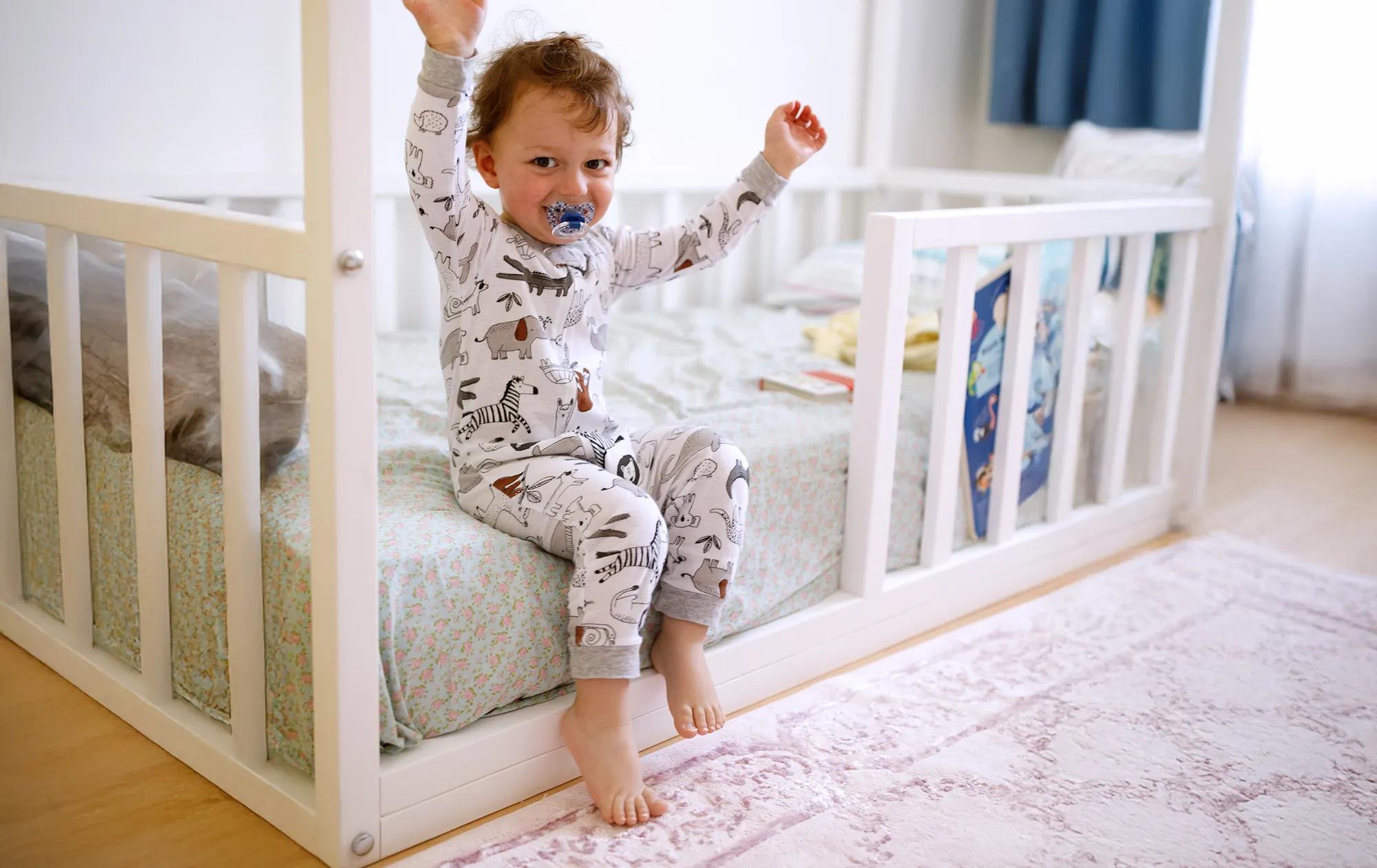
Toddler beds offer many advantages for young children and parents. They help kids move from a crib to a bigger bed. This change supports their growth and independence. Toddler beds make sleeping safer and more comfortable. They also help children feel secure in their own space. These benefits make toddler beds a great choice for early childhood.
Safety Features
Toddler beds have low frames to prevent big falls. They often include guardrails to keep children from rolling out. The bed size fits small bodies perfectly. This reduces the risk of injury during sleep. Parents can rest easy knowing their child sleeps safely. Safety is a key reason to choose a toddler bed.
Comfort And Familiarity
Toddler beds use soft mattresses for a cozy feel. The bed size helps children feel snug and calm. Many kids bring favorite blankets or toys to bed. This creates a familiar and comforting environment. Comfort encourages better sleep and less fear at bedtime. A toddler bed feels like a special place just for them.
Challenges During Transition
Moving a toddler to a new bed brings many challenges. This change can disrupt sleep habits and cause stress for both child and parent. Understanding common issues helps ease the transition. Patience and consistency matter most during this time.
Sleep Resistance
Toddlers may refuse to sleep in their new bed. They might ask for extra stories or want to stay up longer. This behavior is normal as they adjust to the new space. Keeping a calm bedtime routine helps reduce resistance.
Nighttime Wandering
Some toddlers leave their bed during the night. They may explore the house or come to the parent’s room. This can be unsafe and disrupt everyone’s sleep. Setting clear boundaries and using a baby gate can help prevent wandering.
Separation Anxiety
Leaving a crib can increase fear and anxiety at night. Toddlers may cry or call for parents more often. Offering comfort and reassurance helps them feel safe. Staying close until they fall asleep builds trust and calmness.
Tips For A Smooth Transition
Changing from a crib to a toddler bed is a big step. It can feel strange for your child at first. A smooth move helps your child feel safe and happy. These tips make the change easier for both of you.
Preparing The Room
Make the room calm and welcoming. Use soft lighting and familiar toys. Place the toddler bed in a cozy spot. Let your child help arrange the bedding. This creates excitement and comfort. Remove sharp or dangerous items nearby. Safety is key for peaceful sleep.
Establishing A Bedtime Routine
Keep the routine simple and steady. Bath, story, and hugs work well. Follow the same steps every night. This signals bedtime and calms your toddler. Avoid screens and loud noises before sleep. A quiet room helps your child relax. Consistency builds trust and good sleep habits.
Positive Reinforcement
Praise your child for sleeping in the new bed. Use kind words and smiles. Small rewards like stickers work well too. Celebrate even small successes to boost confidence. Stay patient if your child resists. Encourage gently and keep routines steady. Positive feelings make the new bed a happy place.

Credit: newmodernmom.com
When To Move Beyond The Toddler Bed
Knowing when to move beyond the toddler bed is key for your child’s comfort and safety. The toddler bed suits children who have outgrown their crib but still need a cozy, smaller sleeping space. At some point, your child will need a larger bed that fits their growing body and changing needs. Watch for signs that show your child is ready to upgrade to a twin bed.
Signs To Upgrade To A Twin Bed
Your child climbs out of the toddler bed often. This can be unsafe and shows the bed is too small. Your child’s feet hang over the edge of the bed. This means the bed no longer fits their size. Your child asks for a bigger bed or talks about sleeping with siblings. These are clear signs they want more space. Growth spurts often make children feel cramped in toddler beds. Their need for comfort and space grows quickly.
Safety Considerations
Safety is the top priority when moving beyond a toddler bed. A twin bed usually lacks guardrails, so falls can happen. Teach your child how to get in and out safely. Place the bed away from windows or sharp furniture. Use a low bed frame or mattress on the floor to reduce fall risks. Check the mattress size matches the bed frame well. Remove any loose bedding that can cause suffocation. Make sure the new bed fits your child’s room comfortably to avoid accidents.
Common Parent Concerns
Parents often worry about their toddler’s sleep in a new bed. Questions arise about safety and comfort. Many wonder how to handle new challenges that come with this change.
Concerns about nightmares, bedtime refusals, and siblings sharing a room are common. These issues can affect how long a child stays in a toddler bed. Understanding these worries helps parents support their child better.
Handling Nightmares
Toddlers may have more nightmares in a toddler bed. The new space can feel big and strange. Comforting your child calmly is important. Use a nightlight to make the room less scary. Talk about happy things before sleep. Reassure your child that they are safe.
Dealing With Bedtime Refusals
Some toddlers refuse to stay in their bed. They might want to come to your bed instead. Keep a consistent bedtime routine. Make the bed inviting with favorite blankets or toys. Be patient and gentle but firm. Reward good bedtime behavior with praise.
Managing Sibling Sharing
Sharing a room can cause trouble at bedtime. Siblings may disturb each other’s sleep. Set clear rules about quiet time. Use separate beds and personal space. Encourage respect for each other’s sleep needs. This helps toddlers feel secure and peaceful.

Credit: www.lilbabysleep.com
Credit: health.clevelandclinic.org
Frequently Asked Questions
When Is The Right Time To Transition To A Toddler Bed?
The best time to switch is when your child is 18 months to 3 years old. Look for signs like climbing out of the crib or showing interest in a bigger bed.
How Long Do Toddlers Typically Stay In Toddler Beds?
Most toddlers stay in toddler beds for 1 to 3 years. This depends on their size, comfort, and readiness to move to a bigger bed.
What Are The Signs To Move From Toddler Bed To A Big Bed?
Signs include outgrowing the bed, climbing out frequently, or needing more space. Also, when they show readiness for a bigger bed, it’s time to transition.
Can Toddlers Safely Sleep In Toddler Beds Overnight?
Yes, toddler beds are designed for safety with low height and guardrails. They provide a secure space for toddlers to sleep comfortably through the night.
Conclusion
Choosing how long your toddler stays in their bed depends on many factors. Watch your child’s comfort and safety first. Some toddlers may stay for months, others for years. Growth, behavior, and sleep habits all matter. Trust your instincts and keep routines steady.
Change the bed when your toddler feels ready and secure. This helps them sleep well and feel happy. Every child is different. Patience and care make the transition smooth and easy.