Looking to add a fun and practical touch to your child’s bunk bed? Building a bunk bed ladder yourself is easier than you think.
With just a few simple tools and materials, you can create a sturdy ladder that fits perfectly and keeps your little one safe. Imagine the pride you’ll feel showing off a ladder you made with your own hands—designed exactly how you want it.
Keep reading, and you’ll discover step-by-step tips that make this project quick, safe, and enjoyable for you and your family. Your child’s new favorite ladder is just a few easy steps away!
Choosing The Right Materials
Choosing the right materials is key to building a safe and strong kids bunk bed ladder. The materials affect the ladder’s durability and how secure it feels. Picking good wood, tools, and hardware helps create a ladder that lasts. It also keeps children safe while climbing. This section covers the best choices for wood, tools, and hardware.
Selecting Safe Wood Types
Choose wood that is strong and smooth. Pine and oak are common choices for bunk bed ladders. Pine is soft and easy to work with. Oak is harder and lasts longer. Avoid wood with cracks or knots. Sand the wood well to prevent splinters. Make sure the wood has no sharp edges.
Gathering Necessary Tools
Collect tools before starting the project. You will need a saw to cut the wood. A drill is important for making holes. Sandpaper smooths rough surfaces. A measuring tape keeps your cuts accurate. Safety gear like goggles and gloves protects you. Using the right tools makes work easier and safer.
Buying Quality Hardware
Pick hardware that holds the ladder firmly. Use strong screws and bolts made of steel. Avoid cheap nails that can loosen over time. Brackets add extra support to the ladder frame. Check that all hardware fits your wood size. Good hardware keeps the ladder stable and safe for kids.

Credit: www.amazon.com
Measuring And Planning
Measuring and planning are the first steps to make a safe kids bunk bed ladder. Careful measurements help avoid mistakes and keep the project on track. Planning helps decide the ladder’s size and shape. This step makes building easier and safer for your child.
Determining Ladder Height
Measure the height from the floor to the top bunk. Use a tape measure for accuracy. Write down this number. The ladder must reach the top bunk’s edge safely. Add a few inches for the ladder’s base to rest on the floor. This ensures stability and ease of climbing.
Spacing The Steps
Decide how far apart the ladder steps will be. Steps too close make climbing slow and tiring. Steps too far make climbing hard and unsafe. Space the steps about 8 to 10 inches apart. This distance suits most children’s legs and feet. Mark the step positions clearly on the ladder frame.
Sketching A Ladder Design
Draw a simple ladder design on paper. Include the height, step spacing, and width. Label all parts clearly for easy reference. This sketch acts as a guide during building. It helps visualize the final ladder shape. Adjust the design if something looks off before cutting wood.
Cutting And Preparing Wood
Cutting and preparing wood is an important step in making a kids bunk bed ladder. This process ensures the wood pieces fit well and are safe for children. Proper preparation makes the ladder strong and smooth. It also helps avoid accidents during and after building. Follow simple steps to mark, cut, and smooth the wood carefully.
Marking Cut Lines
Start by measuring the wood pieces needed for the ladder. Use a pencil and ruler to mark the cut lines clearly. Mark each piece carefully to avoid mistakes. Check measurements twice before cutting. Straight and accurate lines make the cutting process easier and safer.
Using Power Tools Safely
Choose the right saw for your wood type and thickness. Always wear safety glasses and gloves when using power tools. Keep your fingers away from the blade. Cut slowly and steadily along the marked lines. Turn off the tool before making any adjustments. Safety prevents injuries and keeps the project on track.
Sanding For Smooth Edges
After cutting, sand all edges and surfaces to remove splinters. Use fine-grit sandpaper for a smooth finish. Sand in the direction of the wood grain to avoid scratches. Smooth edges keep the ladder safe for kids to use. Take your time sanding every piece thoroughly.

Credit: www.maxtrixkids.com
Assembling The Ladder Frame
Assembling the ladder frame is the key step in making a kids bunk bed ladder. It sets the base for a strong and safe ladder. Careful work here ensures the ladder will hold up well over time. Follow each step slowly and check your work as you go. This helps avoid mistakes and creates a sturdy frame.
Joining Side Rails And Steps
Start by placing the side rails parallel on a flat surface. Space them evenly for balance and safety. Position the steps between the rails at equal distances. Mark the spots on the rails where each step meets. This helps keep the ladder straight and even. Attach the steps by pressing them firmly against the rails before fixing.
Using Screws And Brackets
Use screws to secure the steps to the side rails. Choose screws that fit the wood thickness well. Insert screws through pre-drilled holes to avoid splitting the wood. Add metal brackets at each joint for extra strength. Tighten all screws and brackets firmly, but do not over-tighten. This keeps the wood safe and the ladder steady.
Checking For Stability
Once assembled, check the ladder for wobbles or loose parts. Press on each step to test its hold. Shake the frame gently to find any weak spots. Tighten screws or add brackets where needed. Make sure the ladder stands straight and feels solid. A stable ladder means safer climbing for kids.
Adding Safety Features
Adding safety features to your kids’ bunk bed ladder is very important. It helps prevent slips, falls, and injuries. Making the ladder safe gives parents peace of mind. Kids can climb up and down with confidence and ease.
Simple safety steps can make a big difference. Focus on non-slip surfaces, strong attachment, and smooth edges. These small changes protect children during use.
Installing Non-slip Treads
Non-slip treads stop feet from slipping off the ladder. Use rubber or textured tape on each step. These materials grip shoes and bare feet well. Make sure the treads cover the entire step surface. Check often and replace worn treads to keep safety high.
Securing The Ladder To The Bed
Attach the ladder tightly to the bunk bed frame. Use screws or brackets designed for ladders. A loose ladder can move and cause accidents. Test the ladder by pushing and pulling gently. It should not wobble or shift. Secure connections keep the ladder steady and safe.
Rounding Sharp Corners
Sharp corners can hurt children during play or climbing. Sand down all edges and corners until smooth. Use a round file or sandpaper for best results. Rounded corners reduce the risk of cuts and bruises. Check the ladder regularly to maintain smooth edges.
Finishing Touches
Finishing touches give your kids bunk bed ladder a polished look. They make the ladder safe and ready to use. Take your time to do these steps carefully. A well-finished ladder lasts longer and stays strong.
Focus on safety and appearance. The right finish protects the wood and keeps children safe. Follow each step to complete your project perfectly.
Applying Child-safe Paint Or Varnish
Choose paint or varnish that is safe for children. Look for non-toxic, low-VOC products. These keep the air clean and avoid harmful chemicals.
Use a brush or roller to apply a thin, even coat. Cover all surfaces of the ladder. This protects the wood from moisture and wear.
Apply at least two coats for better protection. Let each coat dry before adding the next. Avoid thick layers to prevent drips and uneven spots.
Allowing Proper Drying Time
Drying time is very important for a strong finish. Place the ladder in a dry, dust-free area. Good airflow helps the paint or varnish dry faster.
Do not rush this step. Wait for the recommended time on the product label. Touch the surface gently to check if it feels dry.
Proper drying ensures the finish will not peel or stick. It also keeps the ladder safe from sticky spots that can cause accidents.
Final Safety Inspection
Check the ladder carefully before use. Look for sharp edges or rough spots. Sand any areas that feel rough to the touch.
Make sure all screws and nails are tight and flush. Loose parts can cause injuries or accidents.
Test the ladder’s stability. It should not wobble or shift. Confirm it is strong enough to hold a child’s weight safely.
Maintenance Tips
Maintaining a kids bunk bed ladder is important for safety and durability. Regular care helps keep the ladder strong and safe for children. Simple steps can prevent accidents and extend the ladder’s life.
Regularly Checking Fasteners
Check all screws, bolts, and nuts often. Tighten any loose fasteners to keep the ladder steady. Loose parts can cause wobbling and accidents. Use the right tools to secure fasteners properly. Inspect the ladder before each use to catch issues early.
Cleaning And Upkeep
Clean the ladder regularly to remove dust and dirt. Use a soft cloth and mild soap for wooden ladders. Avoid harsh chemicals that can damage the finish. Dry the ladder completely to prevent slipping. Clean ladders stay safe and look good longer.
Replacing Worn Parts
Replace any broken or worn parts immediately. Look for cracks, splinters, or weak spots on the wood. Swap out damaged screws or bolts with new ones. Using strong, quality parts keeps the ladder safe. Don’t wait until the ladder is unsafe to fix it.
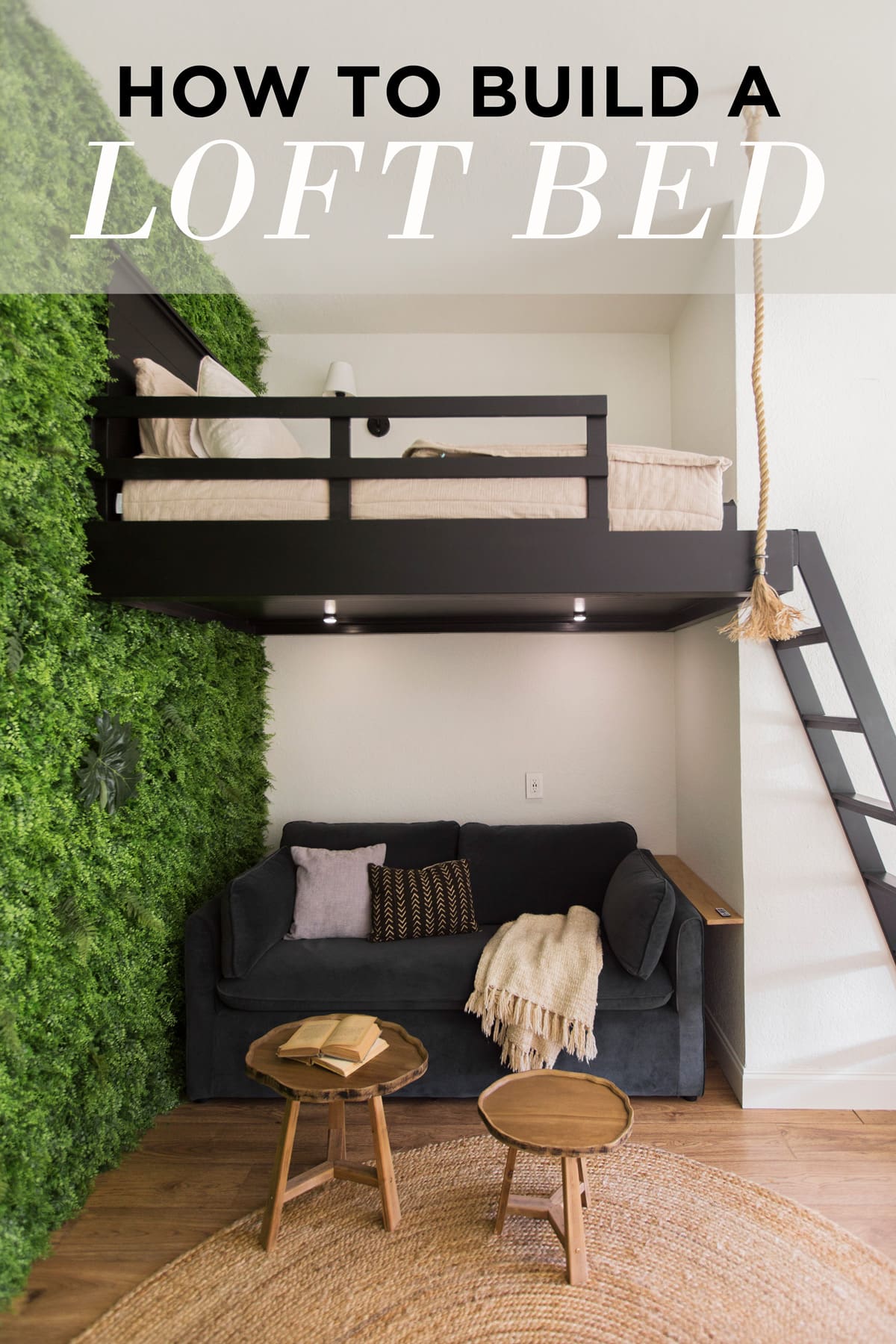
Credit: www.jennasuedesign.com
Frequently Asked Questions
What Materials Are Needed For A Kids Bunk Bed Ladder?
You need sturdy wood, screws, a drill, sandpaper, measuring tape, and wood finish. These ensure safety and durability.
How Do I Ensure The Ladder Is Safe For Kids?
Use smooth, splinter-free wood, secure steps firmly, and check for sharp edges. Proper spacing and weight support are crucial.
What Is The Best Wood Type For A Bunk Bed Ladder?
Hardwoods like oak, maple, or birch are ideal. They provide strength, durability, and resist wear over time.
How Do I Attach The Ladder To The Bunk Bed?
Secure the ladder with screws at the top rail and bottom support. Ensure it is tightly fixed to prevent movement.
Conclusion
Building a kids bunk bed ladder can be simple and fun. Use safe materials and measure carefully for best results. A sturdy ladder helps children climb up and down easily. Take your time and follow each step closely. This project adds a personal touch to your child’s room.
Enjoy the process and create something useful and safe. Your kids will love having a ladder made just for them. Keep safety in mind and double-check all connections. A well-made ladder lasts for years and brings joy daily.