Are you ready to transform your bunk bed into a stylish loft bed? Imagine having extra space underneath for a cozy desk, a play area, or extra storage—all by making a simple change.
You don’t need to buy a new bed or spend a fortune. With a few easy steps, you can give your room a fresh look and make your space work harder for you. Keep reading, and you’ll discover exactly how to make your bunk bed a loft bed—quickly, safely, and without hassle.
Benefits Of Loft Beds
Loft beds offer many benefits beyond a simple sleeping space. They help make rooms feel larger and more organized. Changing a bunk bed into a loft bed creates new possibilities for your room. This change can bring more comfort and function to small rooms or shared spaces.
Maximizing Space
Loft beds lift the bed off the floor. This frees up floor space for other uses. You can use the area underneath for study, play, or storage. This setup is perfect for small rooms. It helps you use every inch of space wisely.
Versatile Room Layouts
The open space under a loft bed allows many design options. You can place a desk, a sofa, or shelves below. This makes the room feel less crowded. Changing furniture under the bed is easy. It lets you update the room as needs change.
Enhanced Storage Options
Using the space under a loft bed for storage keeps things tidy. You can add drawers, boxes, or shelves. This reduces clutter and keeps the room neat. Extra storage helps especially in small rooms. It gives a place for toys, books, and clothes.
Credit: prettyhandygirl.com
Tools And Materials Needed
Transforming a bunk bed into a loft bed needs specific tools and materials. Collecting everything before starting makes the job smoother. This section lists what you need to complete the project safely and effectively.
Essential Tools
- Power drill for screwing and drilling holes
- Screwdriver set to tighten screws properly
- Measuring tape to get exact dimensions
- Level to ensure the bed frame is straight
- Wrench for bolts and nuts
- Hammer for light tapping and adjustments
- Safety goggles to protect your eyes from dust
Required Materials
- Wooden planks or metal bars for extra support
- Strong screws and bolts to hold parts together
- Brackets or corner braces for stability
- Sandpaper to smooth rough edges
- Paint or finish to protect and decorate the bed
- Guardrails to prevent falls from the loft bed
Safety Equipment
- Work gloves to protect your hands
- Dust mask to avoid breathing sawdust
- Ear protection if using loud power tools
- Proper footwear to guard feet from dropped tools
- Clear workspace to prevent trips and falls
Preparing The Bunk Bed
Preparing the bunk bed is the first step to turn it into a loft bed. This stage involves careful work to make sure the bed is safe and ready. Take your time and follow the steps below for best results.
Removing The Lower Bed
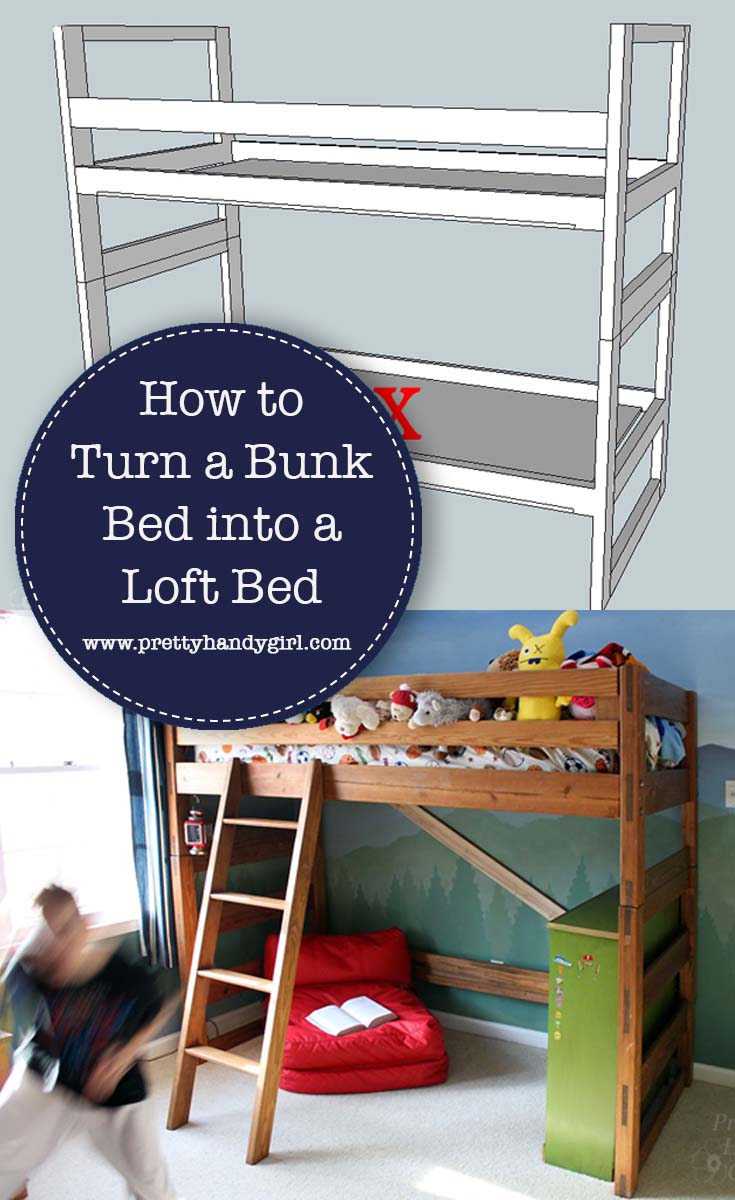
Start by taking off the lower bed frame. Remove the mattress and bedding. Use a screwdriver to unscrew the slats and side rails. Keep the screws in a safe place. This clears the space below for the loft style.
Checking Structural Integrity
After removing the lower bed, check the remaining frame. Look for cracks, loose joints, or weak spots. Test the frame by gently shaking it. Tighten any loose screws or bolts. This step ensures the loft bed will be strong and stable.
Cleaning And Sanding
Clean the entire frame with a damp cloth. Remove dust and dirt from all surfaces. Use sandpaper on rough or splintered areas. Sanding smooths the wood and prevents injuries. Wipe the frame again to remove dust before painting or finishing.

Credit: www.youtube.com
Raising The Bed Frame
Adding safety features is important when turning a bunk bed into a loft bed. Loft beds are higher off the ground, so safety helps prevent accidents. Proper safety measures protect children and give parents peace of mind.
Focus on three main areas: guardrails, ladder security, and stability. Each part plays a key role in keeping the bed safe and steady. Let’s explore how to add these safety features effectively.
Installing Guardrails
Guardrails stop anyone from falling off the bed. Install guardrails along all open sides of the loft bed. Use sturdy materials like wood or metal for strength. The rails should be at least 5 inches above the mattress. Check that the rails have no gaps larger than 3.5 inches. Secure the guardrails tightly to avoid movement.
Securing The Ladder
The ladder must stay firmly in place for safe climbing. Attach the ladder to the bed frame using strong screws or bolts. Avoid ladders that wobble or slide. Place non-slip pads under ladder feet to prevent slipping. Make sure the ladder steps are wide and spaced evenly. Test the ladder by climbing up and down several times.
Ensuring Stability
A stable loft bed does not shake or tip over easily. Check all bed joints and connections for tightness. Use brackets or braces to strengthen weak spots. Place the bed on a flat, even floor surface. Avoid placing the bed near windows or heavy furniture. If possible, anchor the bed to the wall for extra support.
Adding Safety Features
Customizing a loft bed transforms it from a simple sleeping space to a functional area. Personal touches make the loft bed fit your room and style. Small changes can boost comfort and utility.
Painting And Finishing
Paint the loft bed in colors that match your room. Use light colors for a bright, open feel. Dark colors create a cozy, warm space. Choose non-toxic, safe paint for children’s rooms. Add a clear finish to protect the wood. This step keeps the bed looking new for years.
Adding Storage Solutions
Use shelves under the loft bed for books and toys. Install drawers for clothes or bedding. Hanging organizers save space and keep things tidy. Storage bins fit perfectly under the loft bed. These options help keep the room neat and organized. Storage makes the loft bed more than just a bed.
Incorporating Workspace
Create a desk area beneath the loft bed for study or crafts. Use a small table or a built-in desk for space-saving. Add a comfortable chair and good lighting. Keep supplies within easy reach with wall-mounted holders. A workspace under the loft bed makes learning fun and easy. This setup uses room space smartly.
Customizing The Loft Bed
Turning a bunk bed into a loft bed can save space and add style. Safety and maintenance are key to keep it sturdy and secure. Regular checks and following safety rules help prevent accidents. This section covers important tips to keep your loft bed safe and lasting long.
Regular Inspections
Check the bed frame often for loose screws or cracks. Tighten any bolts or nuts you find. Look for worn or broken parts. Fix or replace damaged pieces immediately. Keep the bed clean from dust and dirt. A clean bed lasts longer and stays strong.
Weight Limits
Know the bed’s weight limit before using it. Do not let anyone exceed this limit. Too much weight can weaken the bed frame. Follow the manufacturer’s weight guidelines carefully. Make sure the mattress weight fits within the limit too. Staying under the weight limit keeps the bed safe.
Child Safety Guidelines
Use guardrails on all sides of the loft bed. Make sure guardrails are strong and secure. Avoid placing the bed near windows or sharp objects. Teach children to climb carefully on the ladder. Remove toys or clutter from the bed area. These steps reduce the risk of falls and injuries.
Credit: www.youtube.com
Frequently Asked Questions
How Do You Convert A Bunk Bed Into A Loft Bed?
To convert a bunk bed into a loft bed, remove the bottom bunk frame carefully. Ensure the upper bed is secure and stable. Add safety rails if needed. This creates an open space underneath for storage or a desk, maximizing room functionality.
What Tools Are Needed To Make A Bunk Bed A Loft Bed?
You need basic tools like a screwdriver, wrench, and drill. A measuring tape and level help ensure accuracy. Safety gear like gloves and goggles is essential. These tools assist in disassembling and reinforcing the bed for loft conversion.
Is It Safe To Convert A Bunk Bed Into A Loft Bed?
Yes, if done properly with sturdy materials and secure fastening. Check weight limits and stability before use. Adding guardrails and ensuring a solid ladder improves safety. Always follow manufacturer guidelines or consult a professional when unsure.
How Much Space Do I Save With A Loft Bed Conversion?
Converting to a loft bed frees up the floor area beneath the mattress. This can save several square feet, ideal for small rooms. The space can be used for a desk, storage, or play area, enhancing room organization and functionality.
Conclusion
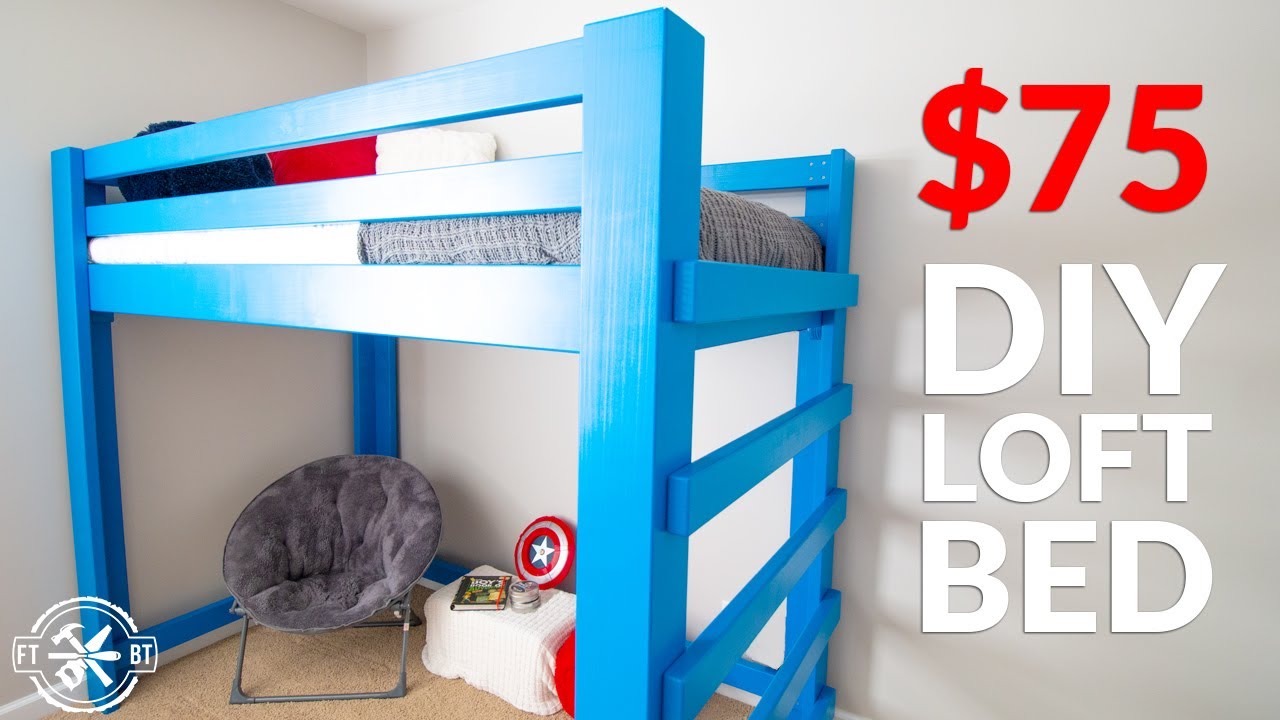
Transforming a bunk bed into a loft bed saves space and adds style. It creates extra room underneath for play or storage. Simple changes like removing the bottom bunk make a big difference. Always check the bed’s stability before use.
With some effort, you can make a cozy loft bed. This upgrade suits small rooms and growing kids. Try it yourself and enjoy the new look and feel. A loft bed can brighten any bedroom easily.