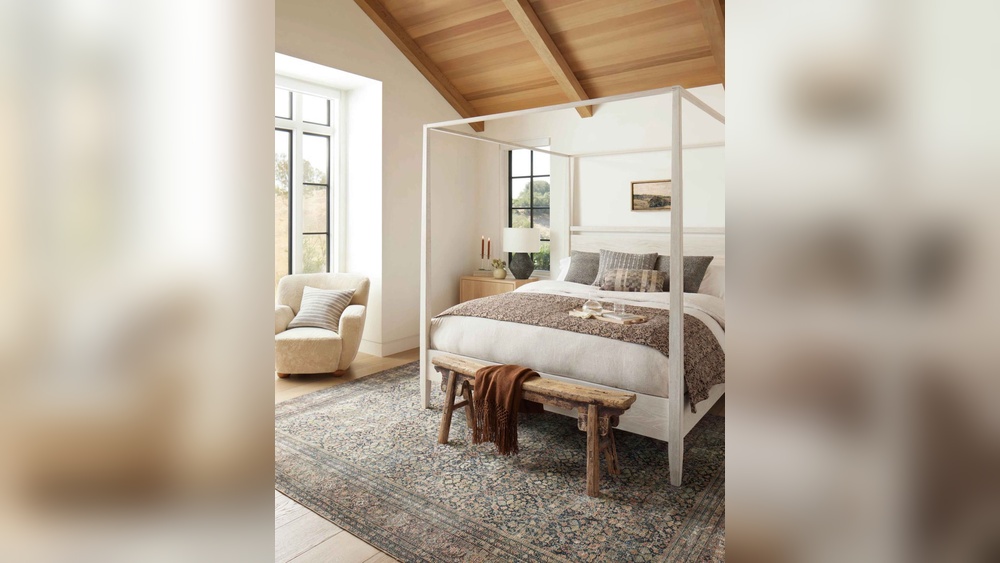
When it comes to decorating your home, you might wonder: should your bathroom and bedroom furniture colors match? You want your space to feel comfortable and stylish, but mixing colors between rooms can be tricky.
If each room looks completely different, your home might feel disjointed or smaller than it really is. Yet, making everything exactly the same can feel dull and uninspired. So, how do you find the right balance? Keep reading, and you’ll discover smart tips to create a smooth flow between your bathroom and bedroom—without losing your personal touch or style.
Your home’s harmony is closer than you think!
Color Flow Between Rooms
Color flow between rooms plays a big role in how your home feels. It sets the tone and helps spaces feel connected. Matching colors exactly is not needed. Instead, aim for harmony that gently guides the eye from one room to the next.
Good color flow prevents rooms from feeling isolated. It makes your home appear larger and more inviting. Thoughtful color choices create balance and rhythm in your living space.
Creating Smooth Transitions
Smooth transitions between rooms use colors that share similar tones or hues. For example, a soft blue in the bedroom can flow into a muted green in the bathroom. These colors are different but still relate to each other.
Use neutral shades as a base to unify spaces. Whites, grays, and beiges work well to link bedrooms and bathrooms. They provide a calm backdrop and let accent colors shine without clashing.
Repeating one or two colors throughout rooms also helps. This creates a thread that connects your spaces without making them look identical. The goal is gentle movement from one area to the next.
Avoiding Choppy Spaces
Choppy spaces feel disconnected and small. This happens when colors clash or change abruptly between rooms. Strong contrasts without a linking element break the visual flow.
To avoid this, plan your palette with care. Choose colors that complement each other rather than fight. Avoid using too many bold colors in adjacent rooms.
Furniture colors can help smooth transitions too. Select pieces with finishes or tones that echo your wall colors. This ties rooms together and stops the eye from jumping around.

Credit: marissacalhome.com
Matching Vs. Mixing Furniture Colors
Choosing between matching or mixing furniture colors in your bathroom and bedroom can shape the feel of your home. Both styles offer unique looks and moods. Matching colors create harmony and calmness. Mixing colors brings energy and personality. Understanding the benefits of each approach helps you decide what suits your space best.
Benefits Of Matching Colors
Matching furniture colors give a clean and unified look. This style makes rooms feel larger and less busy. It is easier to decorate because everything blends well. Matching shades create a peaceful and relaxing atmosphere. This is ideal for bedrooms and bathrooms where calmness is key. It also helps maintain a smooth flow from one room to another. Matching colors can be timeless and easy to update with accessories.
Advantages Of Mixing Shades
Mixing furniture colors adds depth and character to a room. It allows for more creativity and personal expression. You can highlight favorite pieces by using contrasting colors. Mixing shades can make a space feel lively and inviting. It is perfect for those who want a unique, modern look. Using a consistent color palette or similar tones keeps the mix balanced. This style can break the monotony and add visual interest.
Using Accent Colors
Using accent colors is a smart way to bring life and harmony to your bathroom and bedroom furniture. Accent colors add personality without overwhelming the space. They help create a smooth transition between rooms with different base colors. Accent hues can highlight unique furniture pieces or décor, making the rooms feel connected yet distinct.
Choosing The Right Accent
Select accent colors that complement your main furniture tones. Soft blues or greens work well with neutral bases like beige or gray. Bright colors like coral or mustard add energy to muted palettes. Consider the mood you want in each room. Choose calm tones for bedrooms and fresher shades for bathrooms. Use accent colors sparingly to avoid clutter. Pillows, rugs, or small décor items are perfect places to add accents.
Tying Mismatched Pieces Together
Accent colors can unify mismatched furniture in a stylish way. If bedroom and bathroom furniture differ in style or color, accents create a visual link. Repeat the same accent color in both rooms to build flow. Matching towels, vases, or artwork work well for bathrooms. In bedrooms, use throw blankets or lampshades. This technique softens contrast and balances the overall look. It keeps spaces feeling fresh and intentional without forcing exact matches.
:strip_icc()/ShojiWhite-fc8a3fac280e410fb40f55972f1cd5b5.jpg)
Credit: www.bhg.com
Color Impact On Mood
Colors influence how we feel in a room. They affect energy, calmness, and focus. Choosing the right colors helps create a space that feels just right. Bedroom and bathroom colors can shape your mood differently. Bedrooms need calm colors for rest. Bathrooms benefit from fresh and clean tones. Understanding color impact guides better furniture and paint choices.
Colors To Avoid In Bedrooms
Some colors disrupt sleep and relaxation. Red raises heart rate and may cause restlessness. Bright yellow and orange feel too exciting and can disturb calm. Dark brown and black make rooms feel small and gloomy. Purple might overstimulate the mind, making it hard to relax. Choose soft, muted colors instead for a peaceful bedroom.
Bathroom Color Considerations
Bathrooms need colors that feel clean and refreshing. Light blues and greens create a calm, spa-like vibe. White and pale neutrals offer a crisp, fresh look. Avoid dark or heavy colors that make the space feel cramped. Bright colors can energize but use them sparingly. Balance color with lighting to keep the bathroom inviting.
Strategies For Color Cohesion
Creating color cohesion between bathroom and bedroom furniture helps your home feel connected. This does not mean everything must match exactly. Using smart strategies, you can blend colors smoothly for a balanced look. These methods keep your spaces pleasing and harmonious without being boring.
Monochromatic Palettes
Choose different shades of one color to create unity. For example, use light blue in the bedroom and darker blue in the bathroom. This approach feels calm and organized. It also makes rooms appear larger and more open. Using one color family keeps the style simple and elegant.
Complementary Color Schemes
Select colors opposite each other on the color wheel. Pairing blue with orange or green with red creates vibrant contrast. This method adds energy while still linking the rooms. Use one color for large furniture and the other for small accents. It balances boldness with cohesion in your home.
Unifying Materials And Tones
Match furniture materials or tones to connect spaces. Wood finishes, metal frames, or fabric textures can unify different colors. For instance, warm wood tones work well with both cool and warm paint colors. Consistent textures and finishes help rooms flow naturally. This subtle link improves the overall design.
Balancing Furniture Styles
Balancing furniture styles in your bathroom and bedroom creates a unique, inviting space. Mixing different styles adds personality without making rooms look chaotic. Thoughtful choices help blend pieces so they feel connected. Balance is key to achieving harmony between styles and colors.
Mixing Modern And Vintage
Modern furniture offers clean lines and simplicity. Vintage pieces bring charm and character. Combining these styles creates visual interest and depth. Use modern items as a base and add vintage accents for warmth. Keep colors balanced to avoid clashing. A neutral palette helps both styles shine together.
Balancing Bulk And Open Designs
Heavy, bulky furniture can feel overwhelming in small rooms. Open designs with slim legs or glass elements create space and lightness. Mix a large dresser with airy shelves for balance. This contrast adds texture and prevents the room from feeling crowded. Choose colors that complement each other to unify the look.
Practical Tips For Mixing Colors
Mixing colors in bathroom and bedroom furniture can enhance your home’s style. Practical tips help balance variety and unity. These tips guide you to blend colors smoothly without clashing. They focus on key ideas like repeating accents and keeping harmony. This approach makes spaces feel connected and inviting.
Using Repeated Accents
Choose one or two accent colors to repeat in both rooms. Use these accents in small items like cushions or towels. This repetition links the spaces visually. It creates a subtle flow from bedroom to bathroom. Keep accents consistent in tone and shade. This keeps the design simple and elegant.
Maintaining Visual Harmony
Balance warm and cool tones to avoid harsh contrasts. Use neutral colors as a base to soften bright hues. Match furniture finishes like wood or metal for a unified look. Pay attention to lighting to highlight your color choices. Visual harmony makes the home feel calm and well planned.
:max_bytes(150000):strip_icc()/MarkWilliamsDesign-PhotocreditDavidChristenson-c7591d0a7b7f487b821c1f0779b96812.jpg)
Credit: www.southernliving.com
Frequently Asked Questions
Should Your Bedroom And Bathroom Be The Same Color?
Your bedroom and bathroom don’t need to share the same color. Use complementary shades to ensure smooth transitions and cohesive flow. Different colors can define each space while maintaining harmony throughout your home. Choose colors that suit each room’s mood and purpose for the best effect.
Does It Matter If Bedroom Furniture Doesn’t Match?
Bedroom furniture doesn’t need to match. Use complementary colors or styles to create a cohesive, personalized space that feels balanced and inviting.
What Color Is Not Ideal For A Bedroom?
Red, bright yellow, orange, black, dark brown, and some purples are not ideal bedroom colors. They can overstimulate or create a gloomy, cramped feeling.
Should All Of My Furniture Be The Same Color?
No, your furniture doesn’t have to be the same color. Mix colors to add personality and create a cohesive look using a consistent palette. Use similar tones, materials, or complementary shades to unify the space while keeping it dynamic and stylish.
Conclusion
Choosing whether bathroom and bedroom furniture colors should match depends on your style. Matching colors create a smooth flow between rooms. Different colors can add contrast and personality. Use a shared color tone or accent to link spaces. This approach avoids a chopped-up or cluttered look.
Focus on harmony, not exact matches. Your home feels bigger and more inviting this way. Trust your eye and comfort to guide decisions. A balanced color plan brings calm and style together.


