Are you ready to create a bunk bed that stands strong and lasts for years? Building a tuffing bunk bed might sound tricky, but with the right steps, you can make a sturdy, safe, and stylish bed for your kids or guests.
Imagine the satisfaction of sleeping on a bed you built yourself—solid, reliable, and just the way you want it. In this guide, you’ll find simple instructions and tips that anyone can follow, even if you’re new to woodworking. Keep reading, and soon you’ll have the skills to build a bunk bed that’s both tough and comfortable.
Your dream bunk bed is closer than you think!
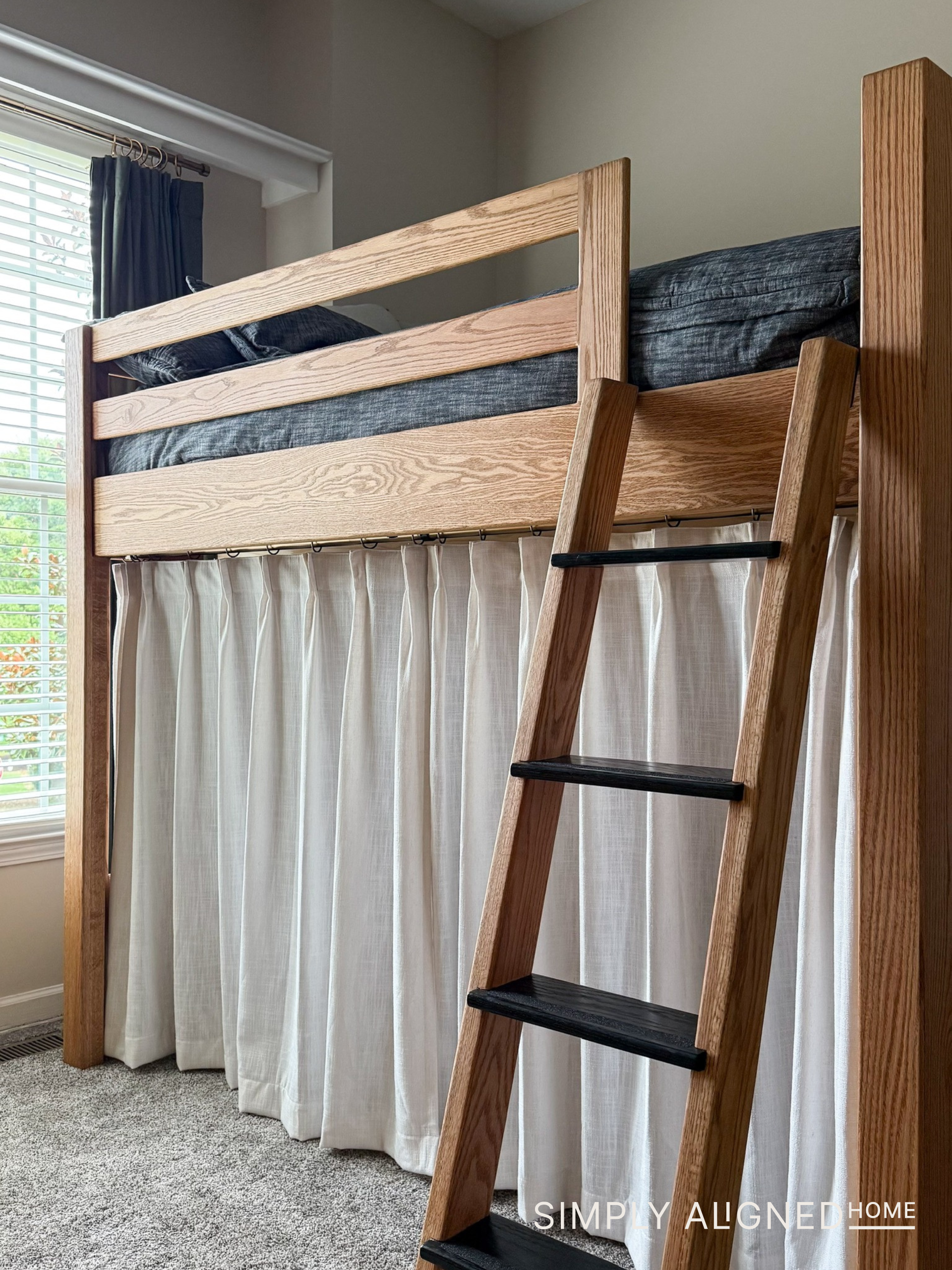
Credit: simplyalignedhome.com
Choosing The Right Materials
Choosing the right materials is key to building a strong and safe tuffing bunk bed. The materials must hold weight and last for years. Poor materials can lead to weak structure and safety risks. Focus on wood types and hardware to ensure the bed is solid and durable. Quality tools make the building process easier and more precise.
Selecting Durable Wood Types
Choose wood that can support heavy weight without bending. Pine is common, affordable, and easy to work with. Oak and maple offer more strength and last longer. Avoid softwoods that might crack or warp. Make sure the wood is dry and free from knots. Smooth surfaces prevent splinters and improve safety.
Essential Hardware And Tools
Strong screws and bolts hold the bed frame tightly together. Use metal brackets for extra support at joints. A drill with different bits speeds up assembly. Sandpaper smooths rough edges for safety. A measuring tape and level keep parts aligned. Having the right tools helps make the bed sturdy and safe.
Designing Your Bunk Bed
Designing your bunk bed is the first step to a strong, useful piece of furniture. Think about the room size, who will use the bed, and how it fits into the space. Good design saves time and materials later. It also makes the bed safer and more comfortable.
Start with clear plans. Draw or write down your ideas. This helps avoid mistakes and keeps the project organized.
Planning Dimensions And Layout
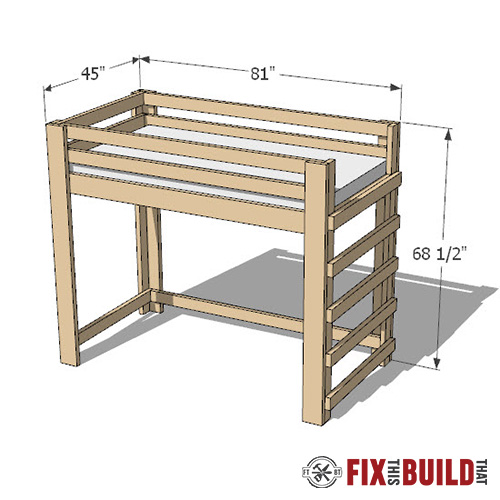
Measure the room carefully. Make sure the bunk bed fits well without crowding the space. Decide on the bed size. Twin or full? Think about the height too. Leave enough space between the top and bottom bunks for sitting up. Plan the ladder or stairs location. It should be easy to use and not block other furniture.
Incorporating Safety Features
Safety is key in bunk bed design. Add guardrails on the top bunk. They stop falls during sleep. Check the rail height; it must be tall enough to protect. Use smooth, rounded edges to prevent cuts. Secure the ladder firmly to avoid wobbling. Choose strong, quality wood that can hold weight. Test the bed frame for stability before use.
Cutting And Preparing Wood
Cutting and preparing wood is the first key step in building a tuffing bunk bed. It sets the foundation for a strong and safe structure. Taking time here helps avoid mistakes later. Each piece must fit perfectly to hold weight and stay sturdy.
Good preparation also makes the assembly process smoother. It ensures the bed looks neat and lasts longer. Careful work now saves effort and frustration in the future.
Accurate Measuring And Marking
Measure twice, cut once. This saying holds true for woodwork. Use a reliable tape measure for exact lengths. Mark lines clearly with a pencil or chalk. Double-check measurements before cutting. Precision prevents wood waste and fitting problems. Straight, accurate cuts keep the bed strong and balanced. Take your time to mark all pieces carefully. This step guides the saw for clean, exact cuts.
Sanding And Treating Wood
After cutting, smooth all edges with sandpaper. Sanding removes splinters and rough spots. It helps paint or finish stick better. Use fine-grit sandpaper for a smooth surface. Wipe dust off before moving to the next step. Treat the wood with a sealant or wood preservative. This protects against moisture and wear. Proper treatment extends the bed’s life. Well-prepared wood looks better and feels safer to touch.
Credit: fixthisbuildthat.com
Assembling The Frame
Assembling the frame is the first big step in building a tuffing bunk bed. This step creates the strong base that holds the entire bed. A solid frame keeps the bed safe and steady for years. Focus on careful measuring and fitting to make sure everything fits right. Take your time and follow each step closely.
Building The Bed Posts And Rails
Start by cutting the bed posts to the right height. These posts support the entire bed’s weight. Use strong wood, like pine or oak, for best results. Next, measure and cut the rails that connect the posts. Rails hold the mattress and support slats. Make sure the rails fit snugly between the posts. Check that all pieces are smooth and even. This helps the bed look clean and neat.
Securing Joints For Strength
Use wood glue on every joint before screwing parts together. Glue adds extra hold and stops wobbling. Drill pilot holes to prevent wood from splitting. Use strong screws or bolts for the best grip. Tighten all fasteners evenly to keep the frame square. Double-check each joint to ensure it feels firm. Strong joints mean a safer bunk bed for kids or guests.
Adding Support And Safety Components
Adding support and safety components is a key step in building a tuffing bunk bed. These parts keep the bed strong and protect the person sleeping on it. Proper support stops the mattress from sagging and the bed from shaking. Safety parts help prevent falls and accidents.
Focus on strong slats and mattress supports first. Then, add guardrails and ladders for safety and easy access. Each part must fit well and be sturdy. This ensures the bed lasts long and stays safe.
Installing Slats And Mattress Supports
Start by measuring the bed frame for the slats. Choose thick wooden slats to hold weight well. Place the slats evenly across the frame. Space them about 2 to 3 inches apart.
Secure the slats with screws or nails. Make sure they do not move or bend. Mattress supports add extra strength under the slats. Use strong boards or metal supports if needed. Test the bed frame by pressing down on the slats.
Fitting Guardrails And Ladders
Guardrails keep sleepers from falling off the top bunk. Attach guardrails along all open sides of the bed. Use solid wood or metal rails that are at least 5 inches tall. Fix them tightly to the frame with screws.
Choose a ladder that fits the bed height and style. Secure the ladder firmly to the bed frame. Check that the ladder steps are wide and non-slip. Position the ladder where it is easy and safe to climb.

Credit: joinerydesignco.com
Finishing Touches
Maintaining your tuffing bunk bed helps it last longer and stay safe. Regular care keeps wood strong and parts tight. This section offers simple tips to keep your bunk bed in good shape.
Regular Inspections And Repairs
Check the bed every few weeks for loose screws or cracks. Tighten all bolts and screws to avoid wobbling. Look closely at joints and wood for signs of damage.
Fix small problems early to stop bigger damage. Replace broken slats or damaged parts quickly. Use proper tools and follow safety steps during repairs.
Cleaning And Upkeep Advice
Dust the bed regularly to prevent dirt buildup. Use a soft cloth and mild cleaner safe for wood. Avoid soaking the wood with water or harsh chemicals.
Keep the bed dry to stop mold and wood warping. Clean spills immediately with a dry cloth. Use furniture polish once a month to protect the wood finish.
Frequently Asked Questions
What Materials Are Needed To Build A Tuffing Bunk Bed?
You need sturdy wood, screws, sandpaper, paint, and mattress supports. Quality lumber ensures safety and durability. Proper tools include a drill, saw, and measuring tape. Choose non-toxic paint for a kid-friendly finish.
How Long Does It Take To Build A Tuffing Bunk Bed?
Building a tuffing bunk bed typically takes 8 to 12 hours. Time varies with experience and tool availability. Proper planning and preparation speed up the process and improve results.
Is Building A Tuffing Bunk Bed Safe For Kids?
Yes, if built correctly using strong materials and secure fasteners. Follow safety guidelines for height and guardrails. Regularly inspect the bed for wear or loose parts to maintain safety.
Can Beginners Build A Tuffing Bunk Bed Easily?
Yes, with clear instructions and basic woodworking skills, beginners can build it. Take time to measure accurately and follow each step carefully. Using pre-cut wood kits can simplify the process.
Conclusion
Building a tuffing bunk bed takes time and patience. Follow each step carefully for the best results. Use strong materials to keep the bed safe and steady. Measure twice, cut once to avoid mistakes. Work slowly and check your progress often.
This project can save money and give you a unique bed. Enjoy the satisfaction of creating something with your own hands. A well-built bunk bed lasts for many years. Try this project to add space and style to any room.