Are you worried that your bunk bed might not be strong enough to hold more weight? Whether you want to make it safer for growing kids, add a sturdy guest bed, or simply feel more secure, knowing how to boost your bunk bed’s strength is key.
You’ll discover simple, practical steps to make your bunk bed hold more weight without breaking the bank or calling a pro. Keep reading, and you’ll soon have a bunk bed that feels rock solid and built to last.
Assessing Current Bed Strength
Before increasing a bunk bed’s weight capacity, assess its current strength carefully. This step helps avoid accidents and ensures safety. Focus on the bed’s materials, joinery, and official weight limits. Understanding these factors guides effective improvements.
Check Material Quality
Look at the wood or metal used in the bed frame. Solid hardwood or thick metal parts hold more weight. Avoid beds made with thin plywood or light metal. These materials break easily under heavy loads.
Inspect Joinery And Fasteners
Examine how the bed parts connect. Strong joints use screws, bolts, or dowels, not just glue or nails. Tight and secure fasteners make the bed stable. Loose or missing screws reduce strength and risk collapse.
Evaluate Weight Limits
Find the manufacturer’s weight limit label or manual. These limits show the maximum safe load. Compare the limit to the expected weight. If the limit is low, the bed needs reinforcement before adding more weight.
Reinforcing Bed Frame
Reinforcing the bed frame is key to making a bunk bed hold more weight. The frame supports the mattress and the people on it. A stronger frame means a safer and more durable bed. There are simple ways to reinforce the frame. These methods increase the bed’s weight capacity without much work.
Add Support Beams
Support beams help spread the weight evenly. Place extra wooden beams under the mattress area. Use sturdy wood like oak or pine for best results. Attach beams across the frame from side to side. This reduces pressure on the slats and frame. It also stops the bed from sagging over time.
Use Metal Brackets
Metal brackets connect the bed parts tightly. They prevent the frame from wobbling or shifting. Install brackets at key joints and corners. Use heavy-duty brackets made of steel for strong support. Secure them with screws, not nails, for a firm hold. This simple step makes the frame more stable.
Strengthen Slats
Slats carry the mattress and weight above. Replace thin slats with thicker, wider boards. Space them closer together to avoid gaps. Nail or screw slats firmly to the frame. You can also add a plywood sheet on top for extra strength. Strong slats reduce the risk of breakage.
Upgrading Mattress Support
Upgrading mattress support is key to making a bunk bed hold more weight. Weak support can cause the mattress to sag or break. Strong support spreads the weight evenly. This keeps the bed safe and comfortable.
Replace Thin Slats
Thin slats often bend under heavy weight. Replace them with thicker, wider slats for better strength. Use hardwood slats as they last longer. Space the slats closer together to reduce gaps. This prevents the mattress from sagging and adds stability.
Install Plywood Base
A plywood base creates a solid, flat surface for the mattress. Cut plywood to fit the bunk bed frame. Use at least 3/4 inch thick plywood for support. Screw the plywood securely onto the slats or frame. This adds strong support and stops mattress sagging.
Consider Box Springs
Box springs offer extra support under the mattress. Place a box spring on the bunk bed frame before the mattress. It absorbs weight and improves comfort. Choose a sturdy box spring made for bunk beds. This helps the bed hold more weight safely.
Credit: heavydutybunkbeds.com
Improving Stability
Improving the stability of a bunk bed is key to increasing its weight capacity. A stable bed spreads the weight evenly and reduces the risk of wobbling or tipping. This makes the bed safer and more durable over time.
Simple steps can make a big difference. Focus on securing the bed firmly and preventing unwanted movement. Small adjustments help the bed hold more weight without strain.
Secure Bed To Wall
Fixing the bunk bed to the wall adds strong support. Use sturdy brackets or straps made for furniture. Attach them tightly to wall studs to prevent the bed from shifting. This connection keeps the bed steady, even with heavy loads.
Use Anti-slip Pads
Placing anti-slip pads under the bed legs stops sliding. These pads create friction between the floor and the bed. They reduce movement on smooth surfaces like wood or tile. This simple step boosts the bed’s stability and safety.
Level The Bed Properly
Check that the bed sits flat on the floor. Use a level tool to find any tilt. Adjust the legs or add shims to fix uneven spots. A level bed shares weight evenly and cuts down on wobbling. This helps the bunk bed hold more weight steadily.
Choosing Stronger Materials
Choosing stronger materials is a key step to make a bunk bed hold more weight. The right materials improve the bed’s durability and safety. Strong materials also support heavier loads without bending or breaking. This section covers solid wood, metal frames, and quality hardware options.
Opt For Solid Wood
Solid wood is sturdy and lasts long. It can hold more weight than particleboard or plywood. Hardwoods like oak, maple, and walnut are best. These woods resist cracks and warping under pressure. Solid wood also adds a classic look to the bunk bed.
Consider Metal Frames
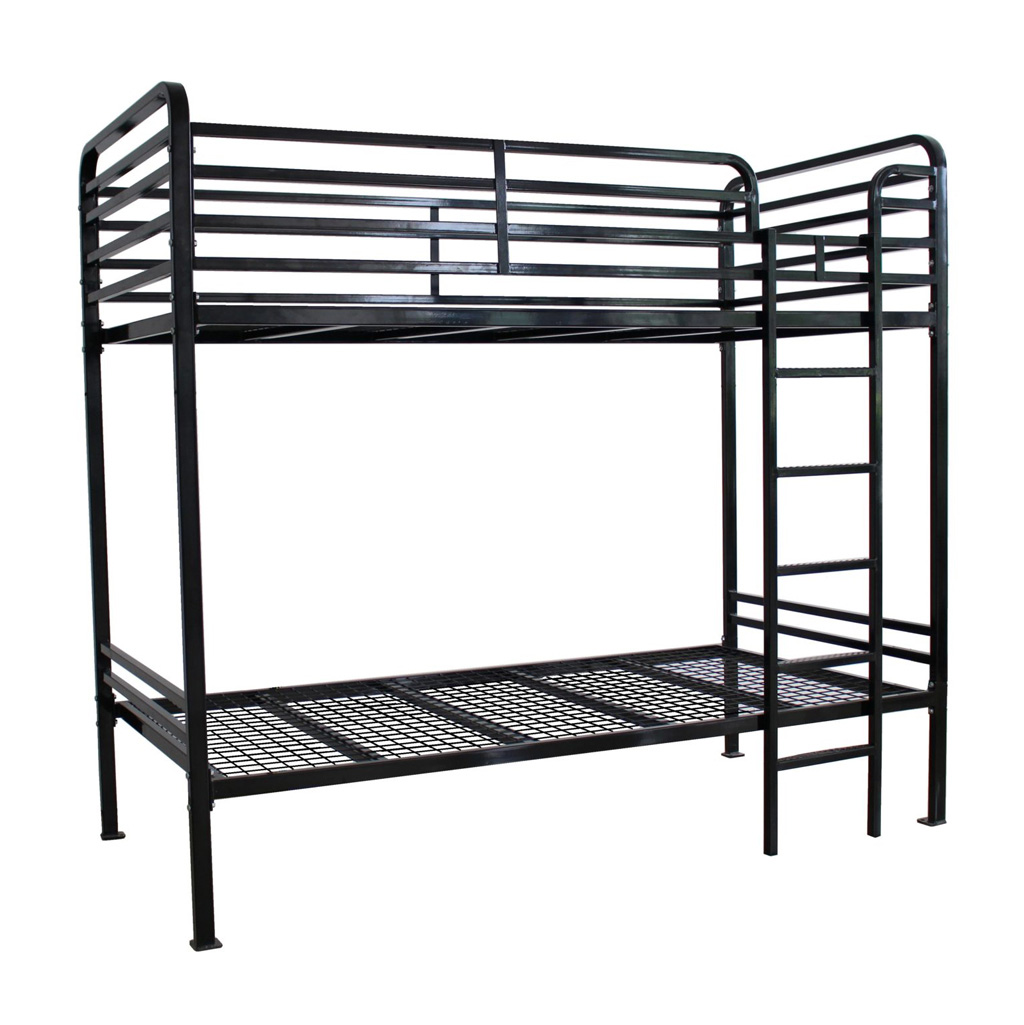
Metal frames offer strong support for heavy loads. Steel is the most common metal used for bunk beds. It does not bend easily and holds weight well. Metal frames often have a slimmer design but remain very durable. They work well in small spaces and modern rooms.
Use High-quality Hardware
Hardware holds the bed parts together firmly. Choose screws, bolts, and brackets made from strong metals. Avoid cheap or thin hardware that may bend or break. High-quality hardware keeps the bed stable and safe. Tighten all hardware regularly to maintain strength.

Credit: adultbunkbeds.com
Regular Maintenance Tips
Regular maintenance helps keep your bunk bed strong and safe. It ensures the bed holds more weight over time. Small checks can prevent big problems. Follow these simple steps to maintain your bunk bed well.
Tighten Screws Periodically
Screws can become loose after regular use. Tighten all screws every few months. Use a screwdriver that fits well. Tight screws keep the bed stable and secure. Avoid using too much force. Tightening screws helps prevent wobbling and noise.
Check For Wear And Tear
Look closely at all parts of the bed. Check the frame, slats, and ladders. Notice cracks, bends, or splinters. Wear and tear weakens the bed’s structure. Spot problems early to avoid accidents. Make a habit of inspecting the bed monthly.
Replace Damaged Parts
Damaged parts reduce the bed’s strength. Replace broken slats, cracked frames, or bent ladders. Use parts from the original manufacturer when possible. New parts restore the bed’s weight capacity. Don’t delay replacing damaged pieces for safety.
Credit: adultbunkbeds.com
Frequently Asked Questions
How Can I Reinforce Bunk Bed Slats For More Weight?
You can add extra wooden slats or metal brackets under the existing slats. This distributes weight evenly and increases stability, allowing the bunk bed to hold more weight safely.
What Materials Improve Bunk Bed Weight Capacity?
Using hardwood like oak or metal frames significantly boosts weight capacity. These materials offer stronger support compared to softwoods or particle boards, ensuring the bunk bed holds heavier loads without risk.
Is It Safe To Add Support Beams Under Bunk Beds?
Yes, adding support beams under bunk beds increases strength and weight capacity. Ensure beams fit snugly and are securely attached to avoid movement or collapse, enhancing overall bed safety.
Can Tightening Bolts Increase Bunk Bed Weight Limit?
Tightening all bolts and screws improves bed stability and weight support. Loose fittings can weaken the structure, so regular checks and adjustments help the bunk bed hold more weight safely.
Conclusion
Making your bunk bed hold more weight takes careful steps. Reinforce the frame with strong materials. Use additional support beams under the mattress. Tighten all screws and bolts firmly. Choose quality slats that don’t bend easily. Regularly check for any signs of wear.
Safety must always come first in every step. A sturdy bunk bed gives peace of mind. Simple changes can make a big difference. Enjoy a safe and comfortable sleep every night.