Choosing what your toddler wears to bed might seem simple, but it can make a huge difference in their comfort and sleep quality. You want your little one to feel cozy, safe, and ready for a restful night.
But how do you decide between pajamas, sleep sacks, or just a soft blanket? This guide will help you understand what works best for your toddler’s sleep, so you can say goodbye to bedtime battles and hello to peaceful nights.
Keep reading to discover easy tips that make bedtime smoother for both you and your child.
Choosing Fabric
Choosing the right fabric for your toddler’s bedtime clothes is very important. The fabric affects comfort, safety, and sleep quality. Toddlers have sensitive skin and need soft, gentle materials. Picking the right fabric helps keep them cozy and calm all night.
Natural Vs Synthetic Materials
Natural fabrics come from plants or animals. Cotton and bamboo are popular choices. They feel soft and allow air to flow. Synthetic fabrics like polyester are made from chemicals. They can trap heat and cause sweating. Natural fabrics usually work better for toddlers’ sleepwear.
Breathability And Softness
Breathable fabrics let air move through easily. This stops your toddler from feeling too hot. Soft fabrics prevent skin irritation and keep toddlers comfortable. Cotton is both soft and breathable. Avoid rough or stiff materials that might cause itching or discomfort.
Hypoallergenic Options
Hypoallergenic fabrics reduce the chance of allergies or skin problems. Organic cotton is a good choice for sensitive skin. It is free from harmful chemicals and dyes. Some synthetic fabrics can cause rashes or redness. Always choose fabrics that keep your toddler’s skin safe and happy.

Credit: www.amazon.com
Ideal Sleepwear Styles
Choosing the right sleepwear for your toddler helps them sleep better and stay safe. Comfortable clothes keep them cozy through the night. The fabric and style affect how warm or cool they feel. Safety is important too, so the clothes should fit well and not be loose.
Here are some popular sleepwear styles that many parents prefer for toddlers.
One-piece Pajamas
One-piece pajamas cover the whole body from neck to feet. They keep toddlers warm without needing extra blankets. Many have zippers or snaps for easy diaper changes. Soft cotton or bamboo fabrics feel gentle on the skin. These pajamas reduce the risk of loose fabric covering the face, which is safer.
Two-piece Sets
Two-piece pajamas include a top and matching pants. They offer more flexibility for warmer nights or potty training. Look for stretchy waistbands and soft cuffs for comfort. Cotton and jersey materials are popular because they breathe well. These sets allow toddlers to move freely and stay cozy.
Sleep Sacks And Wearable Blankets
Sleep sacks are like wearable blankets that replace loose covers. They keep toddlers warm without the risk of suffocation. Most have armholes and zippers for easy use. Ideal for babies transitioning from swaddles to regular pajamas. Sleep sacks come in different thicknesses for various seasons.
Safety Features
Choosing the right sleepwear for your toddler is more than just comfort. Safety plays a big role in picking the best clothes for bedtime. Sleepwear must protect your child while they rest. It helps keep them safe from dangers like fire and choking. This section explains the key safety features to check before buying toddler pajamas.
Flame-resistance Standards
Toddlers’ sleepwear should meet strict flame-resistance rules. These rules make sure clothes do not catch fire easily. Fabrics are tested to resist flames and slow burning. Some pajamas use materials that self-extinguish quickly. Others are made from snug cotton that fits close to the skin. Both types help reduce fire risks during sleep. Always check the label for flame-resistance certification.
Proper Fit And Avoiding Loose Clothing
Loose clothes can be dangerous at night. They may catch on objects or cover your child’s face. Sleepwear should fit snugly but not tight. This fit helps prevent choking and tripping hazards. Stretchy fabrics work well because they move with your toddler. Avoid large, baggy pajamas. Well-fitted sleepwear keeps your child safe and comfy all night.
Fasteners And Zippers Safety
Fasteners and zippers must be safe and smooth. Sharp edges or loose parts can hurt your toddler. Look for covered zippers to protect delicate skin. Buttons and snaps should be strong and secure. Avoid small parts that could come off and cause choking. Safe fasteners help your child change clothes easily and safely before bed.
Seasonal Choices
Choosing the right sleepwear for your toddler changes with the seasons. Each season brings different temperatures and comfort needs. Dressing your child properly helps them sleep well and stay safe all night.
Warm Weather Sleepwear
In warm weather, choose lightweight clothes for your toddler. Cotton pajamas work well. They let the skin breathe and keep your child cool. Avoid heavy fabrics that trap heat. Shorts and short-sleeve tops are good options. Keep the sleepwear loose to allow air flow. Thin, breathable materials help prevent sweating and discomfort.
Cold Weather Sleepwear
During cold months, pick cozy sleepwear that keeps your toddler warm. Look for thicker pajamas made of fleece or flannel. Long sleeves and full-length pants protect against chill. Footed pajamas add extra warmth for little feet. Make sure the clothes are snug but not tight. Warm sleepwear helps your toddler sleep deeply without waking from cold.
Layering Tips
Layering is a smart way to handle temperature changes. Start with a soft, close-fitting base layer. Add a warmer top layer like a sweater or blanket sleeper. Layers make it easy to adjust your toddler’s comfort. Remove or add layers during the night as needed. Always check your child’s neck and back to ensure they are not too hot or cold.
Temperature Regulation
Keeping your toddler comfortable at night starts with good temperature regulation. Toddlers cannot control their body heat well. They can get too hot or too cold quickly. Choosing the right sleepwear and room temperature helps them sleep safely and soundly.
Room Temperature Recommendations
Keep the room temperature between 68°F and 72°F (20°C to 22°C). This range helps toddlers stay comfortable. Use a fan or heater carefully to avoid sudden temperature changes. A thermometer in the room can help track the temperature.
Signs Of Overheating Or Chilling
Watch for sweating, flushed cheeks, or damp hair. These signs show your toddler is too hot. If their skin feels cool or their hands and feet are cold, they might be too cold. Restlessness or waking often can also signal discomfort.
Using Sleepwear To Manage Comfort
Choose lightweight, breathable fabrics like cotton. Avoid heavy or thick pajamas in warm rooms. Layer clothes if the room is cooler, so you can adjust easily. Sleep sacks or wearable blankets can add warmth without loose blankets.
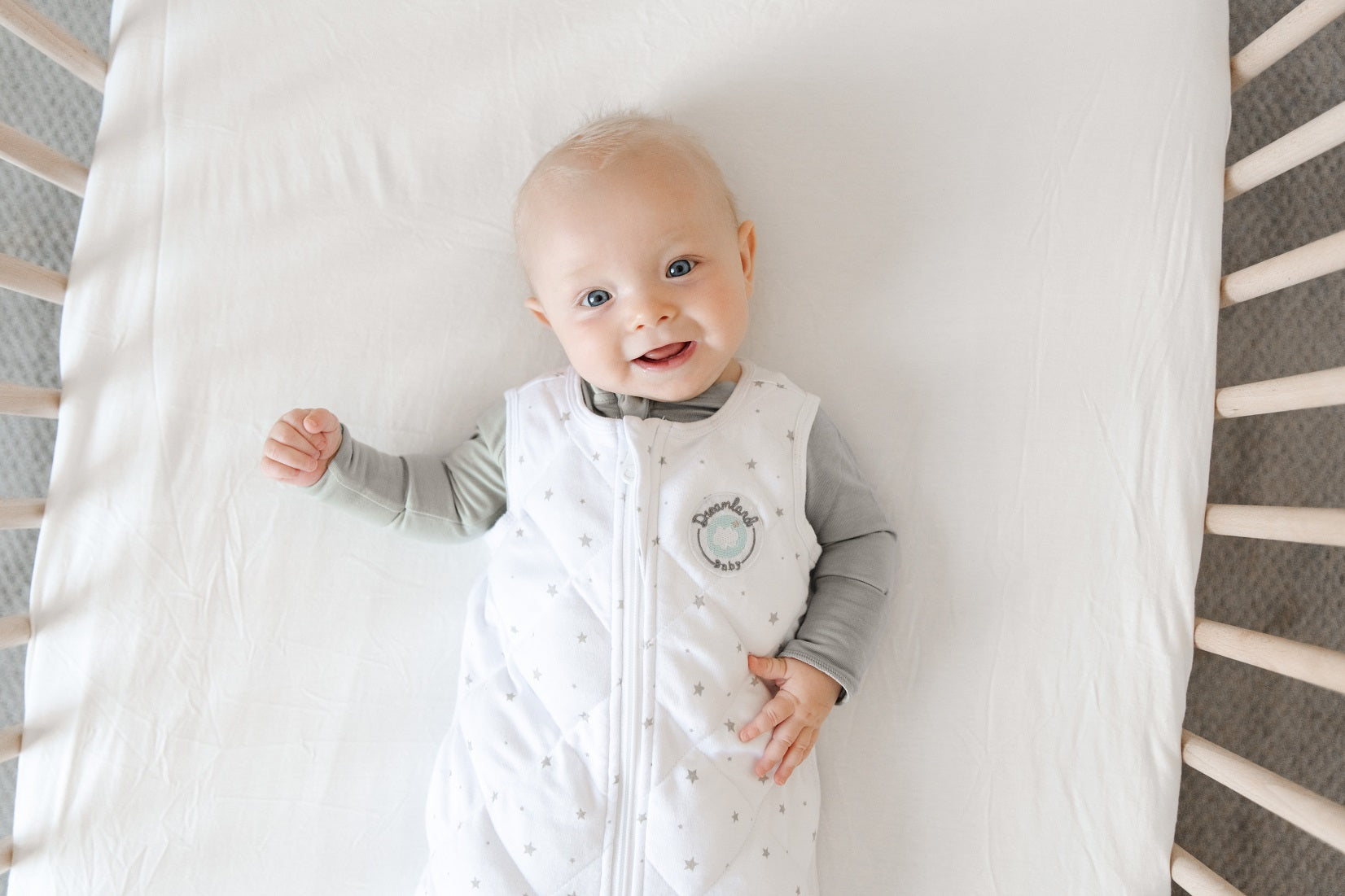
Credit: dreamlandbabyco.com
Special Considerations
Choosing the right sleepwear for your toddler involves more than just style and comfort. Special needs arise during sleep that require careful attention. These needs help keep your child safe, cozy, and happy all night long. Understanding these considerations makes bedtime easier for everyone.
Sleepwear For Sensitive Skin
Toddlers with sensitive skin need gentle fabrics. Cotton is soft and breathable, reducing irritation. Avoid rough materials or tight seams that can cause itching. Washing sleepwear with mild detergent helps prevent allergic reactions. Soft pajamas keep your toddler calm and comfortable.
Nighttime Potty Training
Potty training at night calls for practical clothing choices. Opt for pajamas that are easy to remove quickly. Two-piece sets work better than one-piece suits. Consider waterproof mattress protectors to handle accidents. Choose sleepwear that balances dryness and ease of use.
Travel And Overnight Stays
Traveling with toddlers means preparing their sleepwear carefully. Pack familiar pajamas to give a sense of comfort. Choose clothes suitable for different climates and room temperatures. Bring extra sets for unexpected spills or messes. Comfortable sleepwear helps your child rest well away from home.

Credit: www.woolino.com
Frequently Asked Questions
What Fabrics Are Best For Toddler Sleepwear?
Choose soft, breathable fabrics like cotton or bamboo. These materials keep toddlers comfortable and regulate body temperature well. Avoid synthetic fabrics that can cause irritation or overheating during sleep.
Should Toddlers Wear Pajamas Or Sleep Sacks?
Toddlers can wear pajamas for mobility and comfort. Sleep sacks provide warmth without loose blankets, reducing suffocation risks. Choose based on your toddler’s age, mobility, and room temperature.
How To Dress Toddlers For Different Room Temperatures?
In cooler rooms, use layered pajamas or sleep sacks for warmth. In warm rooms, opt for lightweight, breathable pajamas to prevent overheating. Always check your toddler’s comfort before bedtime.
Are Footed Pajamas Better For Toddlers?
Footed pajamas keep toddlers’ feet warm and eliminate the need for socks. They are convenient for colder nights but may restrict movement. Choose based on your toddler’s comfort and mobility.
Conclusion
Choosing the right clothes helps your toddler sleep well. Soft, breathable fabrics keep them comfortable all night. Make sure the clothes fit properly and allow movement. Avoid anything too tight or too loose. Safety matters—pick sleepwear that meets safety rules.
A happy, cozy toddler means better rest for everyone. Small choices at bedtime can bring big comfort. Keep these tips in mind for peaceful nights ahead. Sweet dreams start with the right bedtime wear.