Are you ready to create a cozy, safe space for your little one to sleep? Building a toddler bed with your own hands is easier than you might think.
Not only will you save money, but you’ll also have a unique bed made just for your child. Imagine the pride you’ll feel every time your toddler climbs into a bed you built yourself. In this guide, you’ll discover simple steps and tips to help you craft a sturdy, beautiful wooden toddler bed.
Let’s get started and turn your woodworking skills into a special gift your child will love!
Choosing The Right Wood
Choosing the right wood is key to building a safe and sturdy toddler bed. The wood affects the bed’s strength, look, and safety. Picking the best type helps you create a bed that lasts and feels comfortable for your child. Consider wood quality, safety, and cost before buying.
Types Of Wood For Toddler Beds
Hardwoods like oak, maple, and cherry are strong and durable. They resist dents and scratches well. Softwoods like pine and cedar are lighter and easier to work with. They cost less but may dent more easily. Choose wood that can hold weight and stand daily use.
Wood Safety Considerations
Use wood that is free from harmful chemicals or treatments. Avoid wood with sharp splinters or rough edges. Sand the wood smooth to protect your child’s skin. Choose non-toxic finishes and paints to keep the bed safe and healthy.
Budget-friendly Options
Pine is a common budget-friendly wood. It is soft but still strong enough for toddler beds. Plywood can also work if it is good quality and thick. Check for defects and smooth surfaces. Buying local wood can reduce costs and support local sellers.

Credit: www.youtube.com
Essential Tools And Materials
Building a toddler bed from wood is a fun project. You need the right tools and materials to make it safe and strong. This section covers the essential items you will use. Knowing these helps you prepare well and work smoothly.
Basic Woodworking Tools
Start with simple tools. A saw cuts the wood to size. A drill makes holes for screws. Sandpaper smooths rough edges. A measuring tape ensures accurate dimensions. A screwdriver tightens screws. Clamps hold pieces firmly in place. A square helps keep corners straight. These basic tools form the foundation of your work.
Additional Supplies Needed
Besides tools, gather key supplies. Choose sturdy wood like pine or oak. Use wood screws to join pieces securely. Wood glue adds extra strength. Paint or wood finish protects the bed. Safety gear like gloves and goggles keeps you safe. Have extra sandpaper sheets for finishing touches. These supplies improve quality and safety.
Setting Up Your Workspace
Find a clean, flat area to work. Good lighting helps you see details clearly. Organize tools for easy access. Use a sturdy workbench or table. Keep your workspace free of clutter. Have a trash bin nearby for scraps. A tidy area boosts focus and efficiency.
Designing The Toddler Bed
Designing a toddler bed is the first step in building one. The design sets the foundation for comfort and safety. A good design fits the room and suits the child’s needs. It also makes the woodworking process easier and more enjoyable.
Careful planning helps create a bed that lasts. The right size, simple style, and safety features are key. These factors make sure the bed is both practical and cozy.
Standard Toddler Bed Dimensions
Toddler beds usually measure 28 inches wide and 52 inches long. This size fits a standard crib mattress. The height should be low, around 10 to 12 inches from the floor. Low height helps toddlers get in and out safely. Keep the bed size small enough to fit in the child’s room.
Simple Design Ideas
Choose a simple design to start with. Basic rectangular frames work well. Rounded edges add a soft touch and prevent injuries. Avoid complex shapes or tall headboards. Simple designs are easier to build and paint. Use natural wood or soft colors to make it inviting. A minimalist style fits many rooms and tastes.
Planning For Safety Features
Safety is the top priority in toddler bed design. Add guardrails to keep the child from falling out. The rails should be about 5 inches high. Make sure there are no sharp corners or rough spots. Use non-toxic paint or finish to protect the child’s health. Check all screws and nails are secure and hidden. Plan for sturdy legs to prevent wobbling. These features create a safe and strong bed.
Cutting And Preparing Wood Pieces
Cutting and preparing wood pieces is a crucial step in building a toddler bed. Precise cuts ensure the bed fits together well and stays safe for your child. Proper preparation also helps the wood last longer and look better.
This stage requires care and attention to detail. Taking your time here makes the assembly easier and the final product stronger. Let’s explore the key steps for cutting and preparing your wood pieces.
Measuring And Marking
Start by measuring each piece of wood carefully. Use a tape measure to get exact lengths. Mark the cutting lines clearly with a pencil. Double-check the measurements before cutting. Accurate marking prevents mistakes and wasted wood. Use a square tool to make straight marks. This keeps the edges even and smooth.
Cutting Techniques For Beginners
Choose the right saw for your wood type and thickness. A handsaw or jigsaw works well for beginners. Cut slowly and follow the marked lines closely. Keep your hands steady and avoid rushing. Support the wood firmly to prevent movement. Use clamps if needed to hold the wood in place. Safety first: always wear goggles and gloves.
Sanding And Smoothing Edges
After cutting, sand all edges to remove splinters. Start with coarse sandpaper to smooth rough areas. Then use finer sandpaper for a soft finish. Sand along the grain of the wood, not against it. This prevents scratches and keeps the surface smooth. Proper sanding makes the bed safe and comfortable for your toddler.
Assembling The Bed Frame
Assembling the bed frame is the key step in building a toddler bed. This part brings all wooden pieces together. It creates a strong and safe structure for your child.
Focus on accuracy during assembly. Make sure all parts fit well. Tight joints mean a stable bed that lasts long.
Joining Techniques
Choose the right joining method for your frame parts. Common options include screws, dowels, and wood glue. Screws offer strong hold and can be removed if needed. Dowels create tight connections without visible hardware. Use wood glue with other methods for extra strength. Pre-drill holes to avoid wood splitting. Clean excess glue before it dries.
Securing The Frame
Once joined, secure the frame corners firmly. Use clamps to hold parts steady while fastening. Check that corners form perfect right angles. Tighten screws gradually to avoid bending wood. Reinforce corners with metal brackets if needed. This prevents wobbling and keeps the frame square.
Adding Support Slats
Support slats hold the mattress in place. Space them evenly to distribute weight well. Use screws or nails to fix slats to side rails. Sand slats smooth to avoid splinters. Test the frame’s strength by pressing down on slats. Add extra slats if the mattress feels unsupported.

Credit: www.reddit.com
Finishing Touches
Finishing touches make your toddler bed look complete and safe. These steps protect the wood and add charm. They also ensure the bed lasts long and stays child-friendly.
Painting And Staining Options
Choose paint or stain based on your style and the wood type. Paint offers bright colors and covers wood grain. Stain shows the natural wood texture and color. Use smooth, even coats. Let each layer dry before the next.
Applying Non-toxic Finishes
Non-toxic finishes keep the bed safe for toddlers. Look for water-based or natural oils. These finishes protect wood without harmful chemicals. Apply thin layers with a brush or cloth. Let the finish dry fully between coats.
Adding Decorative Elements
Decorations personalize the bed and make it fun. Use stickers, decals, or stencils for easy designs. Attach safe, soft bumpers for extra comfort. Keep decorations simple and secure to avoid hazards.
Ensuring Bed Safety
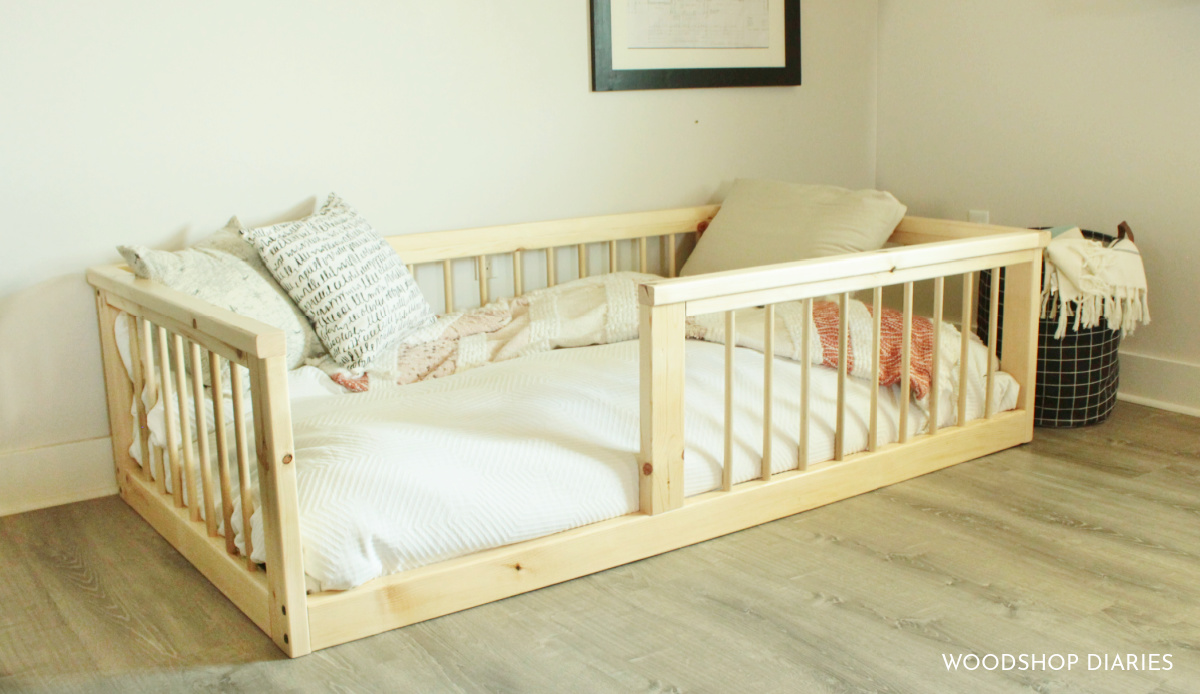
Maintaining the toddler bed is key to its safety and longevity. A well-kept bed offers comfort and peace of mind. Small efforts keep the bed strong and looking good.
Regular care helps prevent big problems later. It also keeps the wood from wearing out fast. A clean, sturdy bed supports healthy sleep for your child.
Regular Inspections
Check the bed weekly for loose screws or nails. Look for cracks or splits in the wood. Make sure all joints are tight and secure. Inspect the mattress support for any damage. Early spotting of issues avoids accidents and costly repairs.
Cleaning Tips
Wipe the bed with a soft, damp cloth. Use mild soap and water for tougher spots. Avoid harsh chemicals that can harm the wood finish. Dry the bed completely to stop moisture damage. Clean regularly to keep dust and dirt away.
Repairing Minor Damages
Fix small cracks with wood glue or filler. Sand rough edges to prevent splinters. Tighten loose screws or replace missing ones. Use matching paint or stain for touch-ups. Repairing early stops damage from getting worse.
Credit: www.woodshopdiaries.com
Frequently Asked Questions
What Materials Are Best For Building A Toddler Bed?
Use solid wood like pine, oak, or maple for durability. Choose non-toxic, child-safe finishes and hardware for safety. Avoid particleboard or MDF due to lower strength and potential harmful chemicals.
How Do I Ensure Toddler Bed Safety In Woodworking?
Smooth all edges and corners to prevent injuries. Use sturdy joints and secure hardware to avoid loose parts. Finish with non-toxic paint or varnish, and check stability regularly.
What Are The Essential Tools For Making A Toddler Bed?
Basic tools include a saw, drill, sander, measuring tape, and screwdriver. Clamps and wood glue help secure joints. Safety gear like goggles and gloves are also important.
How Long Does It Take To Build A Toddler Bed?
Building a toddler bed typically takes 1 to 3 days. Time varies by skill level, design complexity, and drying time for finishes.
Conclusion
Building a toddler bed from wood takes time and care. Choose the right wood and tools before you start. Follow each step slowly for safety and strength. Sand all edges to keep the bed smooth and safe. Paint or finish the bed with child-friendly products.
A homemade bed can be a special gift for your child. Enjoy the process and the final cozy result. Making furniture yourself brings pride and joy. Keep practicing to improve your woodworking skills. This project is a great way to learn and create.