Are you wondering when the right time is to move your toddler from a crib to a bed? You’re not alone.
This transition can feel overwhelming, and you might worry about your child’s safety, comfort, and how it will affect their sleep. Knowing the best age to make this change can ease your mind and help your little one adjust smoothly.
Keep reading to discover the signs to watch for and expert tips to make this important step easier for both you and your toddler.

Credit: www.whattoexpect.com
Signs Your Toddler Is Ready
Knowing when to move your toddler from a crib to a bed can be tricky. Watching for certain signs helps you decide the right time. These signs fall into three groups: physical milestones, behavior clues, and safety concerns. Each of these gives clear hints that your toddler is ready for a new sleeping space.
Physical Milestones
Your toddler may start climbing out of the crib. This shows they have the strength and coordination to move safely. Growing taller and heavier means the crib might no longer fit them well. If they sleep through the night without needing much help, they may be ready. Physical readiness is important to ensure comfort and safety in a new bed.
Behavioral Clues
Watch if your toddler shows interest in a big bed. They might ask to sleep in your bed or a sibling’s bed. Some toddlers may try to get out of the crib on their own. They may also enjoy new bedtime stories about beds and sleeping. These clues show they understand the idea of a bed and want to try it.
Safety Considerations
Check your home for safety before the transition. Remove sharp objects and block stairs with gates. Make sure the bed is low to the ground to avoid falls. Use bed rails to keep your toddler secure at night. Safety is the top priority when changing your toddler’s sleeping space.
Choosing The Right Bed
Choosing the right bed for your toddler is an important step. It helps your child feel safe and comfortable. The right bed also makes the transition smooth. Picking between different bed types can be confusing. Consider safety, size, and comfort to decide well.
Toddler Beds Vs. Twin Beds
Toddler beds are smaller and closer to the floor. They often have guardrails to prevent falls. These beds suit young children just moving out of cribs. Twin beds are bigger and last longer as your child grows. They fit standard mattresses and room styles. Choose toddler beds for safety and size. Twin beds work if you want a bed that grows with your child.
Safety Features To Look For
Pick beds with strong guardrails on both sides. Check that there are no sharp edges or loose parts. The bed frame should be sturdy and stable. Avoid beds with gaps where your child could get stuck. Non-toxic paint and finishes keep your child safe. A low bed height reduces injury risk from falls. Safety is the top priority in any bed choice.
Comfort And Design
Look for a mattress that supports your toddler’s growing body. Firm but cushioned mattresses are best. Choose soft bedding that is easy to wash. The bed design should fit your child’s room style. Fun colors or themes can make bedtime exciting. Comfort and appearance help your child enjoy their new bed.
Preparing Your Toddler
Preparing your toddler to move from a crib to a bed takes time and care. Toddlers need to feel safe and comfortable with this change. Start the process early to help them adjust without stress. Gentle steps make the transition smoother for both you and your child.
Creating A Sleep Routine
Establish a regular sleep routine before switching to a bed. Consistent bedtime and wake-up times help your toddler feel secure. Include calming activities like reading or singing. A predictable routine signals that it is time to sleep. This helps your toddler relax and get ready for bed.
Introducing The Bed Gradually
Let your toddler explore the new bed during the day. Allow them to sit or lie down in it while awake. Use familiar blankets or toys to make it inviting. Slowly shift naps or nighttime sleep to the bed. This step-by-step approach lowers fear and builds comfort.
Dealing With Separation Anxiety
Separation anxiety can increase during this change. Offer extra hugs and reassurance at bedtime. Stay nearby until your toddler feels calm and safe. Use a nightlight to ease fears of the dark. Patience and calm words help your toddler trust the new routine.
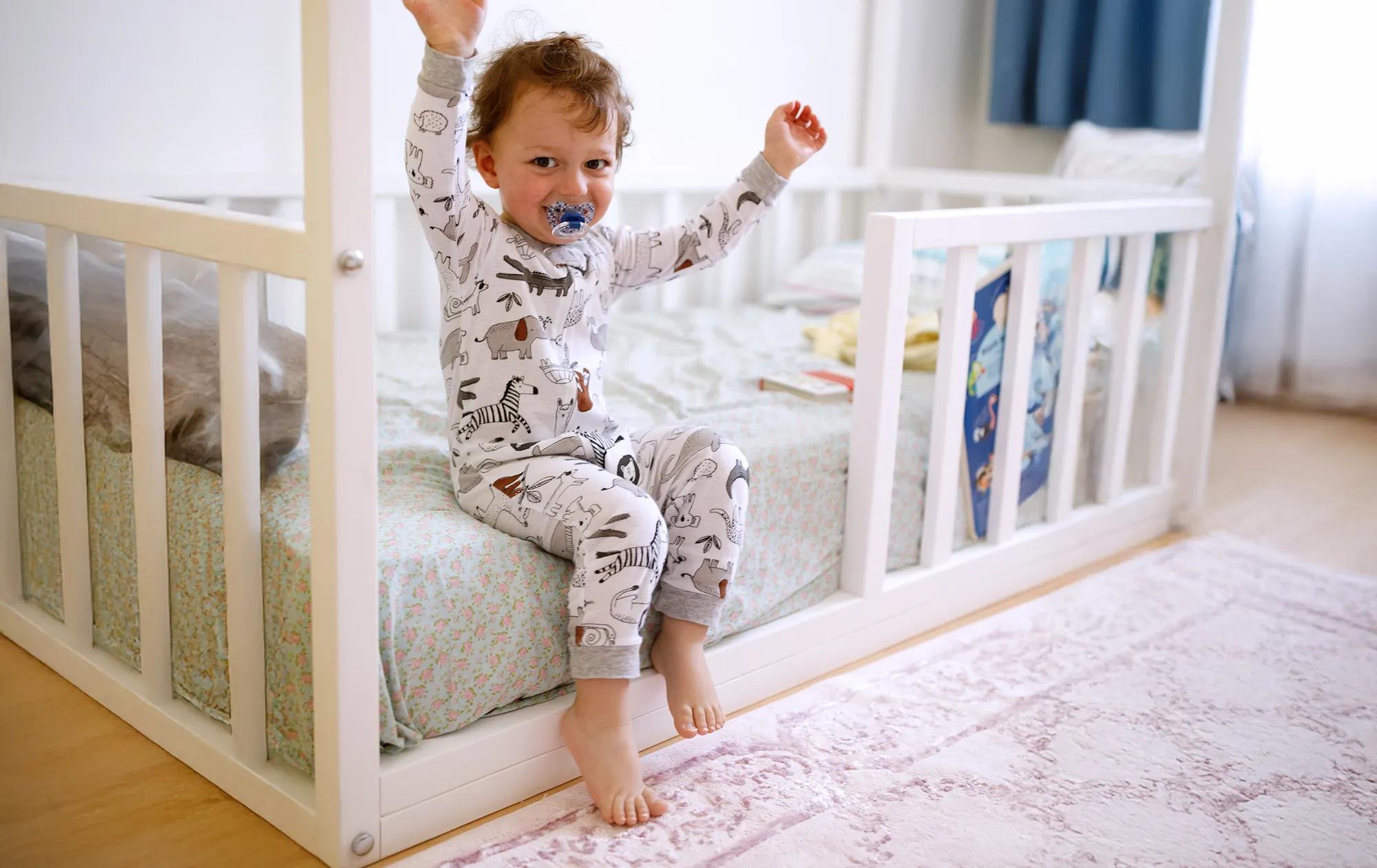
Credit: health.clevelandclinic.org
Common Challenges And Solutions
Transitioning your toddler to a bed can bring some challenges. These challenges are common and can be handled with simple solutions. Knowing what to expect helps parents stay calm and patient. Here are some common issues and ways to solve them.
Nighttime Wandering
Toddlers may get out of bed at night and roam around. This can be unsafe and tiring for parents. Use a baby gate to keep your child in their room. Make sure the room is safe and free from sharp objects. Establish a clear bedtime routine to help your toddler feel secure and less likely to wander.
Fear Of The New Bed
New beds can feel strange and scary. Toddlers may resist sleeping there. Place favorite toys or blankets on the bed for comfort. Read bedtime stories near the bed to create positive feelings. Let your child explore the bed during the day to get used to it.
Resistance To Change
Many toddlers do not want to leave their crib. They feel safe and cozy there. Talk positively about the new bed and how fun it is. Give your child some control by letting them choose bed sheets or a night light. Be patient and consistent, and the resistance will lessen over time.
Tips From Experts
Transitioning a toddler to a bed is a big step for families. Experts share useful tips to make this change smooth and safe. Understanding their advice helps parents decide the right time and method for moving their child from a crib to a bed.
Pediatrician Recommendations
Pediatricians suggest waiting until the toddler can climb out of the crib. This usually happens between 18 and 24 months. A bed reduces the risk of falling during climbing attempts. They also recommend choosing a bed with safety rails. This helps keep your child secure during the night. Pediatricians emphasize watching your child’s readiness, not just age.
Sleep Specialist Advice
Sleep specialists focus on the child’s sleep patterns and comfort. They advise switching beds when the toddler sleeps through the night consistently. This shows better sleep stability. Specialists suggest keeping a bedtime routine steady during the transition. A calm routine helps the toddler feel safe in the new bed. They also recommend creating a cozy sleep space to encourage rest.
Parenting Strategies
Parents find success by involving toddlers in the process. Letting the child choose bedding or decorate the room builds excitement. Consistency is key. Keeping nap and bedtime times regular supports adjustment. Some parents use positive reinforcement, like praise or small rewards. This encourages toddlers to stay in bed. Patience and calmness help reduce stress for both parent and child.

Credit: busytoddler.com
Frequently Asked Questions
When Is The Best Age To Transition A Toddler To A Bed?
Most toddlers transition between 18 months and 3 years old. This depends on their physical readiness and safety concerns. Watching for signs like climbing out of a crib helps decide the right time.
How Do I Know If My Toddler Is Ready For A Bed?
Signs include climbing out of the crib, showing interest in a bed, and having good balance. If your toddler can follow simple instructions, they’re likely ready to switch.
What Are Safety Tips For Transitioning Toddlers To A Bed?
Use bed rails to prevent falls, keep the room childproofed, and maintain a consistent bedtime routine. Remove any sharp objects or choking hazards nearby for a safe sleep environment.
Should I Use A Toddler Bed Or A Regular Bed?
Toddler beds are designed for safety and size, making them ideal for early transitions. Regular beds can be used if the child is older and safety measures are in place.
Conclusion
Every child grows at their own pace. Watch for signs your toddler is ready. Safety matters most during this change. Keep the transition calm and steady. A comfortable bed helps them feel secure. Patience and consistency make the process easier.
Trust your instincts and your child’s needs. This change marks a new step in growing up. Enjoy watching your little one become more independent.