If you’re planning to build a bunk bed, choosing the right kind of lumber is one of the most important steps. The wood you pick affects not just the look of your bed, but also its strength and safety.
You want a bunk bed that lasts for years and keeps everyone safe while sleeping or playing. You’ll discover which types of lumber work best, what to avoid, and how to pick wood that fits your budget and style. Keep reading to make sure your bunk bed project is a success from start to finish.
Key Lumber Types
Choosing the right type of lumber is important for building a strong bunk bed. Different woods have unique qualities. Some are soft and easy to work with. Others are hard and very durable. Knowing the key lumber types helps in picking the best wood for safety and style.
Wood strength affects how long the bunk bed lasts. It also impacts the weight it can hold. Appearance matters too. Wood grain and color can change the look of the bed. Below, learn about softwoods and hardwoods. Then see the popular lumber choices for bunk beds.
Softwoods Vs Hardwoods
Softwoods come from evergreen trees. Examples include pine, cedar, and fir. They are lighter and easier to cut. Softwoods usually cost less. They work well for simple bunk beds. But softwoods can dent or scratch easily.
Hardwoods come from trees that lose leaves each year. Examples are oak, maple, and birch. Hardwoods are heavier and stronger. They resist dents and wear better. Hardwoods often look nicer with a smooth finish. They last longer but cost more.
Popular Lumber Choices
Pine is a softwood popular for bunk beds. It is affordable and easy to paint. Pine is light but can be less durable. Cedar has a natural smell and resists bugs. It is good for kids’ furniture but costs more.
Oak is a hardwood known for strength. It holds heavy weight well. Oak has a beautiful grain that shows through stains. Maple is another strong hardwood. It is smooth and resists scratches. Birch is hard and light-colored. It is easy to sand and finish.
Choosing the right lumber balances cost, strength, and look. Think about who will use the bunk bed. Pick wood that fits your budget and style.
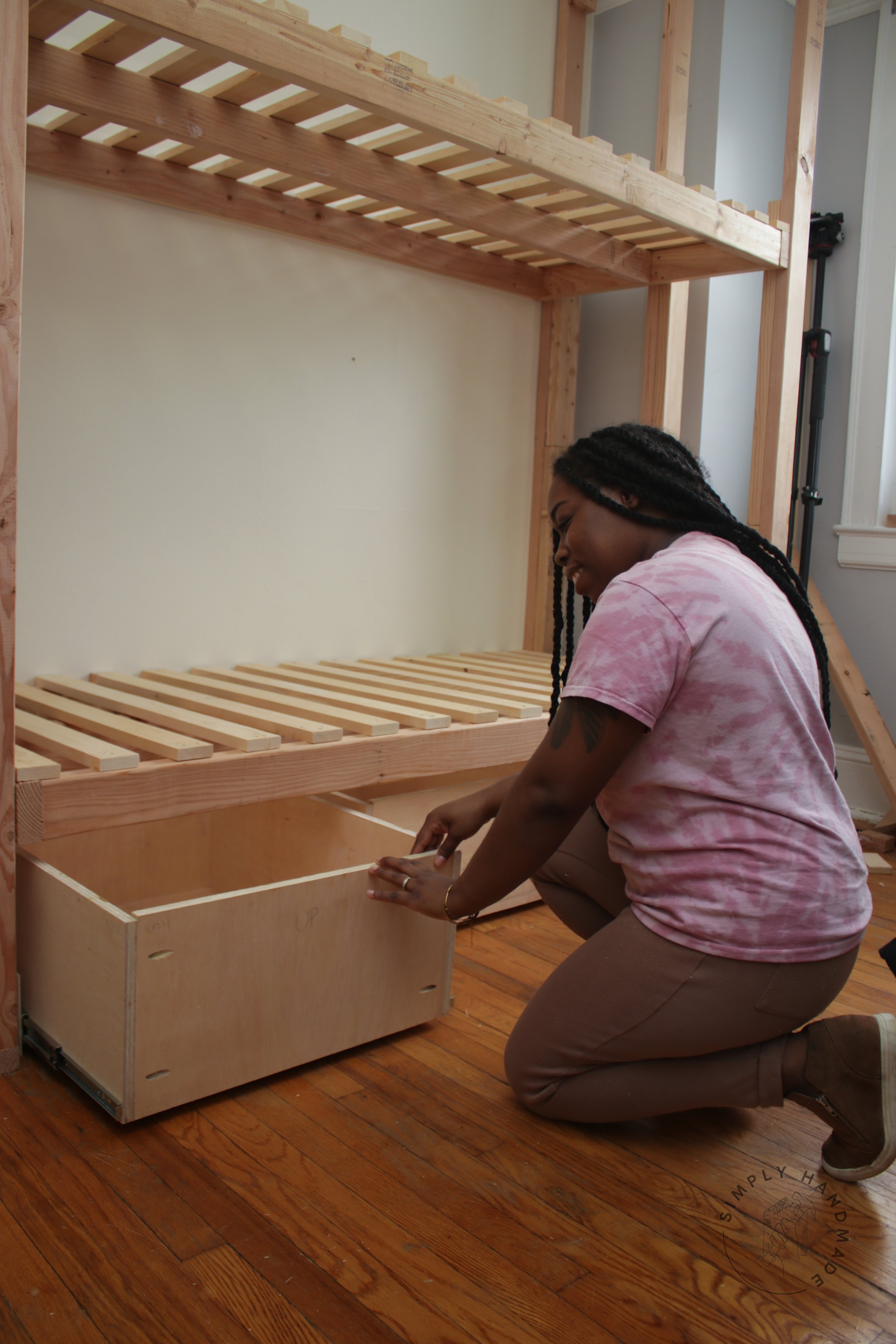
Credit: www.simplyhandmadestudios.com
Durability Factors
Choosing the right lumber for a bunk bed means focusing on durability. The wood must hold up to daily use and support weight safely. Durability factors help you pick lumber that lasts a long time and stays strong.
Strength And Weight Capacity
Strong wood keeps the bunk bed stable and safe. It must hold the weight of children or adults without bending. Hardwoods like oak and maple offer great strength. Softwoods like pine can work but need thicker pieces. Check the wood’s density to know how much weight it holds.
Resistance To Wear And Tear
Daily use can cause scratches, dents, and damage. Choose wood that resists these problems well. Hardwood is harder to dent and scratch. Pine and cedar have natural oils that resist decay and insects. A smooth finish also helps protect the wood surface over time.
Safety Considerations
Building a bunk bed requires careful attention to safety. Choosing the right lumber is only part of the process. The finish and smoothness of the wood are just as important. These factors protect children from harm and ensure the bed lasts long.
Non-toxic Finishes
Children spend many hours on bunk beds. Using non-toxic finishes keeps the bed safe. These finishes do not release harmful chemicals. They protect the wood while keeping the air clean. Look for water-based or natural oil finishes. Avoid paints or stains with strong fumes. Non-toxic finishes help prevent allergies and skin irritation. Always check labels for safety certifications.
Smoothness And Splinter Prevention
Rough wood can cause painful splinters. Sand the lumber thoroughly before building. Use fine-grit sandpaper for a smooth surface. Check all edges and corners carefully. Smooth wood feels comfortable to touch. It also reduces the chance of scratches. Regular inspection and maintenance keep the bed safe. Smoothness adds to the durability of the bunk bed.
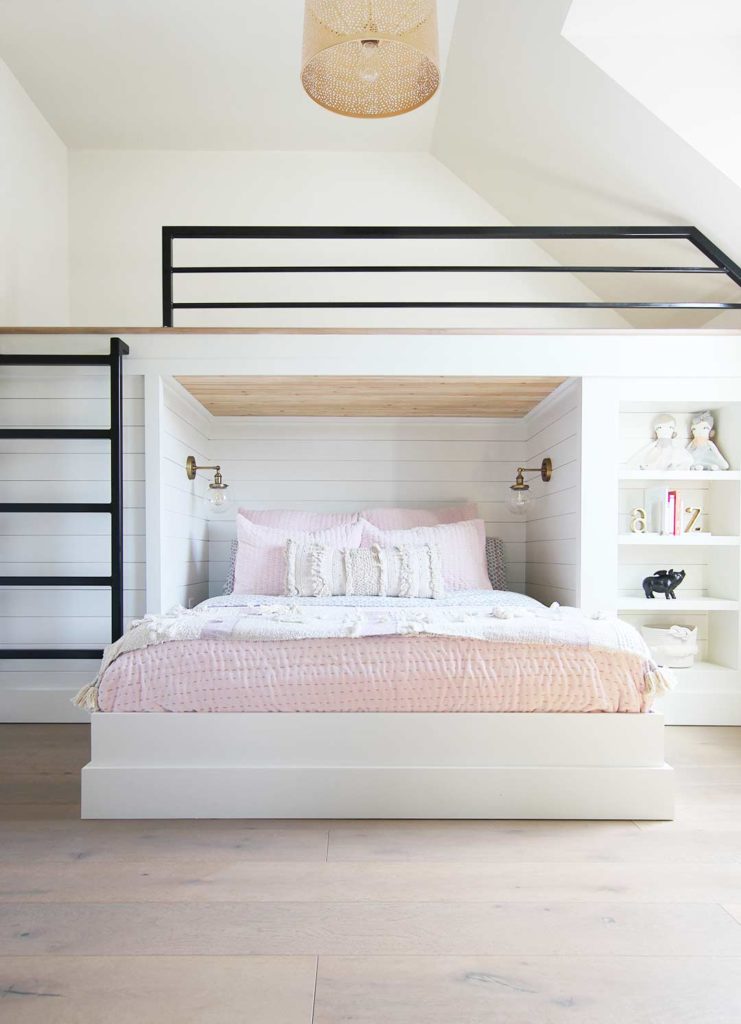
Credit: plankandpillow.com
Cost And Availability
Choosing the right lumber for a bunk bed depends a lot on cost and availability. These two factors affect the overall budget and project timeline. Finding wood that fits your price range and is easy to get makes building smoother. Some types of wood cost less but still offer good strength. Others may cost more but last longer or look better.
Budget-friendly Options
Pine is a popular budget-friendly choice. It is softwood and easy to cut. Pine is widely available at many stores. It has a light color that you can paint or stain. Another affordable option is fir. Fir is strong and holds screws well. Both pine and fir work well for bunk beds. They balance cost and quality nicely. Avoid very cheap lumber that might be weak or full of knots. Good quality wood saves money on repairs later.
Local Vs Imported Lumber
Local lumber often costs less because of lower shipping fees. It is easier to buy in small amounts. You can see the wood before buying. Local wood supports nearby businesses too. Imported lumber might offer more exotic or hardwood choices. It can be pricier and take longer to arrive. Sometimes imported wood has better durability or appearance. Check availability at your local stores before deciding. Choose wood that fits your budget and project needs.
Sustainability And Eco-friendliness
Building a bunk bed with eco-friendly wood helps protect forests. Choosing sustainable lumber supports a healthier planet. It reduces waste and lowers carbon footprints. This section explores wood options that are kind to nature.
Certified Woods
Certified woods come from forests managed with care. These woods meet strict environmental and social rules. Organizations like FSC and PEFC certify such lumber. Using certified wood ensures trees are replaced. It keeps forest ecosystems safe and thriving. Certified lumber offers quality wood and peace of mind. It helps builders make responsible choices for bunk beds.
Reclaimed Lumber
Reclaimed lumber is wood taken from old buildings or furniture. It gives new life to used wood instead of cutting trees. This wood is strong and full of character. Reclaimed wood often has unique grains and colors. It reduces demand for fresh lumber and prevents waste. Using reclaimed lumber creates eco-friendly and stylish bunk beds. It’s a smart way to build with the environment in mind.

Credit: joinerydesignco.com
Tips For Choosing Lumber
Choosing the right lumber is important to build a strong and safe bunk bed. The wood must hold weight and last a long time. Picking the right type and quality of wood helps avoid problems later. Follow these tips for a successful project.
Inspecting Lumber Quality
Check the wood for cracks, knots, and warping. These flaws can weaken the bed frame. Look for smooth, straight boards. Avoid pieces with splits or large knots. Good lumber feels solid and heavy. It should not bend easily when pressed.
Choose dry wood to prevent shrinking or twisting after assembly. Wet wood can cause gaps and instability. Feel the boards and smell them for freshness. Fresh lumber has a clean, natural scent. Avoid wood with mold or mildew spots.
Matching Lumber To Design
Pick wood types that fit the bed’s style and strength needs. Softwoods like pine are easy to work with and light. Hardwoods such as oak or maple provide extra strength. Consider the bed’s weight capacity and use.
Match the wood thickness to the bed design. Thicker boards offer better support but add weight. Thin boards may not hold heavy loads safely. Measure and plan cuts carefully. Consistent lumber sizes help the bed fit together well.
Frequently Asked Questions
What Type Of Wood Is Best For Bunk Bed Construction?
Hardwoods like oak, maple, and birch are ideal for bunk beds. They offer strength, durability, and resistance to wear. Softwoods like pine are affordable but less durable. Choose wood that supports weight safely and withstands daily use for long-lasting bunk beds.
Can I Use Pine Lumber For Building A Bunk Bed?
Yes, pine is commonly used due to affordability and workability. However, it is softer and less durable than hardwoods. Pine requires proper sealing and maintenance to avoid dents and scratches. It’s suitable for light to moderate use in bunk bed projects.
How Thick Should The Lumber Be For Bunk Beds?
Lumber thickness should be at least 1. 5 inches for frame support. Thicker wood increases stability and safety, especially for guardrails and slats. Use 2×4 or 2×6 boards for strong foundation and load-bearing parts. Always prioritize sturdiness in bunk bed design.
Is Treated Lumber Safe For Indoor Bunk Beds?
Treated lumber is not recommended for indoor bunk beds. Chemicals used in treatment can emit harmful fumes. Opt for untreated, kiln-dried wood or natural hardwoods for safe, non-toxic indoor furniture. Always check for wood safety standards before building.
Conclusion
Choosing the right lumber ensures your bunk bed is strong and safe. Pine offers affordability and ease of use. Oak provides durability and a nice finish. Cedar resists bugs and smells good. Always pick wood that holds weight well. Sand and seal the wood to avoid splinters.
Build carefully and double-check all joints. A sturdy bunk bed lasts for years. Your choice of lumber makes all the difference. Simple steps lead to a safe, comfortable bed. Ready to start building?