Are you struggling to find enough space in your toddler’s room? A Murphy bed might be the perfect solution for you.
It saves space, looks great, and gives your little one a cozy place to sleep. Building a toddler Murphy bed yourself can seem tricky, but with the right steps, you’ll have a smart, space-saving bed in no time. Keep reading, and you’ll discover easy tips and clear instructions that make this project simple and rewarding for you and your family.
Your toddler’s room will never look the same!
Choosing The Right Murphy Bed Design
Choosing the right Murphy bed design for a toddler is important for safety and comfort. The bed must fit the child’s room and daily needs. It should also be easy to use by both parents and toddlers. Proper design makes the bed a fun and practical part of the room.
Focus on simple, safe, and sturdy designs. Avoid complex mechanisms that can confuse or harm a toddler. The bed should fold smoothly and lock securely when in use or stored. Design choices affect how well the bed suits your child’s space and lifestyle.
Selecting Toddler-friendly Features
Choose a design with rounded edges to prevent injuries. Soft-close mechanisms help avoid pinched fingers. The bed height should be low for easy access. Use child-safe locks to keep the bed secure when folded. Bright colors or fun shapes can make the bed attractive. Avoid sharp corners and heavy parts that could fall.
Materials And Tools Needed
Use strong but light wood like pine or plywood. Avoid toxic paints or finishes. Sand all surfaces smooth to protect small hands. Tools include a drill, screwdriver, measuring tape, and level. Hinges and gas springs help with folding and unfolding. Safety straps and locks are essential. Have screws, bolts, and wood glue ready for assembly.
Preparing The Workspace
Preparing the workspace is the first step to building a toddler Murphy bed. A clean and organized area makes the project easier and safer. It helps avoid mistakes and saves time during assembly.
Clear out any clutter from the room. Make sure there is enough light to see your tools and materials clearly. Have a flat surface to work on, like a large table or the floor. This setup keeps everything within reach and prevents accidents.
Measuring The Space
Start by measuring the wall where the Murphy bed will go. Note the height, width, and depth available. Check for any obstacles like outlets or switches. These can affect where you place the bed.
Measure twice to be sure. Accurate measurements help avoid fitting problems later. Write down all numbers for easy reference during building.
Organizing Tools And Materials
Gather all tools before starting. Common tools include a drill, screwdriver, tape measure, level, and saw. Lay them out neatly on your work surface.
Sort the materials by type and size. Keep screws, bolts, and small parts in containers. This prevents losing pieces and speeds up the build.
Having everything ready lets you focus on the project. It reduces frustration and keeps the work smooth.
Building The Frame
Building the frame is the first big step in making a toddler Murphy bed. It holds everything together and keeps the bed strong. A solid frame means the bed will last and stay safe for your child. Pay close attention to the details as you work.
Cutting And Assembling Wood Pieces
Start by choosing good wood, like pine or plywood. Measure twice, cut once. Cut the wood pieces to the right size for the bed frame. Use a saw that you can handle safely. After cutting, arrange the pieces on a flat surface. Join the pieces with wood glue and screws. Make sure all corners are square. A square frame fits the mattress well and works smoothly.
Reinforcing For Safety
Safety is key for a toddler’s bed. Add extra supports inside the frame. Use corner brackets or metal plates for strength. Check all screws and nails are tight. Sand down rough edges to avoid splinters. Make sure the frame holds firm without wobbling. A strong frame protects your child during sleep and play.

Credit: www.amazon.com
Installing The Folding Mechanism
Installing the folding mechanism is a key step in building a toddler Murphy bed. It allows the bed to fold neatly against the wall. This saves space and keeps the room tidy. Proper installation ensures safety and smooth operation.
Choosing The Right Hinges
Select hinges that support weight and move easily. Heavy-duty piano hinges work well for toddler Murphy beds. They spread weight evenly and last longer. Avoid small or weak hinges that may break.
Measure the bed frame thickness before buying hinges. The hinges should fit flush with the wood. Check if the hinges have rust-resistant coating. This increases durability in a kid’s room.
Attaching And Testing The Mechanism
Attach the hinges to the bed frame and wall securely. Use long screws for a strong hold. Drill pilot holes to prevent wood splitting. Tighten screws evenly on both sides.
Test the folding action slowly. The bed should fold up and down without sticking. Adjust hinge position if the bed doesn’t close properly. Make sure the bed locks safely when folded.
Adding The Mattress And Bedding
Adding the mattress and bedding is a key step in finishing your toddler Murphy bed. This step makes the bed cozy and safe for your little one. Choosing the right mattress and securing the bedding properly ensures comfort and durability. It also keeps the bed neat and easy to use every day.
Selecting A Comfortable Mattress
Pick a mattress that fits the Murphy bed frame perfectly. Choose one with medium firmness for good support and softness. A mattress made of foam or latex works well for toddlers. It should be lightweight to make folding and unfolding easy. Look for a mattress with a washable cover to keep it clean. Make sure the mattress is safe and free from harmful chemicals.
Securing Bedding For Durability
Use fitted sheets that match the mattress size to avoid slipping. Choose bedding made from soft, breathable fabrics like cotton. Attach the bedding tightly so it stays in place during daily use. Avoid bulky blankets or heavy comforters that make folding hard. Consider using mattress straps or fasteners to hold everything securely. This keeps the bed neat and ready for bedtime every night.
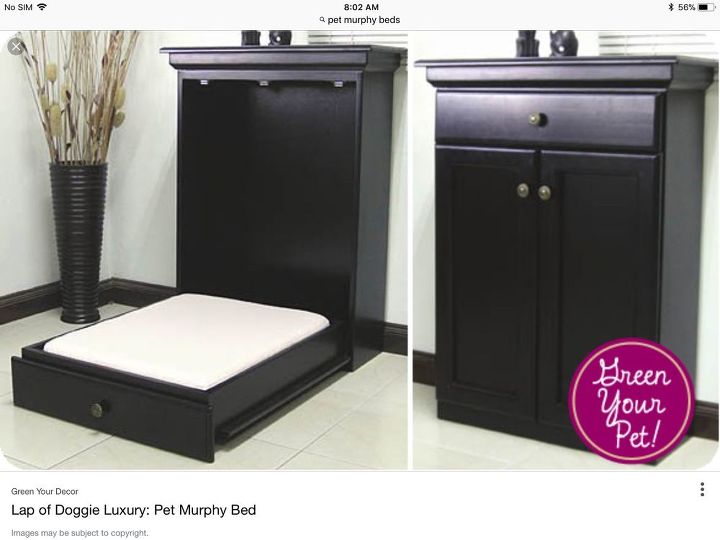
Credit: www.hometalk.com
Painting And Finishing Touches
Painting and finishing touches make your toddler Murphy bed look beautiful and last longer. These steps protect the wood and add charm to your child’s room. Choosing the right paint and small decorations creates a cozy and safe space. A well-finished bed invites your toddler to sleep comfortably and happily.
Choosing Safe Paint Colors
Pick paint that is safe for children. Use non-toxic, water-based paints with low or no VOCs. These paints are gentle on the air and do not cause bad smells. Choose soft, calming colors like light blue, green, or pastel shades. Avoid bright, harsh colors that might be too strong for a toddler’s room. Test the paint on a small wood piece first to see how it looks.
Adding Decorative Elements
Decorate the bed with simple, fun details. You can paint small shapes like stars, clouds, or animals. Use stencils for neat and easy designs. Add knobs or handles that are easy for little hands to grip. Make sure all decorations are smooth with no sharp edges. Keep decorations minimal to avoid clutter and keep the bed safe and tidy.
Tips For Safety And Maintenance
Building a toddler Murphy bed is a smart choice for saving space. Safety and maintenance are very important. A well-maintained bed keeps your child safe and extends the bed’s life. Simple steps help avoid accidents and keep the bed working well.
Regular Checks And Repairs
Check the bed often for loose screws and parts. Tighten any bolts that feel loose. Look for cracks or damage in the wood or metal. Fix small problems before they get bigger. Keep the moving parts clean and free of dust. Use mild soap and water for cleaning. Avoid harsh chemicals that can harm the bed.
Ensuring Child-friendly Use
Make sure the bed has no sharp edges or corners. Use padding or corner guards to protect your child. Teach your toddler how to use the bed safely. Always lower and raise the bed slowly. Lock the bed in place when it is down or up. Use safety straps if the bed design allows. Keep the area around the bed clear of toys and objects.

Credit: www.amazon.com
Frequently Asked Questions
What Materials Are Needed To Build A Toddler Murphy Bed?
You need plywood, hinges, screws, a bed frame, paint, and safety straps. Quality materials ensure durability and safety for toddlers. Choose non-toxic paint to keep the bed child-friendly and sturdy hinges for smooth operation.
How Much Space Does A Toddler Murphy Bed Save?
A toddler Murphy bed saves up to 50% floor space. It folds vertically against the wall, freeing up room for play or other furniture. This is ideal for small bedrooms or shared spaces.
Is Building A Toddler Murphy Bed Safe For Kids?
Yes, if built with secure hinges and safety straps. Smooth edges and non-toxic finishes prevent injuries. Proper installation ensures the bed locks firmly in both open and closed positions, keeping toddlers safe.
Can A Toddler Murphy Bed Be Customized?
Absolutely. You can customize size, color, and design to match your child’s room. Add fun decals or themed paint for personalization. Custom features can make the bed both practical and visually appealing.
Conclusion
Building a toddler Murphy bed saves space and adds fun to the room. The process takes some time but is worth the effort. Use the right tools and follow safety tips closely. A well-made bed keeps your child safe and comfortable.
Small rooms feel bigger with this smart furniture choice. Enjoy the extra floor space for play or learning. Keep the design simple and sturdy for long use. A DIY Murphy bed can make your home more organized. Try it step-by-step, and see the difference it brings.