Are you planning to store your furniture but wondering if climate-controlled storage is really necessary? You might think a regular storage unit will do just fine, but the truth is, your furniture faces hidden risks that could cause serious damage over time.
From wooden chairs that can warp and crack to leather couches that might dry out or mold, temperature and humidity swings can silently ruin your prized pieces. You’ll discover why climate-controlled storage can be a smart choice to protect your furniture’s beauty and value.
Plus, you’ll learn practical tips on what to do if climate control isn’t an option for you. Keep reading to make sure your furniture stays safe and looks great when you need it most.
Credit: www.storagestar.com
Climate Control Basics
Understanding climate control basics helps protect your furniture during storage. Maintaining the right environment prevents damage from weather changes. This section explains what climate control means and why temperature and humidity matter.
What Climate Control Means
Climate control means keeping temperature and humidity steady. Storage units with climate control avoid extreme heat or cold. They also prevent moisture from building up inside. This stable setting helps protect delicate furniture materials. Climate control stops wood from warping and fabric from molding.
Temperature And Humidity Effects
Furniture reacts to changes in temperature and humidity. Wood expands and shrinks with moisture swings. This can cause cracks and splits over time. High humidity encourages mold and mildew growth on fabrics and wood. Low humidity makes wood dry and brittle. Metal parts may rust if too humid. A balanced climate stops these problems.
Credit: www.storagestar.com
Wood Furniture Risks
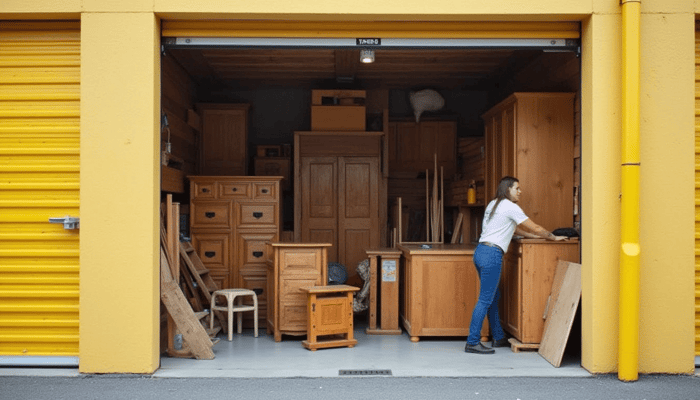
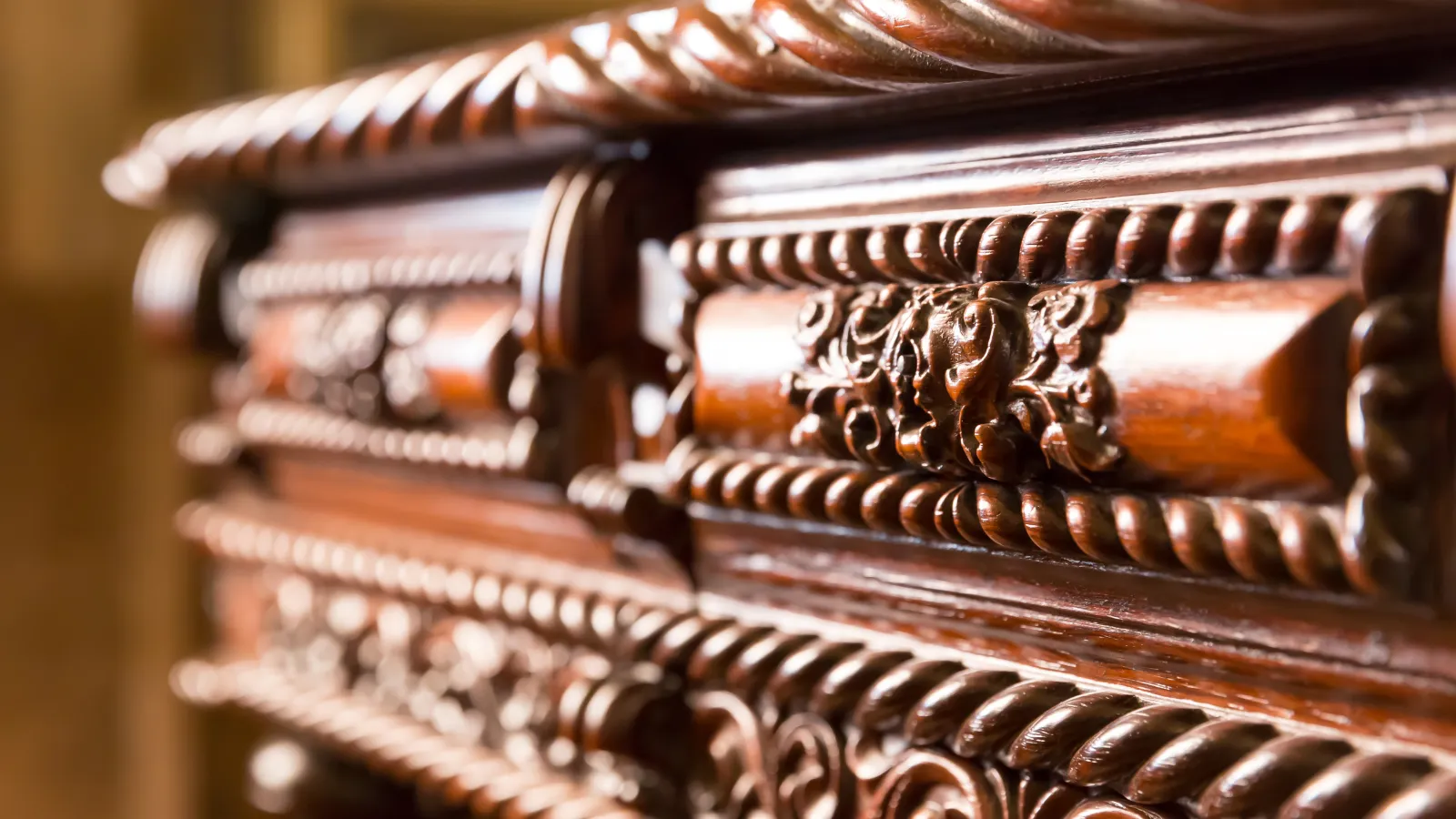
Wood furniture faces many risks without proper climate control. Changes in temperature and humidity cause damage that may last. Understanding these risks helps protect valuable pieces during storage. Wood is sensitive to moisture and temperature swings. These factors can weaken its structure and appearance over time.
Warping And Cracking
Wood expands and contracts with humidity changes. This natural movement can cause warping or twisting. Cracks may form as the wood dries unevenly. Warped or cracked furniture loses its shape and strength. Climate control keeps temperature and humidity stable. This prevents stress on the wood and avoids damage.
Mold And Mildew Growth
High humidity creates a perfect environment for mold. Mold and mildew grow on wood surfaces and inside joints. These fungi cause stains and weaken the wood fibers. Mold can spread quickly and cause health issues too. Climate-controlled storage reduces moisture levels. It stops mold growth and keeps furniture safe.
Damage To Veneers And Inlays
Veneers and inlays are thin layers glued to wood surfaces. They are more delicate than solid wood. Changes in humidity cause veneers to lift or peel away. Inlays may crack or loosen from the wood base. This ruins the furniture’s look and value. Stable conditions in climate-controlled storage protect these features. They keep veneers and inlays intact and beautiful.
Other Furniture Materials
Furniture made from materials other than wood also needs special care during storage. Different materials react differently to temperature and humidity changes. Some materials can crack, fade, rust, or become brittle if stored without proper climate control. Understanding these risks helps protect your valuable pieces.
Leather And Upholstery Concerns
Leather furniture is sensitive to both heat and moisture. High humidity can cause leather to develop mold or mildew. Dry air can make leather crack and lose its softness. Upholstered furniture can trap moisture inside, leading to mold growth and fabric damage. Fabric colors may fade if exposed to extreme temperatures. Climate-controlled storage keeps leather and upholstery in good condition by maintaining stable humidity and temperature.
Metal And Plastic Sensitivities
Metal furniture can rust if exposed to moisture and humidity changes. Rust weakens metal and ruins its appearance. Plastic furniture might become brittle or warp in extreme temperatures. Some plastics also fade or discolor under prolonged heat or sunlight. Climate control helps prevent rust on metal and stops plastic from cracking or deforming. It keeps these materials safe from damage caused by weather fluctuations.
Credit: www.midgardselfstorage.com
Benefits Of Climate-controlled Storage
Climate-controlled storage offers many benefits for keeping furniture safe. It keeps temperature and humidity steady. This protects your furniture from damage. Many types of furniture last longer in such conditions. This section explains key benefits of climate-controlled storage.
Maintaining Structural Integrity
Wood and other materials expand and contract with temperature changes. This causes warping and cracks. Climate control stops extreme shifts in temperature. It keeps wood stable and strong. Metal parts also avoid rust and corrosion. This extends the furniture’s life and usability.
Preserving Appearance
Humidity can cause mold and stains on fabric and wood. Climate control reduces moisture in the air. This prevents mold growth and discoloration. Leather furniture stays soft and does not dry out. Paint and finishes remain smooth and glossy. Your furniture looks new for longer.
Long-term Protection
Climate-controlled storage protects against pests attracted by dampness. It prevents mildew and odors from forming. This environment reduces damage from dust and dirt buildup. Furniture stored long-term keeps its value and quality. You avoid costly repairs or replacements later.
Storing Without Climate Control
Storing furniture without climate control requires careful preparation. Changes in temperature and humidity can damage wood, fabric, and metal parts. Taking steps to protect your furniture helps reduce risks of warping, mold, and rust. Proper storage techniques keep your pieces safe even in a non-climate-controlled space.
Protective Coverings
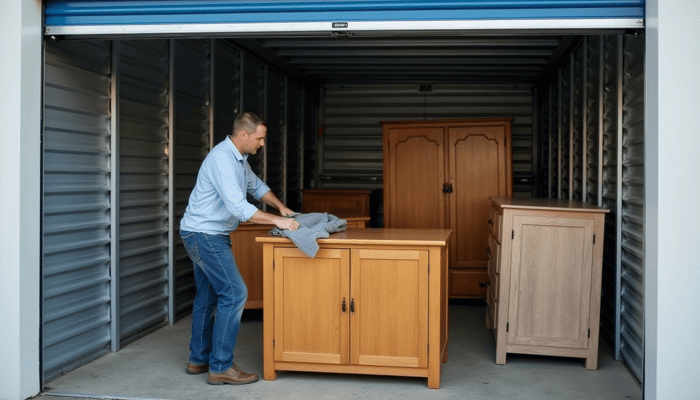
Use breathable covers like cotton sheets or canvas tarps. Avoid plastic covers that trap moisture and cause mold. Cover all exposed surfaces to protect against dust and dirt. Wrapping furniture this way helps preserve finishes and fabric.
Ensuring Proper Airflow
Air circulation prevents dampness and mold growth. Leave space between furniture pieces and walls. Avoid stacking items tightly together. Good airflow helps maintain a balanced environment around your furniture.
Elevating Furniture
Keep furniture off the floor using pallets or blocks. This prevents moisture from seeping into wood and fabric. Elevation also protects from pests and allows better air circulation underneath.
Regular Inspections
Check stored furniture every few weeks for signs of damage. Look for mold, cracks, or insect activity. Early detection allows quick action to prevent further harm. Regular care ensures your furniture stays in good condition.
Choosing The Right Storage
Choosing the right storage for your furniture is crucial to keep it safe and in good condition. Different types of furniture need different care. Selecting the proper storage depends on several factors like value, cost, and how long you plan to store the items.
Making the right choice helps avoid damage from humidity, temperature, and pests. It also saves money by preventing costly repairs or replacements later. Let’s explore important points to consider when choosing storage for your furniture.
Assessing Furniture Value
Consider how much your furniture is worth before deciding on storage. High-value items like antiques or designer pieces need extra protection. Climate-controlled storage can prevent warping, cracking, and mold on valuable wood and upholstery.
Less expensive or durable furniture may not require strict climate control. Still, some protection from extreme heat or cold is wise. Knowing your furniture’s value guides you to the best storage option.
Cost Vs. Protection
Climate-controlled storage costs more than standard units. This extra expense is often worth it for delicate or expensive furniture. It keeps items safe from damage caused by humidity and temperature changes.
For budget storage, choose units with good ventilation and cover furniture with breathable materials. Evaluate if the added cost fits your budget and the level of protection your furniture needs.
Storage Duration Considerations
The length of storage affects the type of unit you choose. Short-term storage may not require climate control if conditions are mild. Long-term storage increases risks of damage without temperature and humidity regulation.
For long periods, climate-controlled units provide stable conditions that preserve furniture quality. Think about how long your furniture will stay stored to pick the right solution.
Frequently Asked Questions
Do Couches Need To Be Stored In Climate Control?
Couches should be stored in climate-controlled units to prevent damage from humidity and temperature changes. This protects wood, leather, and upholstery from warping, cracking, mold, and fading. Climate control maintains furniture quality and extends its lifespan during storage.
Does Wood Furniture Need To Be Stored In Climate Control?
Yes, storing wood furniture in climate-controlled environments prevents warping, cracking, mold, and preserves its appearance and durability.
How Do You Store Furniture In Non-climate-controlled Storage?
Cover furniture with breathable sheets and elevate off the ground to prevent moisture damage. Ensure airflow and check items regularly for mold or pests. Avoid plastic covers that trap humidity. Store wooden pieces carefully to reduce warping and cracking risks in non-climate-controlled units.
What Furniture Needs To Be Climate Controlled?
Wood, leather, upholstered, metal, and plastic furniture need climate-controlled storage. It prevents warping, cracking, mold, and damage from humidity and temperature changes.
Conclusion
Choosing climate-controlled storage for your furniture protects it from damage. Wood can warp, crack, or develop mold without stable temperature and humidity. Upholstered and leather pieces also suffer in harsh conditions. If climate control is unavailable, use covers and raise furniture off the floor.
Check on your items often to catch problems early. Proper storage keeps your furniture looking good and lasting longer. This simple step saves money and worry in the long run.