Are you looking to give your ply board bookshelf a fresh, new look? Painting it yourself can be easier than you think, and the results will make your space feel brand new.
Whether your shelf is plain or worn out, the right paint can transform it into a stylish piece that matches your room perfectly. In this guide, you’ll discover simple steps and insider tips that anyone can follow. Ready to bring your bookshelf back to life with color?
Let’s dive in and make your project a success!
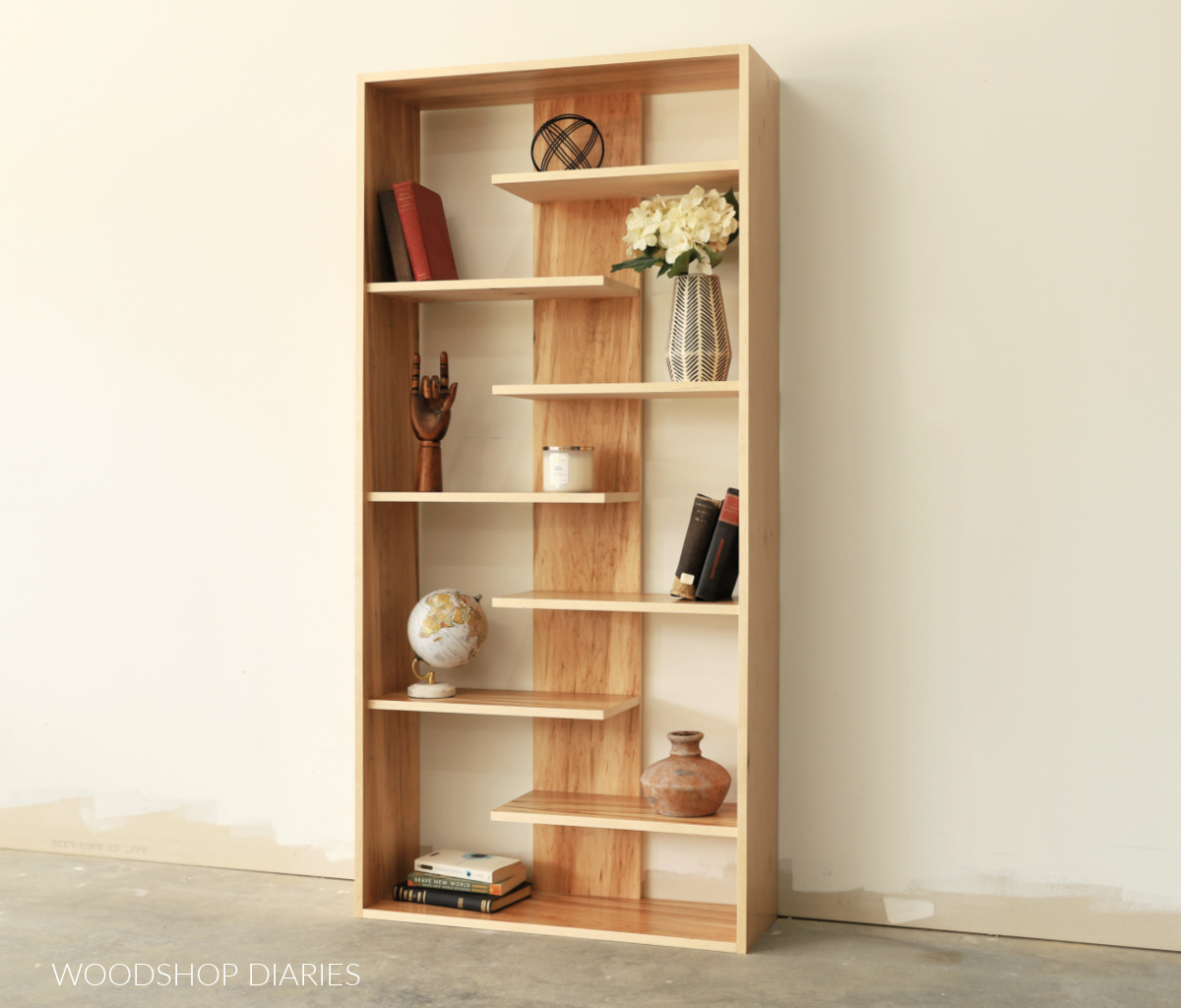
Credit: www.woodshopdiaries.com
Choosing The Right Paint
Choosing the right paint is important for your ply board bookshelf. The paint affects how the bookshelf looks and how long it lasts. Picking the right type, color, and finish helps your shelf stay strong and beautiful. Understanding these basics makes painting easier and more fun.
Types Of Paint Suitable For Ply Board
Use paint that sticks well to wood surfaces. Acrylic paint works great. It dries fast and cleans up with water. Another good choice is latex paint. It is easy to apply and lasts long. Oil-based paint gives a smooth finish but takes longer to dry. Avoid spray paint because it may not cover evenly.
Selecting Colors For Your Bookshelf
Choose colors that match your room style. Light colors make the space look bigger. Dark colors give a bold, modern look. Think about the books and items you will place on the shelf. Neutral shades like white, beige, or gray fit most decors. Bright colors add personality and fun.
Paint Finishes And Their Effects
Paint finish changes how your bookshelf looks and feels. Matte finish hides surface flaws but is less shiny. Satin finish has a soft shine and cleans easily. Glossy finish is very shiny and shows scratches more. Semi-gloss finish balances shine and durability. Pick a finish that fits your style and use.
Preparing The Ply Board Surface
Preparing the ply board surface is the first step to a smooth, lasting paint job. Proper preparation helps paint stick better and look neat. It also protects the wood from damage and wear. Follow these steps carefully to get the best results on your bookshelf.
Cleaning And Sanding The Surface
Start by cleaning the ply board with a damp cloth. Remove dust, dirt, and grease completely. Let the surface dry before sanding. Use fine-grit sandpaper to smooth the surface. Sand lightly to avoid damaging the wood. This step opens the wood pores for better paint grip. After sanding, wipe off the dust with a dry cloth.
Filling Holes And Imperfections
Check the surface for holes, dents, or cracks. Use wood filler to fill these imperfections. Apply the filler with a putty knife. Press firmly and smooth the surface. Let the filler dry according to the instructions. Sand the filled areas to make them even with the board. Remove all dust after sanding for a clean finish.
Priming For Better Adhesion
Apply a coat of primer to the ply board. Primer seals the surface and improves paint adhesion. Use a brush or roller for even coverage. Allow the primer to dry completely. Lightly sand the primed surface for smoothness. Clean off the dust before painting. Priming ensures your paint lasts longer and looks professional.
Gathering Necessary Tools
Before you start painting your ply board bookshelf, gather all the tools you need. Having the right tools makes the job easier and the finish better. This step saves time and helps avoid mistakes during painting.
Brushes And Rollers
Choose brushes with synthetic bristles for smooth paint application. Small angled brushes help reach corners and edges. Use a foam roller for large flat surfaces. Rollers give an even coat without brush marks. Select the right size to fit your bookshelf panels.
Protective Gear
Wear gloves to keep paint off your hands. Use a mask to avoid breathing paint fumes. Safety glasses protect your eyes from splashes. Cover old clothes with an apron or work shirt. Protect your workspace with a drop cloth or newspaper.
Additional Supplies
Sandpaper smooths the plywood surface before painting. A clean cloth removes dust after sanding. Painter’s tape helps create clean lines and protects edges. Have a paint tray ready for your roller or brush. Use a stir stick to mix the paint well.
Step-by-step Painting Process
Painting a ply board bookshelf can change its look and protect the wood. Following a clear step-by-step painting process helps achieve a smooth and lasting finish. This guide breaks down each step to make painting simple and effective.
Applying The Primer
Start by cleaning the bookshelf surface. Remove dust and dirt with a damp cloth. Use a brush or roller to apply a thin, even layer of primer. Primer helps paint stick better and covers any imperfections. Let the primer dry completely before moving on. This usually takes a few hours.
First Coat Of Paint
Choose a paint suitable for wood surfaces. Apply the first coat carefully with a brush or roller. Spread the paint evenly, covering all areas. Avoid thick layers to prevent drips and uneven drying. Allow the paint to dry fully, which can take several hours.
Sanding Between Coats
Lightly sand the painted surface with fine-grit sandpaper. This step smooths out bumps and brush marks. Wipe away dust with a clean cloth after sanding. Sanding helps the next paint layer stick better and look smoother. Be gentle to avoid removing too much paint.
Applying Additional Coats
Apply one or two more coats of paint for full coverage. Use the same method as the first coat. Let each coat dry and sand lightly before the next. Multiple coats give a richer color and stronger protection. Finish by letting the bookshelf dry completely before use.
Finishing Touches
Finishing touches give your ply board bookshelf a polished look. This step protects your paint and adds style. Small details can make a big difference. Take your time to make the shelf look its best.
Sealing The Paint
Sealing keeps the paint safe from scratches and water. Use a clear sealant like polyurethane or varnish. Apply thin, even coats with a brush. Wait for each coat to dry before adding the next. This helps the paint last longer and shine.
Adding Decorative Elements
Decorations add personality to your bookshelf. Try stencils or stickers for patterns. You can also add small wooden shapes or metal handles. Choose simple decorations to keep the look neat. Paint them in colors that match or contrast softly.
Drying And Curing Time
Let your bookshelf dry fully before use. Drying means the paint feels dry to touch. Curing means the paint hardens inside. It can take several days for full curing. Avoid heavy use during this time to keep paint perfect.
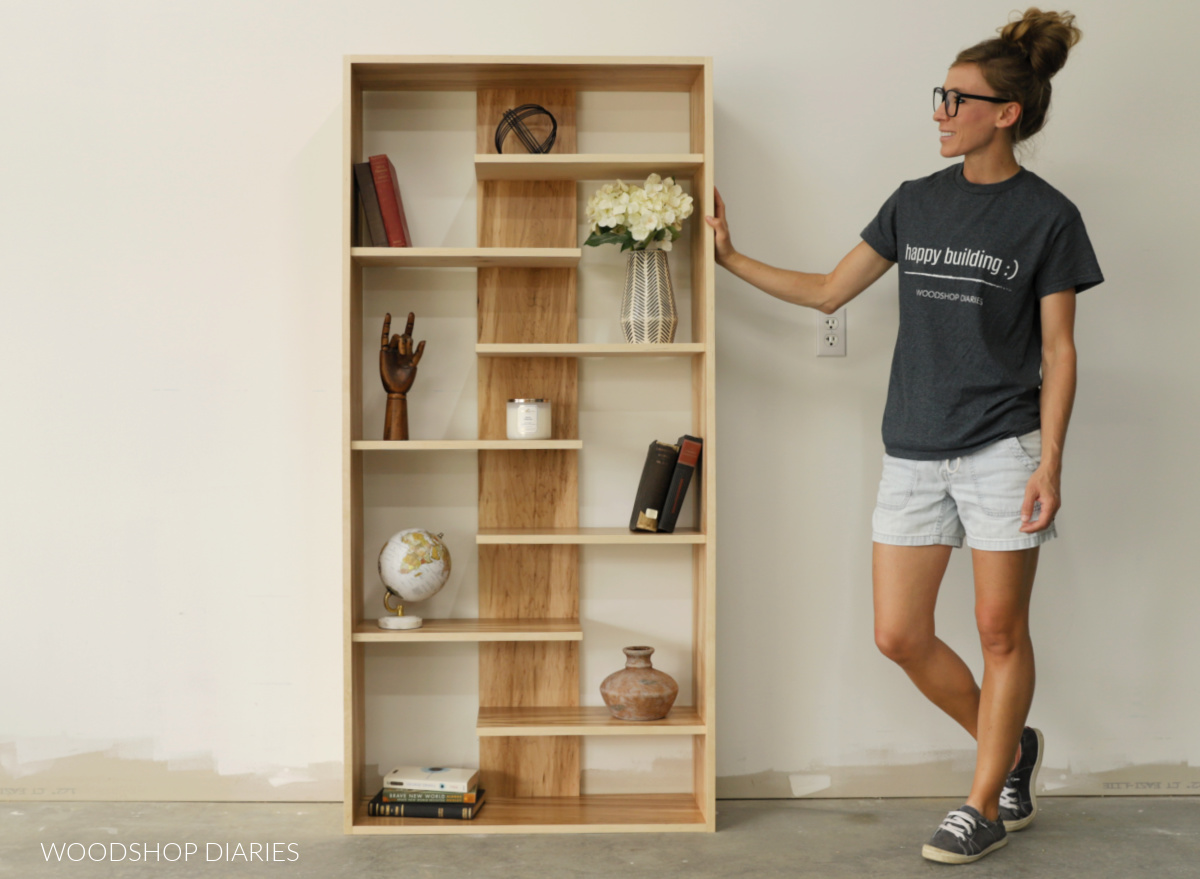
Credit: www.woodshopdiaries.com
Common Mistakes To Avoid
Painting a ply board bookshelf can refresh its look and protect the wood. Avoiding common mistakes helps get a smooth, lasting finish. Many beginners make errors that cause paint to peel or look uneven. Knowing what to avoid saves time and effort.
Skipping Surface Preparation
Surface preparation is key to good paint adhesion. Not sanding or cleaning the ply board leads to rough spots. Dust and grease stop paint from sticking properly. Always sand the surface lightly and wipe it clean before painting.
Using The Wrong Paint Type
Choosing the right paint affects durability and appearance. Water-based paint works well for indoor shelves. Oil-based paint takes longer to dry and can smell strong. Avoid using wall paint, as it may chip easily on furniture.
Applying Thick Coats
Thick paint coats take longer to dry and can drip. Thick layers often cause bubbles or uneven texture. Use thin, even coats for a smooth finish. Let each coat dry fully before adding the next one.
Maintenance Tips For Painted Bookshelves
Maintaining painted ply board bookshelves keeps them looking fresh and new. Proper care prevents damage and extends their life. Simple habits protect the paint and preserve the shelf’s beauty.
Cleaning Without Damage
Dust the bookshelf regularly with a soft cloth. Avoid abrasive cleaners that can scratch the paint. Use a damp cloth with mild soap for stains. Dry the surface immediately to stop water damage.
Touching Up Scratches
Small scratches can ruin the look of your shelf. Lightly sand the damaged area with fine sandpaper. Apply matching paint with a small brush for a smooth finish. Let it dry fully before using the shelf again.
Protecting The Finish Over Time
A clear topcoat helps protect the paint from wear. Reapply the topcoat every year to keep the surface strong. Avoid placing heavy or sharp objects that may chip the paint. Use coasters or pads under items to prevent marks.
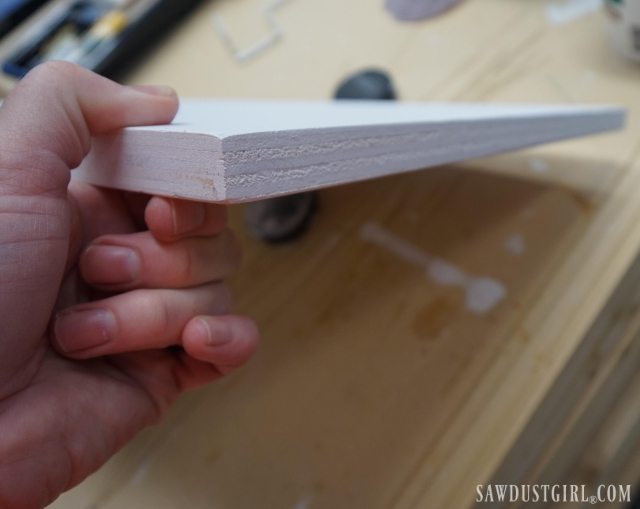
Credit: sawdustgirl.com
Frequently Asked Questions
How Do I Prepare Ply Board For Painting?
Start by sanding the ply board to smooth the surface. Clean off dust with a damp cloth. Apply a primer to seal the wood. This ensures better paint adhesion and a durable finish.
What Type Of Paint Works Best On Ply Board?
Use acrylic or latex paint for ply board. These paints offer good coverage and durability. They dry quickly and resist cracking. Avoid oil-based paints as they may not adhere well.
How Many Coats Of Paint Are Needed?
Apply two to three coats for even coverage. Let each coat dry completely before applying the next. Multiple coats help achieve a smooth, vibrant finish on your bookshelf.
Should I Seal The Painted Ply Board Bookshelf?
Yes, applying a clear sealant protects the paint. Use a water-based polyurethane for a durable, non-yellowing finish. Sealing extends your bookshelf’s lifespan and enhances its appearance.
Conclusion
Painting a ply board bookshelf can be simple and fun. Choose the right paint and prepare the surface well. Apply thin coats and let each dry fully. This helps avoid drips and gives a smooth finish. A freshly painted bookshelf brightens any room and protects the wood.
Try different colors to match your style. You will enjoy your new, colorful bookshelf every day. Give it a try and see the difference yourself!