Are you staring at your bookshelf wondering how to make it look more inviting and stylish? A well-arranged bookshelf doesn’t just hold your favorite reads—it can transform your entire room.
Imagine walking into your space and feeling instantly calm and inspired every time you see your shelves. This guide will show you simple, creative ways to arrange your books so your shelf becomes a beautiful focal point. Ready to turn your cluttered shelf into a work of art?
Keep reading, and discover how easy it is to make your bookshelf truly pleasing to the eye.
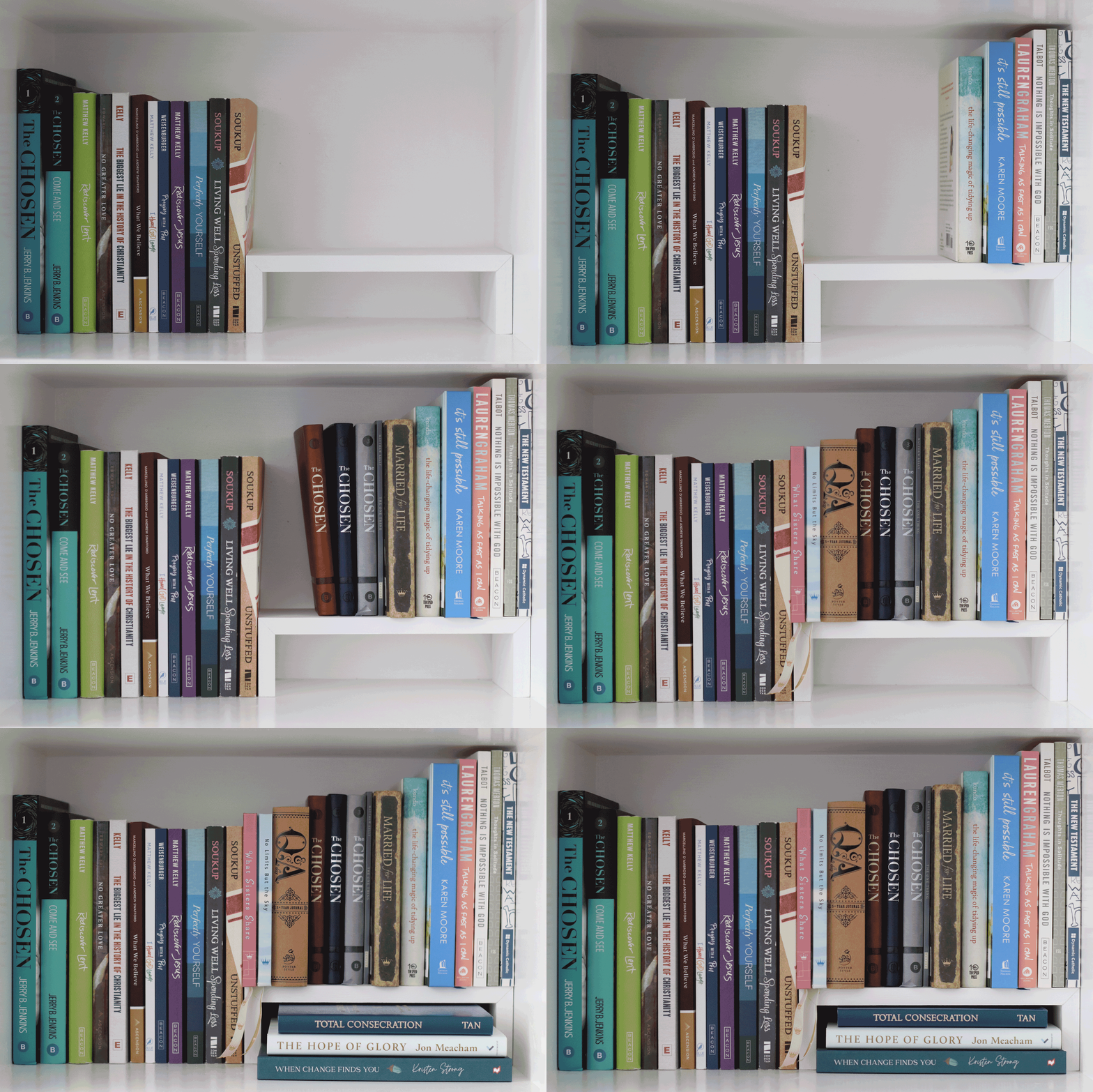
Credit: www.neathousesweethome.com
Choosing The Right Bookshelf
Choosing the right bookshelf is the first step to create a beautiful book display. The right shelf holds your books safely and looks good in your space. It matches your room style and fits the books you own. This choice sets the tone for your entire bookshelf arrangement.
Material And Finish
Bookshelves come in many materials like wood, metal, and plastic. Wood gives a warm, classic feel. Metal feels modern and strong. Choose a finish that fits your room’s look. Light wood makes a room feel airy. Dark wood adds richness and depth. A smooth finish looks clean and neat. Rough textures add character and charm.
Size And Shape
Bookshelves come in many sizes and shapes. Tall shelves hold many books but need high ceilings. Short shelves work well under windows or low walls. Wide shelves give space for decor items too. Narrow shelves fit in small corners. Think about how many books you have. Also, consider space for future books or items.
Placement In The Room
Place your bookshelf where it is easy to reach. Near a reading chair or desk is ideal. Avoid spots with direct sunlight to protect books. Against a solid wall gives stability. Open spaces let the shelf stand out as a feature. Make sure it does not block windows or doors. Placement affects how the shelf complements the room.

Credit: www.neathousesweethome.com
Organizing Books By Color
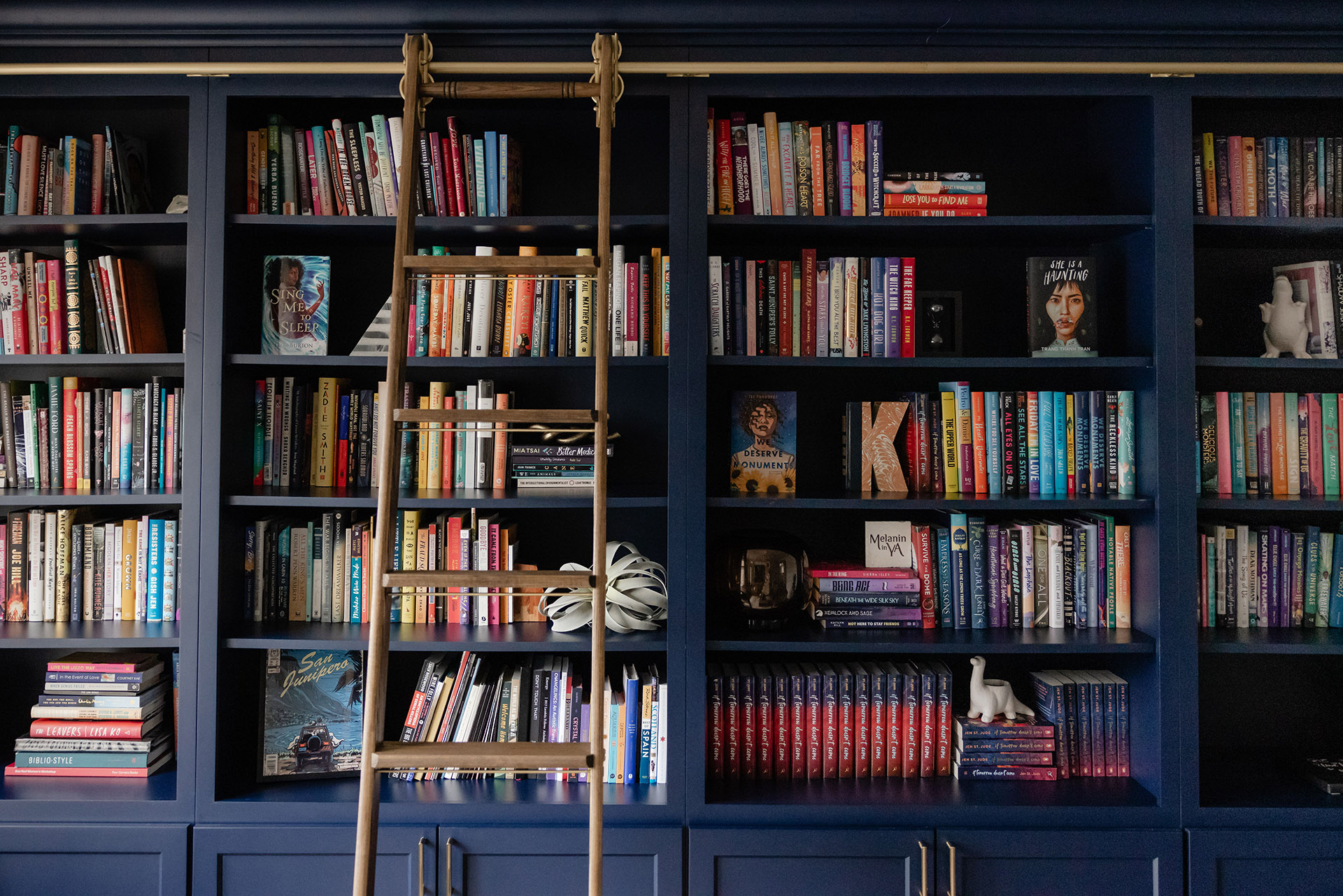
Organizing books by color creates a visually appealing bookshelf. It turns a simple shelf into an art piece. Color coordination helps you find books quickly. Your bookshelf will look neat and inviting. This method works well for all types of books.
Creating A Rainbow Effect
Arrange your books by the colors of the rainbow. Start with red, then orange, yellow, green, blue, indigo, and violet. This order creates a smooth color flow. It brightens the room and draws attention. The rainbow effect suits bright or neutral room colors.
Monochrome Arrangements
Choose books with covers in the same color. Arrange them from light to dark or vice versa. This style looks calm and elegant. It works well for small shelves or tight spaces. Monochrome shelves blend easily with any décor.
Using Color Blocks
Group books by similar colors into blocks. Place these color blocks side by side. This creates a modern and organized look. It breaks the shelf into colorful sections. Color blocks add structure and visual interest.
Mixing Books With Decor
Mixing books with decor creates a balanced and inviting bookshelf. It breaks the monotony of rows filled only with books. This style brings personality and warmth to any room. Combining different elements adds texture and color. It makes your bookshelf a focal point instead of just storage.
Adding Plants And Greenery
Plants add life and freshness to shelves. Small potted plants or succulents fit perfectly between books. Greenery softens the hard lines of book spines. It also brightens dark corners. Choose plants that need little light and care for easy maintenance. The natural touch helps create a calm and cozy atmosphere.
Incorporating Art And Frames
Art and photo frames add a personal touch. Place small framed prints or photos leaning against the back of the shelf. They bring color and interest without cluttering. Rotate the art pieces to keep the look fresh. Mix vertical and horizontal frames for visual variety. This method makes shelves more dynamic and unique.
Displaying Collectibles And Objects
Collectibles and objects tell your story and spark curiosity. Use small sculptures, pottery, or souvenirs to decorate spaces between books. Group items in odd numbers for a natural feel. Avoid crowding to keep the shelf tidy. These pieces add character and charm to your bookshelf.
Balancing Vertical And Horizontal Stacks
Balancing vertical and horizontal stacks creates a dynamic look on any bookshelf. Mixing these styles adds texture and interest. It breaks the monotony of rows filled with only one type of stack. This balance helps the shelf appear organized yet creative. It also makes books easier to find and access. Using both methods smartly changes the flow and feel of the space.
Stacking Books Horizontally
Stacking books horizontally means placing them flat, one on top of another. This method creates a solid base or a mini table on the shelf. It works well for large or heavy books that are hard to stand upright. Horizontal stacks can also act as bookends for vertical rows. They add visual weight and variety to the bookshelf. This style allows you to display the cover or spine clearly. It’s a casual, relaxed way to showcase your collection.
Arranging Books Vertically
Arranging books vertically is the classic bookshelf style. Books stand upright, side by side, showing their spines. This layout makes titles easy to read and find quickly. Vertical rows save space and fit many books neatly. Grouping books by color, size, or genre works well in this style. It creates a clean, orderly look that feels balanced and neat. Vertical arrangement keeps the shelf tidy and efficient.
Combining Both Styles
Combining vertical and horizontal stacks brings the best of both worlds. Place horizontal stacks at different heights to break the vertical lines. Use them as platforms for small objects or plants. Mix vertical rows with horizontal piles to create rhythm. This mix prevents the shelf from looking too uniform or boring. It adds depth and personality to the space. The combination invites the eyes to move around and explore.
Creating Negative Space
Creating negative space on your bookshelf helps make it look clean and balanced. Negative space means leaving some areas empty. This space allows your eyes to rest and highlights the books and decor. A bookshelf with negative space feels inviting and organized.
Using empty areas smartly can change how your bookshelf looks. It stops the shelf from feeling crowded or messy. Negative space also makes the shelf’s design stand out more clearly.
Leaving Room For Breathing Space
Leave some gaps between books and objects on the shelf. This space lets each item have its own place. Avoid pushing everything together. Breathing space makes the shelf easier to look at and more relaxing.
Small empty spots create rhythm and flow. They help your eyes move naturally across the shelf. This simple step improves the shelf’s overall style and feel.
Avoiding Overcrowding
Do not fill every inch of the shelf. Overcrowding makes the shelf look busy and cluttered. It hides the beauty of the books and objects.
Select only your favorite or most important items. Spread them out with space in between. This keeps the shelf neat and pleasing to the eye.
Using Empty Shelves As Design Elements
Empty shelves can be part of the design. Use them to create contrast with filled shelves. This adds interest and balance to the whole bookshelf.
Empty shelves give a modern and airy look. They draw attention to the filled shelves and enhance the style. Do not be afraid to leave some shelves empty on purpose.
Using Lighting To Enhance Appeal
Lighting plays a big role in making a bookshelf look beautiful. It can bring out colors and shapes of books and decorations. Good lighting can make the shelf stand out and create a warm feeling in the room.
Using the right light helps show off your favorite books and items. It also makes the space more inviting to spend time in. Bright or soft lights change the mood and style of the bookshelf.
Spotlights And Led Strips
Spotlights focus light on certain parts of the shelf. They create bright spots that catch the eye. Use spotlights to highlight special books or decorations.
LED strips are thin lights that run along the edges. They give a soft glow to the whole shelf. LED strips are energy-saving and last a long time.
Both spotlights and LED strips add depth and interest. They make the bookshelf look modern and clean.
Natural Light Considerations
Natural light changes throughout the day. It can brighten the shelf in the morning and soften it in the evening.
Place the bookshelf where it can get some daylight. Avoid direct sunlight to prevent book damage and fading.
Use light curtains to control how much sunlight reaches the shelf. This keeps the books safe and the room cozy.
Highlighting Key Items
Use lighting to focus on important objects. A favorite book, a photo, or a unique decoration can stand out with light.
Bright light draws attention and creates a focal point. This makes the shelf look more organized and thoughtful.
Try small lamps or tiny spotlights for these key items. It adds style and makes your shelf personal.
Maintaining And Refreshing The Look
Keeping your bookshelf looking fresh and neat takes a little effort. A well-maintained shelf invites you to spend more time with your books and decor. Small habits help maintain its charm and style over time.
Regular Dusting And Cleaning
Dust settles quickly on books and shelves. Clean surfaces keep your shelf bright and inviting. Use a soft cloth to wipe dust gently. Clean book covers carefully to avoid damage. Regular cleaning prevents dust buildup and keeps your space healthy.
Rotating Books And Decor
Change the arrangement to keep the look interesting. Move books from one shelf to another. Swap decor items like vases or frames. This simple change refreshes the entire shelf. Rotating items also helps you notice forgotten books or objects.
Seasonal Updates
Adjust your shelf according to the seasons. Add small touches like autumn leaves or spring flowers. Use colors that match the time of year. Seasonal updates give your shelf a new personality. They keep your space lively and connected to nature.
Credit: daraagrussdesign.com
Frequently Asked Questions
How Do I Start Arranging My Bookshelf Aesthetically?
Begin by decluttering and categorizing your books. Group by color, size, or genre for a neat look. Add decorative items for balance and interest.
What Are The Best Ways To Mix Books And Decor?
Alternate stacks of books with decorative pieces like plants or art. This breaks monotony and adds visual appeal to your shelf.
How Can Color Coordination Improve Bookshelf Appearance?
Color coordination creates harmony and attracts attention. Arrange books by spine color in gradients or blocks for a stylish, cohesive look.
Should I Arrange Books By Size Or Genre?
Both methods work well. Size grouping offers neatness, while genre grouping improves book accessibility. Choose based on your priority and shelf space.
Conclusion
A well-arranged bookshelf adds charm and order to any room. Play with colors, sizes, and shapes to create balance. Mix books with decorative items for a personal touch. Keep it neat but feel free to be creative. Your bookshelf can reflect your style and make reading more inviting.
Try different setups until it feels right to you. Enjoy the process and the cozy space you create.