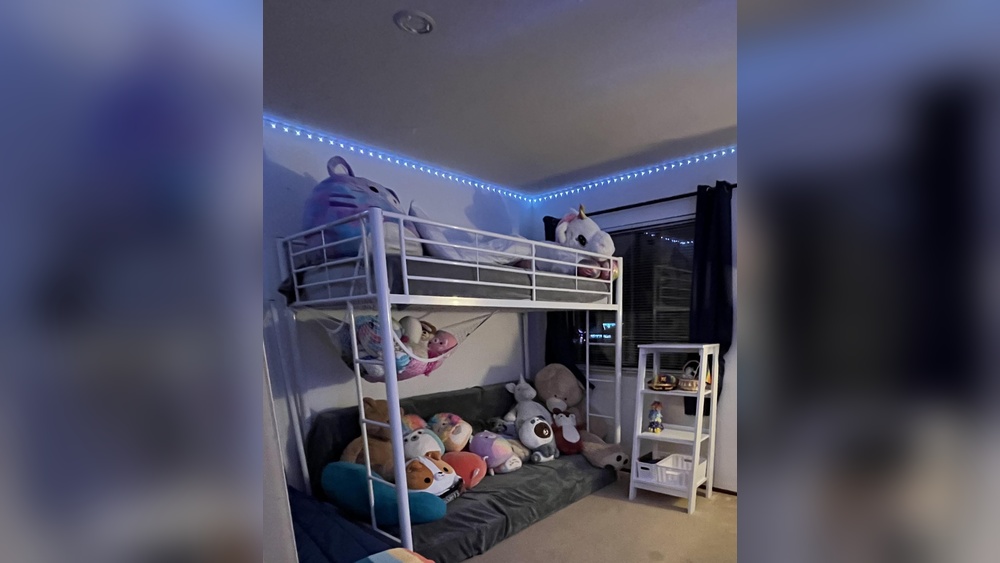
Is your bunk bed making annoying squeaky noises every time you move? That creak can be more than just a little irritating—it can disrupt your sleep and disturb everyone in the room.
You don’t have to live with that noise. You’ll discover simple, effective ways to stop your bunk bed from squeaking. By the end, you’ll know exactly what to do to enjoy quiet, peaceful nights. Keep reading to find out how easy it is to fix this common problem.
Common Causes Of Bunk Bed Squeaks
Bunk bed squeaks can be annoying and disrupt sleep. Understanding why your bunk bed makes noise helps fix it faster. Many bunk bed squeaks come from common, easy-to-solve issues. These problems often involve parts moving against each other or loose fittings. Identifying the exact cause lets you apply the right solution and enjoy a quiet bed again.
Loose Joints And Screws
Loose joints and screws are the main cause of bunk bed squeaks. Over time, screws can loosen from regular use. Loose joints allow parts to move and rub, creating noise. Tightening screws often stops the squeak immediately. Check all joints and screws carefully to find any loose spots. Tighten them with a screwdriver or wrench for a firm hold.
Worn Out Bed Frame
A worn out bed frame may cause creaking sounds. Wood or metal frames weaken after years of use. Cracks, splits, or bends in the frame can cause movement and noise. Inspect your bed frame for any damage. Replace or repair damaged parts to stop the squeak. A strong frame supports the bed and keeps it quiet.
Friction Between Components
Friction between bunk bed parts creates squeaky sounds. Moving parts rub together without enough lubrication. Metal on metal or wood on wood can produce noise. Applying lubricant like wax or oil reduces friction and quiets the bed. Focus on areas where parts touch or slide against each other. Regular lubrication keeps your bunk bed silent and smooth.

Credit: www.happybeds.co.uk
Tools And Materials Needed
Fixing a squeaky bunk bed needs the right tools and materials. Using proper items makes the repair easier and effective. Gather everything before starting. This saves time and avoids frustration.
Basic Repair Tools
You need simple tools for most bunk bed repairs. A screwdriver helps tighten loose screws. Choose a Phillips or flat-head type, depending on your bed’s screws.
A wrench or socket set is useful for bolts and nuts. These tools help secure the frame tightly. A hammer may be needed to adjust wooden parts gently. Sandpaper can smooth rough edges that cause noise.
Lubricants And Cushions
Lubricants reduce friction between moving parts. Use a silicone spray or WD-40 for metal joints. Avoid oils that attract dust and dirt.
Cushions or pads stop parts from rubbing directly. Felt pads or rubber washers work well for this. Place them between wood and metal contacts. They help keep the bed quiet and stable.
Quick Fixes For Squeaky Beds
Squeaky bunk beds can disturb your sleep and annoy you every night. Fixing the noise does not always require big repairs. Many times, small, quick fixes stop the squeak fast. These simple steps save time and effort.
Start by checking the bed’s joints and moving parts. Tighten loose screws and bolts. Add lubrication to reduce friction. Use felt pads or rubber cushions to soften contact points. These fixes work well for most squeaky bunk beds.
Tightening Screws And Bolts
Loose screws and bolts cause most bed noises. Use a screwdriver or wrench to check all parts. Tighten every screw and bolt firmly. Make sure no piece moves easily. This step often stops the squeak immediately.
Adding Lubrication
Friction between wood or metal parts creates noise. Apply a small amount of lubricant to joints. Use silicone spray, WD-40, or household oil. Avoid too much oil; just a thin layer works. Move the bed parts to spread lubricant well.
Using Felt Pads Or Rubber Cushions
Hard surfaces rubbing together cause creaking sounds. Place felt pads or rubber cushions between contact points. These soft materials absorb movement and reduce noise. Cut pads to size and stick where parts touch. This simple method quiets most squeaks.
Deep Repairs For Persistent Squeaks
Persistent squeaks in a bunk bed need more than simple fixes. These noises often come from worn parts or loose joints. Deep repairs help stop the noise for good. They make the bed stronger and safer. This section covers key steps to fix these problems.
Replacing Worn Parts
Old screws, bolts, or slats cause most squeaks. Check each part for cracks or rust. Replace damaged wood or metal pieces. Use screws and bolts of the right size. New parts fit tight and hold the bed firm. This stops any movement that causes noise.
Reinforcing The Frame
Adding extra support makes the frame stable. Use metal brackets or wood blocks at joints. Tighten all connections with a screwdriver or wrench. Reinforcement reduces shake and noise. A strong frame lasts longer and feels safe.
Realigning Bed Components
Misaligned parts rub or press against each other. Check the bed frame, ladder, and guardrails. Adjust or move parts back to their correct place. Make sure everything fits well without gaps. Proper alignment stops friction and squeaks instantly.
Maintenance Tips To Prevent Noise
Preventing a squeaky bunk bed starts with proper care. Regular maintenance keeps the bed quiet and safe. Small efforts stop the noise before it begins.
Regular Inspections
Check the bed often for loose parts or cracks. Look at joints, screws, and wooden slats. Early spotting of problems helps avoid bigger noise issues later.
Periodic Tightening
Tighten bolts and screws every few months. Loose fasteners cause movement and squeaks. Use the right tools and avoid over-tightening to protect the bed.
Keeping The Bed Dry
Moisture damages wood and metal parts. Keep the bed in a dry room. Wipe spills immediately and avoid placing the bed near damp areas. Dry materials reduce creaks and extend bed life.

Credit: www.reddit.com

Credit: www.youtube.com
Frequently Asked Questions
How Do I Stop My Bunk Bed From Squeaking?
Tighten all screws and bolts to secure the frame firmly. Apply lubricant like WD-40 on joints and metal parts to reduce friction and noise.
What Materials Cause Bunk Bed Squeaks?
Wood and metal parts can cause squeaks due to friction. Loose screws or worn-out joints often increase noise in bunk beds.
Can I Fix Squeaky Bunk Beds Without Tools?
Yes, use household items like candle wax or soap on joints. These reduce friction and noise without needing special tools.
How Often Should I Maintain A Squeaky Bunk Bed?
Check and tighten screws every 3-6 months. Regular lubrication keeps parts smooth and prevents recurring squeaks.
Conclusion
Stopping a squeaky bunk bed can be simple and quick. Tighten the screws and bolts first. Add some lubricant to the joints and moving parts. Check the bed frame for cracks or loose wood. Place felt pads between the mattress and frame to reduce noise.
Regularly maintain your bunk bed to keep it quiet. A peaceful night’s sleep is worth the effort. Try these easy steps to enjoy a silent, sturdy bed.
