
Have you ever stood in front of a bookshelf and wondered, “How deep should this be to hold all my favorite books?” Whether you’re setting up a new shelf or just curious about what’s standard, knowing the average bookshelf depth can save you time, money, and frustration. Imagine avoiding awkward overhangs or wasted space by choosing the perfect size from the start.
You’ll discover exactly how deep the average bookshelf is and why it matters for your room and your reading collection. Keep reading to find out how this simple detail can make a big difference for your space.
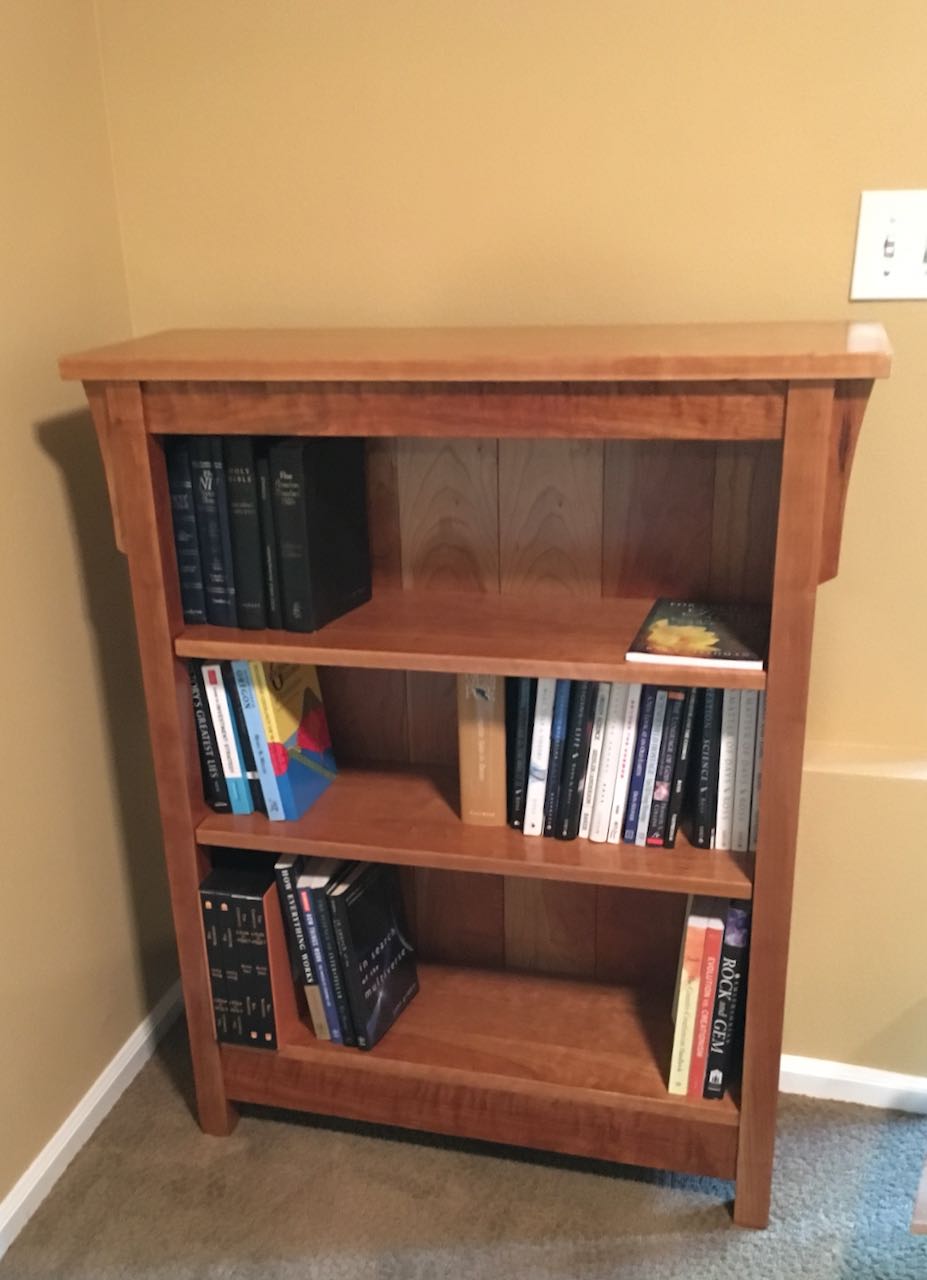
Credit: woodworking.stackexchange.com
Standard Bookshelf Depths
Bookshelves come in many sizes. Depth is one key measurement that affects how books fit. Knowing the standard depths helps you pick the right shelf for your space.
Depth affects not only book storage but also the shelf’s look and use. Understanding common depths can guide your buying or building decisions.
Common Depth Measurements
Most bookshelves have a depth between 10 and 14 inches. Ten inches fits most paperbacks and small hardcovers. Twelve inches is common for larger books and some decor items. Fourteen inches or more works well for oversized books and extra storage.
Shallow shelves may hold fewer books but save room in small spaces. Deeper shelves offer more space but take more floor area.
Factors Influencing Depth
Book size is the main factor for shelf depth. Tall or wide books need deeper shelves. Shelf purpose also matters. Display shelves for decorations may need less depth than those for books.
Room size impacts depth too. Small rooms often use shallower shelves to save space. Sturdiness can affect depth choices. Deeper shelves sometimes require stronger materials to hold weight safely.

Credit: www.dimensions.com
Book Sizes And Their Impact
Books come in many shapes and sizes. These differences affect how deep a bookshelf should be. Choosing the right shelf depth helps keep books neat and easy to reach.
Some books are thin and small, while others are thick and tall. A shelf that fits one type may not work for another. Understanding common book sizes guides shelf design for better storage.
Typical Book Dimensions
Most novels measure about 5 to 6 inches wide and 8 to 9 inches tall. Textbooks and large art books can be much bigger. Their depth often ranges from 1 to 3 inches.
Children’s books tend to be smaller and thinner. Pocket-sized books are even smaller and need less space. Knowing these sizes helps set shelf depth accurately.
Adjusting Shelf Depth For Different Books
Shallow shelves work well for small paperbacks and thin books. Deep shelves are needed for large hardcovers and coffee table books. Adjustable shelves offer flexibility for mixed collections.
Leaving extra space behind books prevents damage and makes pulling books easier. A shelf about 10 to 12 inches deep fits most books comfortably. Custom shelves match personal collections for better use of space.
Specialty Bookshelves
Specialty bookshelves serve unique needs beyond standard sizes. They fit specific spaces and collections with custom depths. Understanding their dimensions helps choose the right shelf for your books. These shelves come in different depths to suit your room and books.
Compact Shelves For Small Spaces
Compact shelves save space without sacrificing storage. Their depth usually ranges from 6 to 8 inches. This size fits thin books, paperbacks, and small decorations. Perfect for apartments, offices, or rooms with limited space. These shelves keep your collection neat and accessible.
Deep Shelves For Large Collections
Deep shelves hold many books or large volumes comfortably. They often measure 12 inches or more in depth. Ideal for oversized books, photo albums, and thick textbooks. They prevent books from sticking out or falling over. These shelves create a solid, organized display for big collections.
Material And Design Considerations
Choosing the right material and design affects the depth of a bookshelf. Both factors play a big role in how deep shelves need to be. This section explains how material thickness and design styles impact bookshelf depth.
Material Thickness And Shelf Depth
Thicker materials need deeper shelves for stability. Wood and metal vary in thickness, changing the shelf depth. Thin materials may flex under weight if the shelf is too shallow. Strong, thick materials support heavier books but add bulk. Shelf depth often matches material thickness plus space for books.
Design Styles Affecting Size
Modern minimalist shelves tend to be thinner and shallower. Traditional styles often have deeper shelves with decorative edges. Open shelves need more depth to prevent books from falling. Closed cabinets may have less depth since doors add space. Design choices change how deep a bookshelf looks and functions.
Customizing Bookshelf Depth
Customizing bookshelf depth allows you to fit your collection perfectly. Shelves that are too shallow or too deep can waste space or look awkward. Adjusting the depth creates a balanced, functional display. It also helps protect your books from damage. Tailoring shelf depth makes your bookshelf more useful and attractive.
Measuring Your Collection
Start by measuring the largest books in your collection. Note their width and height carefully. Add extra space for bookends or decorations. Measure a few different book sizes for variety. Use a tape measure or ruler for accuracy. Record your measurements to guide your shelf adjustments.
Diy Adjustments And Tips
Cutting shelves to size helps fit your space better. Use plywood or MDF for easy customization. Sand edges to avoid splinters and rough spots. Consider adjustable shelf brackets for flexible height options. Paint or finish shelves to match room decor. Secure shelves firmly to prevent sagging or tipping.
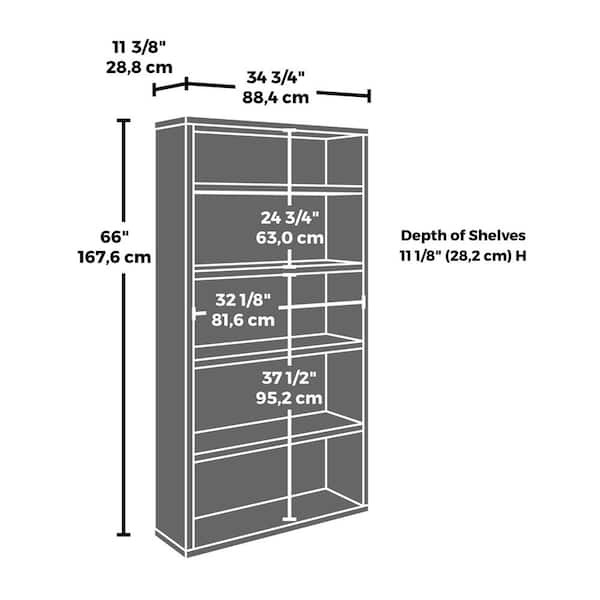
Credit: www.homedepot.com
Practical Tips For Shelf Organization
Organizing a bookshelf well makes it easier to find books and keeps the space neat. Simple tips help make the most of your shelf’s depth and height. Good organization also adds a nice look to your room.
Focus on using the space wisely without crowding your books. Think about how the shelves look and how easy it is to reach your books. These tips help balance both.
Maximizing Space Efficiency
Use vertical space by stacking books horizontally and vertically. This fits more books in less space. Place smaller books on top of larger ones to save room. Use shelf dividers to keep piles neat. Keep frequently used books at eye level for quick access.
Balancing Aesthetics And Functionality
Mix books with decorative items like plants or photo frames. This breaks the monotony and looks pleasant. Arrange books by color or size for a clean look. Leave some empty space to avoid a crowded shelf. Make sure important books stay easy to reach.
Frequently Asked Questions
What Is The Average Depth Of A Bookshelf?
The average bookshelf depth ranges from 10 to 12 inches. This size fits most standard books comfortably and allows easy access.
How Deep Should A Bookshelf Be For Large Books?
For large books, a bookshelf depth of 12 to 15 inches is ideal. This depth accommodates oversized books without damage.
Does Bookshelf Depth Affect Storage Capacity?
Yes, deeper bookshelves can store more items. However, too deep shelves may waste space and make book access harder.
Can Shallow Bookshelves Hold Standard Books?
Shallow bookshelves around 6 to 8 inches can hold paperbacks and small books. They are less suitable for larger hardcovers.
Conclusion
Most bookshelves have a depth of about 10 to 12 inches. This size fits most books, from paperbacks to hardcovers. Some shelves are deeper to hold large art books or albums. Choosing the right depth helps keep your books neat and easy to find.
Think about what you own before buying a shelf. A good fit means your books stay safe and your room looks tidy. Simple and practical shelves work best for everyday use.