Are you looking to save space and add a cool, modern touch to your room? Building a floating bunk bed might be the perfect solution for you.
Imagine having a bed that seems to float in the air, creating extra floor space and making your room look stylish and unique. It sounds tricky, but with the right steps and tools, you can build one yourself. In this guide, you’ll learn exactly how to create a safe, sturdy floating bunk bed that fits your space and style.
Ready to transform your room and impress everyone with your DIY skills? Let’s get started!
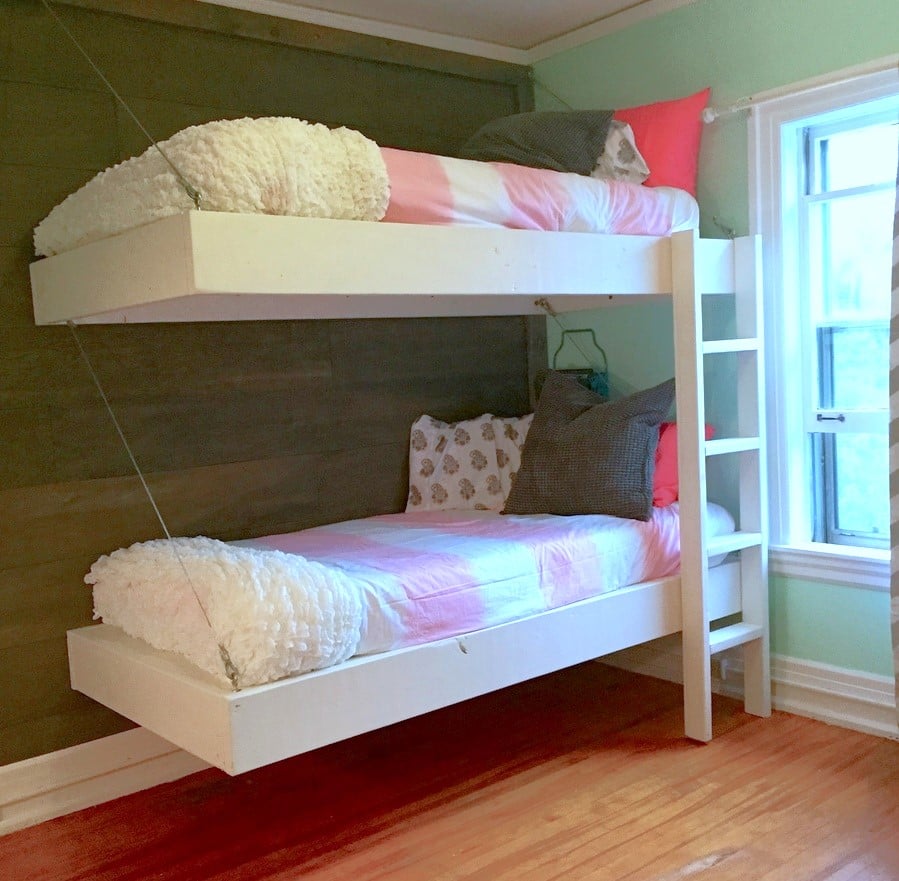
Credit: www.ana-white.com
Planning Your Floating Bunk Bed
Planning your floating bunk bed is the first step to a safe and stylish setup. This phase helps avoid mistakes and saves time. Careful planning ensures the bed fits well and supports weight properly. Follow these key steps to get started.
Choosing The Right Location
Pick a wall strong enough to hold the bed’s weight. Avoid walls with pipes or wires inside. Check the room size to leave space around the bed. Consider lighting and ventilation for comfort. Choose a spot that fits your daily needs.
Selecting Materials And Tools
Use sturdy wood like pine or oak for the frame. Choose screws and brackets that can hold heavy loads. Get a strong mattress that fits the bed size. Gather tools such as a drill, measuring tape, and level. Having the right materials ensures safety and durability.
Measuring And Sketching The Design
Measure the wall space and ceiling height carefully. Draw a simple sketch with all dimensions. Mark where the supports and ladder will go. Planning the design helps avoid errors during building. Keep the sketch handy for reference during construction.
Preparing The Workspace
Preparing your workspace is the first step in building a floating bunk bed. A clean, organized area helps you work safely and efficiently. Taking time to set up properly saves time and avoids mistakes during the build.
Clearing The Area
Remove all items from the workspace. Clear enough space to move around freely. A tidy area prevents accidents and keeps tools within reach. Make sure floors are clean and dry. Good lighting improves visibility and accuracy.
Gathering Safety Gear
Wear safety glasses to protect your eyes. Use gloves to avoid splinters and cuts. Hearing protection is important when using loud tools. A dust mask keeps you safe from wood particles. Having safety gear ready keeps you safe throughout the project.
Setting Up Tools
Arrange all tools in one place. Check if each tool works properly. Keep power cords organized to avoid tripping. Have measuring tape, drills, saws, and screws nearby. A neat tool setup speeds up your work and reduces frustration.
Building The Frame
Building the frame is the first important step in making a floating bunk bed. It gives the bed its shape and strength. A strong frame keeps the bed safe and steady. This step needs careful measuring and cutting. It also needs good joining and support. Follow each part closely to build a solid frame.
Cutting Lumber To Size
Start by measuring the wood pieces carefully. Use a tape measure and mark the cut lines clearly. Cut the lumber to the right length with a saw. Make sure all pieces are straight and smooth. Take your time to avoid mistakes. Proper cuts help the frame fit well together.
Assembling The Bed Frame
Arrange the cut wood parts on a flat surface. Join the side rails to the head and foot boards. Use wood screws to hold the parts tight. Check the corners to keep them square. Use clamps to hold pieces while screwing. A well-assembled frame stays strong and stable.
Reinforcing With Brackets
Add metal brackets at each corner and joint. Brackets give extra support to the frame. Screw the brackets tightly to the wood. This stops the frame from wobbling or shifting. Reinforcing the frame makes the bunk bed safer. It also helps the bed last longer.
Installing Wall Supports
Installing wall supports is a key step in building a floating bunk bed. These supports hold the bed securely on the wall. Proper installation ensures safety and stability. This step requires careful measuring and strong materials.
Locating Wall Studs
Find the wall studs before attaching any support. Use a stud finder to locate them behind the drywall. Mark the stud positions with a pencil. Studs provide the strength needed to hold the bunk bed’s weight. Avoid mounting supports on drywall alone.
Mounting Support Brackets
Choose strong metal brackets designed to hold heavy loads. Align each bracket with the marked studs. Use a drill to attach the brackets with long screws. Make sure screws go deep into the studs for a firm hold. Check each bracket is tight and secure.
Ensuring Level Alignment
Use a level tool to check the brackets’ alignment. The brackets must be perfectly horizontal. Uneven brackets make the bed unstable and unsafe. Adjust the brackets by loosening screws and repositioning. Double-check level before moving to the next step.
Attaching The Bed Frame
Attaching the bed frame is a key step in building a floating bunk bed. It holds the mattress and supports weight. Proper attachment keeps the bed safe and strong.
Follow each step carefully. Secure the frame tightly to avoid wobbling. Check stability before adding any extra parts.
Securing Frame To Supports
Start by aligning the bed frame with the wall supports. Use heavy-duty screws to fix the frame. Drill pilot holes first to prevent wood splitting. Tighten screws evenly on all sides. The frame must sit flush against the supports for best strength.
Checking Stability
After securing, test the frame for movement. Push and pull gently to find any wobble. Tighten any loose screws immediately. Use a level tool to check if the frame is even. Stability ensures safety and comfort during use.
Adding Safety Rails
Safety rails protect from falls, especially for kids. Attach rails on the open sides of the bunk bed. Use screws and brackets made for wood. Make sure rails are high enough to stop rolling off. Check rails are firm and do not shake.
Finishing Touches
Finishing touches bring your floating bunk bed to life. They improve safety, look, and comfort. Take time to complete each step carefully. These final details make the bed ready for use and add charm to the room.
Sanding And Smoothing Edges
Use fine-grit sandpaper to smooth all wood surfaces. Focus on edges and corners to avoid splinters. Sand evenly for a clean, soft finish. Wipe dust away with a damp cloth before moving to the next step.
Applying Paint Or Stain
Choose paint or stain that fits your room’s style. Apply thin, even coats with a brush or roller. Let each coat dry completely before applying another. Paint protects the wood, while stain highlights natural grain.
Adding Mattresses And Bedding
Select mattresses that fit the bed’s size and thickness. Use comfortable bedding that matches the room’s color scheme. Add pillows and blankets for extra coziness. A well-made bed invites restful sleep and happy dreams.
Safety Tips And Maintenance
Building a floating bunk bed is exciting but safety must come first. Proper care and maintenance keep the bed strong and secure. This section covers key safety tips and maintenance steps.
Regular Inspections
Check the bed frame every month for loose screws or bolts. Look for cracks in the wood or metal parts. Tighten all connections to avoid accidents. Early fixes prevent bigger problems later. Pay special attention to wall mounts and brackets.
Weight Limits And Usage Guidelines
Follow the weight limit set by the bed design. Do not allow more weight than recommended. Teach kids not to jump or hang on the bed. Safe use extends the bed’s life and keeps users safe. Set clear rules for climbing and playing.
Cleaning And Upkeep
Wipe the bed with a soft cloth regularly to remove dust. Avoid harsh chemicals that damage the finish. Clean spills quickly to prevent stains and warping. Keep the mattress clean by vacuuming or using a cover. Good upkeep keeps the bed looking new and sturdy.
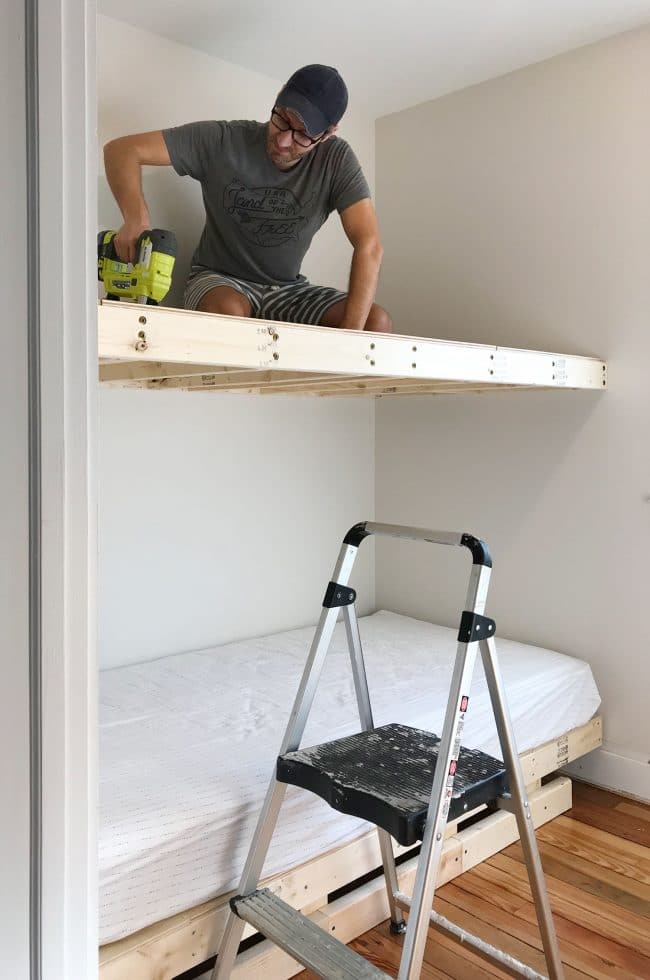
Credit: www.younghouselove.com

Credit: www.youtube.com
Frequently Asked Questions
What Materials Are Needed To Build A Floating Bunk Bed?
You need wood planks, metal brackets, screws, wall anchors, a drill, and a stud finder. Quality materials ensure safety and durability.
How Do You Securely Mount A Floating Bunk Bed?
Locate wall studs using a stud finder. Use heavy-duty brackets and screws to fasten the bed frame into studs. This ensures strong support.
Can I Customize The Size Of The Floating Bunk Bed?
Yes, you can adjust the wood plank dimensions to fit your room. Measure carefully to maintain safety and balance.
How Much Weight Can A Floating Bunk Bed Hold?
Weight capacity depends on materials and mounting. Typically, well-built floating beds support 250-400 pounds safely. Always follow design guidelines.
Conclusion
Building a floating bunk bed can save space and add style. Follow each step carefully for safety and strength. Use the right tools and materials for best results. Take your time and check your work often. The final product will be sturdy and eye-catching.
Enjoy the extra room and unique design you create. This project can fit many rooms and needs. Try it yourself and see how fun it is.