Are you looking to add a stylish and practical piece of furniture to your space? Building a leaning bookshelf with a desk might be exactly what you need.
Imagine having a spot where your books, decor, and work essentials come together in one smart design. This project is perfect if you want something unique, easy to build, and tailored to your space. Keep reading, and you’ll discover simple steps and tips to create a lean, strong bookshelf with a desk that fits your style and needs perfectly.
Ready to transform your room and boost your productivity? Let’s dive in!
Materials Needed
Gathering the right materials is the first step to building a leaning bookshelf with a desk. Using quality materials ensures your project is strong and lasts a long time. Proper tools and supplies make the work easier and safer. Below, find what you need to start building your bookshelf and desk.
Wood Selection
Choose wood that is sturdy and smooth. Pine, oak, or plywood work well for this project. Pine is affordable and easy to cut. Oak is strong but costs more. Plywood offers a smooth surface and resists warping. Pick boards that are straight with no cracks or knots. The thickness should be at least 3/4 inch for durability.
Tools Required
You will need a saw to cut the wood pieces. A drill is necessary for making holes and driving screws. Sandpaper or a power sander smooths rough edges. A tape measure ensures accurate cuts. Use a level to keep shelves straight. Screwdrivers help tighten screws. Clamps hold pieces together while you work.
Additional Supplies
Use wood screws that are long enough to secure the shelves and desk. Wood glue strengthens joints. Finish with paint or stain to protect the wood and improve appearance. Painter’s tape helps create clean edges while painting. Safety gear like gloves and goggles keeps you safe during work. Have a pencil handy for marking measurements.
Credit: www.ana-white.com
Design Planning
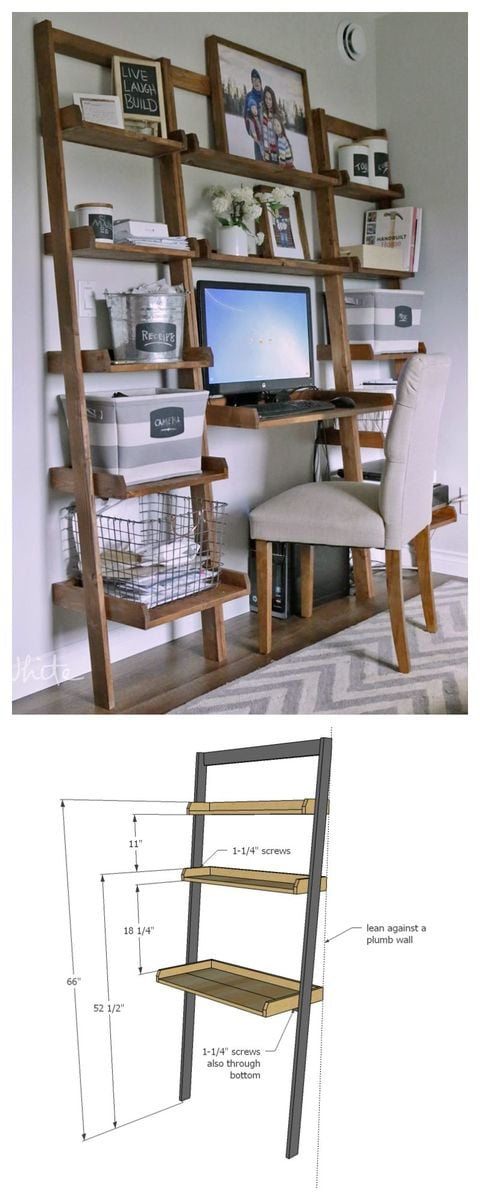
Design planning is the first step to build a leaning bookshelf with a desk. It helps to make sure the final piece fits your space and needs. Careful planning saves time and materials later. Think about size, angle, and how the desk will fit. These details create a strong, useful piece.
Measurements And Dimensions
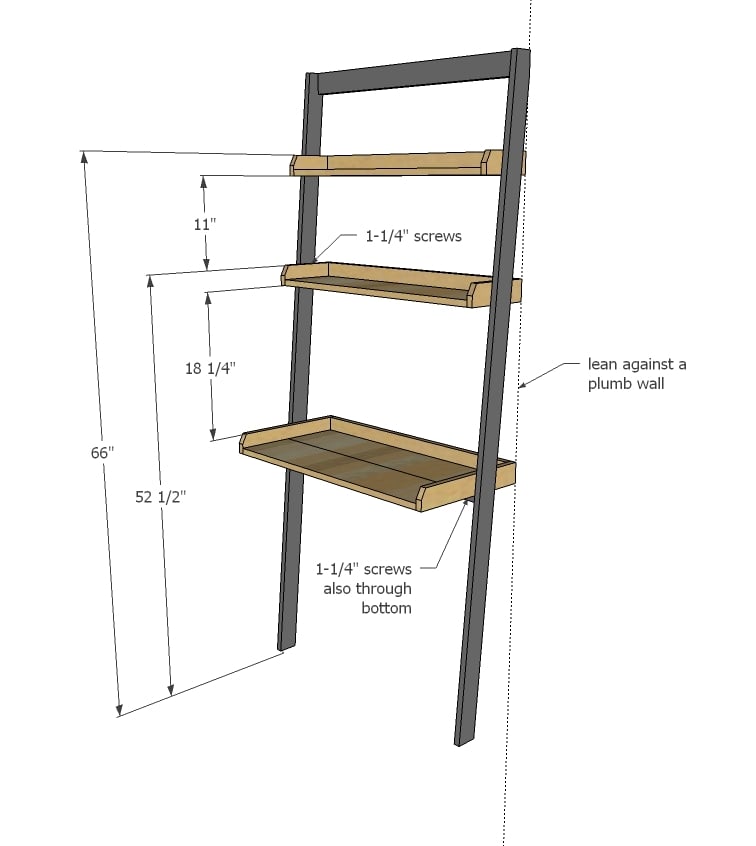
Start by measuring the wall space where you want the bookshelf. Note the height, width, and depth available. Decide how tall the bookshelf should be. Make sure the shelves are wide enough for your books. The desk surface must fit your chair and work items. Write down all measurements clearly.
Choosing The Leaning Angle
The leaning angle affects stability and style. A small angle means the shelf leans gently. A bigger angle makes it lean more. Choose an angle between 10 and 15 degrees for good balance. Check that the shelf leans safely without tipping. The right angle helps the bookshelf hold weight well.
Desk Integration
Decide how the desk will connect to the bookshelf. The desk can be fixed to one side or in the middle. Make sure the desk height is comfortable for sitting. Plan space below the desk for legs and storage. The desk surface should be strong to hold a laptop and books. Think about adding drawers or shelves under the desk for extra storage.
Cutting The Wood
Cutting the wood is a key step in building your leaning bookshelf with desk. Accurate cuts ensure the pieces fit well and the structure stays strong. Taking time to prepare before cutting helps avoid mistakes and saves materials. Follow simple steps to make clean, straight cuts for a neat finish.
Marking The Pieces
Start by measuring each piece carefully. Use a pencil and a ruler to mark cut lines clearly. Double-check measurements to avoid errors. Mark both sides of the wood to guide your saw. Precise markings help you cut exactly where needed.
Cutting Techniques
Use a handsaw or power saw based on your comfort. Keep the saw steady and follow your marks slowly. Cut on the waste side of the line to keep the wood size correct. Wear safety gear like goggles and gloves while cutting. Take breaks to maintain focus and control.
Sanding Edges
After cutting, rough edges need smoothing. Use sandpaper or a sanding block to smooth all edges. Sand in the direction of the wood grain for a clean finish. Smooth edges prevent splinters and help paint or finish stick better. Check all pieces before assembly to ensure safety and quality.
Credit: www.ana-white.com
Assembling The Frame
Assembling the frame is the first step to build your leaning bookshelf with desk. This stage sets the base for the whole structure. A strong frame ensures safety and durability.
Focus on accuracy and stability while joining parts. Follow the instructions carefully to avoid mistakes. Take your time and check each connection.
Building The Leaning Structure
Start with the two side panels. These panels lean against the wall for support. Cut them at an angle for the lean effect.
Attach crossbars between the side panels. Crossbars keep the frame steady and square. Use screws or bolts for a firm hold.
Make sure the frame leans evenly. Test it by placing it against the wall before tightening screws.
Securing The Shelves
Measure shelf positions on the leaning frame. Mark spots for shelf brackets or supports. Even spacing gives a balanced look.
Fasten brackets securely to the frame. Use screws that fit the wood thickness. Shelves must hold books without sagging.
Place shelves on brackets and check stability. Adjust screws if shelves wobble or tilt.
Adding The Desk Surface
Select a sturdy board for the desk surface. The desk should fit within the frame comfortably. Sand edges for smoothness and safety.
Attach the desk surface to the frame using screws. Secure it at multiple points to avoid movement. Check the desk is level and stable.
Confirm the desk height suits your comfort. Adjust if needed before final tightening.
Finishing Touches
The finishing touches make your leaning bookshelf with desk look complete and professional. These final steps protect the wood and improve the overall appearance. Taking time at this stage ensures your project lasts longer and stays beautiful.
Painting Or Staining
Choose paint or stain to match your room’s style. Paint covers the wood completely and offers many colors. Stain shows the wood’s natural grain while adding color. Apply thin, even coats with a brush or cloth. Let each coat dry fully before adding another.
Sealing And Protecting
Seal the surface to guard against scratches and spills. Use a clear polyurethane or varnish. Apply it with a clean brush in smooth strokes. This layer adds shine and durability. Allow the sealant to dry completely for best protection.
Attaching To Wall For Stability
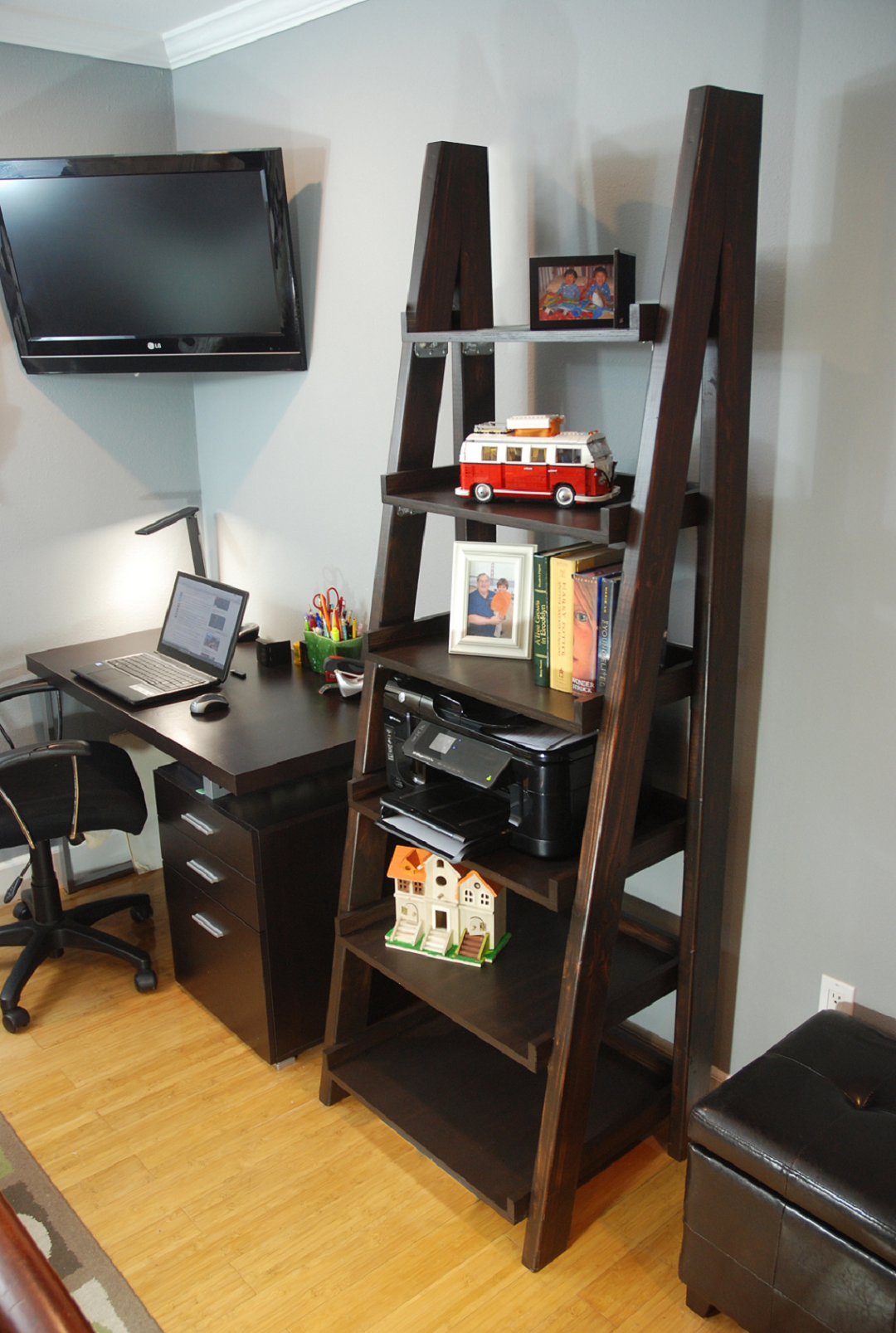
Secure the bookshelf to the wall for safety. Use brackets or straps designed for furniture. Find wall studs with a stud finder for strong support. Attach the bookshelf firmly to prevent tipping. This step keeps your bookshelf steady and safe.
Credit: blog.strongtie.com
Tips For Maintenance
Proper maintenance keeps your leaning bookshelf with desk looking good and working well. Regular care prevents damage and extends its life. Follow simple tips to maintain its beauty and strength.
Cleaning Advice
Dust the bookshelf and desk often using a soft cloth. Avoid harsh cleaners that can damage the wood finish. Use a damp cloth for sticky spots, then dry immediately. Clean spills right away to stop stains and warping.
Avoiding Common Issues
Check screws and bolts regularly to keep the structure stable. Tighten loose parts to prevent wobbling. Avoid placing very heavy items on the shelves to stop bending. Keep the bookshelf away from direct sunlight and moisture to prevent fading and warping.
Enhancing Durability
Apply a wood polish or wax every few months to protect the surface. Use felt pads under objects to avoid scratches. Place the bookshelf on a flat, stable floor to keep it balanced. Handle the desk and shelves gently to avoid cracks and dents.
Frequently Asked Questions
What Materials Are Needed For A Leaning Bookshelf With Desk?
You need wood boards, screws, brackets, sandpaper, paint, and wood glue. Also, gather measuring tape, drill, saw, and level for assembly.
How Long Does It Take To Build A Leaning Bookshelf Desk?
Building usually takes 4 to 6 hours, depending on skill level. Preparation and drying time may add extra hours.
Can I Customize The Size Of The Leaning Bookshelf Desk?
Yes, you can adjust height, width, and depth based on your space. Measure your area carefully before cutting materials.
Is A Leaning Bookshelf Desk Suitable For Small Spaces?
Absolutely. Its design saves floor space by leaning against the wall. It combines storage and workspace efficiently.
Conclusion
Building a leaning bookshelf with a desk adds style and function to any room. You only need basic tools and materials to start. Follow clear steps, and take your time for the best results. This project saves space and keeps your area organized.
Plus, it creates a cozy spot for work or reading. Enjoy the process and the useful piece you create. A simple idea that brings great value to your home.