Are you ready to create a fun and space-saving bunk bed for your children? Making a children’s bunk bed yourself is easier than you might think.
With the right steps, you can build a sturdy, safe, and cozy bed that your kids will love. Imagine the joy on their faces and the extra room you’ll gain in their bedroom. Keep reading, and you’ll discover simple tips and tricks to guide you through the entire process—from choosing materials to the final touches.
Let’s get started on building something special for your family!

Credit: www.reddit.com
Choosing The Right Materials
Choosing the right materials is key to making a safe and sturdy children’s bunk bed. The materials affect the bed’s strength, appearance, and safety. Pick materials that are strong, safe, and easy to work with. This ensures the bed lasts long and stays secure for kids.
Selecting Safe Wood Types
Choose wood that is strong and safe for children. Pine, oak, and maple are good options. Avoid soft woods that can break easily. Check for smooth surfaces to prevent splinters. Make sure the wood is dry to stop warping or cracking over time.
Gathering Necessary Tools
Use the right tools for a smooth building process. You will need a saw, drill, screwdriver, measuring tape, and sandpaper. Make sure the tools are in good condition. Good tools help create accurate cuts and strong joints. Keep tools organized to work safely and faster.
Picking Non-toxic Finishes
Use finishes that are safe for children’s health. Look for water-based paints and varnishes with low VOCs. These finishes smell less and do not release harmful chemicals. Apply multiple thin coats for a smooth finish. Let each coat dry completely before the next one.
Designing The Bunk Bed
Designing a children’s bunk bed needs careful thought and planning. Safety and comfort come first. The bed must fit the room and suit the children’s needs.
Start by understanding the space and mattress size. Next, plan the height and safety features. Finally, create a clear sketch of the frame layout.
Measuring Space And Mattress Size
Measure the room where the bunk bed will go. Check the width, length, and height available. Leave extra space for movement and furniture around the bed.
Choose mattress sizes suitable for your children. Common sizes are twin or full mattresses. Match mattress size to the bed frame design for safety and comfort.
Planning Bed Height And Safety Features
Decide the height of the top bunk. Keep enough space between the top and bottom beds. Allow children to sit up comfortably without hitting their heads.
Add safety rails on the top bunk to prevent falls. Design strong ladders or stairs for easy climbing. Use sturdy materials for all parts to ensure safety.
Sketching The Frame Layout
Draw a simple plan of the bunk bed frame. Include all parts like legs, rails, ladder, and slats. Mark dimensions based on mattress size and room space.
Keep the design simple and stable. Check that all pieces fit well together. This sketch will guide the building process and avoid mistakes.
Cutting And Preparing Wood
Cutting and preparing wood is a key step in making a children’s bunk bed. This process shapes the wood to fit the design perfectly. Proper preparation ensures safety and durability. Taking time to cut and smooth the wood will make assembly easier. Follow clear steps to get clean, accurate pieces.
Marking Accurate Measurements
Start by measuring the wood pieces carefully. Use a tape measure and pencil to mark lines. Double-check each measurement to avoid mistakes. Mark all cuts clearly on the wood surface. Accurate marks help create a sturdy bed frame. Take your time and measure twice before cutting.
Using Saws Safely
Choose the right saw for each cut type. A handsaw or circular saw works well for straight lines. Always wear safety glasses and gloves. Keep your fingers away from the blade. Secure the wood firmly with clamps before cutting. Cut slowly and follow the marked lines. Safety prevents accidents and keeps the process smooth.
Sanding For Smooth Surfaces
After cutting, sand the wood to remove rough edges. Use medium-grit sandpaper first, then fine-grit for a smooth finish. Sand along the grain to avoid scratches. Smooth wood helps prevent splinters and looks neat. Take your time sanding all surfaces and edges. Proper sanding improves the bed’s quality and safety.
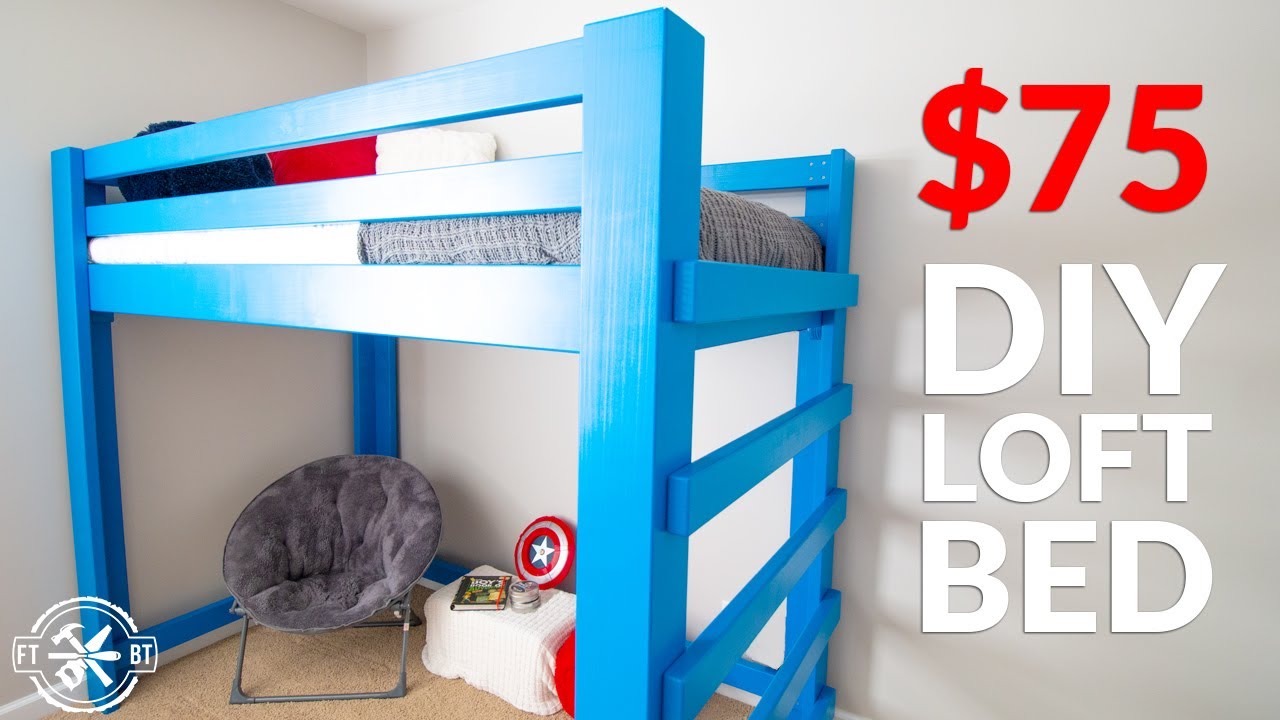
Credit: www.youtube.com
Assembling The Frame
Securing stability and safety is the most important part of building a children’s bunk bed. A strong bed prevents accidents and keeps children safe while they sleep or play. It also helps the bed last longer without breaking or wobbling.
Every connection and support must be checked carefully. Safety means no loose parts or weak spots. Follow these steps to make sure the bunk bed is solid and secure.
Checking Joints And Fasteners
Start by inspecting all joints where wood pieces meet. Tighten screws and bolts firmly. Use washers to spread pressure and prevent damage. Avoid nails alone; screws hold better and last longer. Check for any gaps or cracks around joints. Fix loose parts immediately to avoid accidents.
Adding Support Beams
Support beams help spread weight evenly across the bed frame. Place beams under the mattress area for extra strength. Use sturdy wood or metal beams for best results. Attach them securely to the frame with screws. This step reduces the risk of sagging or collapse over time.
Ensuring Proper Weight Distribution
Distribute weight evenly across the bunk bed. Avoid heavy items on one side only. Place the mattress and bedding carefully to balance the load. Make sure the lower bunk supports the upper bunk properly. Balanced weight helps the bed stay stable and safe during use.
Securing Stability And Safety
Finishing touches bring your children’s bunk bed to life. These final steps protect the wood and make the bed safe and comfy. They also add personality to the design.
Focus on careful painting or varnishing, mattress fitting, and creative decorations. These details create a cozy and fun space your kids will love.
Applying Paint Or Varnish
Choose paint or varnish that is safe for children. Use non-toxic, low-VOC options to keep air clean. Apply thin, even coats with a brush or roller. Let each coat dry fully before the next one. Sand lightly between coats for smoothness. Paint adds color, while varnish shows off natural wood. Both protect the bed from wear and spills.
Installing Mattresses
Pick mattresses that fit the bunk bed frame well. Measure the bed before buying mattresses. Use firm mattresses to support children’s growing bodies. Place mattresses carefully to avoid gaps or movement. Add mattress covers for extra protection and comfort. This step ensures safe and restful sleep.
Adding Decorative Elements
Decorate the bunk bed to match your child’s style. Use soft pillows, themed bedding, or fairy lights. Attach shelves or hooks for toys and books. Avoid sharp or heavy decorations that could fall. Stick to lightweight and safe items. These touches make the bed feel special and inviting.
Finishing Touches
Keeping a children’s bunk bed safe is very important. Regular care helps prevent accidents and keeps the bed strong. Simple steps can make a big difference in safety. This section covers easy tips to keep the bunk bed safe and well-maintained.
Regular Inspection Checks
Check the bunk bed often for any damage. Look for cracks in the wood or metal. Make sure the guardrails are secure and not loose. Check the ladder steps for stability. Early detection of problems keeps children safe.
Tightening Loose Screws
Loose screws can make the bunk bed unstable. Use a screwdriver to tighten all screws regularly. Focus on joints and connection points. Tight screws keep the bed firm and prevent accidents. Check screws every few weeks to stay safe.
Cleaning And Upkeep Advice
Keep the bunk bed clean to avoid dust and dirt buildup. Use a soft cloth to wipe surfaces. Avoid harsh chemicals that can damage the finish. Clean the mattress area often to keep it fresh. A clean bed is safer and lasts longer.

Credit: joinerydesignco.com
Frequently Asked Questions
What Materials Are Needed To Make A Children’s Bunk Bed?
You need wood, screws, nails, sandpaper, wood glue, and safety rails. Choose sturdy, child-safe wood like pine or oak. Use non-toxic finishes for safety. Proper tools include saws, drills, and measuring tape.
How Long Does It Take To Build A Bunk Bed?
Building a children’s bunk bed typically takes 8 to 12 hours. Time depends on skill level and complexity. Planning and precise measurements speed up the process. Allow extra time for drying finishes.
What Safety Features Should A Children’s Bunk Bed Have?
Include guardrails on the top bunk to prevent falls. Ensure ladders are sturdy and securely attached. Use smooth finishes to avoid splinters. Confirm the bed frame supports weight safely.
Can I Customize The Bunk Bed Design For Kids?
Yes, customize size, color, and storage options. Add shelves, drawers, or themed paint for personalization. Tailor the bed to fit your child’s room and preferences. Custom designs enhance both function and fun.
Conclusion
Building a children’s bunk bed can be fun and rewarding. Follow the steps carefully to ensure safety and comfort. Use strong materials and check all connections tightly. Add a guardrail to protect your child while sleeping. Paint or decorate the bed to match the room.
This project saves space and creates a cozy spot for kids. Take your time and enjoy the process. Soon, your children will have a special place to sleep and play. Simple tools and patience make all the difference.