Are you wondering when the right time is to move your little one from a crib to a toddler bed? This transition can feel overwhelming, but knowing the best age to make the switch can make it much easier for both you and your child.
You want your baby to feel safe and comfortable, while also giving them the freedom to grow and explore. Keep reading to discover the signs to look for and expert tips on making this important change smooth and stress-free for your family.
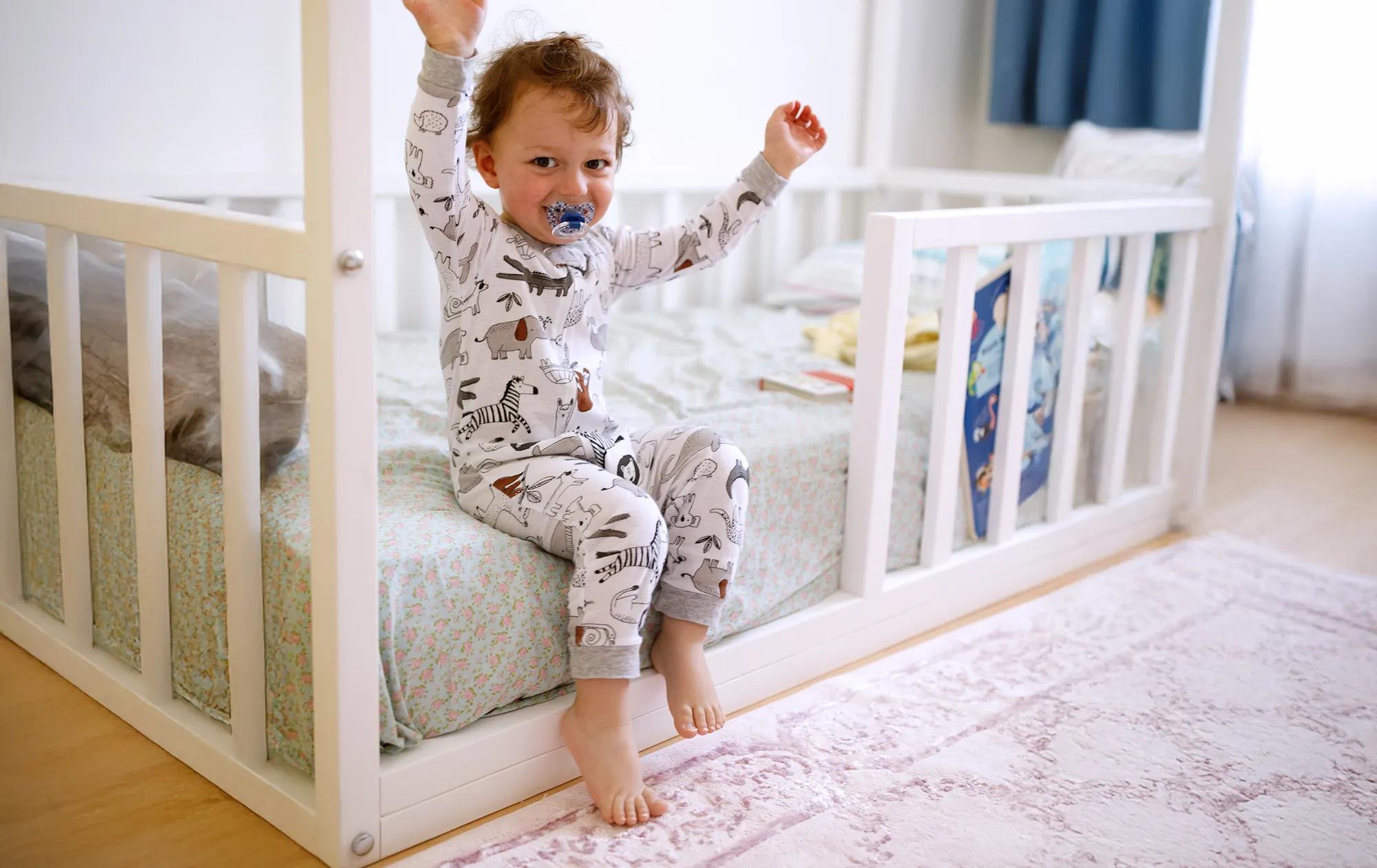
Credit: health.clevelandclinic.org
Signs Your Baby Is Ready
Knowing when to move your baby to a toddler bed can be tricky. Watching for clear signs helps make the change smooth. Babies show different clues that they are ready for this step. Understanding these signs ensures safety and comfort for your child.
Climbing Out Of Crib
One main sign is climbing out of the crib. This can be dangerous. Babies who climb may fall and hurt themselves. If your baby tries to climb out often, it’s time to switch beds. A toddler bed is lower and safer for active kids.
Increased Mobility
Babies gain strength and move more as they grow. Rolling, sitting, and standing improve a lot. If your baby moves around a lot at night, a toddler bed gives more space. It helps them feel free but still safe during sleep.
Potty Training Readiness
Potty training often starts around the toddler bed age. Being able to get up alone helps with bathroom trips. A toddler bed makes it easier for your child to move to the potty. This independence supports potty training success.
Typical Age Range
The typical age range for moving a baby to a toddler bed varies. Parents often wonder about the right time to make this change. Understanding common ages can help make the transition smoother. Each child grows and develops at their own pace.
Knowing when most children switch beds gives a helpful guideline. Watch your child’s readiness signs closely. This change marks an important step in their growth.
Common Transition Ages
Many children move to a toddler bed between 18 months and 3 years. Some start closer to 2 years old. This age range fits most families’ routines. Toddlers gain more independence at this stage. They also begin to move more during sleep. A toddler bed helps keep them safe and comfortable.
Variations By Child
Not every child fits the usual timeline. Some may be ready earlier or later. Factors like height, crawling out of the crib, or showing interest matter. Safety is the main concern. Some kids need extra time in a crib. Others may want a big kid bed sooner. Watch your child’s behavior and needs. This helps you choose the best time to switch.
Choosing The Right Toddler Bed
Choosing the right toddler bed is an important step for your child’s growth. It helps them feel safe and comfortable. The right bed supports good sleep habits and makes the transition smooth. Focus on safety, comfort, and your budget to find the best fit.
Each family’s needs are different. Keep your child’s size and room space in mind. Think about how long the bed will be used. These points guide you to a good choice that suits your child now and in the near future.
Safety Features
Safety is the top priority for any toddler bed. Look for beds with guardrails to stop falls. Make sure the bed is low to the ground. This helps if your child rolls out of bed. Check for smooth edges and no sharp corners. Avoid beds with small parts that can come loose. Choose beds made from non-toxic materials to keep your child safe.
Comfort And Size
Comfort helps your child sleep better and feel happy. Pick a mattress that fits snugly in the bed frame. A firm mattress supports growing bones well. The bed should be big enough for your child to move freely. But not too big to feel lonely. Measure the room space to make sure the bed fits nicely. Soft bedding can add extra comfort for your toddler.
Budget Considerations
Set a budget before shopping for a toddler bed. Beds come in many price ranges. You do not need to spend a lot for quality. Look for durable beds that last for years. Think about beds that can grow with your child. This saves money over time. Compare prices and features to find a good deal. A simple bed can be safe and comfortable too.

Credit: casakids.com
Making The Transition Smooth
Moving your baby to a toddler bed can be a big step. It may bring mixed feelings for both you and your child. A smooth transition helps your child feel safe and happy in the new bed. It also helps you avoid stress and sleepless nights. Here are some ways to make this change easier.
Establishing A Routine
Create a simple bedtime routine that stays the same every night. This can include a bath, a story, and cuddles. A routine tells your child it is time to sleep. Try to start the routine at the same time daily. This helps your child know what to expect. Consistency is key to comfort and security.
Involving Your Child
Let your child help choose their new bed or bedding. This gives them a sense of control and excitement. Talk about the new bed as a fun place to sleep. Use positive words and encourage their feelings. When children feel included, they adjust more easily.
Creating A Cozy Space
Make the toddler bed area warm and inviting. Use soft blankets and favorite stuffed animals. Keep the room calm and quiet at bedtime. Dim lights or a nightlight can help. A cozy space makes your child want to stay in bed. It turns bedtime into a comforting experience.
Addressing Common Challenges
Moving a baby to a toddler bed can bring new challenges. Parents often face worries about the child’s safety and comfort. Some common issues include the child not wanting to leave the crib, wandering at night, or having trouble sleeping. Understanding these problems helps parents prepare and handle the transition smoothly.
Resistance To Change
Many toddlers feel safe in their crib. It is their familiar space. They may cry or refuse to sleep in the new bed. This behavior is normal. It shows they are adjusting to the change. Parents can make the new bed more inviting. Let the child choose bedding or a special toy. Be patient and offer comfort during this time.
Nighttime Wandering
Toddlers may get up and walk around the room at night. This can be dangerous. It happens because they feel free in the new bed. Installing safety gates or door alarms helps keep them safe. Teach the child to stay in bed. Use a nightlight to make the room less scary. Consistency helps reduce wandering over time.
Sleep Regression
Sleep patterns can change after moving beds. Some toddlers wake more often or have trouble falling asleep. This is called sleep regression. It usually lasts a few weeks. Keep bedtime routines the same. Offer extra comfort and avoid big changes. With time, sleep will improve and become more restful.
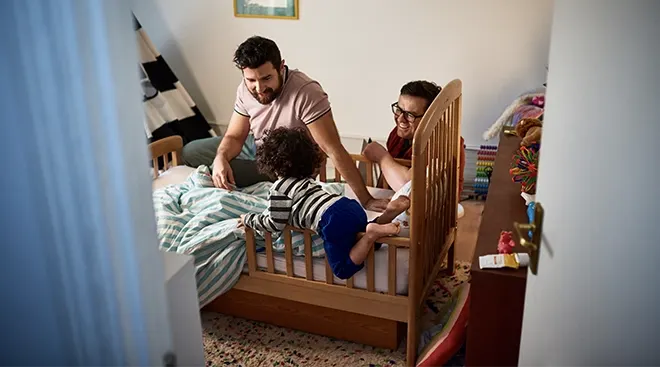
Credit: www.thebump.com
Expert Tips For Parents
Transitioning a baby to a toddler bed is a big step for parents and little ones. It takes time and care to make this change smooth. Experts suggest focusing on key areas to help your child adjust well. Patience, safety, and knowing when to ask for help are very important. These tips will guide you through this exciting phase.
Patience And Consistency
Every child adapts at their own pace. Stay calm and patient during this change. Keep bedtime routines the same to create comfort and security. Consistent sleep schedules help children feel safe. Praise your child for small successes. Avoid rushing or forcing the transition. Let your child explore the new bed gradually.
Safety Precautions
Ensure the toddler bed is safe and sturdy. Use guardrails to prevent falls during sleep. Remove sharp or small objects near the bed. Keep the room free from hazards like cords or heavy items. Check that windows and doors are secure. Use nightlights to help your child see at night. Safety helps your child feel confident and reduces risks.
When To Seek Professional Advice
Watch for signs of sleep problems or anxiety. If your child resists the bed for weeks, ask a doctor. Consult a pediatrician if your child wakes often or has nightmares. Professionals can provide guidance tailored to your child’s needs. Early advice helps prevent long-term sleep issues. Don’t hesitate to seek help for peace of mind.
Frequently Asked Questions
When Is The Best Age To Switch To A Toddler Bed?
Most children transition to a toddler bed between 18 months and 3 years. The ideal age depends on your child’s growth, mobility, and readiness to climb out of a crib safely.
What Signs Show A Baby Is Ready For A Toddler Bed?
Look for signs like climbing out of the crib, showing interest in a bigger bed, or expressing discomfort. Safety concerns and your child’s independence often indicate readiness.
How To Make The Toddler Bed Transition Smooth?
Introduce the toddler bed with familiar bedding and a bedtime routine. Offer comfort items and stay consistent with sleep schedules to help your child adjust easily.
Are Toddler Beds Safer Than Cribs For Toddlers?
Toddler beds are designed with low heights and guardrails, making them safe for toddlers ready to leave cribs. Always ensure your child’s room is childproofed to prevent accidents.
Conclusion
Choosing the right time for a toddler bed depends on your child’s readiness. Watch for signs like climbing out of the crib or wanting more space. Most kids switch between 18 months and 3 years old. Remember, each child is different.
Keep safety and comfort in mind during the transition. This change can help your toddler feel more independent and secure. Trust your instincts and your child’s needs. The move to a toddler bed is a big step for your family.
Take it slow and enjoy the process.
