
Kids’ paint on your furniture can be a real headache. You love your little one’s creativity, but those colorful spots and smudges on your wooden table or favorite chair?
Not so much. If you’re wondering how to remove kids paint from furniture without ruining the finish or making the problem worse, you’re in the right place. You’ll discover simple, safe, and effective ways to get those pesky paint marks off—whether they’re fresh splashes or stubborn stains.
Keep reading, and you’ll learn exactly what to do to restore your furniture’s look without stress or damage.
:max_bytes(150000):strip_icc()/How-to-get-paint-off-furniture-6274300_final-1221e066994b47439b75fba980a4a216.png)
Credit: www.thespruce.com
Paint Types On Furniture
Understanding the type of paint on furniture helps in choosing the right removal method. Paint types vary in composition and drying time. Identifying the paint type avoids damage to the furniture.
Each paint reacts differently to cleaning agents and techniques. Knowing these differences saves time and effort. Below are common paint types found on furniture.
Water-based Paints
Water-based paints dry quickly and are easy to clean. They dissolve well with water and mild soap. Fresh spills can often be removed with a damp cloth. Dried water-based paint may require rubbing alcohol or a magic eraser. This paint is less harmful to furniture finishes.
Acrylic Paints
Acrylic paints are water-based but stronger and more durable. They resist water after drying. To remove acrylic paint, use rubbing alcohol or acetone carefully. Avoid harsh scrubbing to protect the furniture surface. Acrylic paint often needs gentle scraping after softening.
Oil-based Paints
Oil-based paints are tougher and take longer to dry. They bond strongly to furniture surfaces. Removing oil paint needs stronger solvents like mineral spirits or paint stripper gels. Test solvents on a small area first. Use gloves and ensure proper ventilation for safety.
Quick Cleanup For Fresh Paint
Fresh paint spills on furniture need fast action. Quick cleanup stops stains from setting. Act quickly to keep your furniture looking good. Use gentle tools and simple steps for best results.
Using Damp Cloth And Soap
Grab a clean cloth and dampen it with warm water. Add a drop of mild dish soap. Gently rub the paint spot without pressing hard. The soap loosens the paint before it dries. Wipe in small circles to lift the paint. Rinse the cloth often and keep it damp. After the paint is gone, dry the area with a soft cloth. This method works best for fresh, wet paint. It keeps the furniture safe from scratches and damage.
Magic Eraser Tips
A magic eraser can remove paint that soap cannot. Wet the eraser slightly with water. Test on a hidden spot to check for finish damage. Lightly rub the paint mark with gentle pressure. The eraser’s texture helps lift dried paint. Avoid scrubbing too hard to protect the surface. Clean the area afterward with a damp cloth. Magic erasers work well on painted or sealed wood surfaces. Use them carefully to keep furniture looking new.
Solvent Methods
Solvent methods offer effective ways to remove kids’ paint from furniture. These methods work well on dried or stubborn paint spots. Solvents break down the paint, making it easier to wipe or scrape away. Use these methods carefully to protect your furniture’s finish and wood.
Rubbing Alcohol Application
Rubbing alcohol is a simple and safe solvent for water-based paints. Dampen a soft cloth with rubbing alcohol. Gently rub the paint spot in small circles. The paint will start to lift from the surface. Avoid soaking the wood to prevent damage. After removing the paint, wipe the area with a clean damp cloth. This method is gentle and reduces the risk of harming the furniture finish.
Using Paint Stripper Gels
Paint stripper gels work well on tougher, dried paints. Apply the gel to the painted area using a brush. Let the gel sit for the time stated on the product label. The gel softens the paint for easier removal. Use a plastic scraper to lift the softened paint gently. Clean the surface with a cloth afterward. Use mineral spirits on a cloth to remove any leftover residue if needed.
Safety Measures With Chemicals
Always use chemicals in a well-ventilated area. Wear protective gloves to avoid skin contact. A mask helps protect your lungs from fumes. Keep children and pets away from the work area. Follow all product instructions carefully. Store chemicals out of reach to prevent accidents. These safety steps protect you and your home during paint removal.
Heat And Scraping Techniques
Heat and scraping techniques offer an effective way to remove kids paint from furniture. These methods work by softening the paint, making it easier to lift off without harsh chemicals. Using controlled heat loosens dried paint layers. Scraping then removes the softened paint safely. This combination helps preserve the furniture’s surface while clearing unwanted paint. Below are key steps to use heat and scraping correctly and protect your furniture.
Heat Gun Usage
Set the heat gun to a low temperature. Keep it moving to avoid overheating one spot. Hold the gun a few inches from the paint. Watch for the paint to bubble or soften. This signals it is ready to be scraped away. Avoid holding heat too long to prevent burns or scorch marks on wood. Use heat only on small areas at a time. Turn off the gun immediately after use and let the furniture cool before scraping.
Plastic Scraper Handling
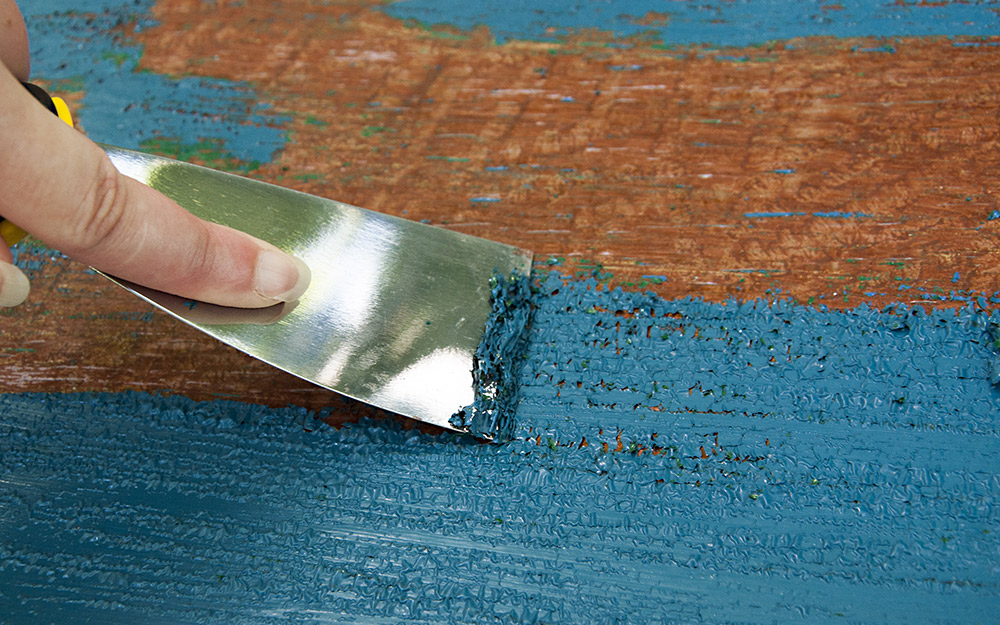
Choose a plastic scraper with a flat, smooth edge. Avoid metal scrapers as they can scratch furniture. Gently slide the scraper under softened paint. Work slowly to lift the paint without gouging the surface. Use light pressure and scrape at a low angle. Remove paint chips carefully to keep the furniture intact. Clean the scraper often to prevent paint buildup. Patience is key to avoid damage and get clean results.
Preventing Wood Damage
Test heat and scraping on a hidden area first. Check for any changes in color or texture. Never use excessive heat that can dry out or crack wood. Keep scraping pressure minimal to avoid dents or scratches. Stop immediately if the wood starts to lift or splinter. After paint removal, wipe the area with a soft cloth. Apply wood oil or polish to restore moisture and shine. Proper care ensures your furniture stays beautiful and strong.
Testing And Preparation
Before removing kids’ paint from furniture, testing and preparation are key steps. These steps help protect the furniture and ensure the cleaning process is safe and effective. Taking time to prepare can prevent damage to the wood or finish. It also helps avoid spreading paint to other areas.
Spot Testing Methods
Start by testing cleaning methods on a small hidden spot. This shows how the furniture reacts to the cleaning product. Use a cotton swab or small cloth to apply the cleaner gently. Wait a few minutes to check for discoloration or damage. If the finish changes, try a milder method. Spot testing saves the main area from harm.
Protecting Surrounding Areas
Cover nearby surfaces with old towels or plastic sheets. This prevents paint remover or water from damaging other parts. Use painter’s tape to secure covers and create clean edges. Protect floors and walls as well. Keep cleaning tools and cloths ready to avoid mess. A tidy workspace makes the job easier and safer.
Choosing The Right Tools
Select tools that match the paint type and furniture finish. Soft cloths and sponges work well for fresh paint. Magic erasers help with tougher spots without scratching. Use plastic scrapers instead of metal to avoid dents. For chemicals, choose brushes and gloves for safety. Having the right tools speeds up paint removal and protects the furniture.
Credit: www.mothercould.com
Restoring Furniture After Paint Removal
Removing kids’ paint from furniture is only the first step. Restoring the furniture to its original beauty is just as important. After paint removal, the surface might look dull or have some leftover residue. Taking time to clean, nourish, and finish the furniture will bring back its charm and protect it for future use.
Cleaning Residue
After paint removal, some residue often remains on the furniture. Use a soft cloth dampened with warm water and mild soap. Gently wipe the entire surface to remove leftover paint and dust. Avoid soaking the wood to prevent damage. Dry the furniture with a clean towel to stop moisture from seeping in.
Applying Furniture Oil
Furniture oil helps restore shine and nourishes the wood. Choose an oil suitable for your furniture type, like lemon oil or tung oil. Apply a small amount with a soft cloth, rubbing it evenly across the surface. Let the oil soak in for about 15 minutes. Buff the wood gently to enhance the finish and bring out natural color.
Touch-up And Finishing
Small scratches or dull spots might remain after cleaning and oiling. Use a matching wood stain or furniture marker to cover these areas. Apply the stain sparingly with a cotton swab or brush. Allow it to dry fully before adding a clear protective finish, like wax or polyurethane. This step seals the surface and keeps it safe from future stains and damage.
Common Mistakes To Avoid
Removing kids paint from furniture can be tricky. Many people make mistakes that cause damage or make cleanup harder. Knowing common errors helps you avoid wasting time and ruining your furniture. Use gentle methods and proper tools for the best results.
Using Harsh Chemicals Without Testing
Applying strong chemicals without testing can ruin the furniture finish. Always try a small hidden spot first. Harsh chemicals may discolor or strip the surface. Use mild cleaners or rubbing alcohol before stronger solvents. Testing prevents surprises and protects your furniture.
Scraping At Wrong Angles
Scraping paint at the wrong angle can gouge or scratch wood. Hold the scraper flat against the surface. Use gentle pressure and short strokes. Avoid sharp angles that dig into the wood grain. Proper scraping keeps the furniture smooth and undamaged.
Ignoring Safety Precautions
Many forget to wear gloves or work in ventilated areas. Chemicals and paint particles can harm your skin and lungs. Always wear gloves, masks, and open windows. Keep children and pets away during cleanup. Safety protects your health and ensures a safe cleaning process.
Credit: www.homedepot.com
Frequently Asked Questions
How To Get Kids Paint Off A Wood Table?
Use a damp cloth with dish soap for fresh paint. For stubborn spots, try a magic eraser or rubbing alcohol. Apply paint stripper gel for tough paint. Use a heat gun and plastic scraper carefully if needed. Always test methods on a small area first to protect the wood finish.
What’s The Easiest Way To Remove Paint From Furniture?
Use a damp cloth with dish soap for fresh paint. For tougher spots, try a magic eraser or rubbing alcohol. Apply paint stripper gel for stubborn paint, then scrape gently with a plastic scraper. Always test first and protect the wood finish.
What Removes Kids’ Paint?
Use a damp cloth with dish soap for fresh paint. For tougher spots, try a magic eraser or rubbing alcohol. Apply paint stripper gel or use a heat gun for stubborn paint. Always test first and protect the wood finish.
How To Get Kids Paint Out Of Upholstery?
Blot fresh paint with a damp cloth and dish soap immediately. Use a magic eraser for dried paint. For stubborn spots, apply rubbing alcohol or a paint stripper gel, then gently scrape with a plastic scraper. Always test first and protect the fabric during cleaning.
Conclusion
Removing kids’ paint from furniture can be simple with the right steps. Start with gentle cleaning for fresh spills. Use rubbing alcohol or paint stripper gel for tougher stains. Heat guns and scrapers work but require care. Always test methods on a hidden spot first.
Protect your furniture and work area well. Patience and caution help keep furniture looking good. These tips make cleanup easier and keep your home neat.