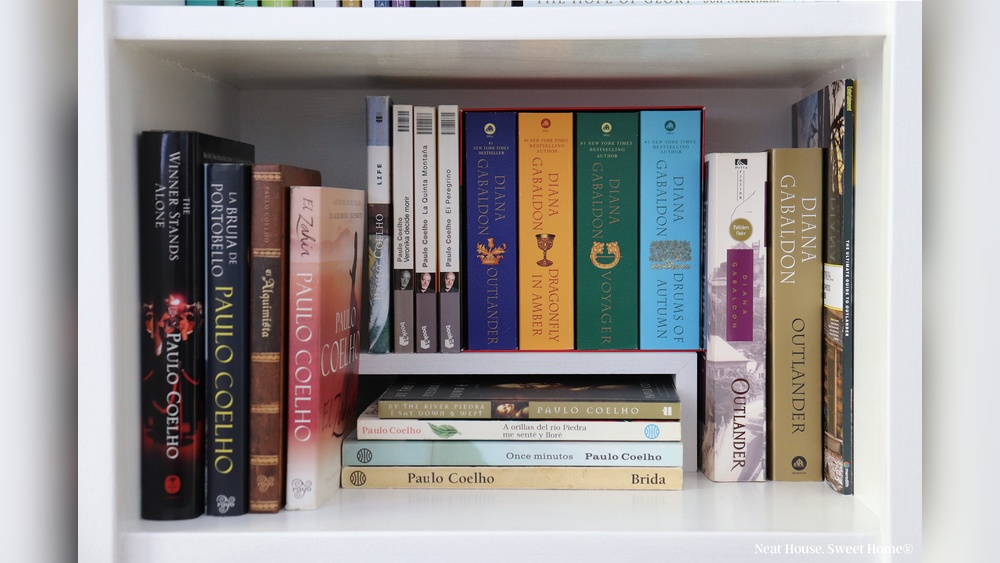
Filing your documents can feel overwhelming, but it doesn’t have to be. Imagine having a simple system that keeps everything organized and easy to find when you need it.
That’s exactly what filing with Bookshelf can do for you. If you’ve ever wasted time searching through piles of papers or struggled to keep track of important files, this guide is made for you. Keep reading, and you’ll discover step-by-step tips that will transform your filing process into a smooth, stress-free task.
Your future self will thank you!

Credit: www.overstock.com
Getting Started With Bookshelf
Starting to file with a bookshelf is easier than it seems. Organizing your documents this way keeps your space tidy and your papers easy to find. A well-planned setup saves time and reduces stress. Let’s explore the key steps to begin filing with a bookshelf.
Choosing The Right Bookshelf
Select a bookshelf that fits your space and needs. It should be sturdy and have enough shelves for your files. Adjustable shelves help you store different sizes of documents. Choose a bookshelf made of wood or metal for durability. Consider open shelves for quick access or closed ones to protect papers from dust.
Essential Tools And Materials
Gather basic tools to start filing efficiently. Use file folders or binders to keep papers organized. Labels are important for easy identification. A marker or label maker works well. You may also need a hole puncher and stapler to prepare documents for filing. Keep a trash bin nearby to discard unnecessary papers.
Setting Up Your Workspace
Find a quiet and well-lit area for your filing station. Clear a flat surface near the bookshelf for sorting papers. Arrange your tools within reach to avoid interruptions. Make sure the space is comfortable to work in for long periods. A clean and organized workspace helps keep your filing system effective and neat.
Sorting Your Documents
Sorting your documents is the first step in effective filing with Bookshelf. It helps keep your papers neat and easy to find. A clear system makes your work faster and less stressful. Start by organizing all your documents before placing them on the bookshelf.
Focus on grouping similar papers together. This makes it easier to manage and retrieve them later. Keep your workspace tidy as you sort to avoid mixing files.
Categorizing By Type
Group documents by their type, such as bills, receipts, or contracts. Use labels or color codes for each category. This method helps in quickly spotting the papers you need. Bookshelf folders or trays work well for this step.
Prioritizing Important Papers
Separate important documents from less urgent ones. Place vital papers like passports or legal files in a secure spot. Keep frequently used documents within easy reach. This saves time and prevents loss.
Decluttering Unnecessary Files
Remove old or irrelevant papers before filing. Recycle or shred anything you no longer need. This clears space and keeps your bookshelf organized. Only keep documents that serve a purpose.
Labeling And Indexing
Labeling and indexing are key steps in organizing your bookshelf filing system. They help you find books quickly and keep the shelf tidy. Clear labels and a good index save time and reduce frustration. They make your filing system simple and efficient.
Creating Clear Labels
Make labels easy to read. Use large, simple fonts. Write the title or category clearly. Avoid long or complex words. Place labels where they are easy to see. Keep labels consistent across all books or files. This helps you spot what you need fast.
Using Color Codes
Color coding adds a visual guide. Assign colors to different genres or topics. For example, red for fiction, blue for history. Use colored stickers or labels on the spine. Color codes help your eyes find books quickly. It also makes the shelf look organized and neat.
Developing An Index System
Create a simple index to track your books. List titles and their locations on the shelf. Use numbers or letters to mark shelf sections. Keep the index near your bookshelf or on your phone. Update the index whenever you add or remove books. This system helps you avoid searching in the wrong place.
Filing Techniques
Filing with Bookshelf needs the right techniques to stay organized. Good filing saves time and reduces stress. It helps find books or documents quickly. Understanding different filing methods improves your setup. The following techniques focus on how to arrange files effectively.
Vertical Vs Horizontal Filing
Vertical filing stores files upright like books on a shelf. It uses less space and makes files easy to flip through. This method works well for smaller collections or frequent use. Horizontal filing stacks files flat, one on top of another. It suits large files or thick folders. Choose based on space and how often you access files.
Using Folders And Dividers
Folders group related documents together. They protect papers and keep things neat. Dividers separate sections inside folders or on shelves. Label dividers clearly for quick identification. Use color-coded folders or dividers to add visual order. This method reduces clutter and speeds up finding files.
Maintaining Consistency
Consistency in filing keeps your system reliable. Always follow the same order for all files. Label files and folders with clear, simple names. Use the same style and format throughout. Regularly check files to remove outdated items. Consistency saves time and prevents confusion.
Organizing For Accessibility
Organizing for accessibility makes filing with a bookshelf simple and fast. Easy access saves time and keeps your space tidy. A well-organized bookshelf helps you find what you need quickly. It reduces stress and improves work flow.
Placing Frequently Used Files
Keep files you use often within arm’s reach. Place them on middle shelves for easy viewing and grabbing. Avoid putting important files too high or too low. Label these files clearly for quick identification. This setup saves time and effort daily.
Creating A Reference Section
Set aside a shelf for reference materials like manuals and guides. Group similar topics together for better order. Use folders or boxes to keep small papers neat. This section becomes your go-to spot for important information. It helps maintain focus and reduces clutter.
Optimizing Shelf Space
Use vertical dividers to separate different file categories. Arrange files by size to fit more on each shelf. Store less-used files on higher or lower shelves. Keep shelves clean and dust-free to protect documents. Good shelf use maximizes space and keeps files safe.

Credit: www.amazon.com
Maintaining Your Filing System
Maintaining your filing system is key to staying organized with Bookshelf. A good system saves time and reduces stress. It keeps your documents easy to find and up to date. Regular care makes sure everything stays in order. Here are simple steps to keep your filing system working well.
Regular Reviews And Updates
Check your filing system often. Look through your files every few weeks. Remove items that are no longer needed. Fix any misfiled documents. Update file names if they become unclear. This keeps your system clean and efficient.
Handling New Documents
Add new documents right away. Sort them into correct folders. Use clear labels for easy searching. Avoid letting papers pile up. Quick action stops clutter from building. Keeping files current helps you find things fast.
Archiving Old Files
Move old files you rarely use to an archive. Store them separately from active files. Use boxes or digital folders for archives. Label archives with dates for easy reference. Archiving frees space and keeps your main system neat.
Tips For Long-term Organization
Keeping your filing system organized over time helps save effort and avoid confusion. Small habits can keep your bookshelf neat and easy to use. These tips focus on long-term success. They help your files stay clear and accessible for years.
Digital Backup Options
Scan important documents regularly. Save them on cloud storage or external drives. Use simple file names that match physical files. Backups protect against loss from damage or misplacement. Digital copies make searching faster than paper alone.
Avoiding Common Mistakes
Don’t mix unrelated papers in one folder. Use clear labels for each category. Avoid overfilling shelves or folders. Check files every few months to remove old or unneeded papers. These steps stop clutter and confusion from building up.
Adapting The System Over Time
Change categories as your needs evolve. Add new sections if necessary. Remove folders that no longer fit your work or life. Keep the system flexible so it grows with you. Review the setup yearly to keep it useful and simple.

Credit: www.youtube.com
Frequently Asked Questions
What Is The First Step To Do Filing With Bookshelf?
The first step is to organize your documents clearly. Then, categorize them by type or date. This helps in efficient filing and easy retrieval later.
How Do I Create Folders In Bookshelf For Filing?
Go to the Bookshelf dashboard, click “New Folder,” and name it. This keeps your files structured and accessible.
Can I Upload Multiple Files At Once To Bookshelf?
Yes, Bookshelf supports batch uploads. Select multiple files, then drag and drop or use the upload button for faster filing.
How Do I Search For Files After Filing In Bookshelf?
Use the search bar by entering keywords or file names. Bookshelf filters results instantly, making file retrieval quick and simple.
Conclusion
Filing with Bookshelf makes managing documents simple and fast. Follow the steps carefully to keep everything organized. Use clear labels and categories for easy access later. Regularly update your files to avoid confusion or lost information. This method saves time and reduces stress when finding documents.
Try it today and see how smooth filing can be.