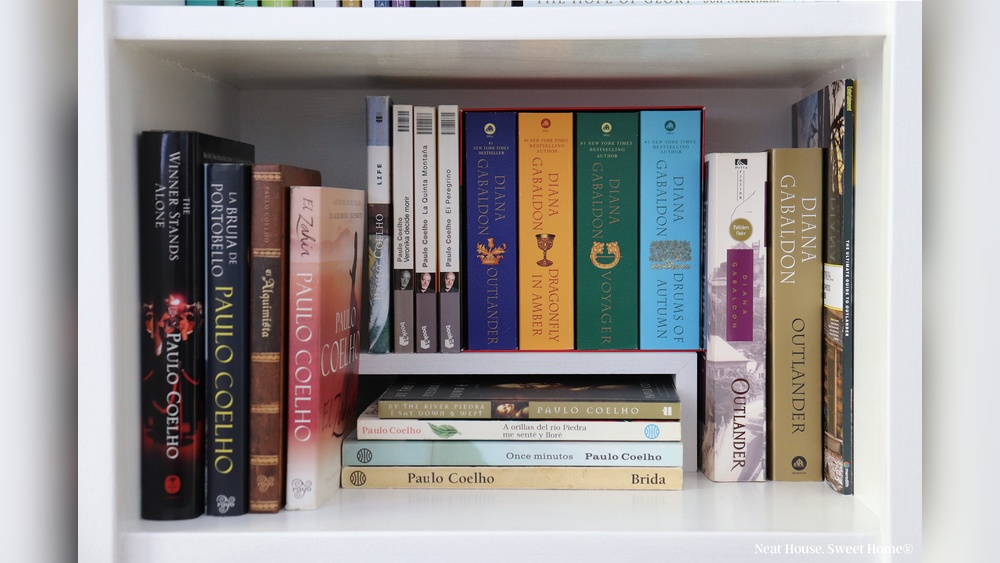
Is your small bookshelf feeling cluttered and chaotic? You’re not alone.
When space is limited, organizing your books can quickly become overwhelming. But imagine opening your shelf and instantly finding exactly what you need, with every book neatly arranged and easy to reach. In this post, you’ll discover simple, effective ways to transform your small bookshelf into a tidy, inviting space.
Keep reading, and you’ll learn tricks that make your books look great and your life easier—starting now.
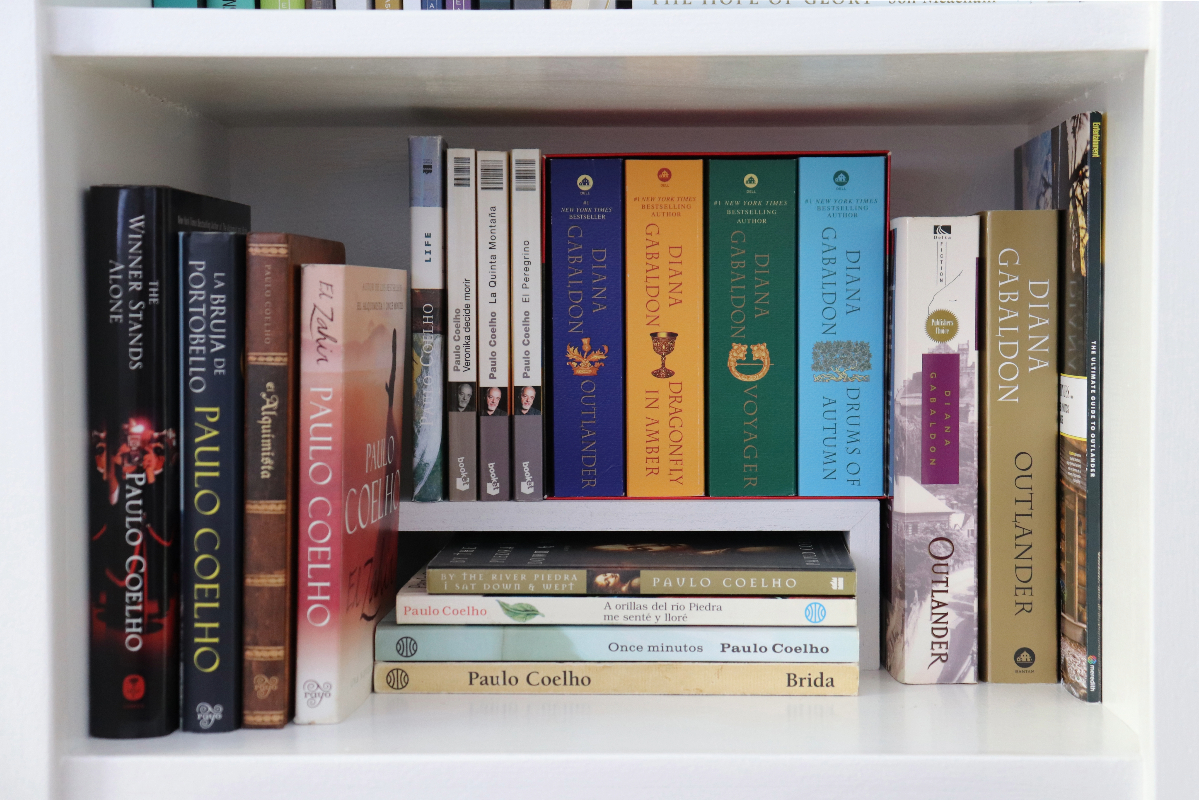
Credit: www.neathousesweethome.com
Assess Your Bookshelf Space
Assessing your bookshelf space is the first step in organizing it well. Understanding the space helps you use it better. A small bookshelf needs careful planning. This makes sure every inch is used wisely. Start by looking closely at the shelf and its surroundings.
Measure Dimensions Accurately
Take a tape measure or ruler. Measure the height, width, and depth of the shelf. Write down these numbers. Check the size of each shelf level too. Knowing exact dimensions helps you pick the right books and items. It prevents overcrowding or wasted space.
Identify Available Storage Areas
Look for empty spots on and around the shelf. Notice if shelves are adjustable or fixed. See if there are gaps above or below shelves. Think about adding small bins or boxes to hold loose items. Use vertical space by stacking books carefully. Spot every nook that can hold books or accessories.
Credit: www.reddit.com
Sort And Categorize Books
Sorting and categorizing books helps keep a small bookshelf neat and easy to use. It creates order and makes finding books faster. This step is key before placing books on the shelf. Start by grouping books into clear categories.
Group By Genre Or Theme
Group books by genre, such as fiction, non-fiction, or science. Another way is to sort by theme, like travel, cooking, or history. This method helps you find books based on your mood or interest. It also makes your shelf look organized and tidy.
Prioritize Frequently Used Books
Place books you read often in easy-to-reach spots. Keep these books at eye level or near the front. Less used books can go on higher or lower shelves. This saves time and keeps your favorite books ready to grab.
Optimize Shelf Arrangement
Optimizing the arrangement of your small bookshelf can make a big difference. It helps you use space smartly and keeps your books easy to find. A good shelf layout also makes the shelf look neat and attractive. Simple changes can create a balanced and inviting display.
Use Vertical And Horizontal Stacking
Place some books standing up, spine out. This is vertical stacking. It saves space and shows book titles clearly. Mix this with horizontal stacks. Lay some books flat in small piles. These stacks add variety and break the line of standing books. Use horizontal stacks to hold small items on top too. This mix helps fill the shelf without crowding it.
Mix Books With Decorative Items
Put small decorations between books. Items like plants, candles, or photo frames work well. They add color and interest to the shelf. These items also create breathing room on a crowded shelf. Keep decorations small so they don’t block book titles. Balance the number of books and decor for a clean look.

Credit: www.youtube.com
Utilize Storage Accessories
Using storage accessories can make your small bookshelf look neat and tidy. These tools help keep books upright and separate. They also create space for other items. Accessories bring order and style to your shelf.
Add Bookends And Dividers
Bookends stop books from falling over. They keep your books standing straight. Choose bookends that match your room’s style. Dividers separate books into groups. This makes finding books easier. Use dividers to organize by size or topic.
Incorporate Baskets And Boxes
Baskets and boxes hold small items or loose papers. They hide clutter and keep the shelf clean. Use baskets for magazines or notebooks. Boxes work well for small tools or craft supplies. Choose containers that fit your shelf size.
Maximize Wall And Surrounding Space
Small bookshelves often limit how many books and items they hold. Using the wall and space around the shelf can help store more. This method keeps the room neat and makes the shelf look bigger. You can use walls creatively to free up floor and shelf space. Here are two smart ways to use wall space for your small bookshelf.
Install Floating Shelves
Floating shelves fix directly to the wall without visible supports. They hold books and decorations while saving floor space. Install them above or beside your small bookshelf. This setup adds extra storage without crowding the room. Choose shelves that match your room’s style and size. Arrange books by size or color for a tidy look. Floating shelves can also hold plants or small art pieces. They brighten the area and make the shelf more inviting.
Use Hooks And Pegboards
Hooks and pegboards turn empty wall space into useful storage. Attach hooks to hang bags, hats, or small baskets. Pegboards allow you to move hooks and shelves easily. Use them for organizing stationery, tools, or craft supplies. Place pegboards near your bookshelf for quick access to reading glasses or bookmarks. This method keeps clutter off the shelf and floor. Hooks and pegboards keep things visible and easy to reach.
Maintain An Organized System
Maintaining an organized system is key to keeping a small bookshelf tidy and useful. A good system saves time. It helps you find books fast. It also keeps your space neat and pleasant. Simple habits make a big difference in staying organized. Small efforts every day keep clutter away.
Regularly Declutter And Reassess
Remove books you no longer need. Donate or sell books you won’t read again. Check your shelf every few months. Reassessing keeps your collection fresh and manageable. It stops the pile from growing too large. Decluttering opens space for new books. Your shelf feels lighter and more inviting.
Label Sections For Easy Access
Create labels for different book categories. Use simple names like Fiction, Non-fiction, or Kids. Labels guide you to the right place quickly. They help family members find books too. Stick labels on shelf edges or use tags. This small step saves time and effort. Your shelf looks organized and smart.
Frequently Asked Questions
How Can I Maximize Space On A Small Bookshelf?
Use vertical stacking and group books by size. Add decorative baskets for smaller items. Utilize shelf dividers to keep books upright and organized.
What Is The Best Way To Categorize Books On A Small Shelf?
Sort books by genre, author, or color. This method improves accessibility and creates a visually appealing display. Choose the system that suits your reading habits.
How Do I Keep A Small Bookshelf Clutter-free?
Regularly remove unused items and dust the shelves. Use storage bins for small accessories. Keep only essential books to maintain neatness.
Can Decorative Elements Improve A Small Bookshelf’s Look?
Yes, add plants, framed photos, or art pieces. These elements enhance aesthetics without overcrowding. Balance decorations with books for a tidy appearance.
Conclusion
Organizing a small bookshelf can be simple and fun. Use space wisely by grouping books by size or topic. Keep frequently read books within easy reach. Add small baskets or boxes for extra storage. Regularly tidy your shelf to avoid clutter.
A neat bookshelf makes finding books quick and easy. Try these tips to make your shelf look great and work well. Enjoy your organized space every day!