
Are you dreaming of a stylish bookshelf wall unit that fits perfectly in your space? Building one yourself can seem tricky, but it’s easier than you think.
Imagine having a custom storage solution that shows off your favorite books and decor while transforming your room. In this guide, you’ll discover simple steps and insider tips to create a beautiful, sturdy bookshelf wall unit that matches your style and needs.
Ready to turn your walls into a stunning centerpiece? Let’s get started!
Planning Your Bookshelf Wall Unit
Planning your bookshelf wall unit is the first step to a successful build. It helps avoid mistakes and saves time. A clear plan ensures your bookshelf fits perfectly and looks great. This stage includes choosing the best spot, measuring the area, and picking the right materials and tools.
Taking time to plan makes the whole process smoother. It also helps control costs and meet your storage needs. Let’s explore the key parts of planning your bookshelf wall unit.
Choosing The Right Location
Pick a wall with enough space and good lighting. Avoid places that get too wet or hot. Check if the wall is strong enough to hold shelves. Think about how the bookshelf will affect room flow. Make sure it won’t block doors or windows.
Measuring Your Space
Measure the wall width, height, and depth carefully. Use a tape measure and write down exact numbers. Check for any obstacles like outlets or vents. Measure twice to avoid errors. Accurate measurements help create a bookshelf that fits well.
Selecting Materials And Tools
Choose wood or other materials that match your style and budget. Consider durability and ease of cleaning. Pick tools that suit your skill level, such as drills, saws, and screwdrivers. Having the right tools makes building easier and safer.

Credit: www.thriftydecorchick.com
Designing The Layout
Designing the layout is a key step in building a bookshelf wall unit. It helps you organize space and make the unit fit your room perfectly. Good planning saves time and materials. It also makes the unit look balanced and useful.
Deciding On Shelf Sizes
Think about what you want to store on the shelves. Books need different heights than decorative items. Make some shelves tall for big books and some short for small items. Keep space between shelves enough to avoid crowding.
Measure your room’s wall to know the total width and height. Divide the space into sections that suit your needs. Use even shelf sizes for a clean look or mix sizes for a creative style.
Incorporating Storage Features
Storage features add function to your bookshelf. Include drawers or cabinets for hidden storage. Use open shelves for easy access to books and display items. Think about adding hooks or small cubbies for keys or small objects.
Choose features that fit your lifestyle. More storage means fewer items left around the room. It keeps your space tidy and organized.
Sketching Your Design
Draw your bookshelf design on paper before building. Sketch the overall shape and shelf sizes. Mark where storage features will go. This visual helps avoid mistakes.
Use simple lines and labels. Check if the design fits your wall space. Adjust measurements as needed. A clear sketch guides your work and speeds up the building process.
Preparing The Workspace
Preparing the workspace is the first step to building a bookshelf wall unit. A neat and organized area helps you work better. It also keeps you safe. This part covers gathering supplies and setting up safety measures. Both are important to start your project right.
Gathering Supplies
Collect all tools and materials before starting. You will need wood, screws, nails, a drill, a saw, and a measuring tape. Also, gather sandpaper and wood glue. Having everything ready saves time. It stops interruptions during work. Check if your tools are in good condition. Replace or fix broken ones first. This keeps your work smooth and safe.
Setting Up Safety Measures
Safety is key in any DIY project. Wear protective gear like gloves and goggles. Clear the workspace of clutter to avoid trips and falls. Make sure the area has good light and ventilation. Keep a first aid kit nearby. Follow the instructions for each tool carefully. Safety helps prevent accidents and keeps your project on track.
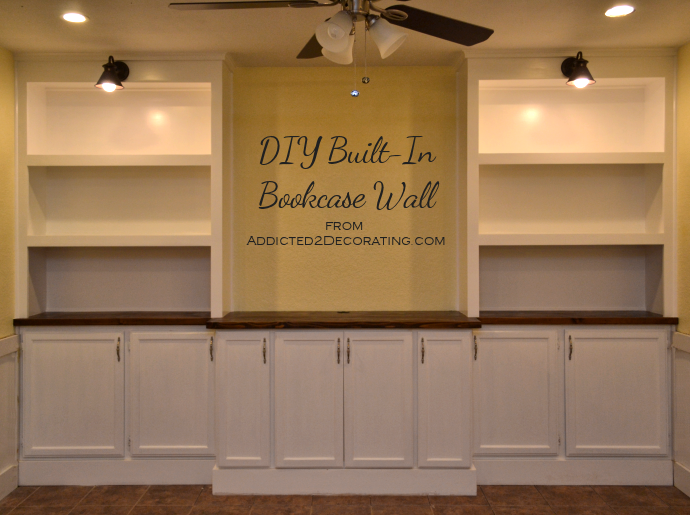
Credit: www.addicted2decorating.com
Cutting And Assembling Components
Cutting and assembling components is the key step in building your bookshelf wall unit. This stage shapes the wood pieces and connects them. It sets the foundation for a strong, stable unit that lasts.
Careful measurement and precise cutting make sure everything fits well. Proper assembly keeps the structure firm and neat. Follow each step closely for the best results.
Cutting Wood To Size
Measure each piece carefully before cutting. Use a tape measure and mark the wood with a pencil. Double-check measurements to avoid mistakes.
Use a saw that suits your wood type. A circular saw works well for straight cuts. Cut slowly and steadily for clean edges. Sand the cut edges smooth to prevent splinters.
Assembling The Frame
Start by laying out all frame pieces on a flat surface. Arrange them in the shape of the bookshelf. Use wood glue on edges for extra strength.
Join pieces using screws or nails. Drill pilot holes to avoid splitting the wood. Check that corners are square with a carpenter’s square. Clamp pieces tight while the glue dries.
Installing Shelves And Dividers
Mark shelf positions on the frame before attaching. Use a level to keep shelves straight. Attach shelves with screws or brackets for support.
Install dividers between shelves if your design calls for them. Secure dividers firmly to prevent wobbling. Double-check everything is aligned and sturdy.
Securing The Unit To The Wall
Securing the bookshelf wall unit to the wall is vital for safety and stability. It prevents the unit from tipping over. This step protects your family and your books. The process involves finding strong points on the wall and using the right hardware. Follow these simple steps to make your bookshelf safe and secure.
Finding Wall Studs
Wall studs are vertical wooden beams inside your wall. These studs offer the best support for heavy shelves. Use a stud finder tool to locate them quickly. Move the tool slowly along the wall. Mark the spots where it signals a stud. Studs usually lie 16 or 24 inches apart. Avoid drywall alone for securing your unit.
Using Anchors And Brackets
Anchors and brackets help fix the shelf firmly to the wall. Use heavy-duty brackets made for shelving units. Attach one end of the bracket to the unit. Secure the other end to the wall stud or anchor. For drywall without studs, use strong anchors designed for heavy loads. Tighten all screws fully to avoid any movement. Check the stability before loading books on your shelf.
Finishing Touches
Finishing touches make your bookshelf wall unit look complete and polished. These final steps improve the look and feel of your project. Taking time on these details gives your wall unit a professional look.
Sanding And Smoothing Surfaces
Start by sanding all surfaces with fine-grit sandpaper. This removes rough spots and splinters. Sand edges and corners carefully for a smooth finish. Wipe dust away with a clean cloth before moving on. Smooth surfaces help paint or stain stick better.
Painting Or Staining
Choose paint or stain that matches your room’s style. Apply thin, even coats for the best result. Let each coat dry fully before adding the next. Use a brush or roller for painting, and a cloth or brush for staining. Finish with a clear sealant for extra protection.
Adding Decorative Elements
Decorative elements add personality to your wall unit. Consider adding trim, molding, or corner blocks for style. Use decorative knobs or handles on cabinet doors. You can also add LED strip lights for a modern look. Small details make your shelf unit stand out beautifully.
Organizing Your Bookshelf
Organizing your bookshelf wall unit makes your space neat and inviting. It helps you find books and items quickly. A well-organized shelf also shows off your style and personality. Simple steps can turn your shelf into a functional and beautiful feature.
Arranging Books And Items
Sort books by size, color, or topic. Place taller books on the bottom shelves. Use horizontal stacks to break up rows of standing books. Mix in decorative items like plants or photo frames. Leave some empty space to avoid a crowded look. Group similar items together for easy access.
Incorporating Lighting
Lighting highlights your books and decor. Use LED strips under shelves for soft, even light. Small spotlights work well to focus on special items. Choose warm light for a cozy feel. Make sure lights do not create glare or shadows. Lighting adds depth and interest to your shelf.
Maintaining Your Wall Unit
Dust shelves regularly to keep them clean. Check for loose screws or wobbly parts. Rearrange items occasionally to refresh the look. Avoid overcrowding shelves to prevent damage. Use coasters or mats under fragile items. A well-maintained shelf lasts longer and stays attractive.
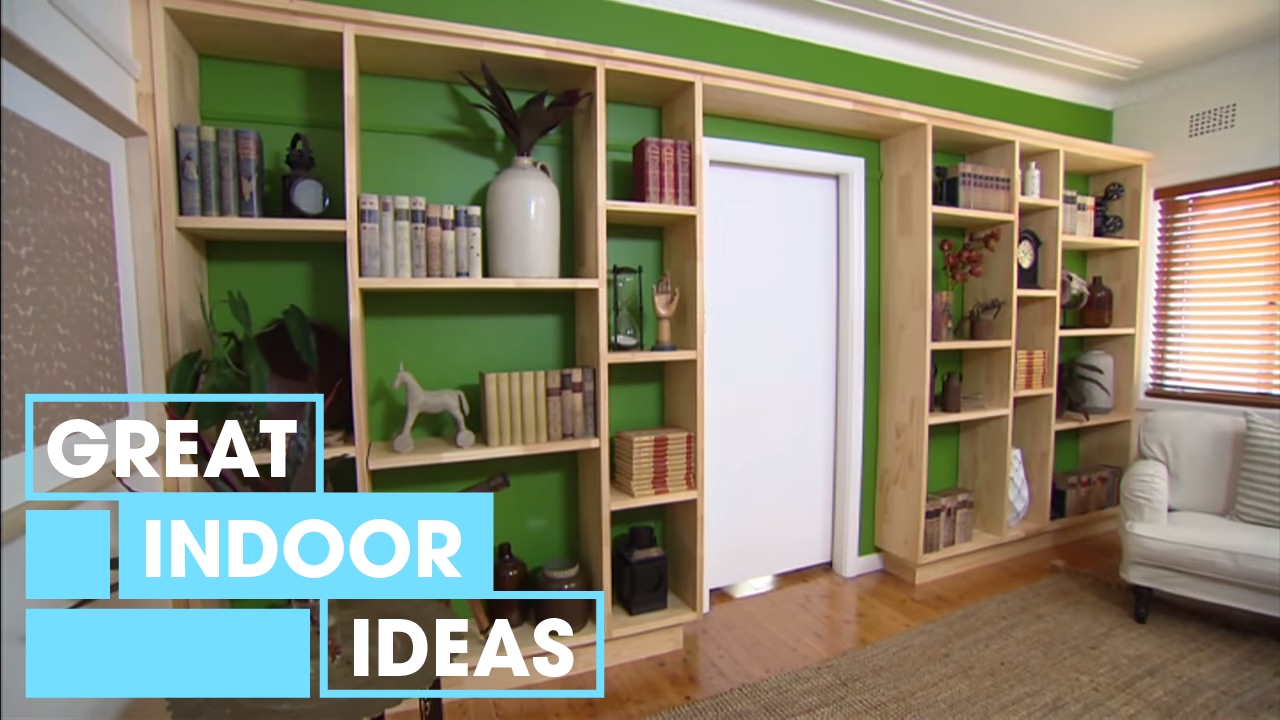
Credit: www.youtube.com
Frequently Asked Questions
What Tools Are Needed To Build A Bookshelf Wall Unit?
You need a drill, saw, measuring tape, level, screwdriver, and clamps. Safety gear like goggles is essential. Quality wood and screws complete the materials list.
How Do I Choose The Right Wood For My Bookshelf?
Select hardwood like oak or maple for durability. Pine is budget-friendly but less sturdy. Consider wood finish to match your room decor.
How To Ensure My Bookshelf Wall Unit Is Sturdy?
Use strong brackets and secure shelves to wall studs. Evenly distribute weight and avoid overloading shelves. Double-check all screws and supports for tightness.
Can I Customize The Size Of My Bookshelf Wall Unit?
Yes, measure your wall space first. Adjust shelf height and width to fit your needs. Custom units optimize space and enhance room aesthetics.
Conclusion
Building a bookshelf wall unit adds style and storage to any room. Start with a clear plan and measure carefully. Choose the right materials that fit your space and budget. Take your time assembling each part to ensure stability. A well-built unit holds books and shows off your favorite items.
Enjoy the satisfaction of creating something useful and beautiful. This project suits beginners and experts alike. Give it a try and see your room transform. Simple steps lead to a strong, attractive bookshelf wall unit.

