
Choosing the right height for your bookshelf speaker stands can make a huge difference in how your music or movies sound. If your speakers are too low or too high, you might miss out on clear, balanced audio.
You want your sound to hit your ears just right, creating an immersive experience every time. You’ll learn exactly what height speaker stand works best for your bookshelf speakers and why it matters. Keep reading to unlock the secret to better sound that transforms your listening space.
Credit: www.walmart.com
Choosing The Right Height
Choosing the right height for your bookshelf speaker stand is key to enjoying clear sound. The correct height helps you hear every detail in your music or movie. It also protects your speakers and keeps your space tidy. The best height depends on your listening spot, speaker size, and room setup.
Optimal Ear Level Positioning
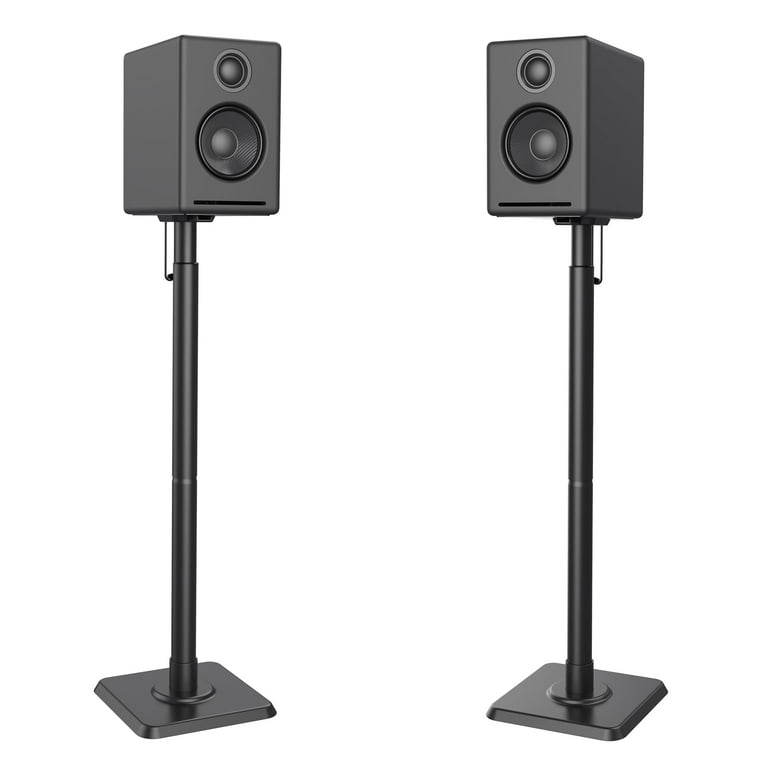
Speakers should sit at ear level when you listen. This means the tweeters, which make high sounds, should be aimed at your ears. Sitting too high or too low can blur the sound. Proper ear level positioning gives you clear and natural audio.
Impact On Sound Quality
The height of the speaker stand changes how sound spreads in the room. Too low, and sound waves bounce off surfaces oddly. Too high, and the sound may lose its warmth. The right height keeps sound balanced and full. It helps avoid echoes and distortion.
Speaker Size And Stand Height
Large bookshelf speakers need taller stands for best results. Smaller speakers can work well on lower stands. Match the stand height to your speaker size for stability and sound. A stand that is too short or tall can cause wobbling or poor sound direction.
Measuring Your Space
Measuring your space is the first step to choosing the right height for your bookshelf speaker stands. Proper measurement helps you place speakers where they sound best. This prevents sound from being blocked or distorted. It also ensures a clean and balanced audio experience in your room.
Room Layout Considerations
Start by looking at your room’s shape and size. Note where furniture sits and where you usually listen. Open spaces allow sound to travel easily. Small or crowded rooms may need careful speaker placement. Keep pathways clear to avoid sound reflections that cause echo.
Distance From Walls And Furniture
Speakers should not be too close to walls or furniture. Walls can reflect sound and change how it feels. Leave at least 6 to 12 inches between the speaker and any wall. Keep furniture away from the speakers’ path. This helps keep the sound clear and natural.
Adjusting For Listening Positions
Measure where you sit most of the time. The ideal speaker height matches your ear level when seated. This usually means stands between 24 and 36 inches high. Adjust the height so the tweeters aim directly at your ears. This gives you the best sound clarity and detail.
Types Of Speaker Stands
Choosing the right speaker stand is key for the best sound from bookshelf speakers. Stands come in different types, each with unique features. Understanding these types helps pick the best fit for your space and speakers.
Speaker stands mainly differ in height adjustability, materials, and portability. Each factor affects sound quality and ease of use. Let’s explore the common types of speaker stands available.
Adjustable Vs Fixed Height Stands
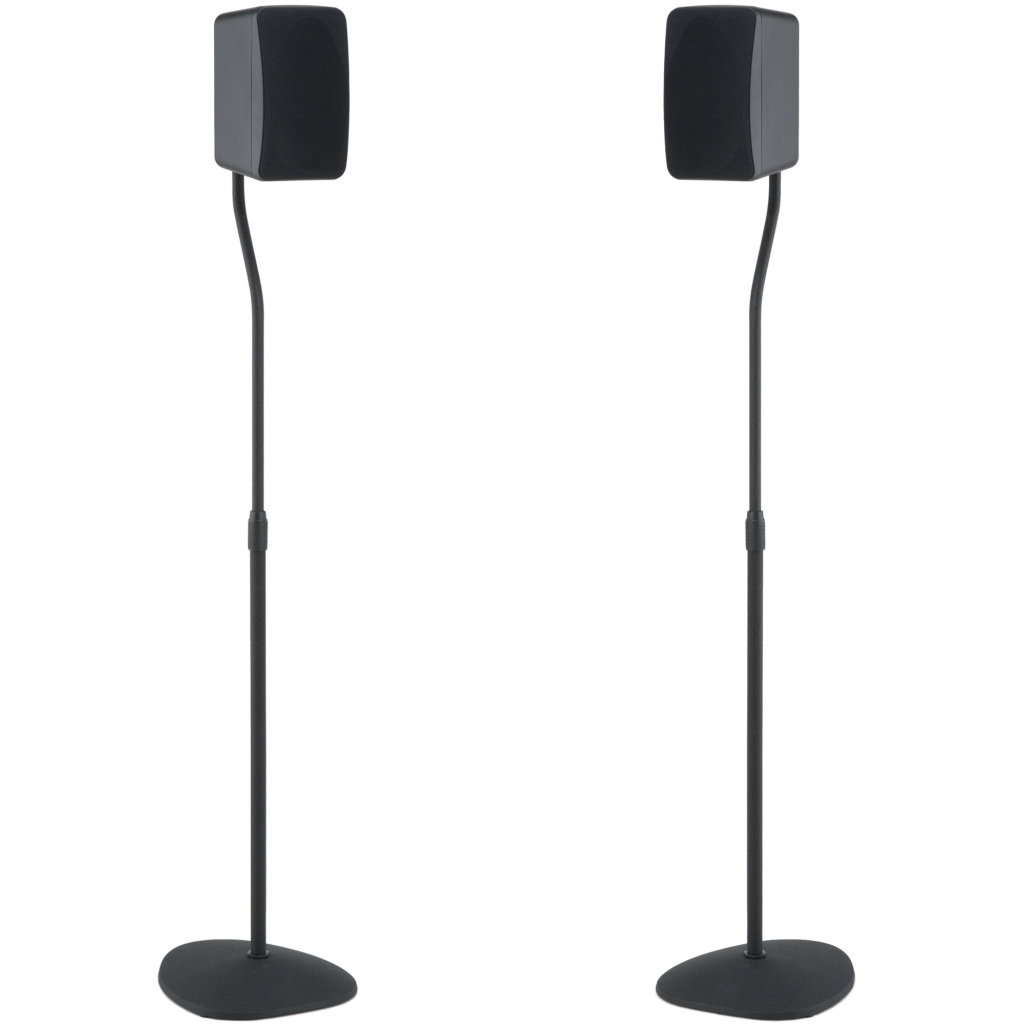
Adjustable stands let you change the height to suit your listening position. You can raise or lower speakers to ear level easily. Fixed stands have one set height and do not move. They often provide strong support and simple design. Adjustable stands offer flexibility, while fixed stands focus on stability.
Materials And Build Quality
Speaker stands come in wood, metal, and plastic. Wood gives a classic look and good sound absorption. Metal stands are durable and can hold heavier speakers. Plastic stands are lightweight but less sturdy. High build quality reduces vibrations and improves sound clarity. Choose a material that fits your room style and speaker weight.
Portability And Stability
Portability matters if you move your speakers often. Lightweight stands are easy to carry and set up. Stability keeps speakers steady during use. Wide bases and solid feet help prevent tipping. Heavy stands offer great stability but are harder to move. Balance between portability and stability suits different needs.
Setting Up Your Speaker Stands
Setting up your speaker stands correctly is key to getting great sound from your bookshelf speakers. The right setup improves sound clarity and bass response. It also prevents damage to your equipment and keeps your space neat.
Pay close attention to placement, cable management, and reducing vibrations. These steps help your speakers perform at their best.
Placement Tips For Best Acoustics
Place your speaker stands at ear level when seated. This helps you hear clear and balanced sound. Keep speakers at least 6 inches away from walls. Avoid corners to reduce bass boom. Angle the speakers slightly toward your listening spot. This creates a better stereo image and depth.
Cable Management Solutions
Organize cables to avoid tangles and tripping hazards. Use cable clips or ties to secure wires along the stands. Hide cables behind furniture or under carpets for a clean look. Label each cable to identify them easily. Proper cable management improves safety and looks tidy.
Avoiding Vibrations And Resonance
Place speaker stands on solid, level surfaces. Use rubber or foam pads under stands to reduce vibrations. Avoid placing stands on hollow or unstable furniture. Tighten all screws and joints on the stands. These steps stop unwanted noise and improve sound quality.
Common Mistakes To Avoid
Choosing the right height for bookshelf speaker stands is important. Many people make simple mistakes that hurt sound quality. Avoid these common errors to get the best audio experience. Small changes can make a big difference in how your speakers sound.
Too High Or Too Low Placement
Placing speakers too high or too low affects sound clarity. Speakers should be at ear level when you sit. If they are too high, sound feels distant. If too low, bass can become weak. Proper height helps voices and instruments sound clear and natural.
Ignoring Room Acoustics
Room size and furniture change how sound travels. Hard surfaces reflect sound and cause echoes. Soft items like curtains absorb sound and reduce noise. Not thinking about room acoustics leads to poor sound. Adjust speaker height to fit your room’s shape and materials.
Overlooking Speaker Orientation
Speakers must face your listening spot directly. Angling them away causes uneven sound. Side placement can hide details in music. Keep speakers aimed at your ears for balanced sound. Orientation affects how well you hear highs and lows.
Credit: vuepoint.sanus.com
Enhancing Sound With Accessories
Choosing the right height for your bookshelf speaker stand is important. Yet, accessories play a big role in improving sound quality too. Small additions can change your listening experience a lot. They help reduce vibrations, balance sound, and keep speakers steady.
Isolation Pads And Spikes
Isolation pads prevent vibrations from reaching surfaces. They stop unwanted noise and improve clarity. Spikes lift speakers off the ground slightly. This reduces resonance and keeps sound clean. Both accessories help speakers perform better on stands or shelves.
Additional Acoustic Treatments
Soft materials absorb echoes and reduce sound reflections. Foam panels and bass traps improve room acoustics. These treatments help speakers deliver clear, balanced sound. They work well with proper speaker stand height for best results.
Using Risers And Platforms
Risers raise speakers to ear level for better sound. Platforms create a stable base, reducing movement. Both improve speaker position and sound direction. They help get the most from your bookshelf speakers and stands.

Credit: www.amazon.com
Frequently Asked Questions
What Is The Ideal Height For Bookshelf Speaker Stands?
The ideal height aligns the speaker tweeters with ear level when seated. Usually, this ranges from 36 to 42 inches. Correct height ensures optimal sound clarity and imaging for the best listening experience.
How To Measure The Perfect Speaker Stand Height?
Measure the ear level while seated in your primary listening spot. Match the speaker stand height so the tweeters are at this level. This method guarantees balanced sound and reduces audio distortion.
Can Incorrect Speaker Stand Height Affect Sound Quality?
Yes, wrong height can cause sound distortion and poor imaging. Tweeters too high or low misalign sound waves. Proper height enhances clarity, bass response, and overall audio performance.
Are Adjustable Speaker Stands Better For Bookshelf Speakers?
Adjustable stands offer flexibility to fine-tune speaker height. They accommodate different room setups and seating positions. This adaptability ensures speakers perform optimally in various environments.
Conclusion
Choosing the right speaker stand height improves sound quality a lot. Aim for the tweeter to be at ear level while seated. This helps you hear clear and balanced audio. Too high or too low stands can change the sound in a bad way.
Simple stands with good stability work best for bookshelf speakers. Remember, small changes make a big difference in listening experience. Enjoy your music with the right setup.