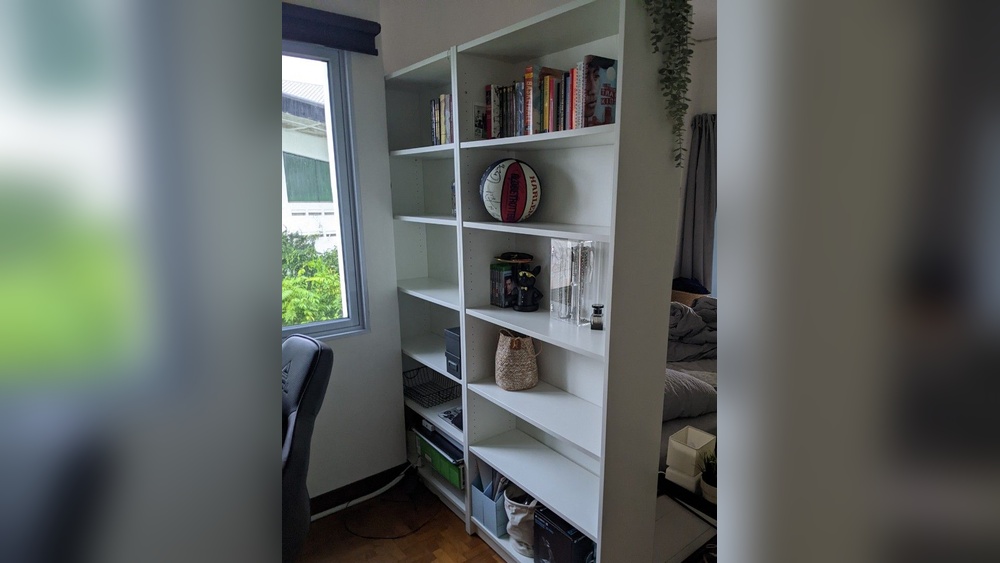
Looking to add extra seating without buying new furniture? What if your old bookshelf could become a cozy, stylish bench instead?
You’re about to discover a simple way to transform a common piece into something both practical and charming. This easy project will save you money and give your space a fresh look. Keep reading, and you’ll learn step-by-step how to turn your bookshelf into a bench that fits perfectly in your home.
Ready to make your furniture work harder for you? Let’s dive in!

Credit: www.youtube.com
Choosing The Right Bookshelf
Choosing the right bookshelf is the first step to creating a sturdy bench. The bookshelf must support weight and fit the space well. Picking the proper size and material makes the project easier and safer.
Material And Size Considerations
Wood bookshelves work best for benches. Solid wood is strong and lasts longer. Avoid particle board; it can break under pressure. Measure the space where you want the bench. The bookshelf should fit comfortably without crowding the area. Choose a height that allows easy sitting. Depth matters too; a deeper shelf offers more sitting space.
Weight Capacity And Stability
Check how much weight the bookshelf can hold. The bench must support at least 200 pounds safely. Look for shelves with a sturdy frame and strong joints. Wide legs or a solid base improve stability. Test the bookshelf by pressing down on it gently. It should not wobble or shake. Stability keeps the bench safe and comfortable to use.
Gathering Necessary Tools And Materials
Before turning a bookshelf into a bench, gather all tools and materials. Preparing everything in advance makes the project smooth. It saves time and helps avoid interruptions. Focus on having the right items ready to start the work.
Essential Tools List
- Power drill with drill bits
- Screwdriver (manual or electric)
- Measuring tape
- Level tool
- Sandpaper or electric sander
- Wood screws of various sizes
- Wood glue
- Pencil and ruler
- Clamps to hold pieces together
- Safety gear: gloves and goggles
Optional Comfort Enhancements
- Foam cushion for seating comfort
- Fabric to cover the cushion
- Staple gun for attaching fabric
- Paint or wood stain for finishing
- Brushes or rollers for applying paint
- Non-slip pads for the bench base
- Decorative trim or molding
Preparing The Bookshelf
Preparing the bookshelf is the first step to turn it into a bench. This step makes sure the structure is strong and ready for the changes. It also helps the bench look clean and smooth after the work is done.
Removing Shelves And Hardware
Start by taking out all the shelves inside the bookshelf. Pull them out carefully so you don’t break the wood. Remove any screws, nails, or brackets that hold the shelves. Take off handles, hooks, or any other hardware on the bookshelf. This clears the space and makes the frame ready for the bench seat.
Sanding And Surface Prep
Use sandpaper to smooth all surfaces of the bookshelf. Sand the sides, top, and inside where shelves were removed. This removes old paint, rough spots, and dirt. Wipe the dust away with a clean cloth after sanding. A smooth surface helps paint or stain stick well. It also makes the bench comfortable and safe to use.

Credit: www.sawstop.com
Reinforcing The Structure
Reinforcing the structure is key to making a bookshelf into a bench. The original bookshelf is not built to hold weight like a bench. Strengthening it prevents wobbling and keeps it safe to use. Focus on adding support braces and securing the frame to make it strong and stable.
Adding Support Braces
Support braces add extra strength to the bookshelf frame. Use wooden or metal braces at weak points inside the bookshelf. Attach them horizontally under the seat area and vertically on the sides. Braces help spread the weight evenly. This stops the bench from bending or breaking. Use screws to fix the braces tightly. Check that the braces fit well without gaps. This step is important for safety and durability.
Securing The Frame
Securing the frame keeps all parts firmly connected. Tighten all screws and nails on the bookshelf first. Replace any loose or missing fasteners. Add corner brackets on the inside corners for extra hold. Use wood glue along edges before screwing parts together. The glue adds strong bonding between boards. Press the parts until the glue sets. A solid frame stops shaking and makes the bench last longer.
Creating The Seating Area
Creating the seating area transforms a simple bookshelf into a cozy bench. Comfort matters. A hard wooden surface can feel cold and stiff. Adding padding makes the space inviting and soft. This part is key for a practical bench.
Start by thinking about the right cushion. It should fit the bookshelf size and support weight. Next, cover the cushion with fabric that matches your room’s style. These steps bring comfort and style together.
Choosing And Installing Cushioning
Pick foam with medium thickness. Too thin feels hard, too thick may be unstable. Measure the shelf’s length and width. Cut the foam to fit perfectly.
Use spray adhesive to attach the foam to the wood. Press firmly to avoid gaps. Let it dry before moving to the next step. Cushioning adds softness and makes the bench comfy.
Attaching Upholstery Or Fabric
Choose fabric that is strong and easy to clean. Cotton or canvas works well. Cut the fabric larger than the foam, leaving extra to wrap underneath.
Place the fabric face down. Put the foam and shelf on top. Pull the fabric tight around the edges. Use a staple gun to fix the fabric under the shelf. Check for wrinkles and smooth them out.
This step finishes the look. The fabric protects the foam and adds color. A well-covered cushion invites people to sit and relax.
Finishing Touches
Finishing touches make your bookshelf bench look complete and inviting. They protect the wood and add style to fit your space. These final steps bring out the best in your project.
Painting Or Staining
Choose paint or stain to suit your room’s color and mood. Paint gives a bright, clean look and hides wood flaws. Stain shows the wood’s natural grain and adds warmth.
Apply a primer before painting for smooth, long-lasting results. Use a brush or roller for even coverage. Let each coat dry fully before adding another.
For staining, wipe the wood with a cloth soaked in stain. Work in the direction of the grain. Add a clear sealant on top to protect the finish.
Adding Decorative Elements
Decorative touches personalize your bench and make it unique. Try cushions or pillows for comfort and color. Choose fabrics that match your room’s style.
Attach trim or molding to the edges for a polished look. Use corner brackets or metal accents for an industrial vibe. These small details make a big difference.
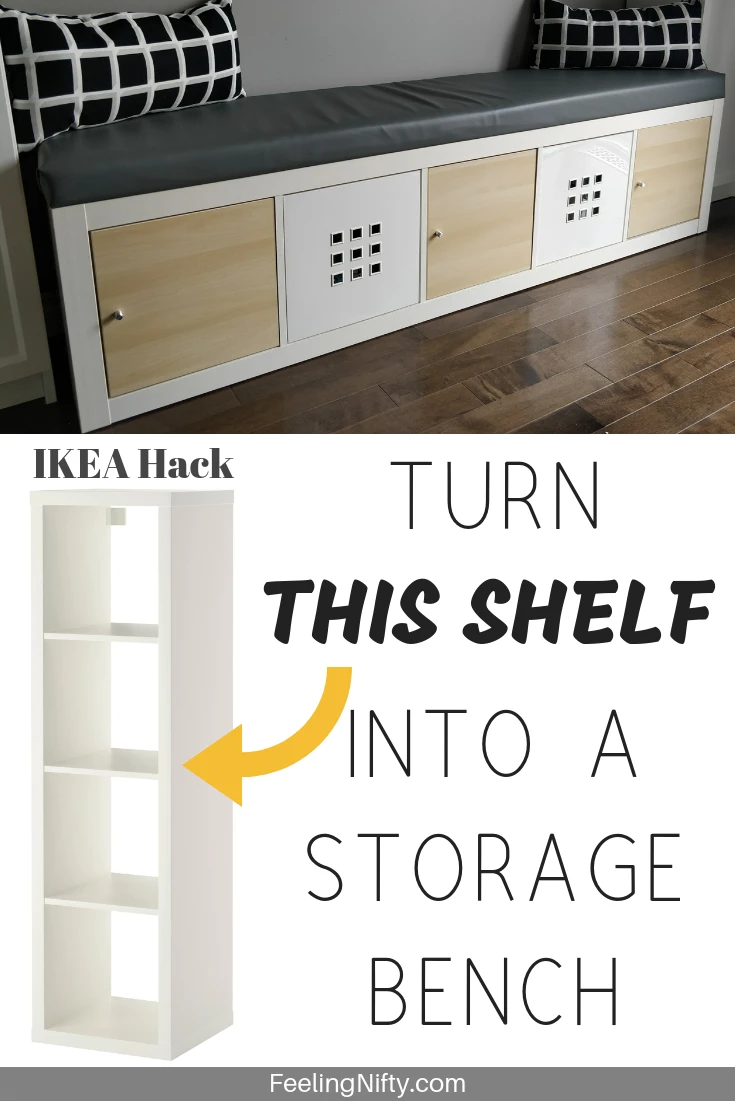
Consider adding hooks or shelves under the bench for extra storage. This keeps your space tidy and functional. Finish with your chosen decorations to complete the look.
Safety And Maintenance Tips
Turning a bookshelf into a bench is a smart way to save space and add seating. Safety is very important. Proper care keeps your bench strong and lasting. Follow these tips to use and maintain your bench safely.
Weight Limits And Usage
Know how much weight your bench can hold. Bookshelves are not made for heavy loads. Check the wood type and shelf strength. Avoid sitting with heavy bags or many people at once. Use the bench gently to avoid damage. Regularly inspect for cracks or loose screws.
Cleaning And Upkeep
Keep the bench clean to prevent wear. Dust it often using a soft cloth. Use mild soap and water for stains. Avoid harsh chemicals that can damage the wood finish. Dry the bench completely after cleaning. Treat the wood with polish or oil sometimes. This protects the surface and keeps it smooth.
Credit: feelingnifty.com
Frequently Asked Questions
How Do I Convert A Bookshelf Into A Bench?
To convert a bookshelf into a bench, reinforce the structure, add a sturdy seat, and cushion it. Ensure stability and comfort by securing all parts firmly.
What Materials Are Needed To Make A Bench From A Bookshelf?
You need wood screws, a cushion or foam, paint or stain, sandpaper, and brackets. These materials help transform the bookshelf into a comfortable, durable bench.
Can I Use Any Bookshelf To Make A Bench?
Not all bookshelves are suitable. Choose a sturdy, low-height bookshelf with a flat top. Stability and weight capacity are essential for safe bench use.
How Do I Make The Bench Comfortable To Sit On?
Add a foam cushion or padding on top of the bench. Cover it with fabric or upholstery for extra comfort and style.
Conclusion
Transforming a bookshelf into a bench adds style and function. It saves space and creates a cozy spot to sit. You only need a few tools and some effort. This project suits any room or home style. Try personalizing it with cushions or paint for a unique touch.
Enjoy your new bench that holds books and welcomes guests. Simple changes can refresh your space in fun ways. Give it a try and see the difference yourself.