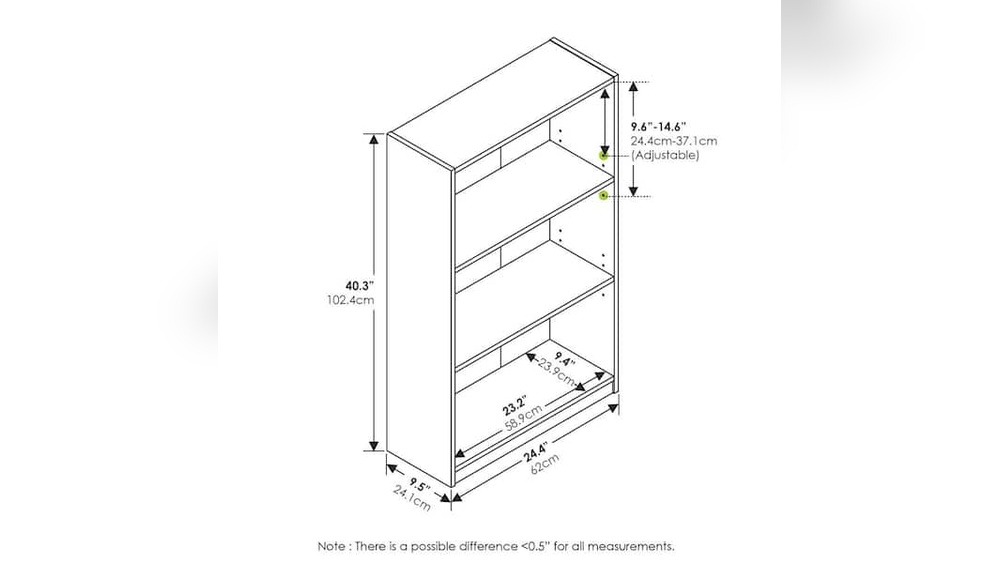
Have you ever struggled with fitting your favorite books perfectly on your bookshelf? Knowing the right height for each shelf can make a huge difference in how your collection looks and feels.
If your shelves are too tall, books might look lost in empty space. Too short, and you risk cramming or damaging your books. You’ll discover the ideal shelf heights to keep your books organized, easy to find, and beautifully displayed.
Keep reading to transform your bookshelf into a stylish and functional space tailored just for you.

Credit: www.amazon.com
Ideal Shelf Height For Books
Choosing the right shelf height is key for keeping books neat and easy to find. The height affects how books fit and how your shelf looks. Setting the right height helps avoid wasted space and keeps books safe.
Standard Book Dimensions
Most books fit well on shelves about 10 to 12 inches tall. Paperbacks usually need less space, around 7 to 8 inches. Hardcovers are bigger, needing closer to 11 or 12 inches. Knowing these sizes helps plan shelves that fit books without extra space or crowding.
Adjusting For Different Book Types
Books come in many shapes and sizes. Tall art books might need shelves 14 inches high or more. Thin magazines or small novels need less height, about 6 to 8 inches. Adjustable shelves work best for mixed collections. This way, you can change shelf height to fit each type perfectly.
:strip_icc()/102393235-3795885e0b7640d2ab27a1a55e181906.jpg)
Credit: www.bhg.com
Customizing Shelf Spacing
Customizing shelf spacing helps make your bookshelf fit your needs perfectly. Different books have different heights. Some shelves need more space, while others need less. Adjusting shelf height keeps your books safe and easy to reach. It also makes your bookshelf look neat and organized.
Measuring Your Collection
Start by measuring the tallest books in your collection. Use a tape measure to find the height of each book. Write down the tallest height. Leave extra space above for easy removal. Measure smaller books too. Group books by size to plan shelf heights well.
Flexible Shelf Options
Choose shelves that can move up or down. Adjustable shelves let you change spacing anytime. This helps when you buy new books. Some shelves use pegs or brackets for easy moves. Others slide or hook into place. Flexible shelves save money and space.
Balancing Aesthetics And Functionality
Bookshelf shelves need to look good and work well at the same time. This balance helps your space feel neat and organized. The height of each shelf plays a big role. It affects how your books and items fit and how the shelf looks in the room.
Choosing the right shelf height can make your bookshelf both pretty and practical. It is about making smart choices that suit your needs and style.
Visual Appeal Of Even Spacing
Even shelf spacing creates a clean and balanced look. It gives a sense of order and calm. When shelves are equal in height, your eyes move easily across the bookshelf. This makes the whole room feel more peaceful.
Books and objects placed on evenly spaced shelves look tidy. The uniform gaps between shelves avoid visual clutter. This simple trick improves the overall appearance of your bookshelf.
Maximizing Storage Efficiency
Adjust shelf heights to fit your items well. Tall books need taller shelves. Small books or decorations fit better in shorter spaces. Customizing shelf height saves space and keeps everything accessible.
Use shelves that are too tall or too short, and you waste space. Proper shelf height means you can store more without crowding. This makes your bookshelf both useful and attractive.
Materials And Construction Considerations
Choosing the right materials and construction for bookshelf shelves is important. It affects how strong and long-lasting your shelves will be. The materials must support the weight of books without bending or breaking. Construction details like thickness and support also matter a lot. These factors help you decide the best shelf height and spacing.
Shelf Thickness And Support
Thicker shelves hold more weight and last longer. Thin shelves may bend when loaded with heavy books. A good thickness for most shelves is at least 3/4 inch. Adding supports under the shelves can stop sagging. Metal brackets or wooden cleats work well. Support placement depends on shelf length and expected load.
Durability And Weight Capacity
Strong materials like solid wood or plywood provide good durability. Particleboard is cheaper but less durable. It may swell if wet. Weight capacity depends on material type and shelf design. Shelves should hold at least 20 pounds per foot. Always check the maximum weight to avoid damage. Proper construction ensures shelves stay safe and stable.
Tips For Adjustable Bookshelves
Adjustable bookshelves offer great flexibility for different book sizes. They let you change shelf height as your collection grows. Knowing a few tips can help you make the most of adjustable shelves. This way, your bookshelf stays neat and fits your needs.
Using Pegs And Brackets
Pegs and brackets hold the shelves in place. Choose strong pegs that fit the holes tightly. Make sure brackets support the shelf well. Check the weight limit before adding heavy books. Place pegs evenly to avoid tilting shelves. This keeps shelves stable and safe for your books.
Planning For Future Additions
Think ahead about the types of books you may add. Leave enough space for taller books or decorations. Adjust shelves higher or lower as needed. Keep some empty holes for easy adjustments later. Planning helps avoid overcrowding and keeps your shelf organized.
Common Mistakes To Avoid
Choosing the right height for bookshelf shelves can be tricky. Many make common mistakes that affect both look and function. Avoiding these errors helps keep your shelves neat and books safe. Here are two frequent mistakes to watch out for.
Overcrowding Shelves
Stuffing too many books on one shelf causes damage and clutter. Crowded shelves make it hard to find books. They also put pressure on the shelf, risking warping or breaking. Leave some space between books for better air flow and easier access.
Ignoring Book Size Variations
Books come in many sizes. Tall books need taller shelves, while paperbacks fit smaller spaces. Using the same shelf height for all books wastes space or causes damage. Measure your books first. Adjust shelf height to fit different sizes comfortably.

Credit: www.reddit.com
Frequently Asked Questions
How Tall Should Standard Bookshelf Shelves Be?
Standard bookshelf shelves are typically 10 to 12 inches tall. This height fits most books and allows for easy access. Adjust shelf height based on your book sizes to optimize space and organization.
What Shelf Height Suits Large Coffee Table Books?
Shelves for large coffee table books should be 12 to 15 inches tall. This height accommodates oversized books without bending or damage. Customize shelf spacing to protect and display your collection effectively.
How To Measure Shelf Height For Different Book Sizes?
Measure your tallest book’s height and add 1 to 2 inches. This ensures books fit comfortably without crowding. Customize shelf height for varied book sizes to maximize storage and maintain neatness.
Can Adjustable Shelves Improve Bookshelf Usability?
Yes, adjustable shelves offer flexibility for books of varying heights. They help optimize space and adapt to changing collections. This feature enhances bookshelf functionality and organization over time.
Conclusion
Choosing the right height for bookshelf shelves helps keep books neat. Different books need different space. Tall shelves fit big books better. Short shelves work well for small books. Adjustable shelves offer the most flexibility. Measure your books before building or buying shelves.
This simple step saves time and money. A well-planned bookshelf makes your room look tidy. It also protects your books from damage. Remember, good shelf height makes reading more enjoyable. Start with these tips to create your perfect bookshelf.