
Are you tired of cluttered spaces and books scattered everywhere? Building a small bookshelf could be the perfect solution for you.
Imagine having a neat, stylish spot to display your favorite books, plants, or keepsakes—all made by your own hands. This guide will walk you through simple steps to create a bookshelf that fits your space and style. Ready to turn your clutter into charm?
Keep reading, and you’ll discover how easy and rewarding it is to build your own small bookshelf.
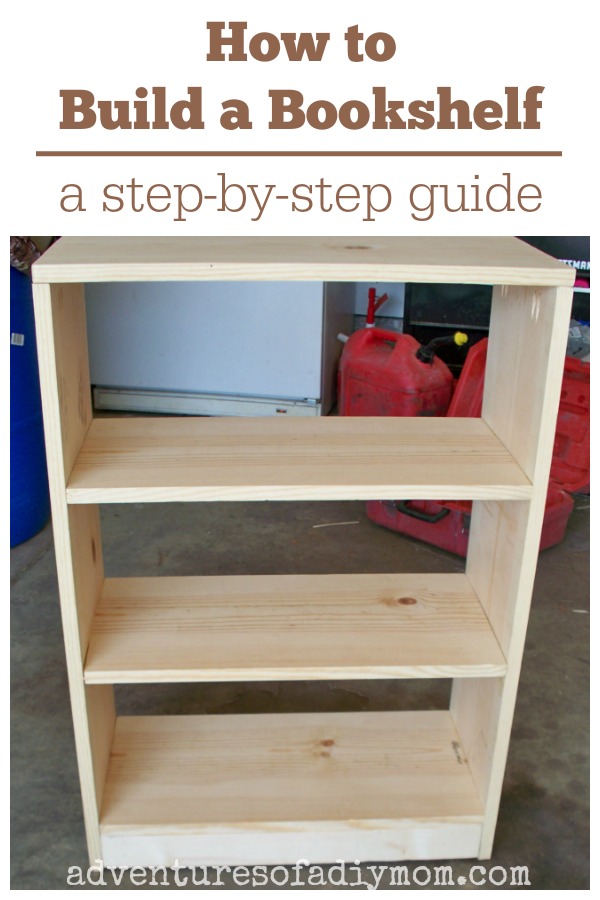
Credit: www.adventuresofadiymom.com
Choosing The Right Materials
Choosing the right materials is key to building a sturdy small bookshelf. The materials affect the strength, look, and lifespan of your bookshelf. Picking good wood and tools makes your project easier and the result better.
Types Of Wood For Bookshelves
Solid wood like pine, oak, or maple works well for bookshelves. Pine is soft and easy to cut. Oak and maple are harder and last longer. Plywood is a cheaper option and still strong enough. It has layers that hold well together. Avoid particleboard; it breaks easily and absorbs water. Choose wood that fits your budget and style.
Essential Tools And Supplies
You need basic tools to build a bookshelf. A saw to cut wood, a drill for holes, and screws to hold pieces together. Sandpaper smooths rough edges. Wood glue adds extra strength. A tape measure helps you get the right size. Clamps hold parts while glue dries. Safety glasses protect your eyes during work.
Designing Your Bookshelf
Designing your small bookshelf is the first step to making a useful piece. It helps you plan the size, shape, and style. Good design makes your bookshelf fit well in your space and hold your books safely.
Think about what you want the shelf to hold besides books. Maybe plants or decorations. This will guide your design choices and make the shelf more personal.
Measuring Space And Dimensions
Start by measuring the wall or corner where you want the bookshelf. Note the height, width, and depth available. This ensures the shelf will fit without crowding the room.
Think about the size of your books. Some are tall, others wide. Plan shelf heights and depths to hold your books comfortably. Leave extra space for future additions or decorations.
Simple And Stylish Design Ideas
Choose a design that matches your room’s style. Simple straight shelves work well in most spaces. Add clean lines for a modern look.
Use natural wood or paint the shelf in soft colors. This keeps the look fresh and neat. Open shelves make books easy to reach and look light in the room.
Consider adding small details like rounded edges or thin legs. These give the shelf a unique, stylish touch without extra work.
Cutting And Preparing Wood
Cutting and preparing wood is the first step in building a small bookshelf. This process shapes the pieces that will form your shelf. Accurate cutting ensures the parts fit well together. Proper preparation makes the wood safe and smooth to work with. Taking time here saves problems later.
Safe Cutting Techniques
Always wear safety glasses and gloves before cutting wood. Use a sharp saw for clean cuts. Mark the wood with a pencil and ruler to guide your cuts. Cut slowly and steadily to avoid mistakes. Keep your hands away from the blade. Work on a stable surface to prevent slips. Double-check measurements before cutting.
Sanding And Smoothing Edges
After cutting, sand all edges to remove rough spots. Use medium-grit sandpaper first, then switch to fine-grit for smoothness. Sand in the direction of the wood grain. Check edges with your hand to feel for splinters. Smooth edges improve the look and make the shelf safer. Take your time; smooth wood is easier to paint or finish.
Assembling The Bookshelf
Assembling the bookshelf is an exciting step in your project. This process brings all your prepared pieces together. It requires focus to ensure the structure is strong and neat. Taking your time will help you build a sturdy and lasting bookshelf.
Joining Pieces Securely
Start by lining up the boards carefully. Check that edges match and corners are square. Use clamps to hold pieces in place if available. This prevents shifting while you fasten them together. Secure joints give the bookshelf stability and durability. Proper alignment helps the shelves hold weight evenly. Always double-check measurements before fixing parts together.
Using Screws, Nails, And Glue
Combine screws, nails, and glue for the strongest hold. Apply wood glue along edges before joining pieces. This adds extra grip and reduces movement. Insert screws or nails to lock the parts firmly. Screws work well for main supports and shelves. Nails are good for smaller or less stressed areas. Pre-drill holes for screws to avoid splitting wood. Wipe away any excess glue before it dries. Let the glue set fully before handling the bookshelf.
Finishing Touches
Finishing touches make your small bookshelf look complete and last longer. They protect the wood and add style. This section guides you through painting, staining, and adding protective coatings. These steps help your bookshelf stay strong and beautiful for years.
Painting And Staining Options
Choose paint or stain based on the look you want. Paint covers the wood with solid color. It hides wood grain but offers many color choices. Stain soaks into wood and shows the natural grain. It gives a warm, classic look. Test colors on a scrap piece before applying.
Use a brush or sponge to apply paint or stain. Apply thin, even coats for best results. Let each coat dry before adding the next. Sand lightly between coats for smooth finish. Avoid thick layers to prevent drips and cracks.
Adding Protective Coatings
Protective coatings keep your bookshelf safe from spills and scratches. Clear varnish, polyurethane, or lacquer are good options. They form a hard layer over paint or stain. Use a clean brush and apply thin coats. Let each coat dry fully before adding another.
Choose water-based coatings for easy cleanup and low odor. Oil-based coatings offer more durability but have stronger smell. Apply at least two coats for strong protection. Sand lightly between coats for smooth surface. These steps extend the life of your bookshelf.

Credit: www.youtube.com
Organizing Your Bookshelf
Organizing your bookshelf makes your space neat and inviting. A well-arranged shelf helps you find books fast. It also shows your style and personality. Simple steps can turn a small bookshelf into a smart storage spot. Use ideas that fit your room and needs.
Creative Storage Ideas
Try mixing books with baskets or boxes. Use small containers for bookmarks or notes. Stack books both vertically and horizontally. This creates interesting shapes and saves space. Place heavier books at the bottom to keep the shelf steady. Use shelf dividers to separate different types of books. Add labels to find books quickly. Use the top of the shelf for decorative storage jars or photo frames.
Decorating With Style
Use colors to group your books. Arrange books by size for a clean look. Add small plants to bring life to the shelf. Place art pieces or souvenirs to show your taste. Use lighting to highlight favorite books or objects. Keep some empty space to avoid a crowded look. Change decorations with seasons or moods for freshness. A stylish bookshelf makes your room warm and welcoming.
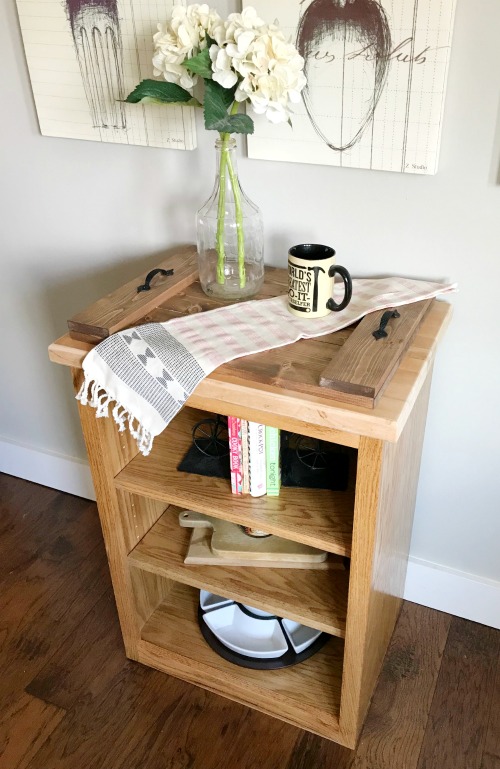
Credit: www.woodshopdiaries.com
Frequently Asked Questions
What Materials Do I Need To Build A Small Bookshelf?
You need wood boards, screws, wood glue, sandpaper, paint or stain, and basic tools like a drill and saw. Choose wood type based on your budget and desired finish.
How Much Time Does Building A Small Bookshelf Take?
Building a small bookshelf typically takes 2 to 4 hours. Time varies depending on your skill level and design complexity.
What Are The Best Wood Types For Small Bookshelves?
Pine, plywood, and MDF are popular for small bookshelves. Pine is affordable, plywood is sturdy, and MDF offers a smooth surface for painting.
How Do I Ensure My Bookshelf Is Sturdy And Safe?
Use quality wood, secure joints with screws and glue, and add a back panel for extra support. Always check for level and stability.
Conclusion
Building a small bookshelf is simple and rewarding. You can create a useful piece for your home. Just follow the steps carefully and take your time. Choose the right materials and tools for the job. Measure twice, cut once. Enjoy the process and feel proud of your work.
A handmade bookshelf adds charm and function to any space. Start your project today and see the results yourself. Small efforts lead to great results. Keep your books organized and your room neat.