Are you thinking about getting a bunk bed for your child but wondering when it’s actually safe for them to sleep in one? You’re not alone.
Many parents ask, “What age can a child sleep in a bunk bed? ” because safety and comfort come first. Choosing the right time can give your child a fun and cozy sleeping space without any risks. Keep reading to find out the best age for bunk beds and how to make sure your child’s bedtime stays safe and sound.
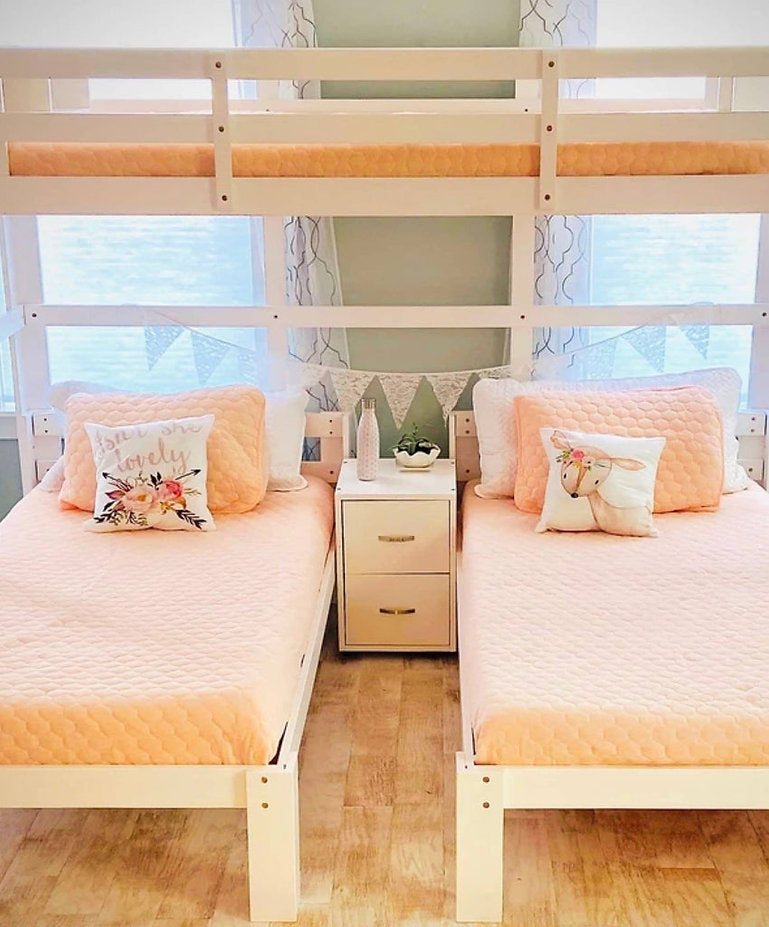
Credit: www.customkidsfurniture.com
Recommended Age For Bunk Beds
Bunk beds are a popular choice for kids’ rooms. They save space and add fun. But safety is the top concern. Parents often ask, “What age is safe for bunk beds?” This depends on several factors. Understanding the recommended age helps keep children safe while enjoying their new bed.
Minimum Age Guidelines
Most experts say children should be at least 6 years old. Younger kids may not have the balance or judgment needed. Falling risks are higher for toddlers. The top bunk is especially risky for children under 6. Many manufacturers set 6 as the minimum age for using the top bunk.
Factors Influencing Readiness
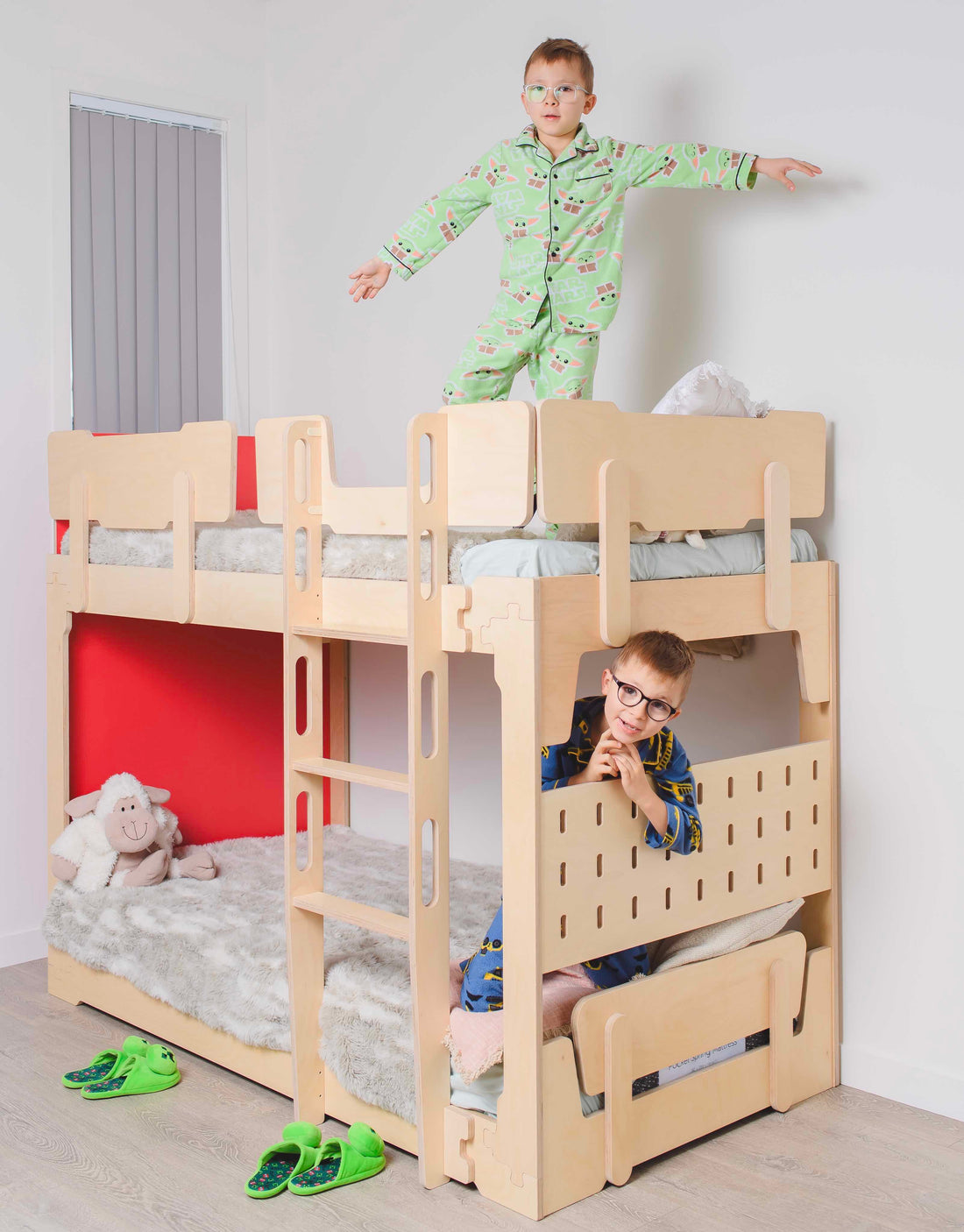
Each child grows differently. Some may be ready before 6, others later. Consider your child’s climbing skills and fear of heights. Check if they follow safety rules well. The bed design matters too. Strong guardrails and easy ladders add safety. Room layout and supervision also play roles. Watch your child closely during the first weeks on a bunk bed.
Credit: kitsmart.co.nz
Safety Concerns With Bunk Beds
Bunk beds save space and look fun. But safety must come first. Children need protection from falls and injuries. Parents should check all safety rules before buying or using a bunk bed.
Risks Of Falls And Injuries
Falls from bunk beds can cause serious harm. Kids can roll off the top bunk while sleeping. Climbing up and down can also lead to slips and falls. Younger children have a higher risk of accidents. It is best to wait until a child is older before using a bunk bed.
Importance Of Guardrails
Guardrails protect kids from falling off the bed. The top bunk must have strong guardrails on all sides. The guardrails should be high enough to stop rolling out. Make sure the rails have no gaps where a child can get stuck. Guardrails add an important layer of safety.
Proper Mattress Size And Thickness
The mattress must fit the bed frame exactly. Too thick a mattress can reduce guardrail effectiveness. Too thin a mattress can be uncomfortable and unsafe. Use a mattress that matches the bunk bed size. This keeps children safe and comfortable while sleeping.
Choosing The Right Bunk Bed
Choosing the right bunk bed is important for your child’s safety and comfort. A well-made bed supports good sleep and grows with your child. Parents should think about materials, build quality, and weight limits. These factors help pick a bed that lasts and protects your child.
Material And Construction Quality
Strong materials keep bunk beds safe and stable. Solid wood is a good choice. It lasts long and feels sturdy. Metal frames can be strong but check for sharp edges. The bed should have smooth finishes to avoid splinters or scratches. Look for tight joints and secure screws. These details stop wobbling and accidents.
Weight Limits And Durability
Every bunk bed has a weight limit. This limit includes your child and the mattress. Check the manufacturer’s rules before buying. Choose a bed with enough strength for growing kids. A durable bed stays safe through years of use. It also handles jumping and playing without damage. Knowing weight limits helps keep children safe and comfortable.
Room Setup And Placement
Setting up the room for a bunk bed needs careful thought. The bed’s location affects safety and comfort. A well-placed bunk bed helps avoid accidents and makes the room look good. This section covers key points for placing a bunk bed safely in a child’s room.
Avoiding Hazards Nearby
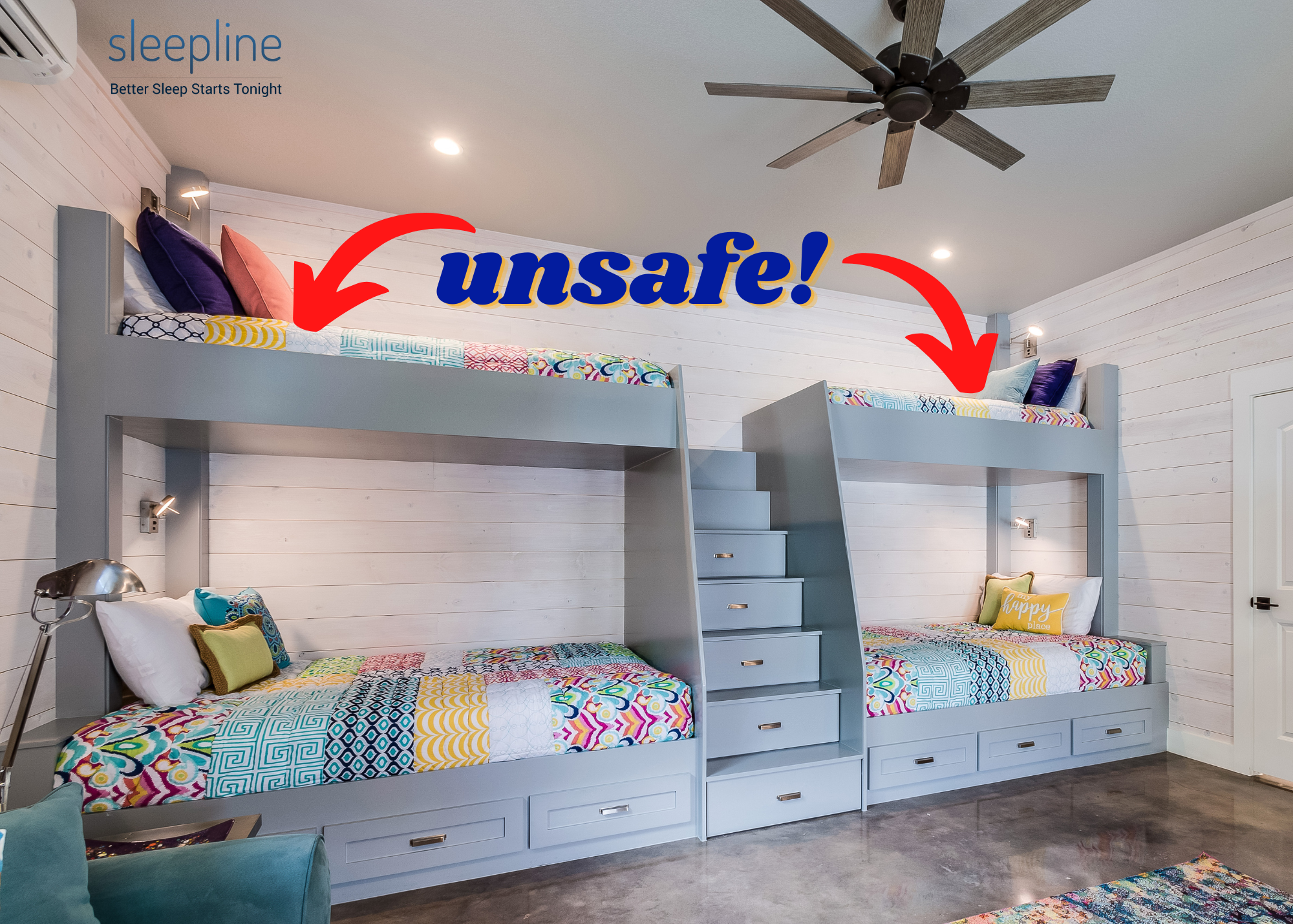
Keep the bunk bed away from windows to prevent falls. Avoid placing it near ceiling fans or light fixtures. Make sure there are no sharp edges or hard furniture close to the bed. Clear the area around the bunk bed to give your child space to move safely. Avoid placing the bed near cords or outlets that a child can reach.
Safe Ladder Design And Position
Choose a ladder that is sturdy and easy to climb. The ladder should have wide steps and handrails for a firm grip. Position the ladder where it does not block room traffic or block doors. Attach the ladder securely to prevent wobbling. A well-placed ladder helps children climb up and down safely every night.
Supervision And Rules
Supervision and clear rules help keep children safe in bunk beds. Parents should watch their kids closely at first. Rules create a safe space and good habits. Kids learn what is allowed and what is not. This reduces the chance of accidents and injuries.
Establishing Bedtime Safety Rules
Set simple rules for bunk bed use. No jumping or rough play on the bed. Teach children to use the ladder carefully. Always sleep on the mattress, not on the bed frame. Keep the top bunk free of toys or heavy items. Make sure the guardrails stay in place every night.
Monitoring And Adjusting Over Time
Watch how your child uses the bunk bed. Check if they follow the safety rules. Adjust rules as your child grows and learns. Some kids need more reminders than others. Stay alert for any risky behavior. Change rules to fit your child’s needs and abilities.
Alternatives To Bunk Beds
Bunk beds are popular but not the only option for kids’ rooms. Some families prefer safer or different styles. Alternatives offer comfort and save space. They also suit various ages and room sizes.
Loft Beds And Floor Beds
Loft beds lift the sleeping area off the floor. This creates space below for a desk or play area. They are good for older kids who like privacy. Floor beds rest directly on the ground. They are perfect for toddlers and young children. Floor beds reduce fall risks and are easy to climb into. Both options can fit different room styles and needs.
Space-saving Furniture Options
Space-saving furniture helps make small rooms feel bigger. Foldable beds and trundle beds provide extra sleeping spots. Storage beds keep toys and clothes organized. These choices keep the room neat and functional. They work well in shared or compact spaces. Parents can find styles that match their child’s age and taste.
Credit: www.sleepline.com
Frequently Asked Questions
What Is The Recommended Age For Bunk Bed Use?
Children should use bunk beds starting at age 6. Younger kids risk injury from falls. This age ensures they can safely climb and sleep without accidents.
Are Bunk Beds Safe For Toddlers?
No, bunk beds are not safe for toddlers. They lack the balance and coordination needed to climb safely. Toddlers should use cribs or low beds instead.
How To Make Bunk Beds Safer For Kids?
Use guardrails on all sides of the top bunk. Ensure the ladder is sturdy and easy to climb. Teach kids safe climbing habits and supervise younger children.
Can A 5-year-old Sleep In A Bunk Bed?
It is generally not recommended for 5-year-olds. Kids under 6 may not have the maturity and motor skills to use bunk beds safely.
Conclusion
Choosing the right age for a child to sleep in a bunk bed matters a lot. Kids should be at least six years old to use the top bunk safely. Always check the bed’s guardrails and ladder before use. Teach your child how to climb up and down carefully.
Safety should come first to avoid accidents. Bunk beds save space and can be fun, but only when used properly. Keep watching your child’s comfort and confidence with the bunk bed. This helps make bedtime safe and happy for everyone.