Are you looking to save space and add a fun twist to your bedroom? Making a bunk bed out of a regular bed is easier than you think, and it can transform your room instantly.
Whether you want to create more sleeping spots or just give your space a fresh look, this guide will show you simple steps to build your own bunk bed. Keep reading, and you’ll discover how to turn your ordinary bed into a stylish and practical bunk bed that everyone will love.
Choosing The Right Bed Frame
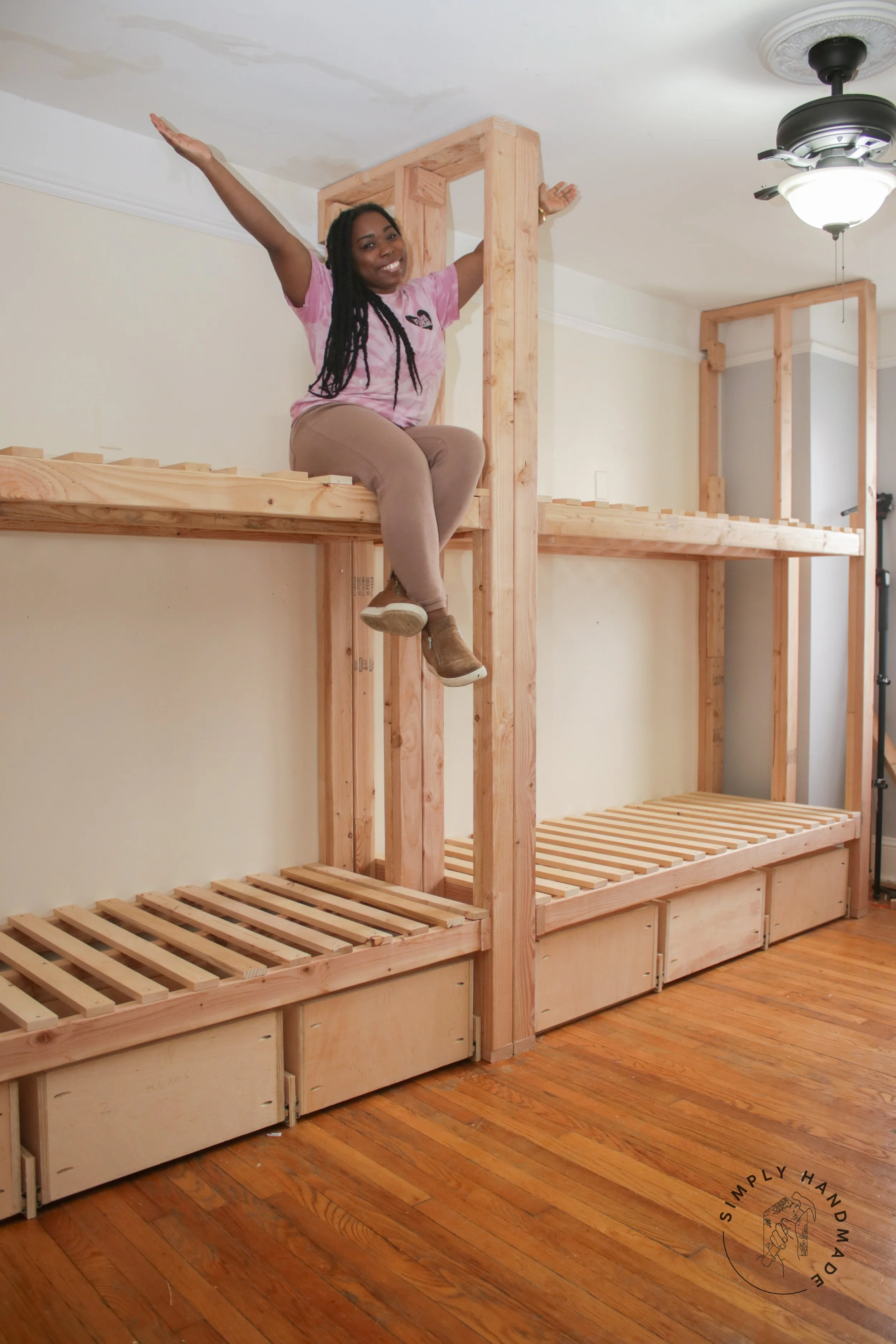
Choosing the right bed frame is a key step in making a bunk bed from a regular bed. The frame must be strong and safe. It should fit your room size well. The design also matters for comfort and style. Taking time to pick the best frame helps avoid problems later.
Materials And Design
Wood and metal are common materials for bed frames. Wood looks warm and classic. Metal is strong and modern. The design must allow stacking one bed on top of another. Look for frames with sturdy posts and good support bars. Simple designs often work best for building bunk beds.
Measuring Your Space
Measure the room before choosing a bed frame. Check ceiling height to fit two beds safely. Leave space for a ladder and easy access. Don’t forget to measure width and length. A tight fit can make the bunk bed unsafe and uncomfortable.
Weight Capacity Considerations
Weight capacity is very important for bunk beds. Each bed frame has a limit. Choose a frame that supports the weight of both sleepers. Include extra weight for bedding and movement. A strong frame prevents accidents and lasts longer.
Credit: www.simplyhandmadestudios.com
Gathering Tools And Materials
Before starting your bunk bed project, gathering the right tools and materials is crucial. This step ensures a smooth building process and a strong, safe bed. Prepare everything you need to avoid interruptions and frustration.
Essential Tools List
Have these tools ready for your bunk bed build:
- Measuring tape for accurate dimensions
- Power drill to make holes and drive screws
- Screwdriver set for tightening screws
- Saw to cut wood pieces
- Level to keep surfaces even
- Clamps to hold parts together while working
- Sandpaper for smooth edges
Recommended Hardware
Choose strong and reliable hardware to keep the bed stable:
- Wood screws of various sizes
- Metal brackets for extra support
- Bolts and nuts for firm joints
- Wood glue for added strength
- Corner braces to secure corners
Safety Gear
Protect yourself with proper safety equipment:
- Safety goggles to shield your eyes
- Work gloves to protect your hands
- Dust mask to avoid inhaling sawdust
- Ear protection if using loud tools
Preparing The Bed For Transformation
Preparing the bed for transformation is the first important step to make a bunk bed from an old bed. This stage helps you understand what you have and what you need to do next. It also keeps the process safe and smooth.
Taking time to prepare the bed well makes the building easier and faster. You avoid mistakes and damage. You get a clear idea of how to use the parts in the new bunk bed design.
Disassembling The Bed Frame
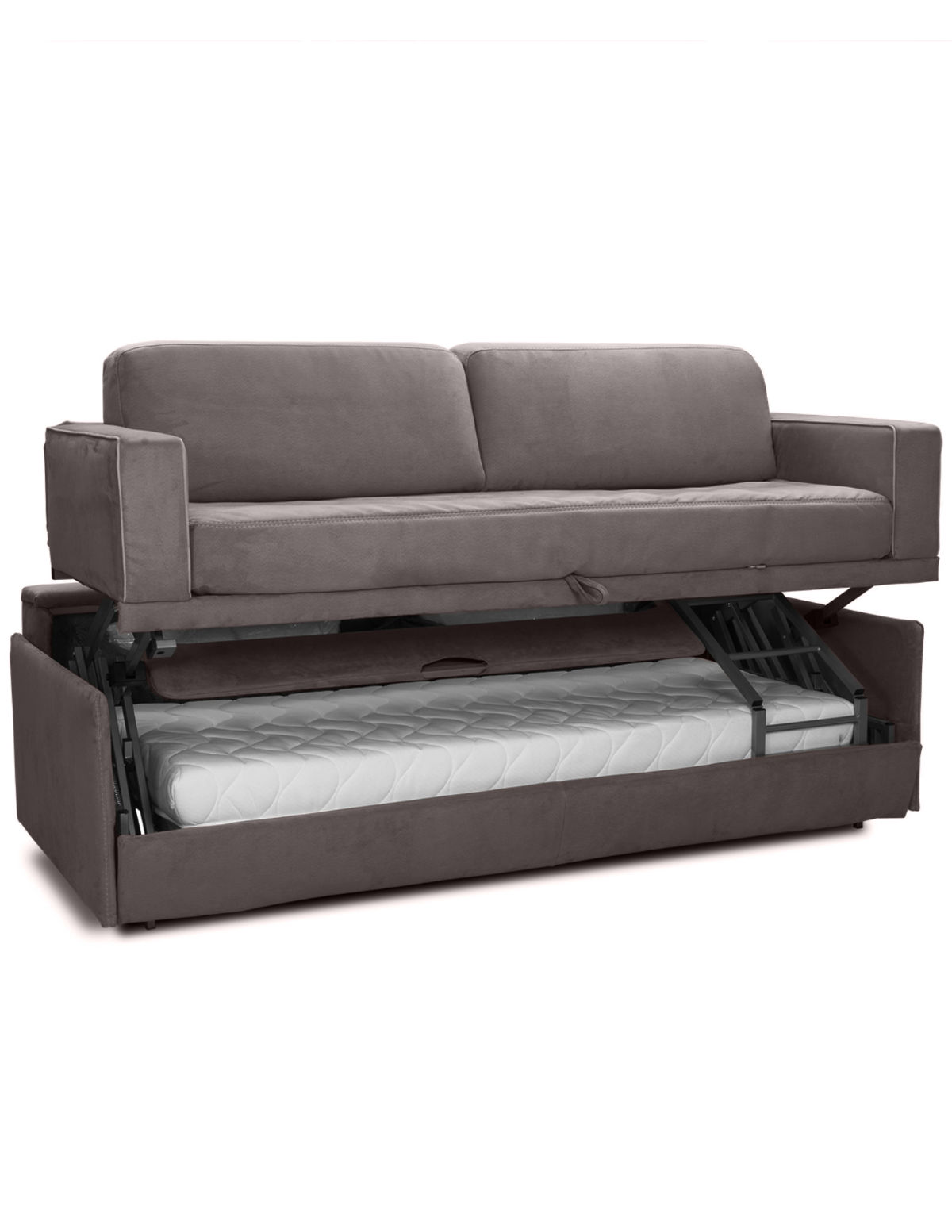
Start by removing all bedding and mattresses. Clear the area around the bed for space to work. Use tools like screwdrivers or wrenches to take apart the bed frame carefully.
Keep screws, bolts, and small parts in a container. This stops them from getting lost. Take apart the headboard, footboard, and side rails one by one. Handle the wood or metal parts gently to avoid cracks or dents.
Inspecting And Cleaning Parts
Look at each part closely for damage like cracks, splits, or rust. Mark parts that need repair or replacement. Clean all pieces with a damp cloth to remove dust and dirt.
Use mild soap and water for sticky spots. Dry the parts completely to stop mold or rust. Clean parts last longer and look better in the new bunk bed.
Credit: expandfurniture.com
Building The Lower Bunk
Building the lower bunk is the first step in turning a bed into a bunk bed. It provides a strong and safe base for the top bunk. This part must hold weight and stay steady. Taking time here makes the whole bunk bed more secure.
Reinforcing The Base
Start by checking the bed frame. Make sure it is solid and not wobbly. Add extra wood pieces or metal brackets to strengthen weak spots. Secure these with screws or bolts. Reinforcing the base stops shaking and keeps the bed firm.
Adding Support Slats
Next, place support slats across the frame. These slats hold the mattress and prevent sagging. Space them evenly and fasten them tightly. Use strong wood like pine or oak. Proper slats improve comfort and safety for the lower bunk.
Constructing The Upper Bunk
Constructing the upper bunk is a key step in making a bunk bed from a regular bed. It needs strong support and safety measures. The upper bunk will hold weight, so building a solid frame is essential. Safety is important, especially for children. Installing guardrails helps prevent falls and adds stability.
Follow these steps carefully to build a safe and sturdy upper bunk.
Creating The Frame
Start by measuring the mattress size for the upper bunk. Cut wooden boards to fit the mattress dimensions. Use thick, strong wood like pine or oak for durability. Assemble the frame by joining the boards with screws. Make sure corners are square and tight. Add support beams across the frame to hold weight evenly. Check the frame for any weak spots. Sand the edges to avoid splinters. The frame should feel solid and stable when lifted.
Installing Guardrails
Guardrails keep sleepers safe from falling off the upper bunk. Use long wooden boards to make guardrails on all open sides. The rails should be at least 5 inches above the mattress top. Attach the guardrails firmly to the frame using strong screws. Leave space for a ladder or climbing area. Check that guardrails do not wobble or move. Smooth all edges to prevent injuries. Proper guardrails make the upper bunk much safer for kids and adults alike.
Attaching The Ladder
Attaching the ladder to your bunk bed is a key step. It ensures safety and easy access to the top bunk. The ladder must be strong and steady. This part guides you on how to pick and install the ladder correctly.
Choosing Ladder Style
Pick a ladder that fits your bed’s size and style. Straight ladders are common and simple to use. They lean against the bed frame at an angle. Some ladders have flat steps for more comfort. Others have round rungs, which save space.
Consider where you want to place the ladder. Side ladders work well for narrow spaces. Front ladders offer direct access but need more room. Think about the material too. Wood ladders match wooden beds nicely. Metal ladders are lighter and very strong.
Secure Ladder Installation
Attach the ladder firmly to the bed frame. Use screws or bolts designed for wood or metal. Check that the ladder does not wobble. Tighten all connections for a solid hold. Make sure the ladder steps are level and even.
Place the ladder so it won’t block doors or walkways. Test the ladder by climbing it carefully. Look for any movement or weakness. Fix any loose parts before using the bunk bed. Safety comes first when attaching the ladder.
Finishing Touches
Finishing touches give your bunk bed a complete and polished look. This step improves safety and comfort. It also helps the bed last longer. Proper finishing makes the bunk bed inviting and ready for use.
Sanding And Painting
Sanding smooths rough edges and removes splinters. Use fine-grit sandpaper for the best result. Sand all surfaces, especially corners and joints. This step prevents injuries and prepares the wood for paint.
Choose paint that suits the room and style. Use non-toxic, child-safe paint for safety. Apply one or two coats evenly. Let the paint dry fully between coats. This gives the bed a clean and fresh appearance.
Adding Mattresses And Bedding
Select mattresses that fit the bunk bed size well. Use firm mattresses for better support and safety. Add soft bedding to make the bed cozy. Choose easy-to-clean sheets and blankets.
Place pillows and blankets neatly. This makes the bunk bed look inviting. Well-chosen bedding improves sleep quality and comfort. Small details make a big difference in the final look.
Safety Tips For Bunk Beds
Building a bunk bed from a regular bed is fun and practical. Safety must be a top priority. These beds are higher than normal beds, so risks increase. Following safety tips helps keep everyone safe and sound.
Weight Limits
Every bunk bed has a weight limit. This limit shows how much weight the bed can hold safely. Check the bed’s frame and mattress limits. Do not let anyone exceed these limits. Overloading can cause the bed to break or fall. This rule keeps sleepers safe and prevents accidents.
Regular Maintenance Checks
Check your bunk bed often for loose screws or cracks. Tighten all bolts and screws regularly. Look for any broken parts or weak spots. Fix or replace damaged parts right away. Regular checks keep the bed sturdy and safe. This simple step reduces the chance of injuries.
Maximizing Space With Your New Bunk Bed
Maximizing space with your new bunk bed helps make small rooms feel larger. Bunk beds free up floor area for other uses. This is great for bedrooms with limited space. Smart planning can create a cozy, organized room that feels open and tidy.
Storage Solutions
Use the space under the bottom bunk for storage boxes or drawers. Stackable bins keep toys, clothes, or books neat. Shelves attached to the bunk bed frame provide easy access to essentials. Hooks on the sides hold bags or hats. These ideas save closet space and reduce clutter.
Room Layout Ideas
Place the bunk bed in a corner to open up the center of the room. This leaves space for a desk, chair, or play area. Align the bed near a window for natural light. Keep pathways clear for safe movement around the room. Use rugs to define different zones, like sleeping and playing.

Credit: kelseybang.com
Frequently Asked Questions
How Do I Convert A Regular Bed Into A Bunk Bed?
To convert a regular bed into a bunk bed, add a sturdy frame and secure guardrails. Use strong ladders and ensure proper support for safety. Measure space carefully to fit the upper bunk without compromising stability.
What Materials Are Needed To Build A Bunk Bed?
You need wood planks, screws, brackets, a ladder, guardrails, and a mattress support system. Choose durable materials like hardwood for safety and stability. Have tools like a drill, saw, and measuring tape ready for assembly.
Is It Safe To Make A Bunk Bed From An Existing Bed?
Yes, if you follow proper safety guidelines and use strong materials. Ensure the structure can support weight and add guardrails to prevent falls. Regularly check bolts and joints for stability and wear.
How Much Space Is Required For A Diy Bunk Bed?
Allow at least 7 feet in height and enough floor space for both beds. Ensure there’s room for climbing and head clearance on the top bunk. Measure ceiling height carefully to avoid cramped spaces.
Conclusion
Making a bunk bed from a regular bed saves space and adds fun. It takes some tools, patience, and careful steps. Safety is important, so check all parts well. Personalize your bunk bed with paint or decorations. This project can give your room a fresh look.
Try it and enjoy the new sleeping space. Simple changes make a big difference in your home.