Are you looking for a cozy, space-saving bed that your cats will love? Making a small bunk bed for your furry friends is easier than you think.
Imagine giving your cats a special place to climb, sleep, and play—all while saving room in your home. In this guide, you’ll discover simple steps to create a stylish and comfortable bunk bed that fits perfectly in any space. Keep reading to find out how you can turn your cats’ dreams into reality with just a few easy tools and materials.
Your cats will thank you!
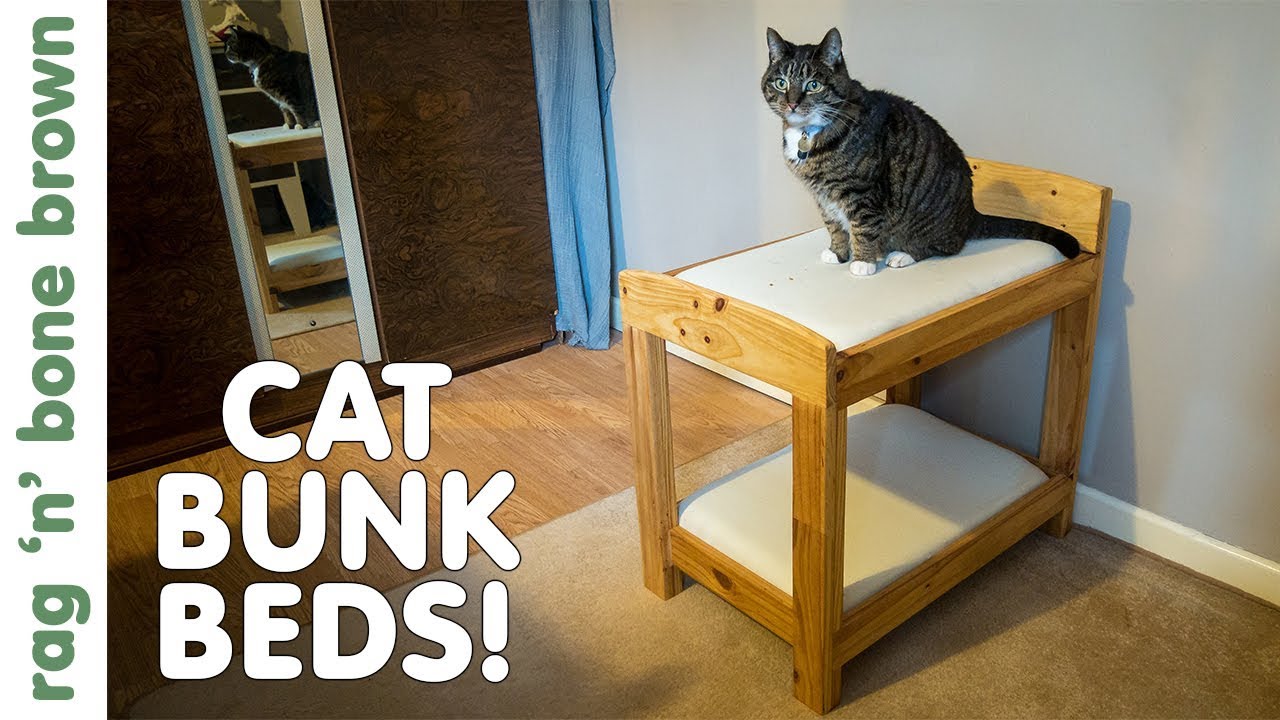
Credit: www.youtube.com
Choosing The Right Materials
Choosing the right materials is the first step in making a small bunk bed for cats. It affects safety, comfort, and durability. Picking the best materials helps create a cozy and secure space for your cats to enjoy.
Good materials also make the building process easier. The right tools and supplies ensure a smooth project from start to finish. Focus on quality and safety to build a perfect cat bunk bed.
Selecting Safe Wood Types
Choose wood that is strong and safe for cats. Pine, cedar, and plywood are good options. Avoid treated or painted wood that may harm your pets. Sand the wood well to remove rough edges and splinters. This keeps your cats safe while climbing and resting.
Picking Comfortable Bedding
Soft bedding makes the bunk bed cozy for your cats. Use washable cushions or fleece blankets. Ensure the bedding fits the bed perfectly. Clean bedding often to keep the area fresh and healthy. Comfort encourages your cats to use the bunk bed regularly.
Gathering Necessary Tools
Prepare tools before starting the project. You will need a saw, drill, screws, and sandpaper. A tape measure and pencil help with accurate cuts. Safety gear like gloves and goggles protects you during building. Having all tools ready saves time and effort.
Planning The Design
Designing a small bunk bed for cats starts with careful planning. This step helps create a safe and comfy space for your pets. Thoughtful planning saves time and avoids mistakes during building.
Consider your cat’s habits and your available space. The design should fit both well. A good plan makes the building process smooth and fun.
Measuring Space And Cats
First, measure the area where you want the bunk bed. Use a tape measure for accuracy. Note the width, height, and depth of the space.
Next, observe your cats. Check their size and favorite resting spots. Measure their length and height while resting. This helps to create a bed that suits them perfectly.
Sketching The Bunk Bed Layout
Draw a simple sketch of the bunk bed design on paper. Show the two levels clearly. Mark where each part will go.
Include entrances and exits for easy cat access. Think about where your cats will climb or jump. This helps avoid unsafe spots.
Deciding On Dimensions
Choose the bunk bed size based on your measurements. Make each level roomy enough for your cats to lie down comfortably.
Keep the height between levels safe and reachable. Avoid making it too tall. Ensure the bed fits well in the space measured earlier.
Cutting And Preparing Wood
Cutting and preparing wood is the first step to build a small bunk bed for cats. This step shapes the wood pieces into the right sizes and smooths the surfaces. Careful preparation helps the bed stay safe and strong for your pets. It also makes assembly easier and the final product look neat.
Marking Cut Lines
Start by measuring the wood with a tape measure. Use a pencil to mark where you will cut. Draw straight lines on the wood to follow during cutting. Double-check the measurements to avoid mistakes. Clear markings guide you to cut accurately.
Using Proper Cutting Techniques
Use a saw that fits your wood type, like a handsaw or jigsaw. Cut slowly and steadily along the marked lines. Keep your hands away from the blade for safety. Support the wood to prevent it from moving. Clean, straight cuts help pieces fit well together.
Sanding Edges Smooth
After cutting, sand all edges with sandpaper. Use medium-grit first to remove rough spots. Follow with fine-grit sandpaper for smoothness. Sanding stops splinters that could hurt your cats. Smooth edges give the bunk bed a finished look.
Assembling The Frame
Assembling the frame is the first important step in building a small bunk bed for cats. This part gives the bed its shape and strength. A strong frame keeps your cats safe and comfortable. Follow these steps carefully to build a solid base for the bunk bed.
Joining Side Panels
Start by connecting the side panels. Use wood screws or nails to join the panels securely. Make sure the edges line up well for a neat fit. Check that the panels are straight and even. Tight joints prevent wobbling later.
Adding Support Beams
Next, add support beams between the side panels. These beams hold the weight of the cats. Place them evenly along the length of the bed. Use strong wood pieces for better durability. Attach the beams firmly with screws.
Ensuring Stability
Finally, test the frame’s stability. Press gently on different parts to check for movement. Tighten any loose screws or joints. Use corner brackets if needed for extra strength. A stable frame keeps your cats safe while they rest.
Building The Bunk Levels
Building the bunk levels is the heart of your small cat bunk bed project. This step creates the cozy spaces your cats will love. Each level needs to be sturdy and comfortable. Careful planning ensures the beds fit well together and support your cats safely.
Focus on making strong frames and soft resting areas. Use materials that are safe and easy to clean. The design should allow your cats to climb and rest without trouble. Let’s break down how to build each bunk level clearly.
Constructing Bottom Bed
Start by building a solid frame for the bottom bed. Cut wood pieces to your desired size. Assemble them into a rectangle using nails or screws. Make sure the corners are square and tight.
Add a flat wooden board or a sturdy panel inside the frame. This will hold your cat’s cushion or blanket. Sand the edges smooth to avoid splinters. Paint or seal the wood for easy cleaning.
Constructing Top Bed
The top bed needs extra support to hold weight safely. Build a frame similar to the bottom one but use stronger wood or thicker panels. Attach vertical posts to the bottom bed frame to raise the top bed.
Secure the top bed frame to these posts firmly. Double-check all connections for stability. Add a soft cushion or bed that fits snugly inside the frame. Ensure the top bed is easy for your cat to access.
Adding Safety Rails
Safety rails stop your cat from falling off the top bed. Cut narrow wooden slats or use small dowels for the rails. Attach them around the edges of the top bunk securely but leave enough space to see out.
Make sure the rails are high enough to protect but not block your cat’s entry. Smooth all rail edges well to keep your cat safe. Test the rails by pressing them gently to confirm strength.
Finishing Touches
Finishing touches make your small bunk bed for cats both cozy and attractive. These final steps improve comfort and style. They also ensure the bed fits well in your home.
Painting Or Staining
Choose paint or stain that is safe for pets. Use non-toxic, water-based products. Light colors brighten the space and match most rooms. Dark stains give a natural, wooden look. Apply two thin coats for better coverage. Let each coat dry fully before the next. This makes the bed strong and long-lasting.
Installing Bedding And Cushions
Select soft, washable bedding for easy cleaning. Small cushions or blankets add warmth and comfort. Place bedding securely to avoid slipping. Choose fabrics that resist pet hair and stains. Adding extra padding helps if your cat likes to nap a lot. Make sure the bedding fits snugly in each bunk level.
Adding Toys Or Accessories
Attach small toys to keep your cat entertained. Soft hanging toys or feathers work well. Add a scratching pad near the bed for play and claw care. Use removable accessories for easy cleaning. Personalize the space with your cat’s favorite items. This creates a fun, inviting environment.
Maintaining The Bunk Bed
Maintaining your cat’s bunk bed keeps it safe and comfortable. Regular care helps the bed last longer. It also keeps your cats happy and healthy.
Regular Cleaning Tips
Clean the bunk bed often to remove dust and fur. Use a soft cloth or vacuum with a brush attachment. Wash any cushions or blankets in warm water. Avoid harsh chemicals that can harm your cats. Fresh bedding makes the bed inviting and cozy.
Checking For Wear And Tear
Look closely at the bed for loose screws or broken parts. Tighten screws and fix any damage quickly. Check the wood or plastic for cracks. Replace worn pieces to prevent accidents. A sturdy bed keeps your cats safe during play and rest.
Adjusting For Growing Cats
As cats grow, their needs change. Make sure the bed size fits their new size. Raise or lower the bunk levels if possible. Add extra padding for comfort and support. Adjustments help your cats stay comfortable over time.

Credit: www.youtube.com

Credit: www.reddit.com
Frequently Asked Questions
How Do I Choose Materials For A Small Cat Bunk Bed?
Select sturdy, non-toxic wood or MDF for safety. Use soft, washable cushions. Avoid sharp edges to protect your cats. Lightweight materials help in easy moving and cleaning.
What Are The Ideal Dimensions For A Cat Bunk Bed?
Keep each bunk around 18-20 inches wide and 15-18 inches tall. Ensure enough space for your cat to sit and stretch comfortably. Compact size saves space and fits small rooms.
How Can I Make The Bunk Bed Stable And Safe?
Use strong screws and brackets to secure the frame. Add non-slip pads to the base. Ensure no gaps where cats can get stuck. Test stability before letting cats use it.
What Finishing Touches Improve A Cat Bunk Bed?
Add soft, washable cushions or blankets for comfort. Paint with pet-safe, non-toxic paint. Include ramps or ladders for easy access. Personalize with cat toys or scratching posts.
Conclusion
Building a small bunk bed for cats can be fun and simple. It saves space and gives your cats a cozy spot. Use safe materials and measure carefully for comfort. Let your cats explore and enjoy their new bed. A little effort brings big joy for your pets.
Try making one today and see how happy they become. A perfect resting place makes your home better for everyone.