If you have a bunk bed at home and a little one crawling around, you might be wondering how to keep your baby safe. Bunk beds can be tricky for babies because of their height and hard edges.
But don’t worry—there are simple steps you can take to make your bunk bed baby-proof. By following these easy tips, you’ll protect your child from falls and bumps, giving you peace of mind. Keep reading to discover how you can turn your bunk bed into a safe space for your baby.

Credit: www.youtube.com
Choosing The Right Bunk Bed
Choosing the right bunk bed is key for safety and comfort. Babies and toddlers need extra care in selecting beds. The right choice reduces risks and makes the room safe. Focus on strong materials and smart designs. This keeps your child secure and happy.
Material And Build Quality
Choose bunk beds made from solid wood or metal. These materials provide strong support and last longer. Check for smooth surfaces without splinters or sharp edges. Tight joints and sturdy frames prevent wobbling. Avoid beds with loose parts or cheap finishes. High-quality build means safer sleep and play.
Size And Design Considerations
Pick a bunk bed that fits well in the room. It should have enough space for movement around it. Look for beds with guardrails on all sides of the top bunk. These rails stop falls during sleep or play. A low height bed is better for younger children. Stairs with wide steps and handrails add safety. Designs with easy-to-clean surfaces help keep the bed neat.
Securing The Bed Frame
Securing the bed frame is a key step in baby proofing a bunk bed. A strong and stable frame keeps the bed from wobbling or tipping. It reduces the risk of accidents and injuries. Ensuring the frame is tight and well-anchored gives you peace of mind. It makes the bunk bed safer for your child to use and play around.
Tightening Bolts And Screws
Check all bolts and screws on the bunk bed frame. Use a wrench or screwdriver to tighten them firmly. Loose bolts can cause the bed to shake or collapse. Tighten them regularly, especially after moving the bed. This simple step keeps the frame solid and secure. Replace any missing or damaged bolts immediately. A tight frame holds the bed parts together safely.
Anchoring To The Wall
Anchor the bunk bed frame to the wall for extra stability. Use wall straps or brackets designed for furniture. Find studs in the wall to attach anchors firmly. This prevents the bed from tipping over if pushed or climbed on. Secure anchoring is essential in homes with active toddlers. Check anchors often to ensure they remain tight and safe. A wall-anchored bed frame provides strong support and peace of mind.
Installing Guardrails
Installing guardrails on a bunk bed is essential for your child’s safety. Guardrails prevent falls during sleep or play. Choosing the right guardrails can protect your baby from serious injuries. Focus on two main things: height and coverage, plus materials and safety standards.
Height And Coverage
Guardrails must be tall enough to stop your child from rolling off. The recommended height is at least 5 inches above the mattress. This height keeps your baby safe even if they move around a lot. The guardrails should cover the entire length of the bed’s side. Partial coverage leaves gaps that can cause falls. Make sure there are no big spaces between the guardrails. Small gaps can trap arms or legs, causing harm.
Materials And Safety Standards
Choose guardrails made of strong, non-toxic materials. Wood and metal are common choices but check for smooth edges. Rough or sharp edges can hurt your baby. Look for guardrails that meet safety standards like ASTM or CPSC. These standards ensure the guardrails are tested and safe. Avoid guardrails with loose parts or small pieces that can come off. Secure installation is a must. Guardrails must stay firmly in place during use.

Credit: www.walmart.com
Safe Ladder Use
Safe ladder use is key to baby proofing a bunk bed. The ladder helps children climb up and down safely. Careful attention to ladder design and placement reduces falls. Parents must check ladder features and set it up properly. This keeps little ones secure as they use the bunk bed.
Non-slip Steps
Non-slip steps prevent slipping accidents on the ladder. Choose ladders with textured or rubber-coated steps. These materials stop little feet from sliding. Clean the steps regularly to keep them free of dust. Avoid smooth or shiny surfaces that can cause slips. Non-slip steps make climbing safer for toddlers and kids.
Proper Ladder Positioning
Place the ladder at a safe angle against the bunk bed. A slight tilt improves stability and ease of use. Check the ladder is firmly attached or stable on the floor. Avoid gaps between the ladder and bed frame. Make sure the ladder does not wobble or move. Proper positioning keeps children steady while climbing.
Creating A Safe Sleep Zone
Creating a safe sleep zone is key for babies using a bunk bed. It helps prevent falls and keeps the baby comfortable. Careful choices in bed setup reduce risks and make the space cozy. Safety and comfort should guide every decision for the baby’s sleep area.
Choosing The Lower Bunk For Babies
Select the lower bunk for your baby’s bed. It is closer to the ground and safer from falls. The lower bunk reduces injury risks and makes it easier to check on your baby. Avoid placing babies on the top bunk under any circumstances.
Using Firm Mattresses And Fitted Sheets
Use a firm mattress to support your baby’s body well. Soft mattresses can increase the risk of suffocation and discomfort. Fit the mattress with tight-fitting sheets to avoid loose fabric. Loose sheets can cause entanglement or suffocation hazards.
Removing Potential Hazards
Keeping an eye on your child near a bunk bed is very important. Bunk beds have risks that need close watching. Careful monitoring helps prevent accidents and keeps your child safe.
Parents should never leave young children unattended on or near the bunk bed. Active supervision helps spot dangers early. It also teaches children safe habits around the bed.
Using Baby Monitors
Baby monitors let you watch your child from another room. They give clear sound and video of the bunk bed area. This helps you check on your child without being in the room.
Choose a monitor with good range and clear picture. Some have night vision for dark rooms. Place the monitor where it covers the entire bunk bed.
Using a baby monitor reduces the risk of missing important sounds. You hear if your child calls or moves. It gives peace of mind while doing other tasks.
Regular Safety Checks
Check the bunk bed often to keep it safe. Look for loose screws or broken parts. Tighten any loose bolts immediately to avoid accidents.
Inspect guardrails and ladders daily. Make sure guardrails are high and secure. Ladders should be stable and easy to climb.
Remove toys or objects that could cause tripping or falling. Keep the area around the bunk bed clean and clear. Regular checks keep the bunk bed safe for your child.
Monitoring And Supervision
Adding safety accessories to a bunk bed makes it much safer for babies. These tools reduce the risk of falls and injuries. They create a secure environment for little ones to sleep and play.
Bed Rails And Bumpers
Bed rails stop babies from rolling off the bed. They act as a strong barrier along the bed’s edge. Choose rails that fit tightly and cover the entire side. Soft bumpers add extra cushion to protect babies from hard surfaces. Pick bumpers with safe, breathable material. Always check that rails and bumpers are securely attached.
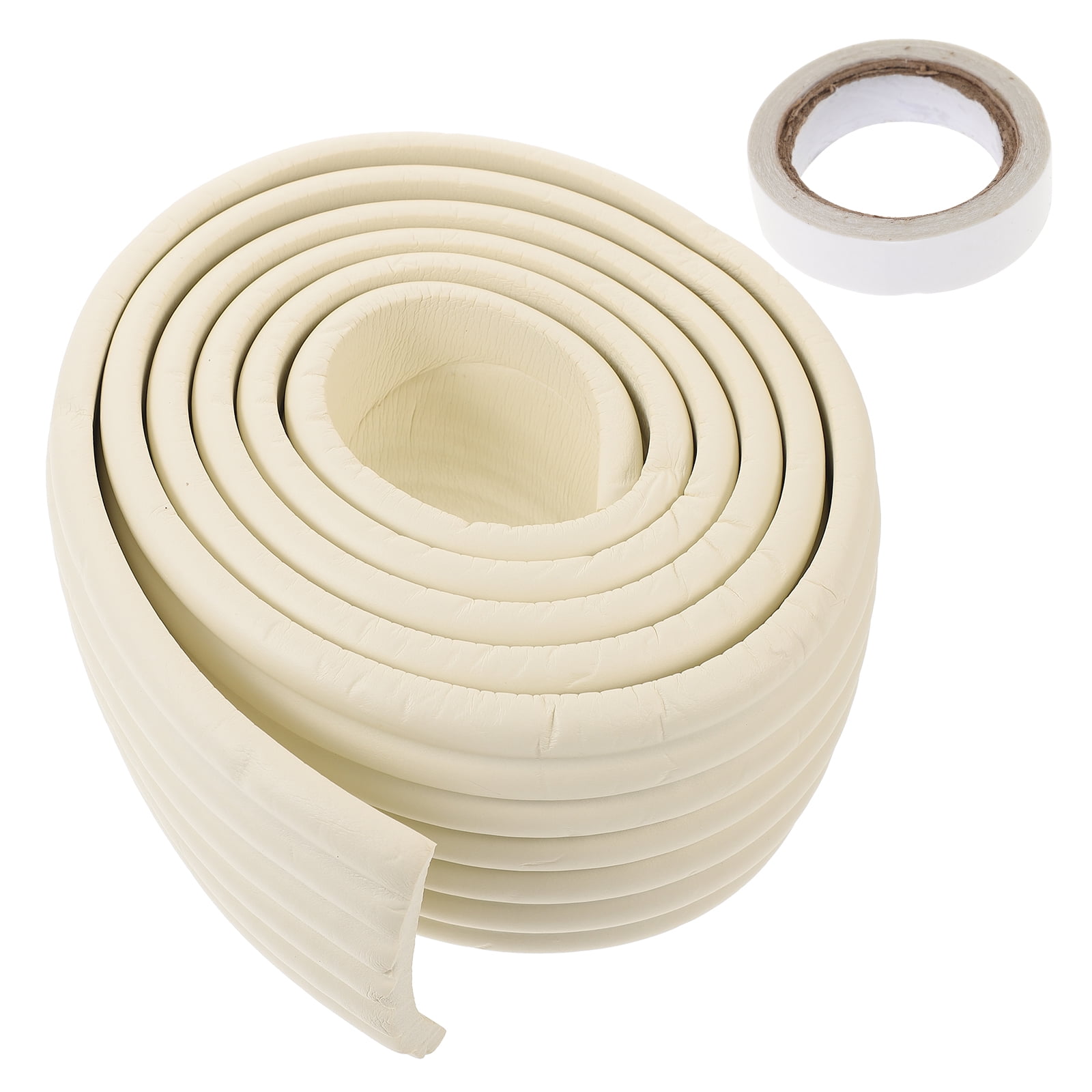
Corner And Edge Protectors
Bunk beds have sharp corners and edges that can hurt babies. Corner and edge protectors cover these risky spots. They soften the impact if a baby bumps into them. Use protectors made from soft, durable foam or rubber. Attach them firmly so they won’t fall off. These protectors make the bunk bed much safer for young children.
Credit: gianchand.com
Frequently Asked Questions
How Do I Safely Baby Proof A Bunk Bed?
Install guardrails on all sides of the top bunk. Use a secure ladder and remove any sharp objects nearby. Ensure the mattress fits snugly to avoid gaps. Regularly check for loose screws or parts to maintain stability.
What Materials Are Best For Bunk Bed Safety?
Choose sturdy wood or metal with smooth finishes. Avoid beds with sharp edges or splinters. Use soft, durable guardrails and non-slip ladder grips. These materials reduce injury risk and increase overall safety for babies and toddlers.
When Should I Stop Using A Bunk Bed For My Baby?
Stop using a bunk bed once your child is under six years old. Younger children lack coordination and risk falling. Follow manufacturer age guidelines to ensure safe use and prevent accidents in bunk beds.
How Can I Prevent Falls From A Bunk Bed?
Use full-length guardrails on the upper bunk. Place a soft rug or mat below the bed. Teach children to climb safely and avoid rough play. Regularly inspect the bed’s stability and ladder security to prevent falls.
Conclusion
Baby proofing a bunk bed keeps your child safe and sound. Use guardrails and secure ladders firmly. Remove sharp or hard objects nearby. Teach your child to climb carefully and slowly. Check the bed often for loose parts. Small steps can prevent big accidents.
Safety at home means peace of mind. Keep your little one safe every night. Simple actions make a big difference. Stay alert and protect your child well.