Looking to add extra seating without buying new furniture? What if your old bookshelf could become a cozy bench instead?
Transforming a bookshelf into a bench is easier than you think, and it’s a smart way to save space and add charm to your room. In this guide, you’ll discover simple steps to turn your bookshelf into a stylish, comfortable bench that fits perfectly in your home.
Ready to see your furniture in a whole new light? Keep reading, and you’ll learn how to make this creative change happen today.
Choosing The Right Bookshelf
Choosing the right bookshelf is key to turning it into a sturdy bench. The perfect bookshelf supports weight and fits your space well. Consider size, material, and style before starting your project.
Size And Height Considerations
Pick a bookshelf that matches your room’s size. It should be wide enough for comfortable seating. The height matters too. Aim for a height between 16 and 20 inches. This range suits most people for sitting. Avoid bookshelves that are too tall or too short. A proper height ensures safety and comfort.
Material And Durability
Choose strong materials like solid wood or thick plywood. These materials hold weight better than particleboard. Check the bookshelf’s build quality. Sturdy shelves and good joints mean longer-lasting furniture. Avoid cheap materials that can break easily. Durability is important for a safe bench.
Style And Design Compatibility
Match the bookshelf’s style with your room decor. A simple design fits most spaces. Look for clean lines and neutral colors. Avoid overly fancy or fragile designs. The bench should look natural in your home. Style harmony improves your room’s overall look.
Gathering Necessary Tools And Materials
Gathering the right tools and materials sets the stage for a smooth project. Preparing everything before starting helps avoid delays and frustration. This step ensures the bookshelf bench turns out strong and comfortable. Below are the essentials needed for this transformation.
Basic Tools For The Project
Gather a drill, screwdriver, measuring tape, and level. A saw helps to cut wood if resizing is needed. Sandpaper smooths rough edges for safety and look. Clamps hold pieces together while assembling. A pencil marks measurements clearly.
Cushion And Upholstery Options
Choose a cushion that fits the bench size well. Foam padding offers comfort and support. Fabric covers protect the foam and add style. Pick durable fabric for long-lasting use. Consider colors that match your room decor.
Additional Hardware Needs
Pick screws and brackets for secure attachment. Wood glue strengthens joints for durability. Hinges add functionality if you want storage under the seat. Felt pads protect floors from scratches. Make sure all hardware fits the bookshelf size.
Preparing The Bookshelf
Preparing the bookshelf is the first step to turn it into a bench. This stage ensures the piece is safe and ready for use. It involves cleaning, fixing, and adjusting parts of the bookshelf. Proper preparation helps the bench last longer and look better.
Cleaning And Sanding
Start by wiping down the entire bookshelf. Remove dust, dirt, and grime with a damp cloth. This cleaning helps you see any damage clearly. Next, sand the surface using medium-grit sandpaper. Sanding smooths rough spots and removes old paint or varnish. It also helps new paint or finish stick better.
Reinforcing The Structure
Check the bookshelf for weak or loose parts. Tighten screws and add brackets to strengthen joints. Reinforce the bottom and sides to support weight safely. Use wood glue on cracks or splits for extra strength. A strong frame is essential for the bench to hold people safely.
Removing Or Adjusting Shelves
Decide which shelves to keep or remove. Removing some shelves creates space for sitting. Adjust shelves to make the bench deeper or taller. Use a screwdriver or drill to take out screws holding shelves. Store removed shelves safely for later use or repurposing.
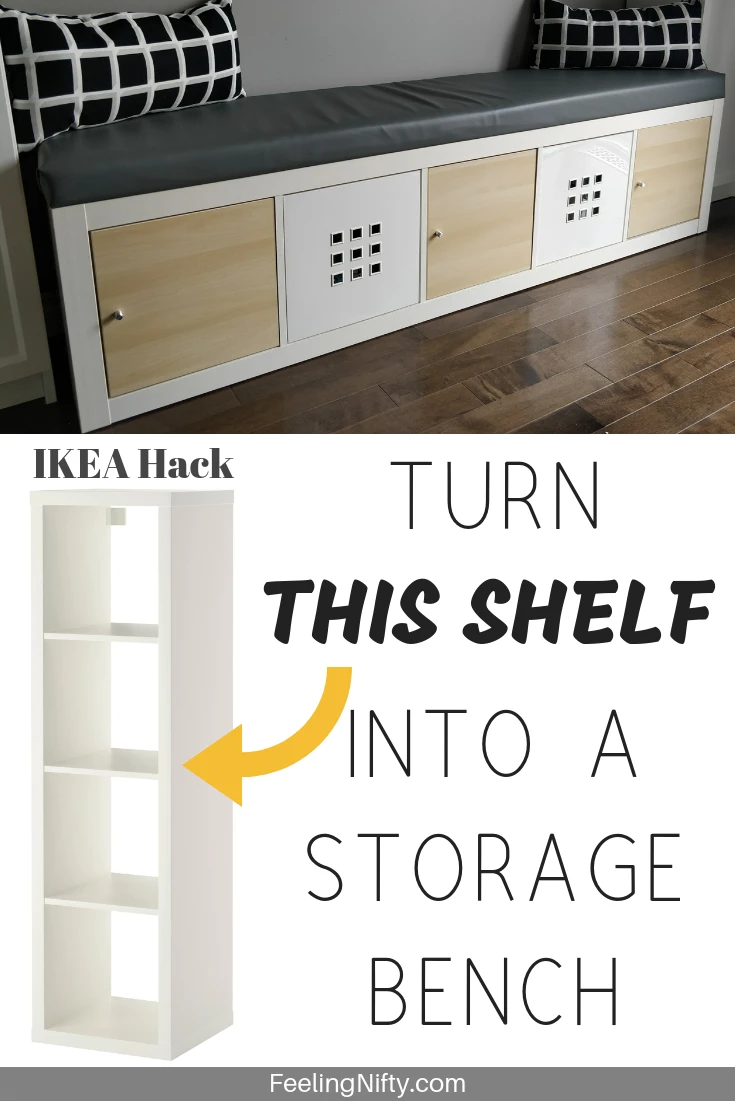
Credit: feelingnifty.com
Adding Support For Seating
Adding support for seating is essential when turning a bookshelf into a bench. The structure needs to hold weight safely. Without proper support, the bench may break or feel unstable. This section covers key steps to strengthen your bench.
Installing Braces Or Supports
Braces help spread the weight evenly across the frame. Use L-brackets or wooden braces inside the bookshelf. Attach them where shelves meet the sides for extra strength. Use screws that fit the wood type for a firm hold.
Ensuring Weight Capacity
Check the materials before you start. Solid wood supports more weight than particleboard. Add extra braces if the bookshelf feels weak. Test the bench by pressing down gently. Add more supports until it feels stable.
Securing The Frame
Make sure the frame is tight and steady. Tighten all screws and nails. Use wood glue on joints for extra bonding. Clamp the pieces until the glue dries. A secure frame prevents wobbling and improves safety.
Creating The Seat Cushion
Creating the seat cushion is an important step in turning a bookshelf into a bench. The cushion makes the bench comfortable and inviting. It also adds style and color to the space. This part explains how to choose the right foam, fabric, and how to attach the cushion securely.
Choosing Foam Thickness
Select foam that balances comfort and support. A thickness of 2 to 4 inches works well for most benches. Thicker foam feels softer but may lose shape quickly. Thinner foam is firmer and lasts longer. Measure the bookshelf top to cut the foam to the right size.
Selecting Fabric And Patterns
Pick fabric that matches your room’s style. Durable materials like cotton or linen are best for seats. Patterns can add personality and brighten the bench area. Simple colors suit most decors and hide dirt better. Avoid slippery or very smooth fabrics that might shift on the bench.
Attaching The Cushion
Use spray adhesive or double-sided tape to fix foam to wood. Cover the foam with fabric, pulling tight to avoid wrinkles. Staple the fabric underneath the bench for a clean look. Check that the cushion stays in place when you sit. This method keeps the cushion neat and safe.

Credit: www.sawstop.com
Finishing Touches
Finishing touches bring your bookshelf bench to life. They make it look complete and protect it for daily use. Small details can create a big impact on the final look and feel.
Choose the right finish based on your style and where the bench will sit. The right finish also helps the bench last longer and stay beautiful.
Painting Or Staining
Painting adds color and personality to your bench. Pick a paint that suits wood and holds up well over time. Use a brush or roller to apply thin, even coats. Let each coat dry fully before the next.
Staining highlights the wood’s natural grain. Choose a stain color that matches your room’s decor. Apply with a cloth or brush, wiping off extra stain quickly. Staining gives a warm, classic look.
Adding Decorative Elements
Decorative elements add charm and uniqueness. Consider adding cushions or pillows for comfort and style. Use fabric that matches your color scheme and is easy to clean.
Attach trim or molding to the edges for a polished look. Small hooks or baskets under the bench increase storage options. These details make your bench both pretty and practical.
Protective Coating Application
Protective coating shields your bench from scratches and spills. Use clear polyurethane or varnish for a tough finish. Apply with a clean brush, spreading evenly across all surfaces.
Let the coating dry completely before use. Apply multiple coats for extra durability, sanding lightly between coats. This step keeps your bench looking fresh for years.
Placement And Usage Ideas
Transforming a bookshelf into a bench creates a unique piece of furniture. Placement plays a key role in maximizing its use. Choosing the right spot enhances both function and style.
Consider the room’s flow and your daily habits. Think about how people move and where seating is needed most. Use the bench to add comfort and smart storage.
Entryway Bench Setup
Place the bench near the front door for a practical entryway seat. It offers a spot to put on or take off shoes easily. Use the shelves below for storing shoes, bags, or hats.
Keep cushions or pillows on top for comfort. Add baskets on the shelves to organize smaller items neatly. This setup keeps the entry tidy and welcoming.
Reading Nook Integration
Turn the bookshelf bench into a cozy reading nook. Position it near a window for natural light. Add soft cushions and a throw blanket for warmth.
Stack books within reach on the shelves. Create a quiet corner for relaxation and reading. The bench doubles as seating and book storage.
Storage And Seating Combination
Use the bench in a living room or bedroom for extra seating and storage. Place decorative boxes or baskets on the shelves. Store toys, blankets, or magazines inside.
The bench offers a comfortable spot to sit and rest. Its built-in storage keeps the area neat and organized. Perfect for small spaces needing smart solutions.

Credit: www.youtube.com
Frequently Asked Questions
How Do I Convert A Bookshelf Into A Bench?
To convert a bookshelf into a bench, reinforce the shelves for seating. Add a cushion on top for comfort. Ensure the structure is sturdy and stable before use.
What Materials Are Needed To Make A Bookshelf Bench?
You need a sturdy bookshelf, wood screws, cushions, sandpaper, paint or stain, and a drill. These materials help create a comfortable and durable bench from the bookshelf.
Can I Add Storage To My Bookshelf Bench?
Yes, the original bookshelf compartments can be used as storage. You can organize books, shoes, or other items under the seat for added functionality.
How Do I Ensure The Bench Is Safe To Sit On?
Check the bookshelf’s weight capacity and reinforce weak areas with extra wood or brackets. Secure all screws tightly to prevent wobbling or collapsing.
Conclusion
Transforming a bookshelf into a bench adds style and function to any room. It saves space and gives you a cozy spot to sit. The project is simple and fun to do. You can choose cushions or paint to match your decor.
This idea fits well in living rooms, bedrooms, or hallways. Try it yourself and enjoy a new piece of furniture. Small changes make a big difference in your home. Give your old bookshelf a fresh new look today.