Is your bookshelf wobbling or sagging under the weight of your favorite books? You’re not alone.
A weak bookshelf can be frustrating, and it might even put your valuable books at risk. But here’s the good news: you don’t need to buy a new one or call a professional to fix it. You’ll discover simple, effective ways to make your bookshelf stronger and more stable.
By the time you finish reading, your shelf will be ready to hold all your treasures securely. Let’s get started and turn your shaky shelf into a sturdy centerpiece!
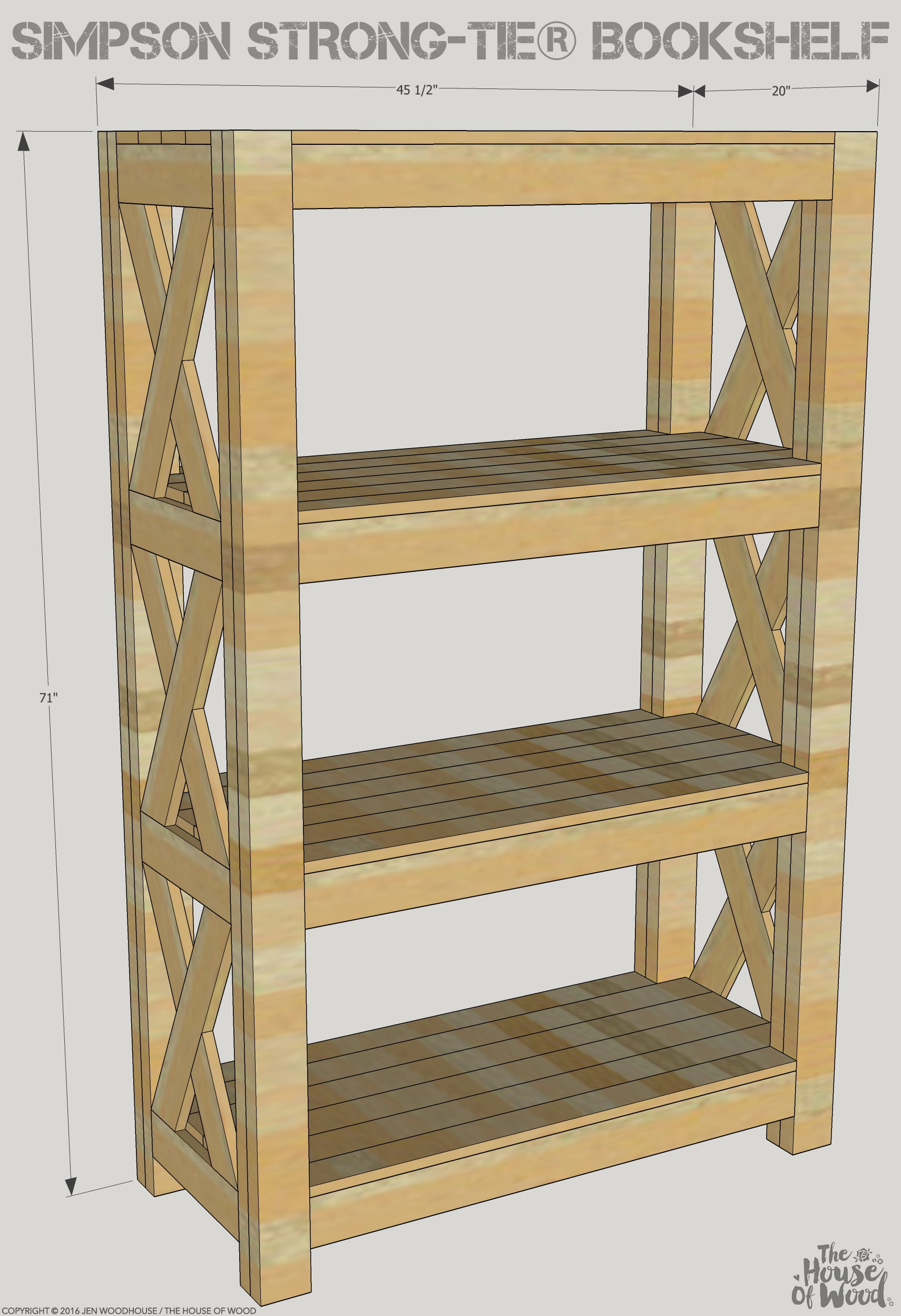
Credit: jenwoodhouse.com
Choosing Durable Materials
Choosing durable materials is key to building a stronger bookshelf. Strong materials hold weight better and last longer. They prevent bending or breaking under heavy books.
Picking the right material saves time and money on repairs. It also keeps your shelf safe and stable. The material type affects how the shelf looks and performs.
Types Of Wood For Strength
Hardwoods like oak, maple, and cherry offer great strength. They resist dents and scratches well. Softwoods like pine are lighter but less strong. Plywood is a good choice for stability. It has layers that resist warping.
Metal And Composite Options
Metal shelves are very strong and durable. Steel frames can hold heavy loads without bending. Aluminum is lighter but still sturdy. Composite boards mix wood fibers and plastic. They resist moisture and are hard to crack.
Quality Hardware Selection
Strong screws and brackets keep shelves secure. Use metal brackets with good weight ratings. Avoid cheap plastic or thin metal hardware. Proper anchors are essential for wall-mounted shelves. Good hardware supports the material’s strength well.

Credit: www.popularwoodworking.com
Reinforcing Joints And Shelves
Reinforcing the joints and shelves of a bookshelf makes it last longer. Strong joints hold the shelves firmly, preventing wobbling or sagging. Simple tools and materials can improve the shelf’s strength. This section explains easy ways to reinforce shelves and joints.
Using Corner Braces
Corner braces add extra support to the bookshelf corners. They are small metal brackets that fit inside the corners. Screw them into the wood at all corners for better stability. Corner braces stop the shelves from shifting under heavy weight. They are cheap and easy to install.
Adding Support Strips
Support strips are thin pieces of wood fixed under shelves. Attach strips along the back or underside of each shelf. They help spread the load and reduce shelf bending. Use wood screws to fasten strips tightly to the shelf. This simple step can hold more books safely.
Applying Wood Glue Techniques
Wood glue strengthens joints by bonding the wood pieces. Spread glue on the edges before joining shelves and sides. Press parts together firmly and wipe away extra glue. Let the glue dry fully for the best hold. Glue works well with screws or nails for strong joints.
Optimizing Shelf Design
Design plays a key role in making a bookshelf stronger. Thoughtful shelf design spreads weight evenly. It prevents sagging and breaking over time. Small design changes lead to big strength improvements.
Focus on shelf spacing, thickness, and adjustability. These factors help shelves hold more weight safely. A well-designed shelf lasts longer and looks better.
Proper Shelf Spacing
Space shelves based on what you plan to store. Heavy books need closer spacing to support weight. Avoid placing shelves too far apart. Long gaps cause shelves to bend under pressure. Keep shelves 10 to 12 inches apart for most books. Adjust spacing for taller or larger items.
Thicker Shelves For Heavy Loads
Use thicker boards to hold heavy items. Thin shelves bend easily and lose strength. Choose wood or boards at least 3/4 inch thick. Thicker shelves resist warping and last longer. Strong shelves protect your valuable books and items.
Adjustable Shelving Benefits
Adjustable shelves offer flexibility and strength. Move shelves to fit different book sizes. This prevents uneven weight distribution. Adjustable brackets add extra support under shelves. Change shelf height to balance loads better. A flexible shelf design adapts to your needs.

Credit: www.amazon.com
Securing The Bookshelf
Securing your bookshelf is essential for safety and stability. A well-secured bookshelf holds heavy books without wobbling or tipping. It also protects children and pets from accidents. Simple steps can make your bookshelf stronger and safer.
Wall Anchoring Methods
Attach the bookshelf to the wall using brackets or straps. Use screws and anchors suitable for your wall type. Studs provide the strongest support. Locate them with a stud finder before drilling. Secure brackets at the top and bottom for balance. This prevents the bookshelf from leaning or falling.
Preventing Tipping Hazards
Place heavy items on lower shelves to keep the center of gravity low. Avoid overloading the top shelves with heavy books. Use anti-tip kits for extra safety. These kits often include straps and hooks. Check them regularly to ensure they remain tight. A stable bookshelf reduces the risk of accidents.
Floor Protection Tips
Use felt pads under bookshelf legs to avoid floor scratches. These pads also help the bookshelf stay in place. For uneven floors, add shims to balance the bookshelf. Rubber pads can prevent slipping on smooth floors. Proper floor protection extends the life of your bookshelf and floor.
Maintenance For Longevity
Maintaining your bookshelf helps keep it strong and lasts longer. Small efforts prevent damage and keep shelves safe for heavy books. Regular care saves money by avoiding costly repairs or replacements.
Regular Inspection
Check your bookshelf often for cracks or bending. Look at joints and shelves for signs of wear. Catch problems early to fix them before they get worse. Use a flashlight to see hidden spots clearly.
Tightening Loose Components
Loose screws or nails weaken shelves and can cause collapse. Tighten all fasteners with a screwdriver or wrench. Replace missing screws to keep parts secure. Ensure shelves sit evenly on supports to prevent shifting.
Cleaning And Care Practices
Dust your bookshelf weekly with a soft cloth. Avoid water or harsh cleaners that damage wood or finish. Use mild soap and damp cloth for tough stains only. Keep bookshelf away from direct sunlight and moisture to avoid warping.
Frequently Asked Questions
How Can I Reinforce Bookshelf Shelves Effectively?
Use metal brackets or wooden cleats under shelves to provide extra support. This prevents sagging and increases load capacity. Secure brackets firmly into wall studs for best results.
What Materials Make A Bookshelf Stronger?
Solid wood, plywood, and metal provide excellent strength. Avoid particleboard as it’s weaker and less durable. Using quality materials enhances stability and longevity.
How Do I Prevent Bookshelf Wobbling?
Anchor the bookshelf to the wall using brackets or straps. Ensure the floor is level and feet are adjusted properly. This prevents tipping and improves overall safety.
Can Adding A Back Panel Strengthen A Bookshelf?
Yes, attaching a sturdy back panel like plywood adds rigidity. It helps prevent racking and keeps the bookshelf square. Secure the panel tightly with screws or nails.
Conclusion
Making a bookshelf stronger helps keep your books safe. Use quality materials and tighten loose screws. Add support brackets or braces for extra strength. Keep weight balanced across all shelves. Check the shelf regularly for any damage. Small fixes prevent big problems later.
Strong shelves last longer and hold more. Follow these simple steps to enjoy a sturdy bookshelf. Your books deserve a safe and solid home.
