Are you wondering when your child is old enough to safely sleep in a bunk bed? Choosing the right age can be tricky, but it’s important for your child’s safety and your peace of mind.
You want to make sure your little one avoids falls and injuries while enjoying their new sleeping space. You’ll discover the key factors to consider before letting your child climb into a bunk bed. Keep reading to learn exactly what age bunk beds become safe and how to protect your child every step of the way.

Credit: maxandlily.com
Age Recommendations For Bunk Beds
Bunk beds are popular for saving space and adding fun to a room. Safety is key when choosing the right age for using them. Age recommendations help parents decide when bunk beds are safe for their kids. This section explains important age guidelines and factors to consider before letting children sleep on bunk beds.
Minimum Age Guidelines
Most experts say children under 6 years old should not use the top bunk. Young kids can fall and get hurt easily. The bottom bunk is usually safer for younger children. Waiting until a child is at least 6 reduces injury risks on the top bunk.
Developmental Considerations
Children must have good balance and coordination to climb safely. They need to understand how to use ladders properly. Kids should be able to follow safety rules without reminders. Parents should watch for signs that their child is ready physically and mentally.
Manufacturer Age Limits
Always check the bunk bed’s manual for age limits. Many manufacturers state 6 years as the minimum age for the top bunk. Following these limits helps avoid accidents and injuries. Age limits are based on safety tests and product design.
Safety Features To Look For
Choosing a bunk bed involves more than style and size. Safety should be a top priority. Certain features help protect children from falls and injuries. These features make bunk beds safer for kids of different ages. Understanding these safety elements helps parents pick the right bed.
Guardrails And Barriers
Guardrails are essential for the top bunk. They stop children from rolling off while sleeping. Make sure the rails run along the full length of the bed. The rails should be high enough, about 5 inches above the mattress. Check for small gaps to prevent kids from slipping through. Solid barriers add extra protection and peace of mind.
Sturdy Ladder Design
The ladder must be strong and steady. It should attach firmly to the bed frame. Wide steps provide better footing for small feet. Non-slip surfaces reduce the risk of slipping. Avoid ladders that wobble or feel loose. A good ladder helps kids climb up and down safely.
Weight Capacity
Each bunk bed has a weight limit. This limit includes the child’s weight and mattress. Exceeding the limit can cause the bed to break. Check the manufacturer’s weight guidelines carefully. Choose a bed that fits your child’s current and future weight. A strong frame supports safe use over time.
Common Risks And Hazards
Bunk beds are popular in many homes. They save space and look fun. Still, they come with risks. Knowing these dangers helps keep children safe.
Parents should watch for common hazards. These dangers can cause serious harm. Understanding them is the first step to safe use.
Falls And Injuries
Falls are the most common bunk bed risk. The top bunk is high off the ground. A child can fall while climbing up or down. Without guardrails, the risk grows. Injuries from falls include bruises and broken bones. Proper supervision and safety rails reduce these dangers.
Entrapment Dangers
Entrapment happens when a child gets stuck. Spaces between rails or the bed frame cause this. Small heads, arms, or legs can get trapped. This can lead to cuts or choking risks. Using beds with safe rail spacing is crucial. Always check for gaps that could trap a child.
Overcrowding Issues
Too many children on a bunk bed cause problems. Overcrowding increases the chance of falls and fights. It can also damage the bed’s structure. Beds have weight limits for safety reasons. Following these limits keeps the bed stable and safe.
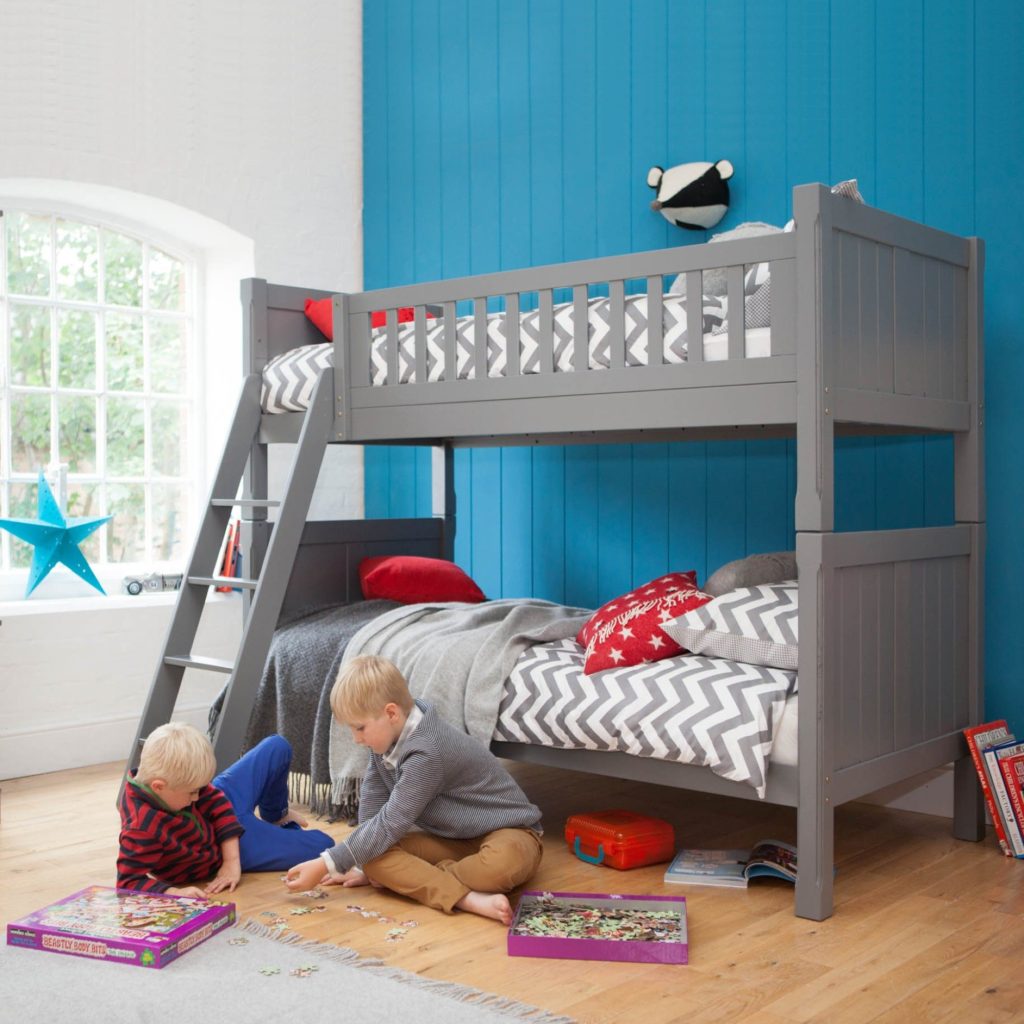
Credit: www.gltc.co.uk
Room Setup And Placement
Setting up a bunk bed correctly is key to keeping children safe. The room setup and bed placement affect how secure the bed feels. Proper arrangement reduces risks and makes the space more comfortable.
Choosing the right spot and preparing the area well helps prevent accidents. Pay close attention to the space around the bed and the floor below. These details matter for a safe sleeping area.
Safe Location Choices
Pick a corner or wall to place the bunk bed. This adds support and limits movement. Avoid spots near windows or heaters to prevent hazards. Keep the bed away from doors to reduce bumps and falls.
Clearance And Headroom
Make sure there is enough space above the top bunk. Children need room to sit up and move safely. Leave at least 30 inches between the mattress and ceiling. Check there is enough space between the two beds too.
Floor Padding Options
Use soft floor mats or rugs under the bunk bed. These can cushion falls and protect against injuries. Choose non-slip pads to keep mats in place. Foam tiles work well in play areas near the bed.
Supervision And Usage Rules
Supervision and clear usage rules are crucial for bunk bed safety. Proper guidance helps prevent accidents and injuries. Parents and caregivers must set firm boundaries and watch kids closely. Teaching children how to use the bed safely builds good habits early.
Nighttime Safety Tips
Keep the room well-lit at bedtime. Use nightlights near the bunk bed ladder. Make sure the ladder is sturdy and easy to climb. Check that guardrails are in place and secure. Remove toys or objects that can cause trips or falls. Encourage kids to climb down carefully and slowly.
Rules For Play And Sleep
Use the bunk bed only for sleeping, not for playing. No jumping or roughhousing on or near the bed. Limit the number of children on the bed at once. Teach kids to wait their turn to climb up or down. Keep bedding tidy to avoid slipping or tripping. Reinforce these rules often and consistently.
Educating Kids On Safety
Talk with children about the risks of bunk beds. Explain why guardrails and ladders matter. Show them how to climb safely and use the bed properly. Use simple words and repeat instructions clearly. Praise children when they follow safety rules well. Make safety a daily habit, not just a one-time talk.
Maintenance And Inspection
Keeping a bunk bed safe starts with regular maintenance and inspection. These steps help catch problems early. They keep the bed strong and secure for kids of the right age.
Checking the bed often means fewer accidents. It ensures the bed stays in good shape. Parents should know what to look for and how to fix issues quickly.
Regular Checks For Wear
Look for cracks in the wood or metal parts. Check for loose screws or bolts. Watch for any wobbling or shaking. Pay attention to the mattress support. It should be firm and stable. Check the guardrails for damage. Make sure the ladder is sturdy and safe to climb.
Tightening And Repairs
Use a screwdriver or wrench to tighten screws and bolts. Tight parts keep the bed from moving or falling. Fix small cracks with wood glue or metal repair kits. Replace broken guardrails or ladder steps right away. Avoid using the bed until repairs are done. Keep tools handy for quick fixes.
Replacing Parts Safely
Buy parts made for your bunk bed model. Use strong, durable materials like solid wood or metal. Follow the manufacturer’s instructions for replacement. Avoid mixing parts from different beds. Test new parts before letting children use the bed. Proper parts keep the bed safe and long-lasting.
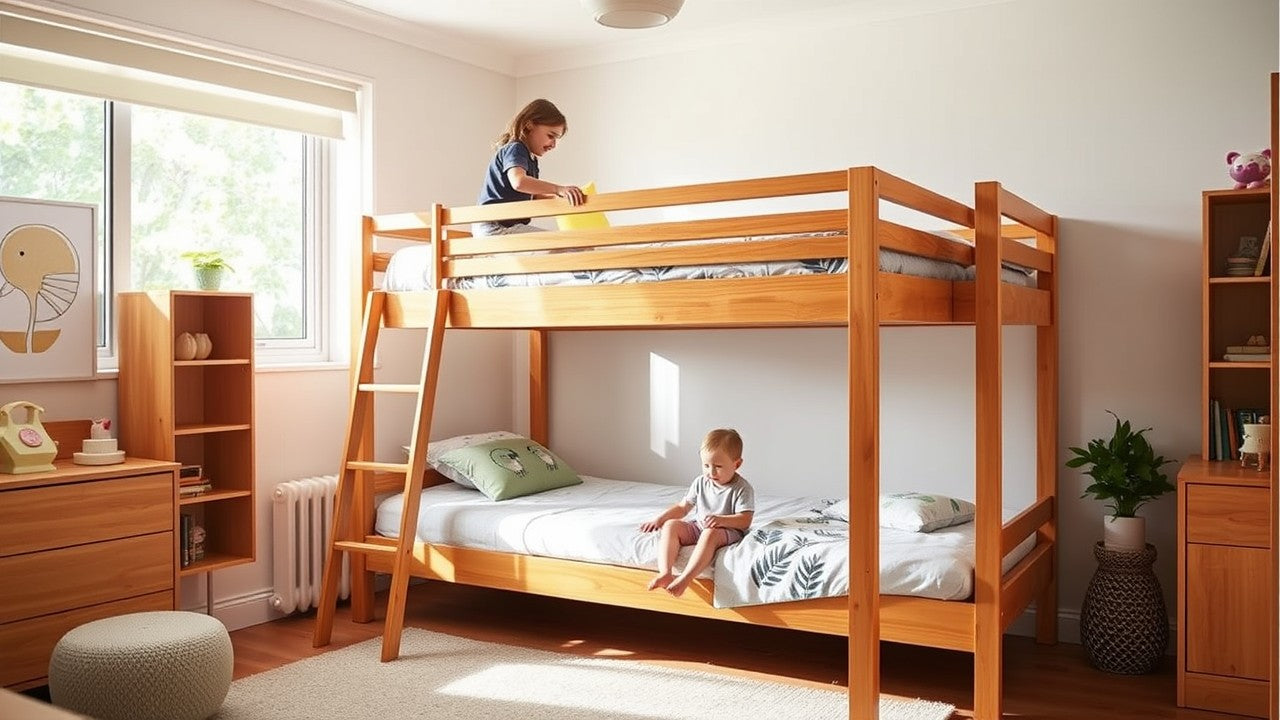
Credit: www.tsbliving.co.nz
Frequently Asked Questions
At What Age Can Children Safely Use Bunk Beds?
Children aged six and older can generally use bunk beds safely. Younger kids risk falls due to less body control. Always check manufacturer guidelines and supervise younger children to ensure safety.
What Safety Features Should Bunk Beds Have For Kids?
Bunk beds should include sturdy guardrails, a secure ladder, and adequate mattress fit. These features prevent falls and injuries, making the bunk bed safer for children.
Are Bunk Beds Safe For Toddlers Or Infants?
Bunk beds are not safe for toddlers or infants. Their motor skills and balance are underdeveloped, increasing fall risks. Use cribs or toddler beds instead for younger children.
How To Ensure Bunk Bed Safety For Older Kids?
Regularly inspect guardrails, ladders, and screws for stability. Ensure mattress thickness fits recommendations. Teach kids safe climbing habits to minimize injury risks.
Conclusion
Bunk beds can be safe for kids over six years old. Always check the bed’s guardrails and ladder for safety. Teach children how to climb up and down carefully. Avoid using bunk beds for younger kids to prevent falls. Regularly inspect the bed for any loose parts or damage.
Choose a sturdy model with good reviews. Safety matters most when picking a bunk bed. Creating a safe sleep space helps children rest well. A little care keeps bunk beds safe and fun.