Are you wondering when your baby is ready to move from their crib to a toddler bed? This is a big step for both you and your little one.
Knowing the right age to make the switch can help your child feel safe and comfortable while sleeping. It can also make bedtime easier for you. You’ll discover the signs to look for and the best age range to transition your baby to a toddler bed.
Keep reading to find out how to make this change smooth and stress-free for your whole family.
When To Transition
Deciding when to move your baby to a toddler bed is a key step. It needs timing that suits your child’s growth and safety. Transitioning too early or late can cause trouble. Watch your child’s behavior and physical abilities. These clues help pick the right moment to switch.
Signs Your Baby Is Ready
Your baby climbs out of the crib. This shows they need more space and freedom. They start asking to sleep in a “big kid” bed. Your child can get in and out safely alone. They show more independence in daily activities. These signs indicate readiness for a toddler bed.
Common Age Range
Most children move to a toddler bed between 18 months and 3 years. Some toddlers may switch earlier or later. Each child grows and develops at their own pace. The right age depends on the child’s size and behavior. Watch your child closely to choose the best time.
Safety Considerations
Check that the toddler bed has guardrails to prevent falls. Place the bed away from windows and cords. Use a firm mattress that fits snugly in the bed frame. Keep the room free of sharp or dangerous objects. Teach your child to stay in bed at night. Safety is the top priority during this transition.
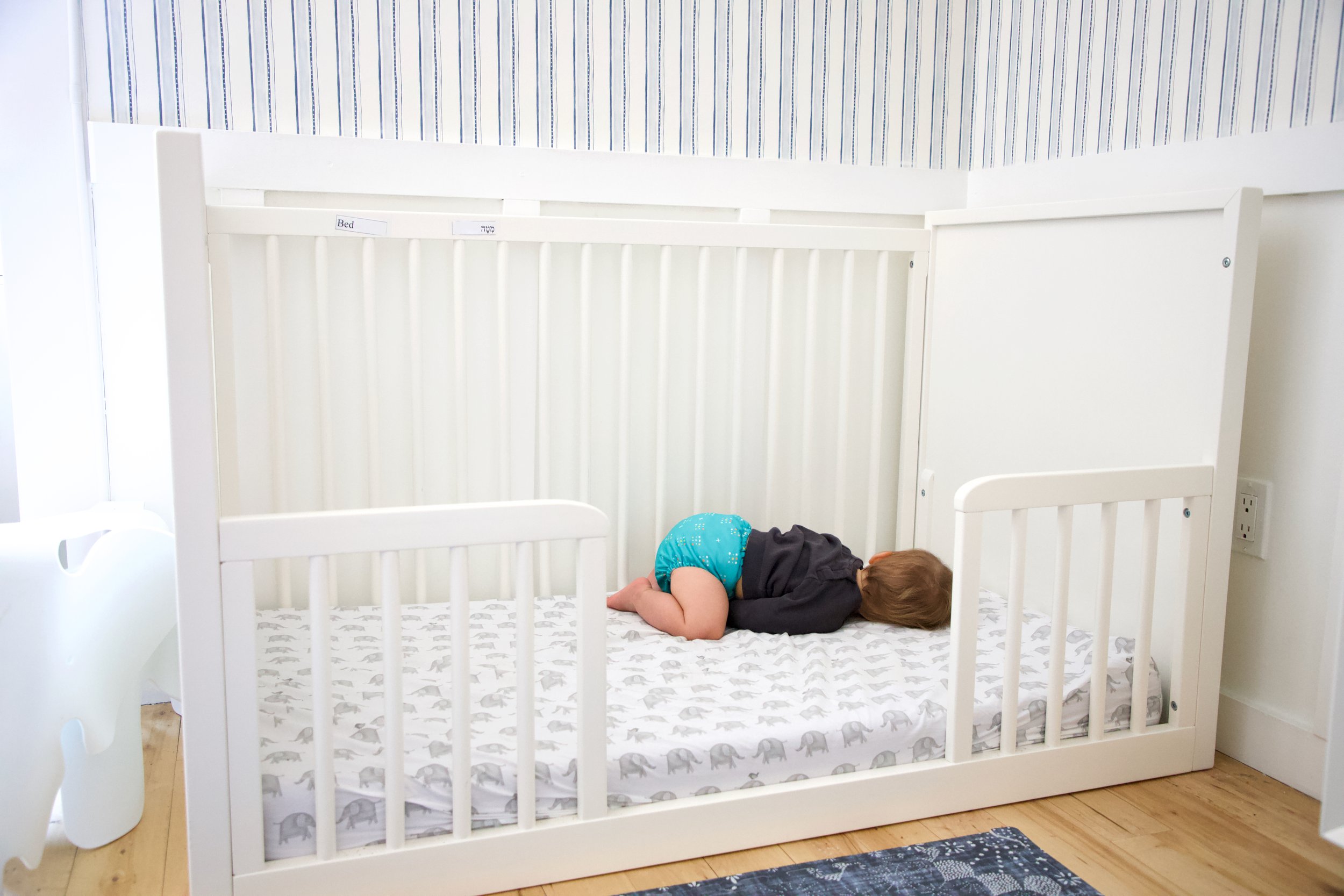
Credit: www.homeandontheway.com
Choosing The Right Bed
Choosing the right bed for your toddler is important for their safety and comfort. The bed should be just the right size and easy to get in and out of. A good bed helps your child feel secure and sleep better. Think about the space in the room and what fits best.
Types Of Toddler Beds
Toddler beds come in different styles. Some look like small versions of a regular bed. Others have fun shapes or themes, like cars or animals. Low-to-the-ground beds are popular for safety. Convertible beds grow with your child and change into bigger beds later. Choose a bed that fits your child’s needs and the room size.
Mattress And Bedding Tips
Use a firm mattress that fits the bed frame well. Avoid mattresses that are too soft or thick. Choose bedding that is easy to wash and safe for toddlers. Avoid pillows and heavy blankets at first. Use light blankets to keep your toddler comfortable without overheating.
Room Setup For Comfort
Place the bed away from windows and heaters. Keep the room quiet and dim for better sleep. Use night lights if your child is afraid of the dark. Make sure the floor is clear of toys to avoid trips. A cozy and safe room helps toddlers sleep longer and better.
Making The Move Smooth
Moving your baby to a toddler bed is a big step. It can feel exciting and scary for both of you. Making this change smooth helps your child feel safe and comfortable. It also helps you avoid stress during bedtime. Planning and patience are key to a good transition.
Preparing Your Toddler
Start by talking about the new bed. Show your toddler the bed and let them touch it. Make the bed cozy with their favorite blanket or stuffed toy. Visit the room often so it feels familiar. Avoid rushing this step. Give your child time to accept the change.
Establishing A Bedtime Routine
Create a simple and calm bedtime routine. Bath time, story reading, and a goodnight song work well. Keep the routine the same every night. This signals to your child that it is time to sleep. A consistent routine builds a sense of security.
Handling Resistance And Fear
Some toddlers may feel scared or resist the new bed. Listen to their worries and comfort them. Use gentle words and stay calm. Night lights can help reduce fear of darkness. Praise your child for trying to sleep in the bed. Small rewards encourage positive behavior.

Credit: www.whattoexpect.com
Sleep Safety Tips
Moving your baby to a toddler bed is a big step. Sleep safety becomes very important. Keeping your child safe while they sleep helps parents feel calm. Follow these simple safety tips to protect your toddler during bedtime.
Preventing Falls
Toddlers can roll out of bed easily. Use bed rails to stop falls. Place the bed close to the wall. Put soft rugs or mats on the floor near the bed. This cushions any accidental falls. Avoid placing the bed near windows or furniture.
Childproofing The Room
Remove sharp or small objects from the room. Cover electrical outlets with safety plugs. Secure cords from blinds or curtains out of reach. Keep toys organized and away from the bed. Make sure heavy items cannot fall on the child. Create a safe space for your toddler to move freely.
Monitoring Sleep Environment
Keep the room temperature comfortable, not too hot or cold. Use breathable bedding to avoid overheating. Check that the mattress fits the bed frame well. Avoid pillows and blankets that can cause suffocation. Use a baby monitor to hear your child easily. Regularly inspect the bed and room for new hazards.
Expert Advice
Choosing the right time for a toddler to switch to a bed is important. Experts share clear advice to guide parents through this change. Their tips help ensure a safe and smooth transition.
Understanding different views from pediatricians, sleep specialists, and parents gives a full picture. This helps families decide when their child is ready for a toddler bed.
Pediatrician Recommendations
Pediatricians suggest moving to a toddler bed around 18 to 24 months. This timing matches the child’s growth and safety needs. They stress watching for signs like climbing out of the crib.
Doctors also highlight the child’s ability to follow simple rules. This helps reduce accidents after the move. Pediatricians recommend keeping the room safe and free of hazards.
Sleep Specialist Insights
Sleep experts focus on the child’s sleep patterns and comfort. They say toddlers should switch beds when they resist the crib or sleep poorly. A toddler bed can improve sleep quality.
Specialists advise creating a calming bedtime routine. This helps the child adjust to the new bed. They also recommend staying consistent with sleep times and limits.
Parent Experiences
Many parents share their stories to help others. They often start the transition between 2 and 3 years old. Parents find patience and clear rules make the change easier.
Some parents use rewards and praise to encourage staying in bed. They suggest watching the child’s behavior closely during the first weeks. Every child adapts at their own pace.

Credit: www.ynhhs.org
Frequently Asked Questions
At What Age Should A Baby Switch To A Toddler Bed?
Most babies transition to toddler beds between 18 months and 3 years. This depends on their size, mobility, and readiness. Safety and comfort are key factors to consider before making the switch.
How To Know If My Toddler Is Ready For A Toddler Bed?
Look for signs like climbing out of the crib, showing interest in a bigger bed, or expressing a desire for independence. If your child can follow simple instructions, they are likely ready for a toddler bed.
What Are The Benefits Of Using A Toddler Bed?
Toddler beds provide a safe, comfortable space that encourages independence. They help ease the transition from crib to regular bed and reduce the risk of injury from climbing out of a crib.
Can Toddlers Sleep In A Bed At 12 Months?
While some toddlers may be ready at 12 months, most experts recommend waiting until 18 months or older. Ensure your child is developmentally ready and the bed is safe with guardrails.
Conclusion
Choosing the right age for a toddler bed depends on your child’s readiness. Most kids switch between 18 months and 3 years old. Watch for signs like climbing out of the crib or needing more space. Safety is key, so pick a bed with guardrails.
A smooth transition helps your toddler feel secure and comfortable. Every child is different. Trust your instincts and your child’s needs. This change marks a big step in their growth and independence.