Are you wondering when your little one is ready to move from a crib to a toddler bed? You’re not alone.
This transition is a big step for both you and your child. Knowing the right age can make the change smoother and safer. You’ll discover clear signs to watch for, helpful tips to ease the move, and expert advice to ensure your child feels comfortable and secure.
Keep reading to find out exactly when your baby should make the switch to a toddler bed—and how to make it a happy experience for everyone.

Credit: www.candokiddo.com
Signs Baby Is Ready
Knowing when your baby is ready for a toddler bed is important for a smooth transition. Babies grow and change fast. Their readiness depends on different signs. Watch for physical and behavioral clues. Safety matters a lot too. These signs help decide the right time to switch beds.
Physical Growth Indicators
Your baby might outgrow the crib size. They may try to climb out of the crib. Legs or arms sticking out from the crib bars show growth. Your child can sit up and move easily. These signs mean a bigger bed is needed soon.
Behavioral Changes
Babies show new behavior when ready. They may ask to sleep in a “big kid” bed. Your child might resist staying in the crib. They want more freedom to move at night. These changes show they understand new sleeping spaces.
Safety Considerations
Safety is key during this change. Climbing out of the crib can cause falls. A toddler bed with guardrails helps prevent accidents. The new bed should be low to the floor. Make sure the room is childproofed well. This keeps your child safe and comfortable.

Credit: boori.co.uk
Ideal Age Range
Choosing the right time to move a baby to a toddler bed is important. The ideal age range helps parents make this change smoothly. It supports the child’s comfort and safety during sleep. Understanding this range can ease the transition for both parents and toddlers.
Typical Age Transition
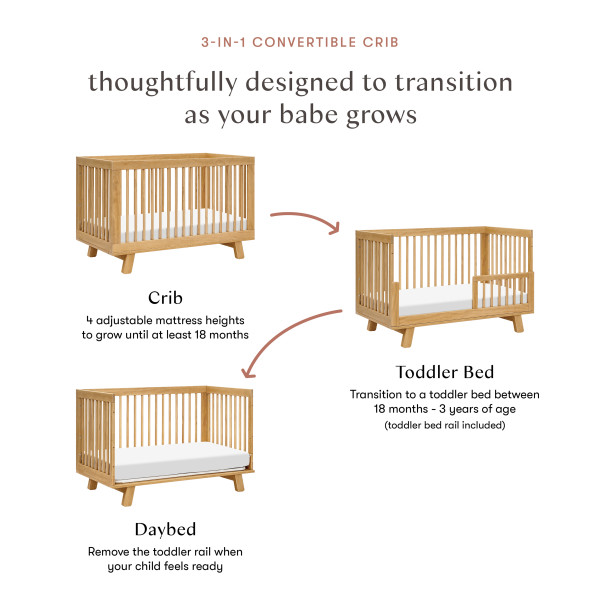
Most children move to a toddler bed between 18 months and 3 years old. This is when they start to show signs of readiness. These signs include climbing out of their crib or asking to sleep in a “big kid” bed. Toddlers gain better mobility and independence around this time. A toddler bed fits their size and needs better than a crib.
Variations Among Children
Every child develops at their own pace. Some may be ready earlier or later than the typical age range. Factors like growth, behavior, and comfort affect this timing. Parents should watch for their child’s cues rather than follow a strict age rule. Safety and confidence in sleeping arrangements matter most.
Choosing The Right Bed
Choosing the right bed for your toddler is an important step. It helps your child feel safe and comfortable. The right bed supports good sleep habits and growth. Parents should consider several factors before making this choice. This section explains types of toddler beds and mattress options.
Types Of Toddler Beds
Toddler beds come in many styles and sizes. Some beds have guardrails to prevent falls. Others are low to the ground for easy access. Convertible beds change from crib to toddler bed. These save money and space. Some beds have fun designs like cars or animals. Choose a bed that fits your room size. Safety and comfort matter most.
Mattress And Bedding Options
Select a mattress that fits the toddler bed snugly. A firm mattress supports your child’s growing body. Soft mattresses can be unsafe. Use breathable bedding to avoid overheating. Cotton sheets are soft and easy to wash. Avoid pillows and heavy blankets for toddlers under two. The right mattress and bedding keep your child safe and cozy.
Preparing For The Move
Preparing for the move to a toddler bed is a big step for your child and family. It needs careful planning and patience. The transition feels easier when your child feels safe and ready. Creating a calm and inviting space helps your child welcome the new bed. Introducing the bed slowly helps your child adjust without stress.
Creating A Comfortable Space
Choose a quiet corner in the room for the toddler bed. Add soft bedding that your child likes. Use familiar blankets or pillows to ease the change. Keep the room tidy to make it feel peaceful. Soft lighting creates a warm and cozy feel. A few favorite toys nearby can bring comfort. This space should invite your child to rest and relax.
Introducing The Bed Gradually
Start by letting your child explore the bed during the day. Encourage sitting or playing in it to build comfort. Avoid forcing your child to lie down at first. Read bedtime stories while sitting on the bed. Slowly, try short naps in the bed before night sleep. Praise your child for every small step they take. This gentle approach builds confidence and trust.
Common Challenges
Transitioning a baby to a toddler bed brings several challenges for parents. This change can affect sleep routines and safety. Understanding common issues helps parents prepare better. Here are two main challenges parents often face.
Bedtime Resistance
Many toddlers resist bedtime after moving to a toddler bed. They may want to stay up longer or leave the bed. This behavior happens because they feel more freedom now. Toddlers test limits and explore their new space. Consistent bedtime routines help reduce resistance. Calm, firm reminders encourage toddlers to stay in bed. Patience and repetition are key to success.
Safety Risks And Solutions
Toddler beds pose safety risks as children can climb out easily. Falls from the bed can cause injuries. Parents should use guardrails on both sides of the bed. Keep the floor area clear to prevent tripping. Place the bed away from windows and cords. Night lights can help toddlers feel secure. Always supervise the child during early nights in the toddler bed.
Tips For Smooth Transition
Moving your baby to a toddler bed is a big step. It can bring new challenges and excitement. A smooth transition helps your child feel safe and calm. You can make this change easier with some simple tips. These tips focus on building good habits and encouraging your toddler.
Consistent Bedtime Routine
A steady bedtime routine gives your toddler a clear signal it is time to sleep. Try to start the routine at the same time each night. Include calming activities like reading a story or singing a lullaby. Avoid screen time and loud noises before bed. A quiet and gentle routine helps your child relax and feel secure.
Positive Reinforcement Techniques
Praise your toddler for trying the new bed. Use kind words and smiles to encourage good behavior. Small rewards, like stickers or extra playtime, can motivate your child. Avoid punishment for accidents or restlessness. Positive support builds confidence and makes your toddler excited about the new bed.
Credit: babyletto.com
Frequently Asked Questions
When Is The Right Age For A Toddler Bed Transition?
Most children move to a toddler bed between 18 months and 3 years old. This timing depends on your child’s readiness and safety needs.
How To Know If Baby Is Ready For Toddler Bed?
Look for signs like climbing out of crib, showing interest in a bed, or potty training readiness. These indicate it’s time to switch.
What Are The Benefits Of Using A Toddler Bed?
Toddler beds offer more space and independence while ensuring safety with low rails. They help toddlers adjust gradually from crib to big bed.
Can A Toddler Bed Prevent Crib Climbing Accidents?
Yes, toddler beds reduce fall risks since they are closer to the floor. They also discourage climbing out, making sleep safer.
Conclusion
Choosing the right age for a toddler bed depends on your child’s readiness. Most babies move between 18 months and 3 years old. Watch for signs like climbing out of the crib or needing more space. Safety matters most. A toddler bed offers comfort and freedom for growing kids.
Trust your instincts and your child’s needs. Every child is different. Take your time and make the change when it feels right. This helps your little one sleep well and stay safe.