Are you wondering when the right time is to move your toddler from a crib to a bed? It’s a big step for both you and your little one, and getting the timing right can make all the difference.
You want your child to feel safe and comfortable, while also ensuring they get a good night’s sleep. You’ll discover the key signs to look for and expert tips to help you decide the perfect age to make the switch.
Keep reading to learn how to make this transition smooth and stress-free for your family.
Signs Your Toddler Is Ready
Knowing when to move your toddler from a crib to a bed can be tricky. Watching for clear signs helps make the change smooth and safe. These signs show your child’s growth and readiness for this big step.
Physical Milestones
Your toddler can climb out of the crib easily. They show better balance and coordination. Walking and running steadily means they can handle a bed. Stronger muscles help them get in and out safely.
Behavioral Changes
Your child asks to sleep in a big bed. They resist going back to the crib at night. Staying in one place during sleep shows readiness. Showing interest in new routines helps the transition.
Safety Awareness
Your toddler understands simple rules about staying in bed. They listen when you say no to climbing out. Recognizing dangers around the bed is a good sign. Safety awareness lowers risks of falls or injuries.
Choosing The Right Bed
Choosing the right bed for your toddler is a big step. It affects their sleep, safety, and comfort. The bed should fit your child’s size and needs. It should also match your room space and budget. Picking the best bed helps your toddler feel secure and happy at bedtime.
Toddler Beds Vs. Twin Beds
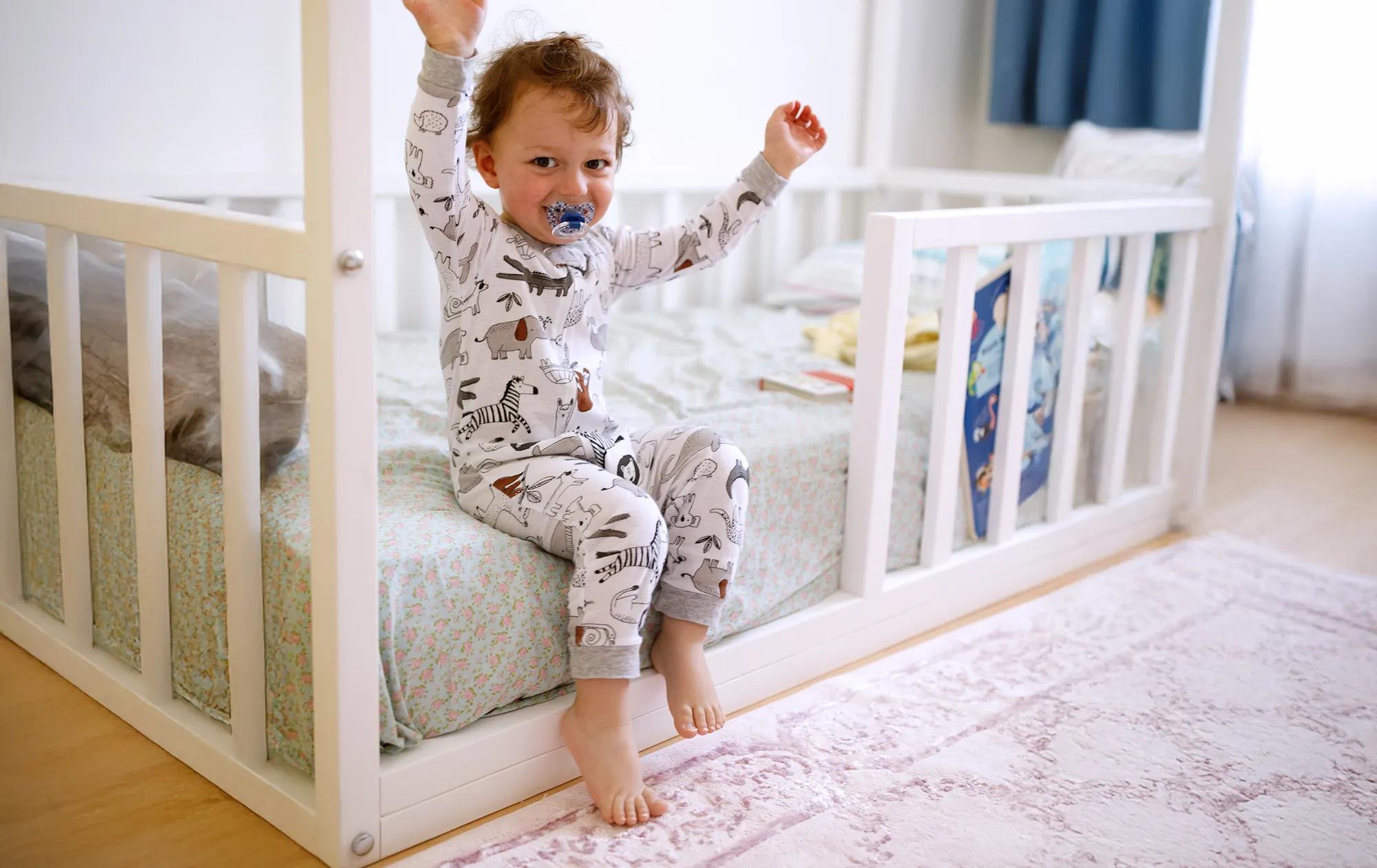
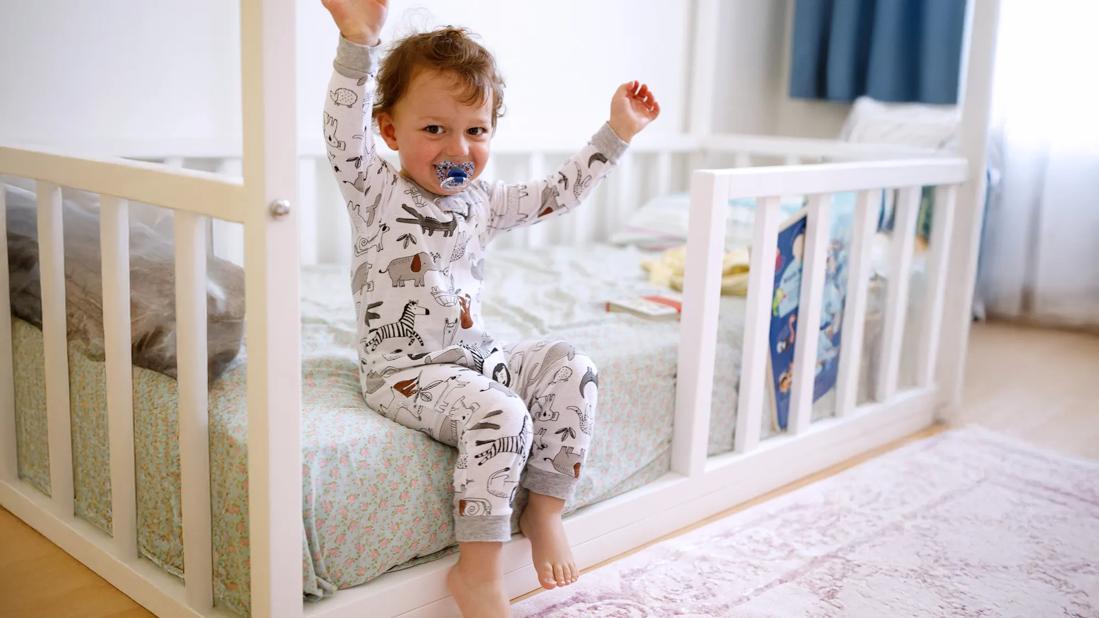
Toddler beds are small and low to the ground. They have side rails to prevent falls. These beds are easy for toddlers to get in and out of. Twin beds are larger and last longer as your child grows. They do not usually have rails, so extra safety measures may be needed. Choose a bed size that fits your child’s current and future needs.
Mattress Options
Mattress comfort is key for good sleep. Look for firm mattresses that support growing bodies. Avoid very soft mattresses that can cause sinking. Foam mattresses are lightweight and easy to clean. Innerspring mattresses are durable and provide firm support. Check mattress size to ensure it fits the bed frame perfectly.
Safety Features To Consider
Safety is the top priority in bed choice. Side rails help keep toddlers from falling out. Rounded corners reduce the risk of injury. Avoid beds with sharp edges or loose parts. Make sure the bed frame is sturdy and stable. Check for non-toxic paint or finishes to protect your child’s health.
Preparing Your Child
Preparing your child for the move from a crib to a bed takes time and care. It helps your toddler feel safe and ready for this new step. A calm and steady approach makes the change easier. Focus on comfort and confidence to make bedtime a happy time.
Creating A Bedtime Routine
Start with a simple bedtime routine. Consistency helps your child know what to expect. Choose quiet activities like reading a story or singing a song. Keep the routine short and calm. This routine signals that sleep time is near.
Introducing The New Bed
Let your child explore the new bed during the day. Show them how soft and cozy it is. Allow them to choose bedding or a favorite blanket. This makes the bed feel special. Avoid rushing the first night in the new bed.
Addressing Fears And Anxiety
Listen to your child’s worries about the new bed. Offer comfort and reassurance with gentle words. Use a nightlight to ease fear of the dark. Stay nearby until your child feels safe. Small steps build trust and reduce anxiety.
Transition Tips For Parents
Moving a toddler from a crib to a bed is a big step for both parents and children. This change can bring excitement and some challenges. Helping your child adjust smoothly needs patience and clear methods. Simple strategies make the transition easier and more comfortable. Use these tips to support your toddler during this important change.
Gradual Vs. Immediate Transition
Decide if you want a slow or fast change. A gradual transition means letting your child sleep in the crib and bed for some nights. This helps them get used to the new bed slowly. An immediate transition means moving your toddler to the bed all at once. Choose the way that fits your child’s personality best. Watch how your toddler reacts and adjust as needed.
Using Comfort Items
Comfort items can help your toddler feel safe in the new bed. Bring favorite blankets or stuffed animals to the bed. These items remind your child of the crib’s comfort. Keep these items close during bedtime. They provide security and make bedtime less scary. This small step can make a big difference in your child’s sleep.
Setting Boundaries And Expectations
Set clear rules about bedtime and staying in bed. Explain these rules in simple words your toddler understands. Use calm and firm tones to show you mean the rules. Praise your child when they follow bedtime rules. Consistent boundaries help your toddler learn what to expect. This builds good sleep habits and reduces fussiness.
Common Challenges And Solutions
Moving a toddler from a crib to a bed can bring new challenges. Parents often face common problems during this transition. Understanding these challenges helps parents find easy solutions. This section covers three common issues and ways to handle them.
Nighttime Wandering
Toddlers may leave their bed at night. They feel curious or lonely. This can worry parents about safety. Installing a baby gate at bedroom doors can help. Use a nightlight to make the room cozy. Gently guide your child back to bed if they wander.
Resistance To Change
Some toddlers dislike leaving their crib. They feel safe and comfortable there. To ease this, talk about the new bed positively. Let your child choose bedding or toys for the bed. Stay calm and patient during bedtime routines. Consistency helps toddlers accept the change faster.
Sleep Regression
Sleep patterns may worsen after the move. Toddlers can wake more often or cry at night. Keep a regular sleep schedule to help. Comfort your child with quiet stories or soft music. Avoid screens before bedtime to improve sleep quality. Sleep will improve as your toddler adjusts.
Credit: health.clevelandclinic.org
Safety Precautions
Moving a toddler to a bed is a big step. Safety is the top priority during this change. Making the room safe helps prevent accidents and keeps your child secure. Below are key safety tips for this transition.
Childproofing The Room
Remove sharp objects and small toys from the room. Cover electrical outlets with safety plugs. Secure cords from blinds or curtains out of reach. Use corner guards on furniture edges. Keep heavy items away from the bed area.
Preventing Falls
Choose a bed low to the floor to reduce fall risk. Use bed rails on both sides of the bed. Place soft rugs or mats beside the bed. Teach your child to climb in and out carefully. Check the floor for hard or sharp objects regularly.
Emergency Preparedness
Have a nightlight for easy visibility at night. Keep a phone nearby for quick calls. Teach your child how to call for help. Make sure smoke detectors work properly. Have a first aid kit ready in the room.
When To Seek Professional Advice
Deciding the right age to move your toddler to a bed can be tricky. Some children adjust quickly, while others may face challenges. Knowing when to ask a doctor or specialist helps ensure your child’s health and comfort.
Signs that need expert advice often relate to sleep problems, behavior, or growth delays. Early help can make the transition easier and support your child’s well-being.
Sleep Disorders
Persistent trouble falling asleep or staying asleep may signal a sleep disorder. Snoring, gasping, or restless nights are warning signs. A sleep specialist can diagnose and treat these issues. Good sleep is key for your toddler’s growth and mood.
Behavioral Concerns
Sudden changes in behavior can affect bedtime routines. Aggression, fear, or extreme clinginess might need professional support. A child psychologist or counselor can offer guidance and coping strategies. This helps your child feel safe and calm at night.
Developmental Delays
Delays in talking, walking, or social skills may affect sleep habits. Developmental specialists can assess your toddler’s needs. Early intervention can improve sleep and overall development. This ensures your child meets important milestones on time.
Credit: health.clevelandclinic.org

Credit: busytoddler.com
Frequently Asked Questions
When Is The Best Age To Transition A Toddler To A Bed?
Most toddlers switch to a bed between 18 months and 3 years. It depends on the child’s readiness and safety. Signs include climbing out of the crib or needing more space to sleep comfortably.
How Can I Tell If My Toddler Is Ready For A Bed?
Your toddler may be ready if they climb out of the crib or express interest in a bed. Also, if they show awareness of boundaries, it’s a good time to transition.
What Are The Safety Tips For Toddler Bed Transitions?
Ensure the bed has guardrails to prevent falls. Remove hazards nearby and keep the room childproof. Use a firm mattress and avoid heavy bedding to reduce suffocation risks.
How To Ease Toddler’s Fear During Bed Transition?
Maintain a consistent bedtime routine to provide comfort. Use nightlights and favorite toys to create a secure environment. Offer praise and reassurance to build confidence.
Conclusion
Choosing the right age for a toddler’s bed matters a lot. Every child grows and changes at their own pace. Watch for signs like climbing out of the crib or wanting more space. Safety should always come first in this decision.
A smooth change helps your toddler feel calm and happy. Remember, patience and care make this step easier for both. Keep your child’s comfort and safety in mind always. This way, bedtime stays a peaceful and positive time.