If you have a toddler, you’ve probably asked yourself: how long does your little one really need a bed rail? You want to keep your child safe and comfortable, but you also don’t want to hold back their independence.
Finding the right time to remove the bed rail can feel tricky and even a bit stressful. You’ll discover clear signs to look for and expert tips to help you decide when your toddler is ready to sleep without a bed rail.
Keep reading, because your child’s safety and confidence depend on getting this just right.
Credit: www.baby-sleep-advice.com
Purpose Of Toddler Bed Rails
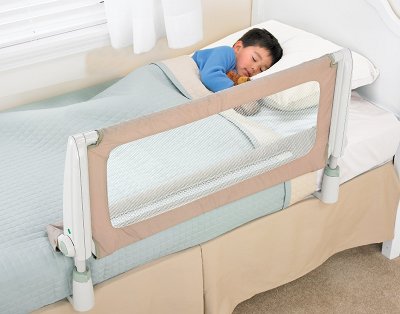
Toddler bed rails serve an important role in young children’s sleep safety. These rails create a secure space that helps toddlers adjust from a crib to a bed. They act as a barrier between the child and the edge of the bed. This simple addition can make bedtime safer and more comfortable for toddlers.
Preventing Falls During Sleep
One main purpose of toddler bed rails is to stop falls during sleep. Toddlers move a lot while sleeping. They can easily roll off the bed without any protection. Bed rails block the edge and keep toddlers safely on the mattress. This reduces the risk of injuries from falls. Parents feel more at ease knowing their child is safe.
Providing Security And Comfort
Bed rails give toddlers a sense of security. The rails create a small, cozy space that feels like a safe zone. Toddlers often resist new beds because they fear falling. Rails help ease this fear by offering a physical barrier. This comfort helps toddlers sleep better and feel calm at night. It supports a smooth transition from crib to bed.
Credit: www.bedbathandbeyond.com
Age Range For Bed Rail Use
Bed rails help keep toddlers safe while they sleep. They stop children from rolling off the bed. Parents often ask about the best age to start and stop using bed rails. Knowing the age range for bed rail use helps parents keep their toddlers safe and comfortable.
Typical Starting Age
Most toddlers start using bed rails between 18 months and 2 years old. This is when many begin sleeping in a regular bed instead of a crib. Bed rails provide a safe boundary to prevent falls. Parents should choose a rail that fits well with the bed and is easy to install.
When To Consider Removing The Rail
Toddlers usually stop needing bed rails by age 5. By this age, most children have better control over their movements during sleep. If your child climbs over the rail or feels trapped, it may be time to remove it. Also, if the child shows no fear of falling, you can consider taking the rail off.
Signs Your Toddler Is Ready Without A Bed Rail
Deciding when to remove your toddler’s bed rail can be tricky. The key lies in watching your child’s behavior during sleep. Certain signs show your toddler may no longer need the rail. These signs help ensure safety without the rail.
Observe your toddler closely for these important clues. They indicate readiness to sleep without extra protection. This keeps the transition smooth and safe for your child.
Consistent Sleep Position
Your toddler stays in one position while sleeping. They do not toss or turn excessively. This reduces the risk of falling out of bed. Consistent sleep position shows comfort and security without rails.
Check for steady sleep habits over several nights. This habit signals that your toddler feels safe in bed. It helps you decide if the bed rail is no longer needed.
Ability To Stay In Bed All Night
Your toddler stays in bed throughout the night. They do not climb out or wander around. This shows good self-control and understanding of bedtime rules.
Watch for nights when your child remains calm and in bed. This behavior indicates readiness to sleep without a bed rail. It helps prevent accidents and gives you peace of mind.
Safety Risks Of Prolonged Bed Rail Use
Bed rails help keep toddlers safe during sleep. But using them for too long can cause problems. Safety risks increase as the child grows. Parents should know these risks to protect their little ones.
Entrapment Hazards
Bed rails can trap a child’s head, arms, or legs. This can cause injury or panic. Small gaps between the rail and mattress create these dangers. Toddlers might try to climb over and get stuck. Monitoring the bed setup is important to avoid such risks.
Encouraging Independence
Long use of bed rails may delay a toddler’s confidence. Kids need space to move and learn to get in and out of bed. Removing bed rails at the right time helps build self-reliance. It supports healthy development and better sleep habits.
Choosing The Right Bed Rail
Choosing the right bed rail helps keep toddlers safe during sleep. It prevents falls and gives parents peace of mind. Picking a suitable bed rail depends on your toddler’s age, bed type, and room space. Safety and ease of use matter most. This guide helps you understand different types and installation tips.
Types Of Bed Rails
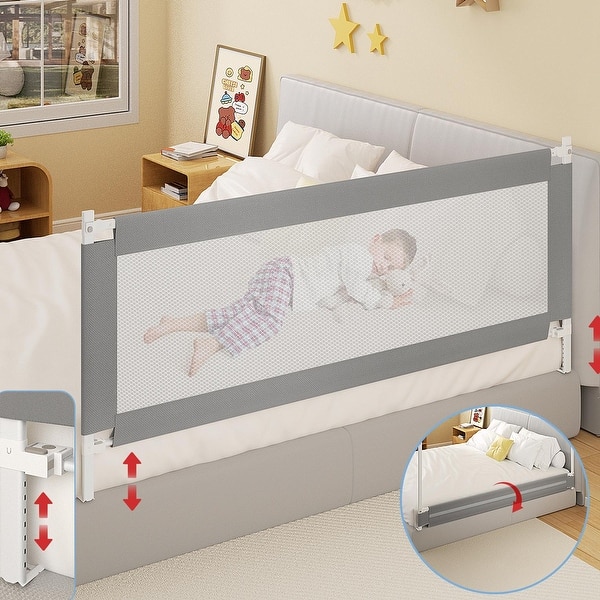
There are several types of bed rails for toddlers. Some rails attach to the side of the bed frame. Others sit between the mattress and box spring. Some rails fold down for easy access. Choose rails that fit your child’s bed size. Look for smooth edges and strong materials. Soft, padded rails protect against bumps. Portable rails work well for travel or small rooms.
Installation Tips
Install the bed rail tightly to avoid gaps. Follow the manufacturer’s instructions carefully. Check the rail’s height; it should block the mattress edge well. Test the rail by pressing firmly to ensure stability. Avoid rails with loose parts or sharp edges. Place the bed against a wall for added safety. Regularly inspect the rail for wear or damage. Replace the rail if it becomes loose or broken.
Alternative Safety Measures
Bed rails are common for toddler safety. Still, some parents want other options. Alternative safety measures can protect toddlers without using rails. These choices focus on comfort and security while encouraging independence.
Floor Beds
Floor beds sit directly on the floor. They remove the risk of falling from height. Toddlers can climb in and out easily. This setup encourages freedom and movement. Soft rugs or mats around the bed add extra safety. Floor beds suit toddlers who move a lot during sleep. They help reduce fear of falling.
Bed Placement Strategies
Where the bed is placed matters a lot. Position the bed against a wall to block one side. Keep the bed away from windows and sharp corners. Use a soft carpet around the bed area. This cushions any accidental falls. A quiet, low-traffic room helps toddlers feel calm. This setup lowers risks without needing bed rails.
Parental Tips For Transitioning Away From Bed Rails
Transitioning a toddler away from bed rails can be challenging for many parents. It takes patience and a clear plan to help your child feel safe and comfortable. Small steps and a calm approach work best. These tips will guide you through the process smoothly.
Gradual Removal Approach
Start by lowering the bed rail instead of removing it completely. Let your toddler get used to this change for a few nights. Next, try removing the rail for short naps or quiet playtime in bed. Watch how your child reacts and comfort them if needed. Slowly increase the time without the rail. This helps your toddler build confidence in the new sleeping routine.
Creating A Safe Sleep Environment
Remove any sharp or hard objects near the bed. Use soft rugs or mats beside the bed to cushion any falls. Make sure the room is tidy and free of hazards. A night light can help your toddler feel secure in the dark. Talk about safety rules in simple words before bedtime. A calm and safe space encourages better sleep without the rails.

Credit: www.amazon.com
Frequently Asked Questions
When Should Toddlers Stop Using Bed Rails?
Toddlers typically stop using bed rails between ages 2 and 5. This depends on their size, mobility, and safety needs. Once they can safely stay in bed without falling, bed rails are no longer necessary.
Are Bed Rails Safe For Toddlers?
Yes, bed rails are safe when properly installed and used. They prevent falls and provide security during sleep. Always choose rails designed for toddlers and check for any safety recalls before use.
How Long Do Bed Rails Prevent Falls?
Bed rails effectively prevent falls as long as toddlers use them. Most children outgrow the need by age 5, but this varies. Regularly assess your child’s movement and behavior to decide when to remove the rail.
Can Toddlers Climb Over Bed Rails?
Some toddlers may try to climb over bed rails as they become more mobile. This can reduce the rail’s effectiveness. Monitor your child’s behavior and consider alternative safety measures if climbing occurs.
Conclusion
Toddler bed rails keep children safe while they sleep. Most toddlers need bed rails until they stop rolling out of bed. This usually happens between ages 2 and 5. Watch your child’s behavior and comfort. Remove the rail when they climb over it or seem cramped.
Safety is the top priority, but so is independence. A bed rail is a helpful tool, not a permanent need. Trust your instincts and your child’s cues. Keep the sleeping space safe and cozy for better rest.