Are you wondering when your little one is ready to make the big switch from a crib to a toddler bed? It’s a big step for both you and your child, and getting the timing right can make bedtime smoother and safer.
But how old should a toddler be for a toddler bed? You’ll discover the key signs to watch for and expert tips to help you decide the perfect moment. Keep reading, because choosing the right time can make all the difference in your child’s comfort and your peace of mind.
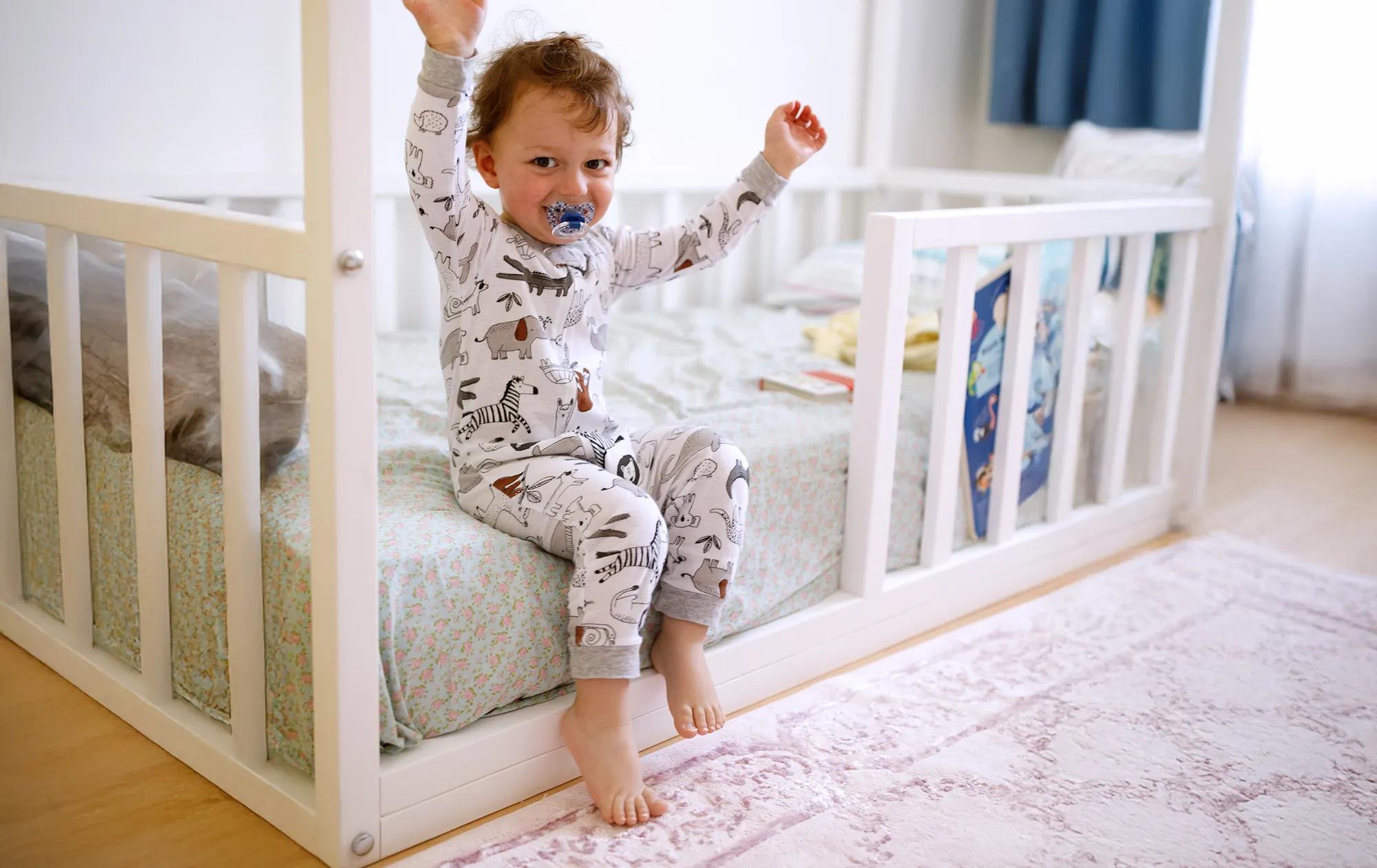
Credit: health.clevelandclinic.org
Signs Your Toddler Is Ready
Knowing when your toddler is ready for a toddler bed helps make the change smooth. Watch for signs that show your child can handle this new step. These signs come from how your toddler moves, behaves, and sleeps.
Pay attention to these clues. They tell you if your little one feels safe and comfortable moving from a crib to a bed.
Physical Milestones
Your toddler should be able to climb in and out of bed safely. This skill shows good muscle control and coordination. If your child can walk and climb stairs well, it is a strong sign. Also, look for growth spurts that make the crib feel tight. These physical changes point to readiness for a bigger bed.
Behavioral Indicators
Notice if your toddler tries to climb out of the crib. This behavior can be risky and means they want more freedom. Your child may also show interest in a “big kid” bed. Some toddlers ask to sleep in a bed like older siblings. These actions suggest it is time to switch to a toddler bed.
Sleep Patterns
Changes in sleep can hint at readiness too. If your toddler wakes often or resists the crib, it may not feel comfortable. Longer sleep stretches without waking mean your child feels secure. Also, toddlers who nap less during the day may be ready for a new bed. These sleep habits help decide the right time for change.

Credit: busytoddler.com
Benefits Of A Toddler Bed
Toddler beds are designed to help young children transition from a crib. These beds offer many benefits for both toddlers and parents. They create a safe, comfortable space for sleep. Toddlers also gain more freedom and independence. This section explains the key benefits of a toddler bed.
Safety Advantages
Toddler beds have low frames to prevent falls. Guardrails keep children from rolling out at night. These beds reduce the risk of injury compared to cribs or big beds. The size fits toddlers perfectly, avoiding gaps where they can get stuck. Safety is a top priority for parents choosing a bed.
Promoting Independence
Toddler beds help children learn to get in and out alone. This builds confidence and self-reliance. Kids feel proud to have their own bed. It encourages good sleep habits and routines. Independence in sleep can improve behavior during the day.
Comfort And Space
Toddler beds offer more room than cribs but stay cozy. The mattress size suits toddlers’ growing bodies well. Kids can stretch out comfortably without feeling lost in a big bed. The design supports a restful night’s sleep. Comfortable sleep leads to better mood and growth.
Common Age Range For Transition
Deciding the right time to move a toddler from a crib to a toddler bed can feel challenging. Many parents wonder about the common age range for this transition. Understanding typical ages and factors that influence the change helps make the process smoother. Every child is unique, and cultural habits also play a role.
Typical Starting Ages
Most toddlers start using a toddler bed between 18 months and 3 years. Around two years old is a common age for many families. This age fits well with a child’s growing independence and physical ability. Toddlers often outgrow their cribs or try climbing out, signaling it is time to switch.
Variations By Child
Each child develops differently. Some may be ready earlier, while others need more time. Factors like size, mobility, and comfort affect readiness. Parents should watch for signs such as climbing out of the crib or expressing interest in a bigger bed. Comfort and safety remain top priorities during the transition.
Cultural Differences
Sleeping habits vary widely across cultures. Some cultures keep children in cribs longer or co-sleep with parents. Others encourage early independence with toddler beds or mattresses on the floor. These differences influence the timing of the bed transition. Understanding cultural norms helps set realistic expectations for families.
Choosing The Right Toddler Bed
Choosing the right toddler bed is important for your child’s comfort and safety. Toddlers need a bed that fits their size and supports their growing bodies. A good bed also makes bedtime more fun and inviting.
Parents should think about bed size, safety features, and the materials used. These factors help ensure the bed lasts and keeps your child safe.
Bed Size And Design
The bed should fit your toddler’s size comfortably. A bed too big may feel scary. Too small can be uncomfortable. Look for beds designed for toddlers aged 1.5 to 3 years.
Choose a design that matches your child’s room and style. Simple designs with low frames help toddlers climb in and out easily. Rounded edges reduce the risk of injury.
Safety Features
Safety is the top priority for toddler beds. Look for side rails to prevent falls during sleep. Rails should be sturdy but easy for parents to remove or adjust.
Check that the bed meets safety standards. Avoid beds with sharp corners or small parts that can come loose. A stable bed frame reduces the risk of tipping.
Material And Durability
Choose beds made from strong, non-toxic materials. Wood is a popular choice because it is durable and safe. Avoid beds with harmful chemicals or finishes.
The bed should last through toddler years and beyond. Solid construction helps the bed hold up to active use. Easy-to-clean surfaces make maintenance simple.
Preparing Your Toddler For The Switch
Preparing your toddler for the switch to a toddler bed helps make the change smooth. Toddlers feel safe and happy with a good plan. It reduces fuss and makes bedtime easier.
Start early to give your child time to adjust. Help your toddler know what to expect. This builds trust and excitement about the new bed.
Creating A Routine
Set a simple bedtime routine. Do the same steps each night. This could include reading a book or singing a song.
A steady routine signals it is time to sleep. It calms your toddler and builds good sleep habits. Keep the routine short and sweet.
Involving Your Child
Let your toddler help with the bed choice. Ask which sheets or blankets they like. This makes them feel part of the process.
Talk about the new bed in a positive way. Use words like “big kid bed” to excite them. Praise their bravery for trying something new.
Making The Bed Inviting
Make the bed cozy and fun. Add soft pillows and favorite stuffed toys. Use bright, cheerful colors your toddler loves.
A welcoming bed invites your child to rest. It feels safe and special, helping your toddler enjoy bedtime.

Credit: www.whattoexpect.com
Handling Challenges During Transition
Moving a toddler from a crib to a toddler bed can bring new challenges. These changes can make your child feel unsure or scared. Parents often face common issues that need patience and care. Knowing how to handle these challenges helps make the transition smoother.
Separation Anxiety
Many toddlers feel scared when they sleep alone in a new bed. They may cry or want you nearby. Stay calm and offer comfort. Create a bedtime routine with hugs and soft words. This helps your child feel safe and loved.
Nighttime Wandering
Some toddlers may leave their bed during the night. This can be worrying and unsafe. Use a baby gate or door alarm to keep them in their room. Gently guide them back to bed each time. Be firm but kind to help them learn boundaries.
Adjusting Sleep Schedules
Switching beds can change a toddler’s sleep habits. They might nap less or wake up earlier. Keep bedtime and nap times consistent every day. Avoid screen time before bed. A calm environment helps your child fall asleep faster and stay asleep longer.
Frequently Asked Questions
When Is The Right Age For A Toddler Bed?
Most toddlers transition between 18 months and 3 years old. It depends on their size, safety, and readiness to climb in and out independently.
How To Know If My Toddler Is Ready For A Bed?
Look for signs like climbing out of the crib, showing interest in a bed, or needing more space to sleep comfortably.
What Safety Features Should A Toddler Bed Have?
Choose beds with low height, guardrails, and sturdy construction. These features prevent falls and provide a secure sleeping environment for toddlers.
Can Toddlers Sleep In A Bed Before 18 Months?
It’s generally not recommended before 18 months due to safety risks. Cribs provide better support and security for younger toddlers.
Conclusion
Choosing the right time for a toddler bed matters a lot. Most toddlers switch between 18 months and 3 years old. Watch for signs like climbing out of the crib or needing more space. Safety and comfort should guide your choice.
Every child grows at their own pace. Trust your instincts and your child’s needs. A smooth transition helps your toddler sleep better. This step marks a big moment in their growth. Keep the room safe and cozy. Soon, your toddler will enjoy their new bed happily.